Great Migration March: Long Rains Begin — Should You Still Go?
Overview of the Great Migration in March
March marks a transitional phase in the Great Migration, where the calving season begins to taper off and the long rains gradually arrive across the southern Serengeti and Ndutu plains. For many travelers, this raises an important question—does the onset of rain reduce the safari experience, or does it unlock a different, equally rewarding side of the migration?
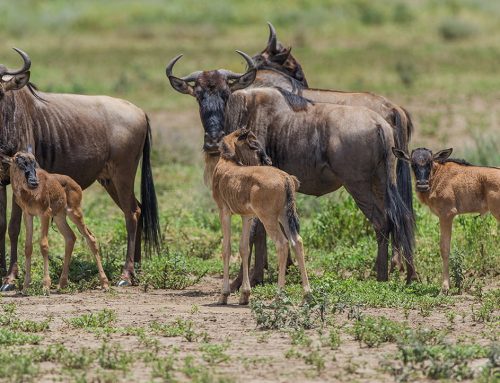
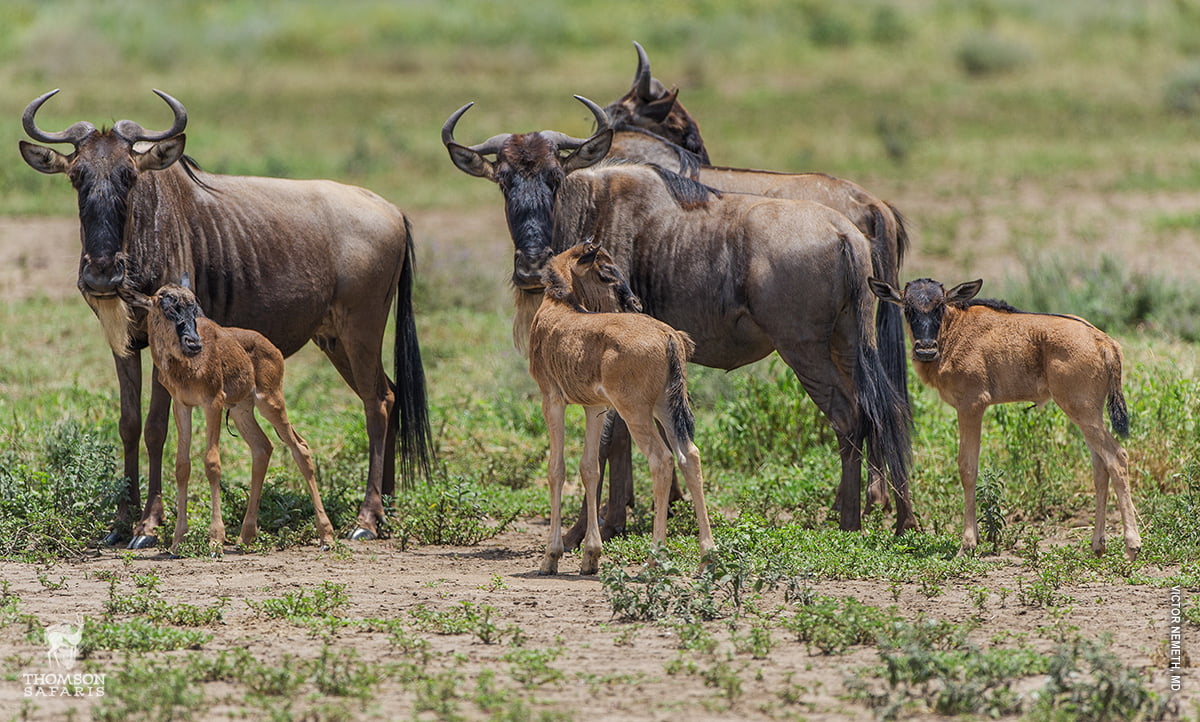
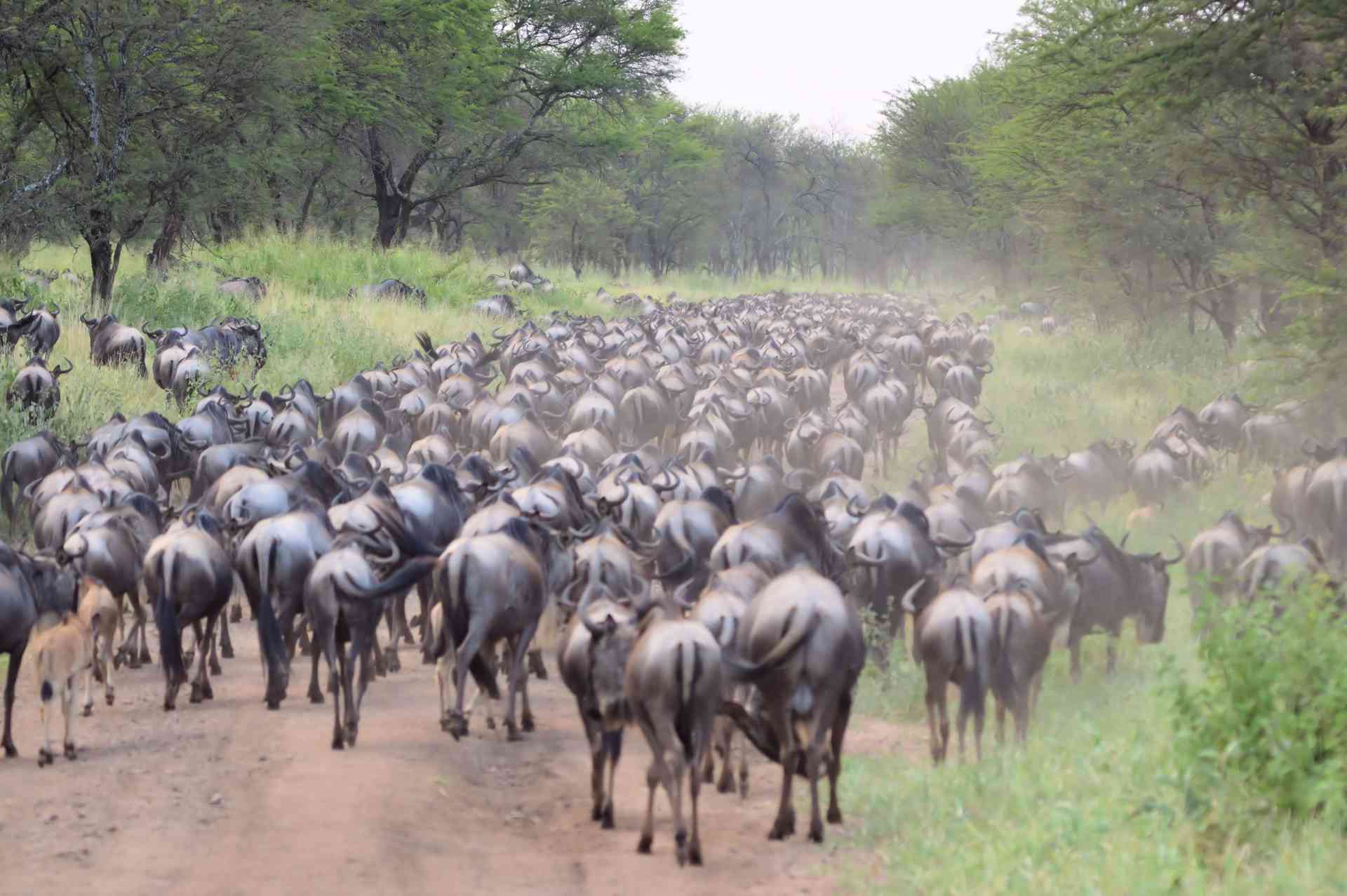
The herds remain largely in the southern ecosystem, particularly around the Ndutu region within the Serengeti National Park and the Ngorongoro Conservation Area. While February is the peak of calving, March still offers significant wildlife density, with thousands of young calves now stronger and moving with the herds.
This period blends the end of the birthing season with the beginning of seasonal movement, creating a unique safari window that is often overlooked. For those willing to embrace changing weather patterns, March can deliver quieter parks, dramatic scenery, and exceptional photographic opportunities.
Understanding the Long Rains in March
March signals the early stages of the long rainy season in Tanzania, although rainfall patterns can vary significantly from year to year. Unlike the short rains of November and December, the long rains are more sustained, but they do not typically mean constant downpours throughout the day.
Rainfall often occurs in bursts rather than continuous storms. Mornings can be clear and ideal for game drives, while afternoons or evenings may bring showers that refresh the landscape. This pattern allows for productive safari days with manageable interruptions.
The rains transform the environment. Dry plains become lush, rivers begin to flow, and the entire ecosystem takes on a vibrant green appearance. While this can make some tracks muddy, it also enhances the beauty of the landscape and supports a wide range of wildlife activity.
Migration Movement: Transition Begins
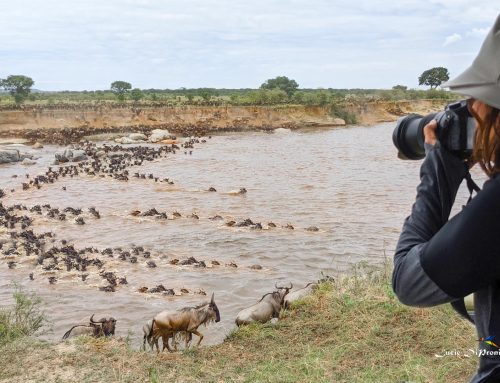
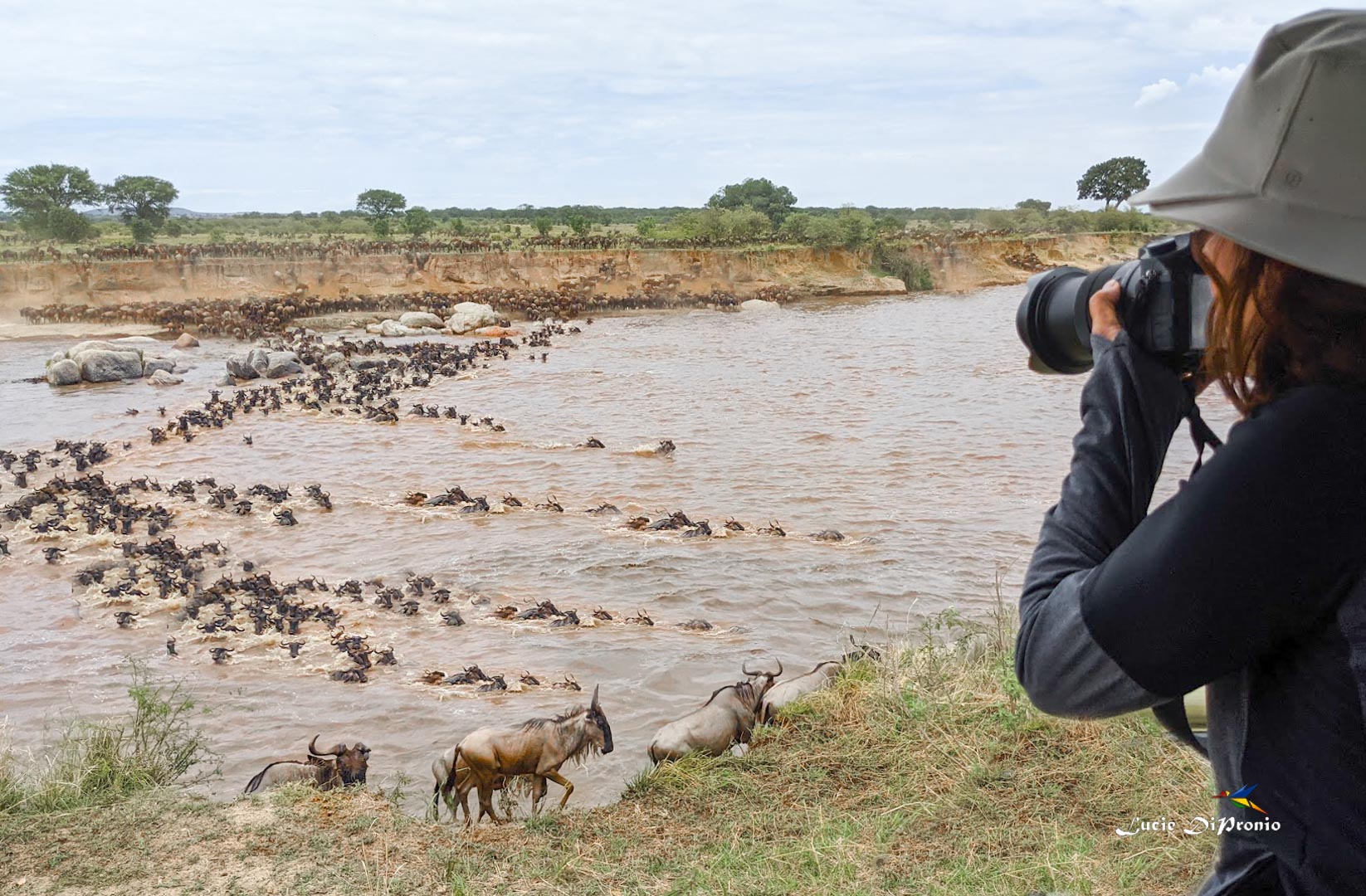
By March, the Great Migration begins to show early signs of movement, although large herds are still present in the southern plains. As grazing conditions change, wildebeest gradually start preparing for their journey northward.
The herds become more spread out compared to the dense concentrations seen in January and February. This can make sightings slightly less predictable, but it also creates a more natural and less crowded viewing experience.
Calves born during the peak season are now stronger and more mobile. Watching these young animals integrate into the moving herds adds a new dimension to the safari experience, highlighting growth and adaptation.
Predator Activity: Still Strong but Evolving
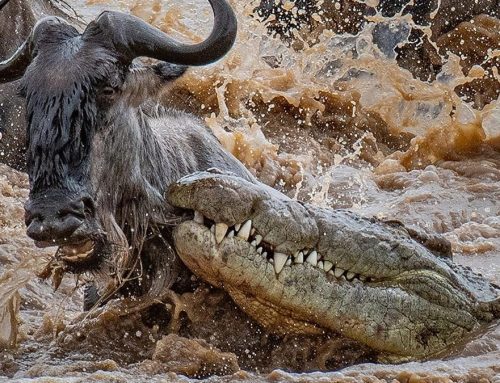
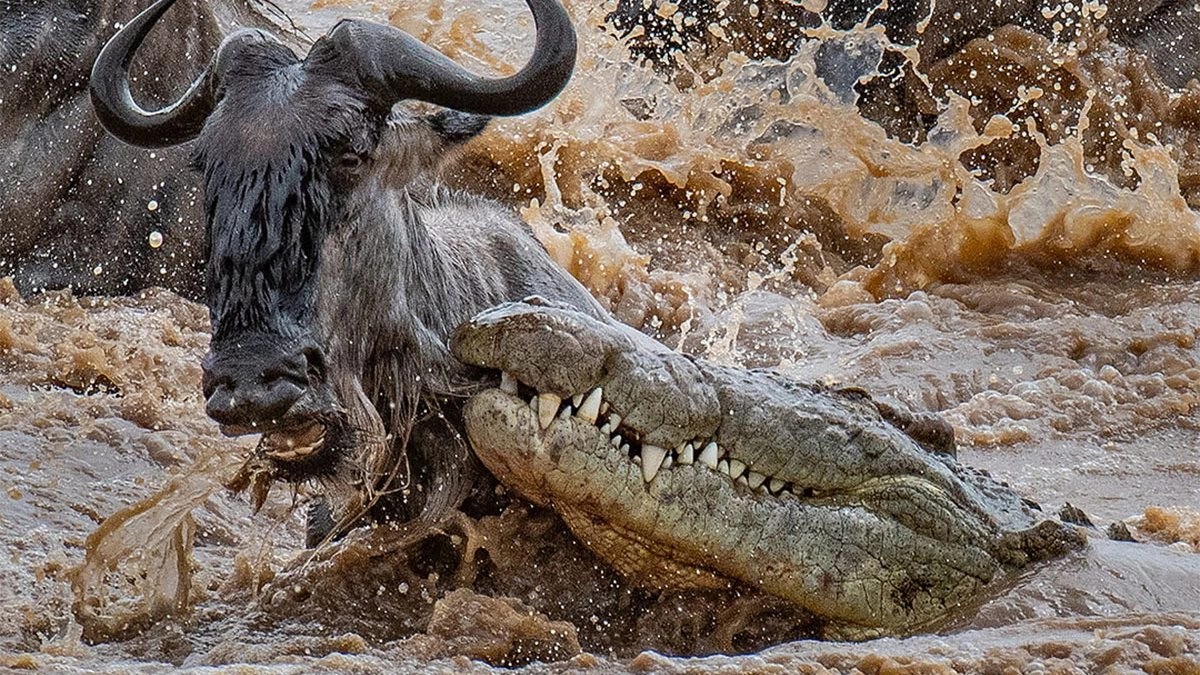
Predator activity remains high in March, although it begins to shift as the calving season ends. While newborn calves are less abundant, there are still many young and inexperienced animals that attract predators.
Lions continue to dominate the plains, often targeting weaker or slower individuals. Their hunting strategies remain highly visible due to the open terrain.
Cheetahs and hyenas are still active, but hunting patterns become more varied. With prey becoming slightly more dispersed, predators must work harder, creating different types of interactions compared to the intense calving peak.
This transition phase offers a more nuanced view of predator-prey dynamics. Instead of constant high-intensity hunts, visitors witness strategy, patience, and adaptation in a changing environment.
Fewer Crowds and More Exclusive Safaris
One of the biggest advantages of visiting in March is the noticeable drop in tourist numbers. As the long rains approach, many travelers choose to avoid this period, leaving the plains quieter and more exclusive.
This reduction in visitors enhances the safari experience. Game drives feel more personal, sightings are less crowded, and there is greater flexibility in exploring different areas.
For photographers and seasoned travelers, this is a major benefit. Fewer vehicles mean better positioning, less disturbance to wildlife, and more time to observe behavior in a natural setting.
Landscape and Photography: A Dramatic Transformation
March offers some of the most visually striking landscapes in the Serengeti ecosystem. The combination of green plains, dark storm clouds, and dramatic lighting creates a cinematic environment for photography.
The contrast between wildlife and the lush background enhances image quality. Animals stand out against vibrant vegetation, making compositions more dynamic and visually appealing.
Storm light can produce extraordinary photographic moments. Breaks in the clouds allow sunlight to illuminate the plains in dramatic ways, creating opportunities for unique and memorable images.
This is a favorite time for professional photographers. The mood, atmosphere, and changing weather conditions add depth and storytelling potential to every shot.
Challenges of Visiting in March
The primary challenge of a March safari is the unpredictability of weather. Rain can affect road conditions, making some areas difficult to access, particularly in more remote parts of the plains.
Game drives may require flexibility. Adjusting schedules around rainfall ensures the best possible experience, but it requires a willingness to adapt plans.
Wildlife visibility can sometimes be affected by taller grass. As vegetation grows, animals may be slightly harder to spot compared to the short-grass conditions of earlier months.
However, these challenges are manageable with proper planning. Experienced guides and well-equipped safari vehicles ensure that visitors can still enjoy excellent wildlife viewing.
Accommodation and Pricing Advantages
March often falls within the shoulder season, offering better value for safari travelers. Many lodges and camps reduce their rates compared to peak months, making high-quality accommodations more accessible.
Availability is also improved. With fewer visitors, it is easier to secure preferred lodges and travel dates, even with shorter planning timelines.
This creates an opportunity for a more luxurious experience at a lower cost. Travelers can enjoy premium services and locations without the premium peak-season pricing.
Who Should Travel in March
March is ideal for travelers who value exclusivity, photography, and a deeper connection with nature. Those who are flexible and comfortable with occasional rain will find this period highly rewarding.
It is particularly suited to experienced safari-goers. Visitors who have already seen the migration during peak months may appreciate the quieter, more atmospheric experience of March.
Photographers and wildlife enthusiasts benefit the most. The combination of dramatic landscapes, evolving wildlife behavior, and fewer crowds creates a unique and compelling safari environment.
Should You Go in March?
The answer depends on your priorities as a traveler. If your goal is to witness peak calving and maximum predator action, January and February may be more suitable.
However, if you are looking for fewer crowds, stunning landscapes, and a more relaxed safari pace, March is an excellent choice. The migration is still present, wildlife activity remains strong, and the changing environment adds depth to the experience.
March offers a balance between action and atmosphere. It may not deliver the same intensity as peak calving season, but it provides a richer, more immersive connection to the natural world.
Conclusion
March in the Serengeti ecosystem represents a subtle yet powerful shift in the Great Migration, where life continues but the rhythm begins to change. The arrival of the long rains brings new energy to the landscape, while the herds prepare for their journey north.
For travelers willing to embrace its unpredictability, March offers a uniquely rewarding safari experience. From dramatic skies to evolving wildlife behavior, this month reveals a different side of the migration—one that is quieter, more reflective, and equally captivating.