Great Migration June: Crossing into Northern Serengeti
Overview of the Great Migration in June
June marks a defining turning point in the Great Migration, as massive herds begin their journey from the western corridor toward the northern Serengeti. This is the moment when movement becomes more urgent and directional, driven by the search for fresh grazing and water as the dry season begins to take hold.
The migration shifts northward across Serengeti National Park, gradually leaving the western regions and pushing toward the areas bordering the Maasai Mara National Reserve. This movement sets the stage for one of the most iconic wildlife spectacles in the world—the river crossings that will dominate the coming months.
For safari travelers, June offers a powerful combination of movement, gathering herds, and the first signs of dramatic crossings. It is a transitional yet highly rewarding period that bridges the green season and the peak dry-season action.
Migration Movement: Northward Momentum Builds
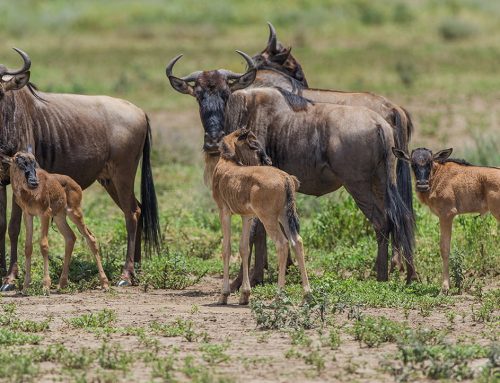
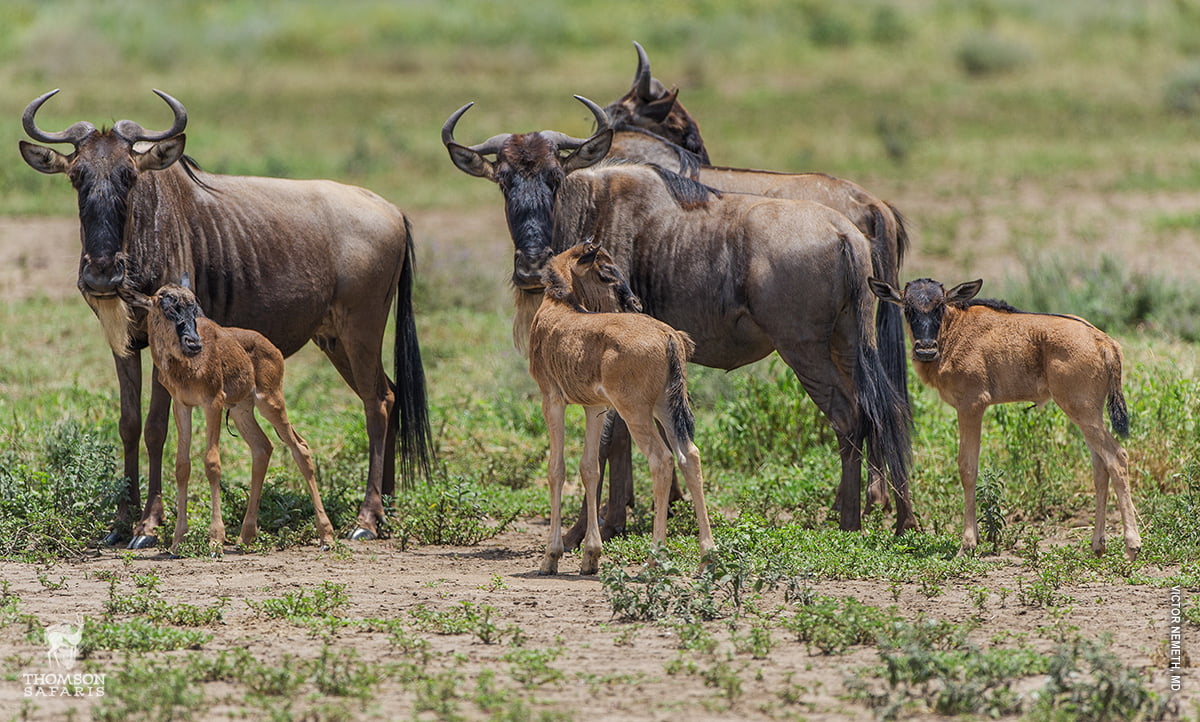
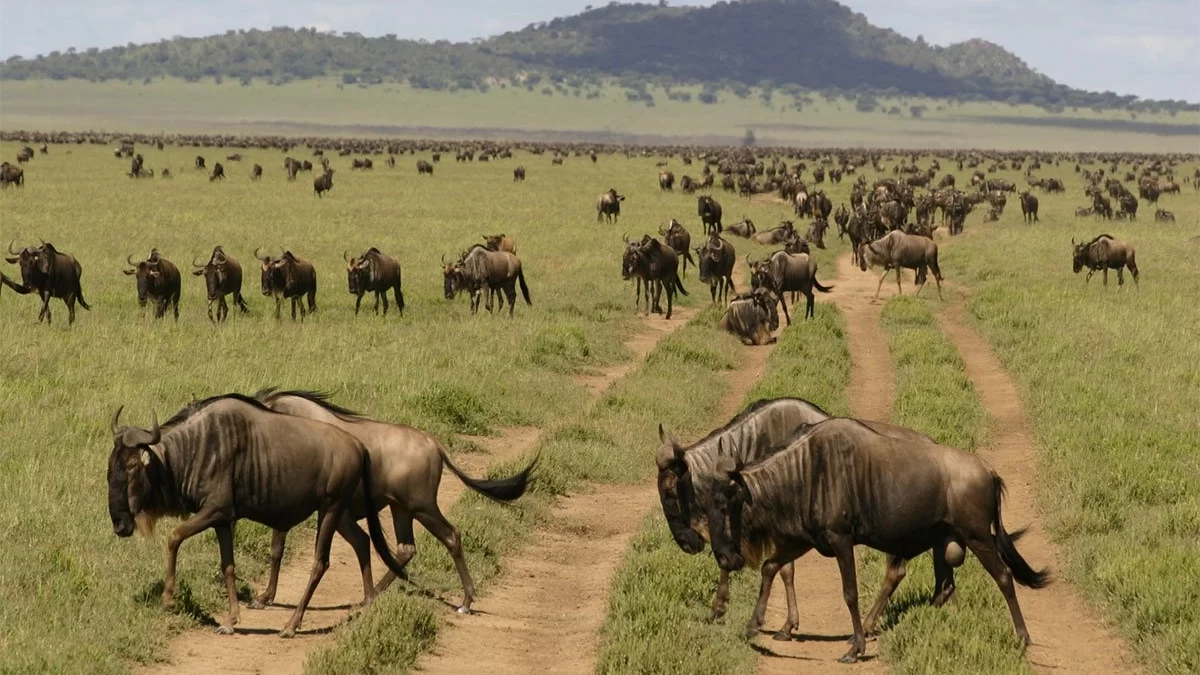
By June, the wildebeest herds are on the move in a more organized and determined way than at any earlier stage of the year. The scattered groups of April and May consolidate into larger formations, creating long, continuous columns that stretch across the plains.
The migration begins to flow through central Serengeti toward the northern regions. Areas such as Seronera act as key transition zones where herds pass through in large numbers.
The pace of movement increases significantly. Grazing becomes secondary to travel, as animals follow instinct and environmental cues toward better conditions.
This phase highlights the endurance and coordination of the migration. Watching thousands of animals move with purpose across vast landscapes offers one of the most iconic safari experiences.
The Role of the Grumeti River Crossings
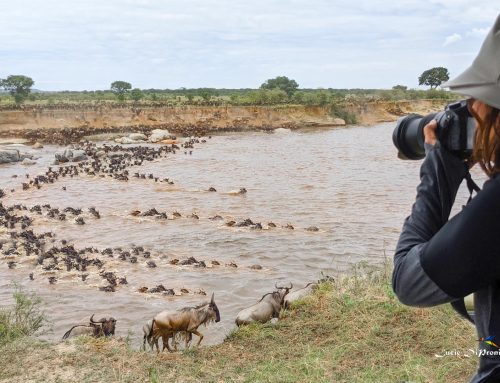
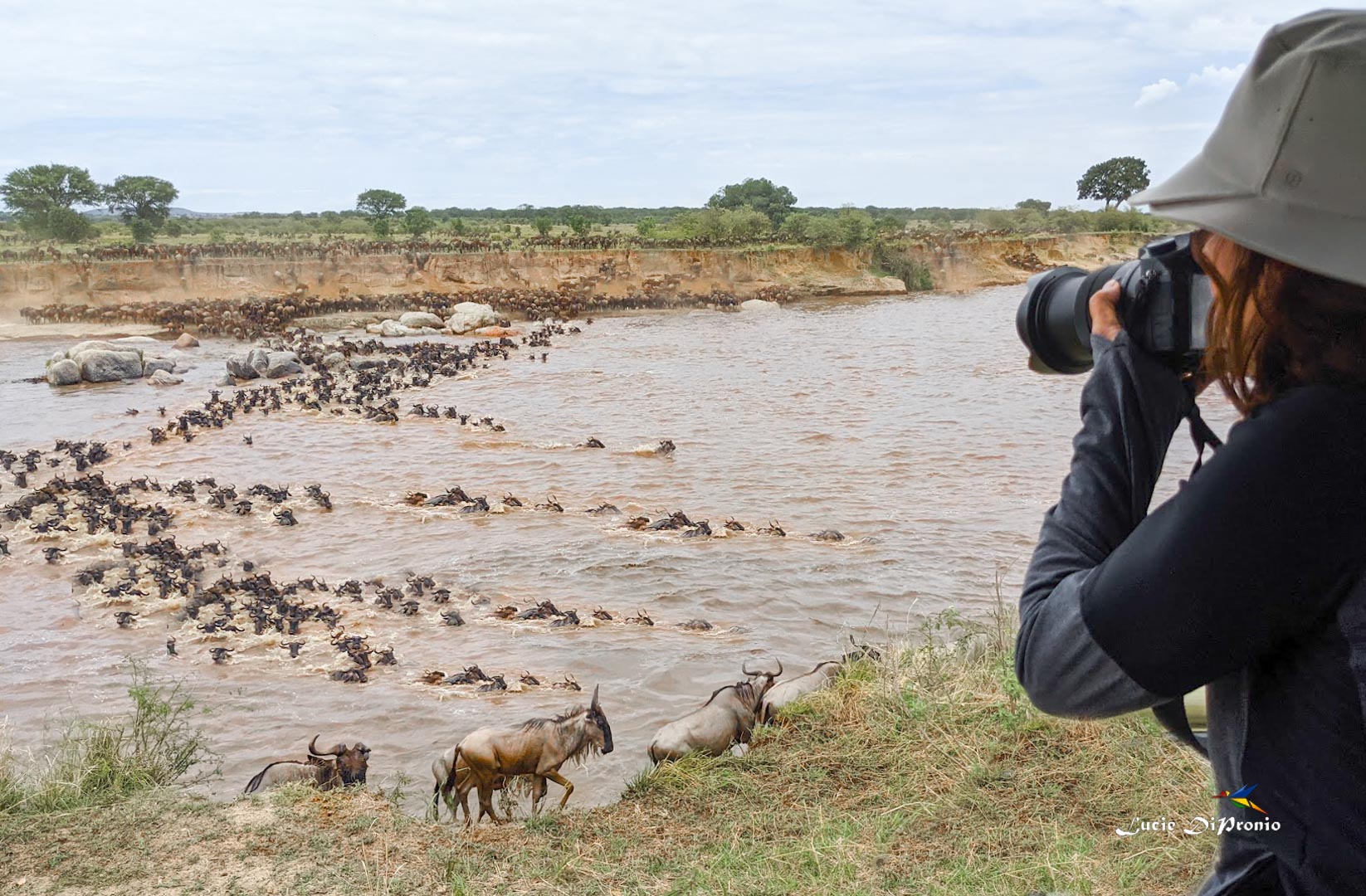
June introduces the first meaningful river-crossing activity of the migration, particularly around the Grumeti River in the western Serengeti. While not as famous as the Mara River crossings, these events are still dramatic and filled with tension.
Water levels in the Grumeti can vary, influencing the scale and frequency of crossings. In some years, crossings are less dramatic, while in others they provide intense wildlife action.
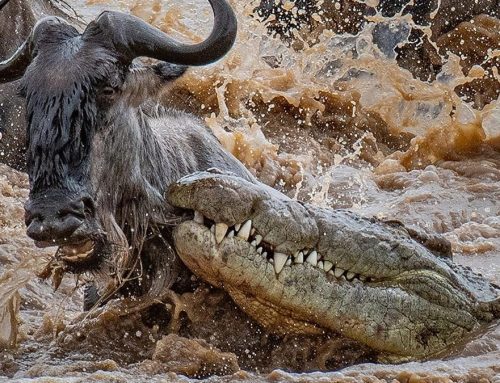
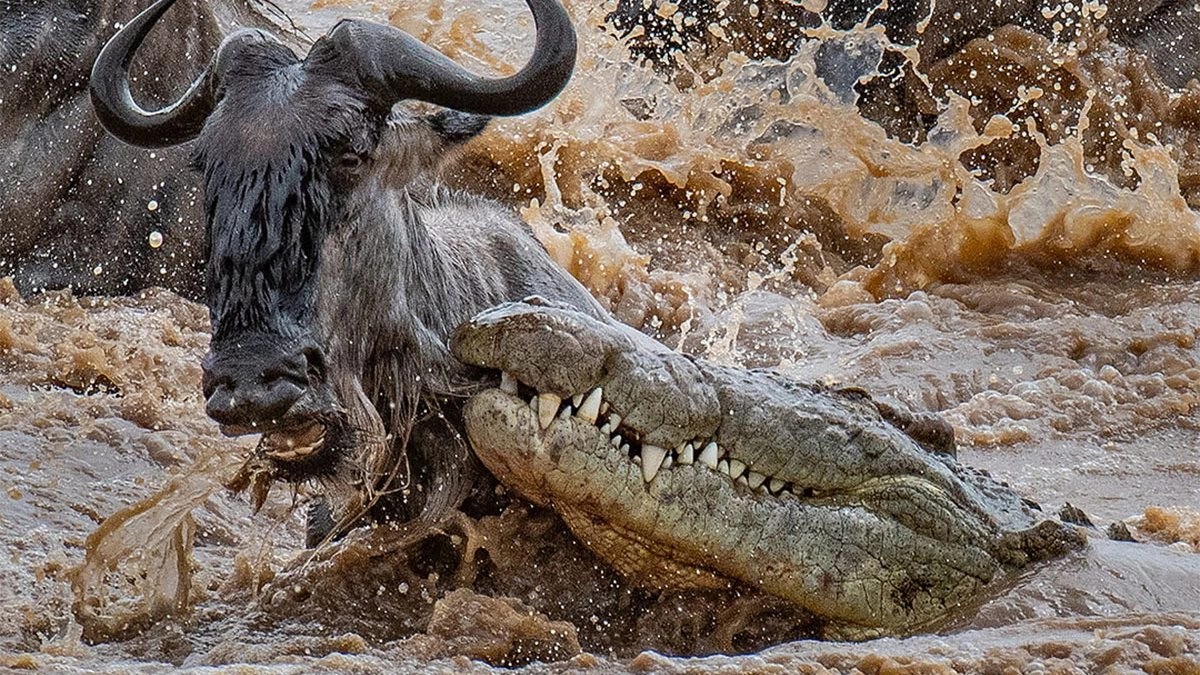
Large crocodiles inhabit the river, waiting for opportunities to ambush crossing animals. This adds an element of danger and unpredictability to the migration.
These early crossings serve as a precursor to what lies ahead. They build anticipation for the larger and more chaotic Mara River crossings later in the year.
Arrival in the Northern Serengeti
As June progresses, portions of the migration begin reaching the northern Serengeti, marking the next major stage of the journey. This region offers a different landscape, characterized by rolling hills, river systems, and open savannah.
The northern Serengeti becomes increasingly important as the dry season intensifies. Reliable water sources and fresh grazing attract the herds, encouraging them to remain in the area.
This region provides a more exclusive safari experience. Compared to central Serengeti, the northern areas are less crowded, offering a quieter and more intimate environment for wildlife viewing.
The approach to the Mara River begins. While major crossings typically peak later, June sets the stage for this iconic event.
Predator Activity During June
Predator activity remains strong as the migration moves northward, adapting to changing prey distribution. With large herds on the move, predators follow closely, maintaining the dynamic balance of the ecosystem.
Lions are particularly active along migration routes. They take advantage of predictable herd movements, positioning themselves strategically for ambushes.
Hyenas continue to thrive, often trailing the herds and exploiting both hunting and scavenging opportunities. Their adaptability makes them a constant presence throughout the migration.
Crocodiles become increasingly important near river systems. As crossings begin, these predators add a new dimension to the migration’s drama.
Cheetahs are still present, particularly in open areas. However, their role diminishes slightly as the landscape becomes more varied.
Landscape and Weather in June
June marks the beginning of the dry season in Tanzania, bringing clearer skies and more stable weather conditions. Rainfall decreases significantly, making travel and game drives more predictable.
The landscape begins to transition from lush green to golden hues. While some areas remain green, others start to dry out, creating a varied and visually interesting environment.
Temperatures are moderate and comfortable. Cooler mornings and evenings provide ideal conditions for safari activities.
Dust becomes more noticeable as the ground dries. This adds a dramatic element to the scenery, particularly when herds move in large numbers.
Safari Experience in June
June is considered one of the best months for a balanced safari experience. It combines active migration, improving weather, and increasing wildlife concentration.
Crowds begin to rise but are not yet at peak levels. This creates a good balance between accessibility and exclusivity.
Game drives are highly productive. With animals on the move and predators active, every outing offers the potential for memorable encounters.
The overall atmosphere is dynamic and exciting. The sense of anticipation builds as the migration approaches the northern rivers.
Photography Opportunities in June
June offers excellent conditions for wildlife photography. Clear skies and soft light create ideal shooting conditions, particularly during early mornings and late afternoons.
Dust and movement add drama to images. Herds kicking up dust create powerful and iconic scenes that capture the essence of the migration.
River crossings provide unique photographic opportunities. Even smaller crossings can produce compelling images of tension and movement.
The variety of landscapes enhances composition. From open plains to riverine environments, photographers have a wide range of subjects to explore.
Advantages of Visiting in June
June offers a perfect transition between seasons, combining the best elements of both green and dry periods. The landscape retains some greenery while benefiting from improved travel conditions.
Wildlife activity is high and diverse. The migration is in motion, and predators are actively following the herds.
Weather conditions are favorable. Reduced rainfall ensures more reliable game drives and easier logistics.
The experience remains relatively uncrowded compared to peak months. This allows for more enjoyable wildlife viewing.
Challenges to Consider
The exact timing of movement can vary. Not all herds reach the northern Serengeti at the same time, requiring flexible planning.
River crossings are less predictable than later in the year. Travelers may need patience to witness these events.
Accommodation demand begins to increase. Early booking is recommended to secure preferred options.
Dust can affect comfort and photography. However, it also adds a dramatic visual element to the experience.
Who Should Travel in June
June is ideal for travelers seeking a dynamic and evolving safari experience. It suits those who want to witness movement rather than static concentrations of wildlife.
It is perfect for first-time visitors. The combination of good weather, active migration, and manageable crowds makes it an excellent introduction to the Serengeti.
Photographers benefit from diverse conditions. The mix of landscapes, light, and movement provides endless creative opportunities.
Adventurous travelers will appreciate the unpredictability. The migration’s constant movement ensures a sense of discovery throughout the safari.
June in the Serengeti marks the beginning of the migration’s journey into the northern regions, setting the stage for the dramatic river crossings that define the dry season. It is a time of movement, anticipation, and ecological transition.
For safari travelers, June offers a balanced and rewarding experience, combining favorable weather, active wildlife, and the excitement of a migration in motion. From the first river crossings to the gathering herds in the north, this month captures the essence of one of nature’s greatest spectacles.
As the herds push forward toward the Mara River, June becomes the gateway to the most iconic moments of the Great Migration.