Great Migration July: What to Expect on the Ground
July marks the beginning of the most anticipated phase of the Great Migration, as vast herds of Blue Wildebeest push northward through Serengeti National Park toward the borders of Masai Mara National Reserve. For travellers planning a safari in 2026, July represents a transitional and highly dynamic period, where the migration begins to concentrate and build toward the dramatic river crossings of later months.
On the ground, July is defined by movement, anticipation, and shifting herd patterns, rather than constant high-intensity action. It is a month where understanding the migration’s rhythm is essential to fully appreciating the experience.
Herd Movement: The Northward Push Begins
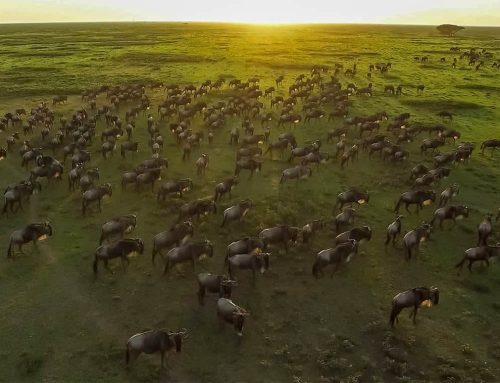
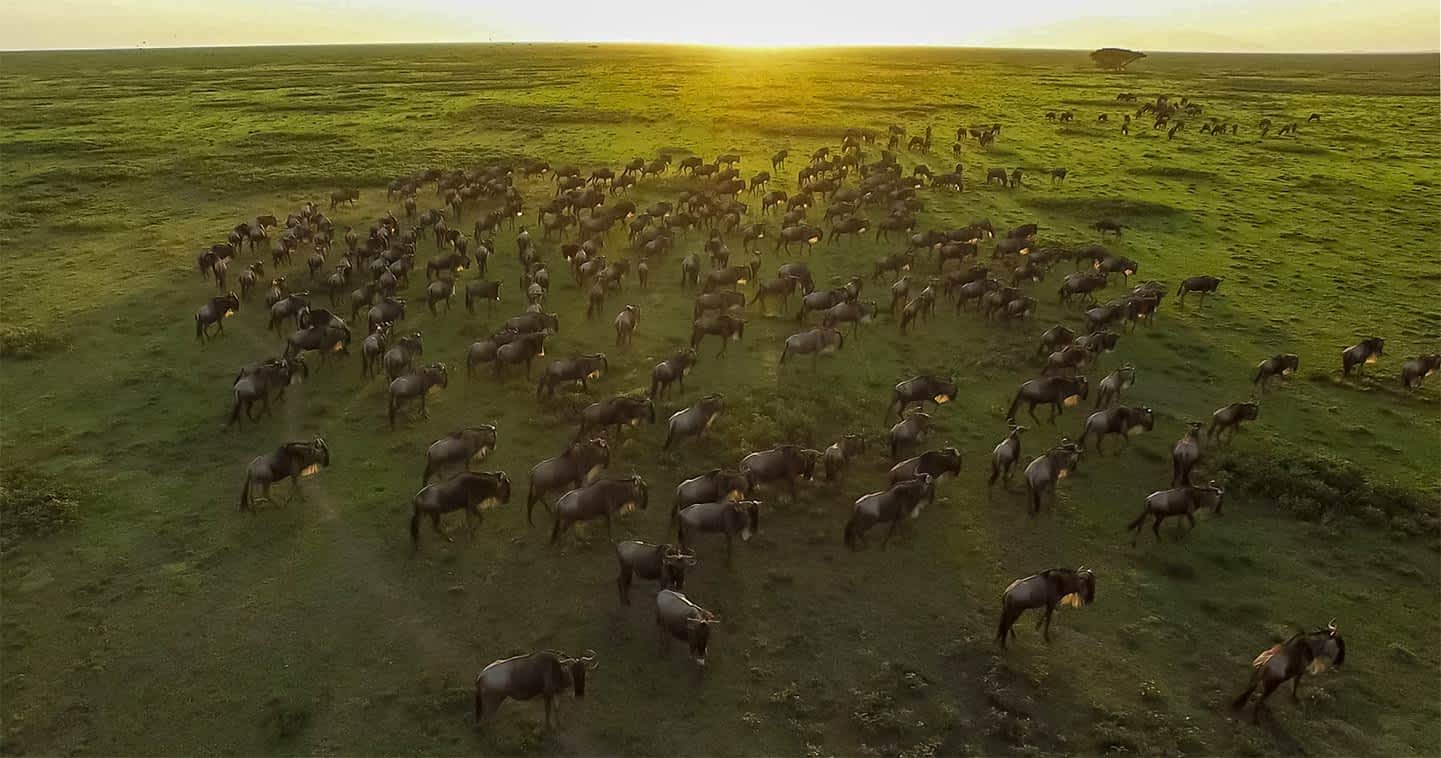
By July, the migration is in full motion, with herds leaving the central and western Serengeti and moving toward the northern regions. This movement is driven by dry season conditions, as the southern plains begin to lose their lush grazing.
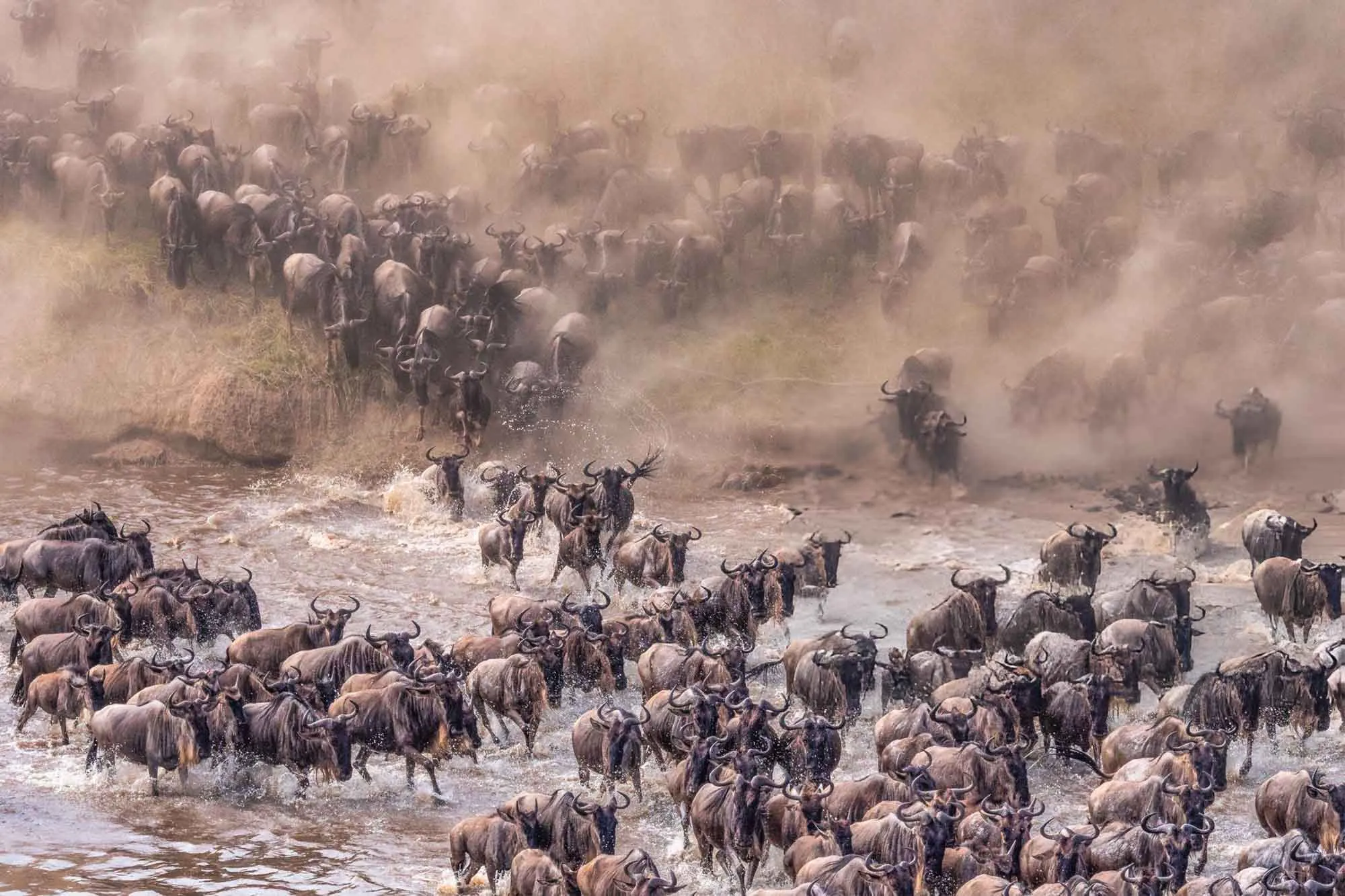
On the ground, this translates into long columns of wildebeest stretching across the savannah, often seen walking in determined lines toward greener pastures. The density of the herds begins to increase, particularly in the western corridor and northern Serengeti.
Unlike the calving season earlier in the year, July is less about stationary herds and more about continuous movement, giving travellers the chance to witness migration in its purest form.
Grumeti River Crossings: Early Action
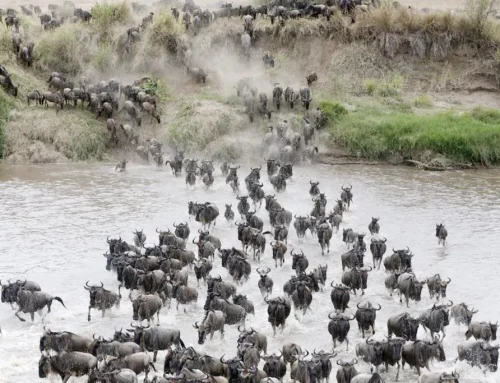
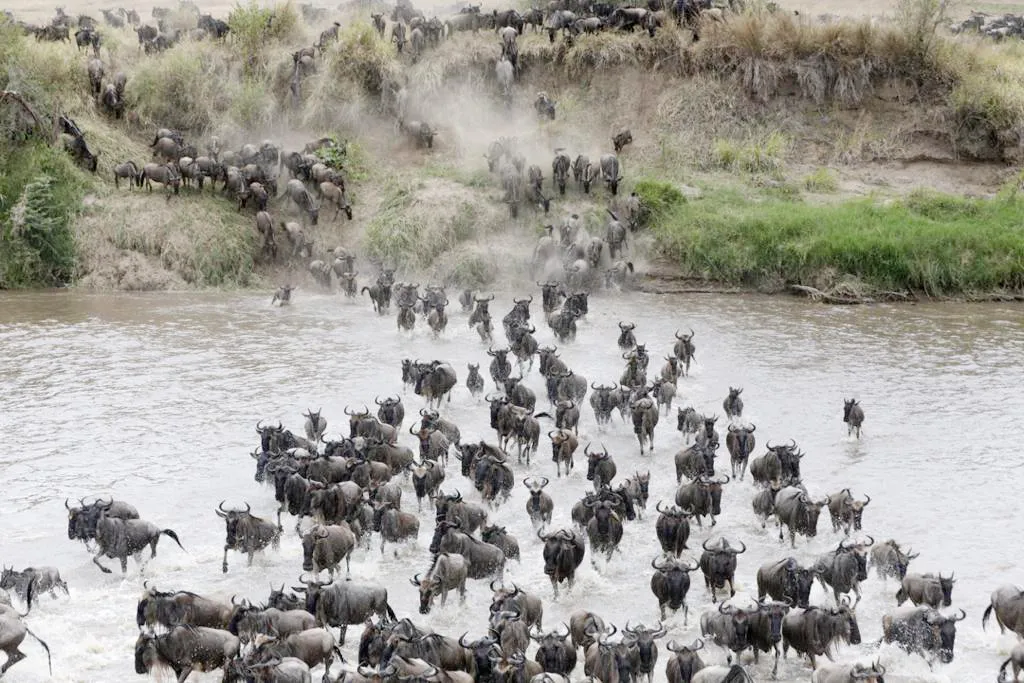
One of the key highlights in July is the Grumeti River crossing, located in the western Serengeti. These crossings are the first major water obstacles the herds face during their journey north.
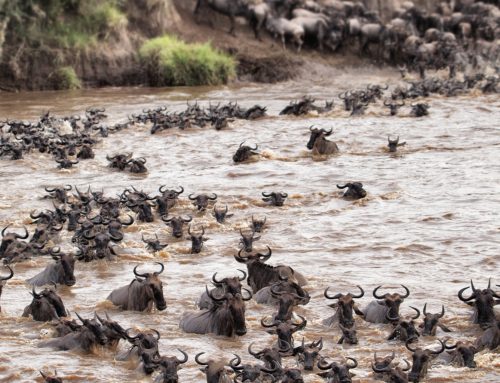
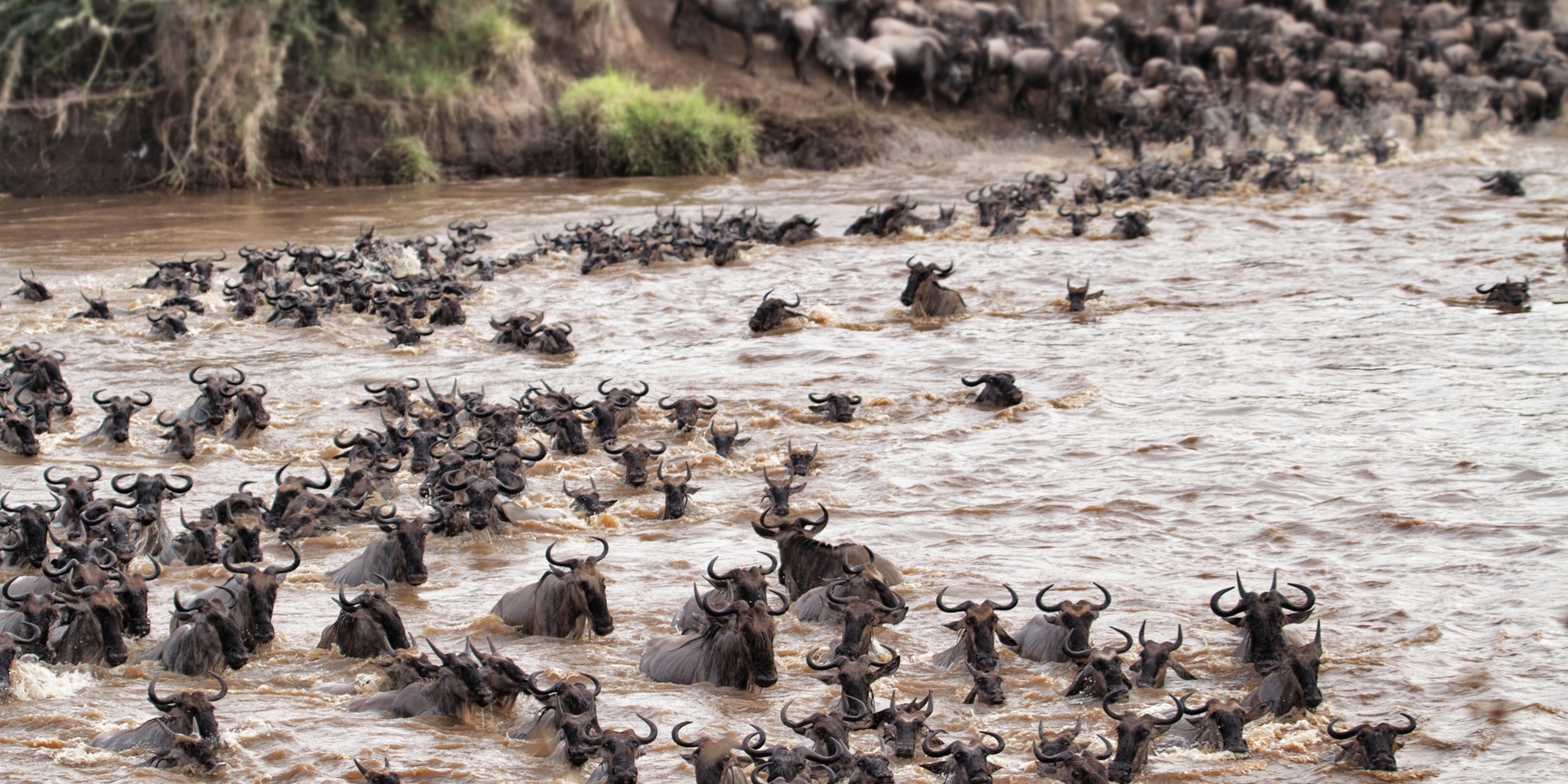
While not as large or famous as the Mara River crossings, the Grumeti crossings still offer dramatic and intense moments, often involving crocodile encounters and chaotic herd movement.
However, it is important to understand that crossings in July are less predictable and less frequent. Some travellers may witness multiple crossings, while others may see none, depending on herd positioning and timing.
Northern Serengeti Build-Up
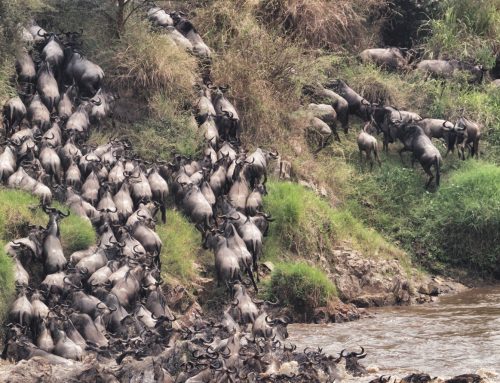
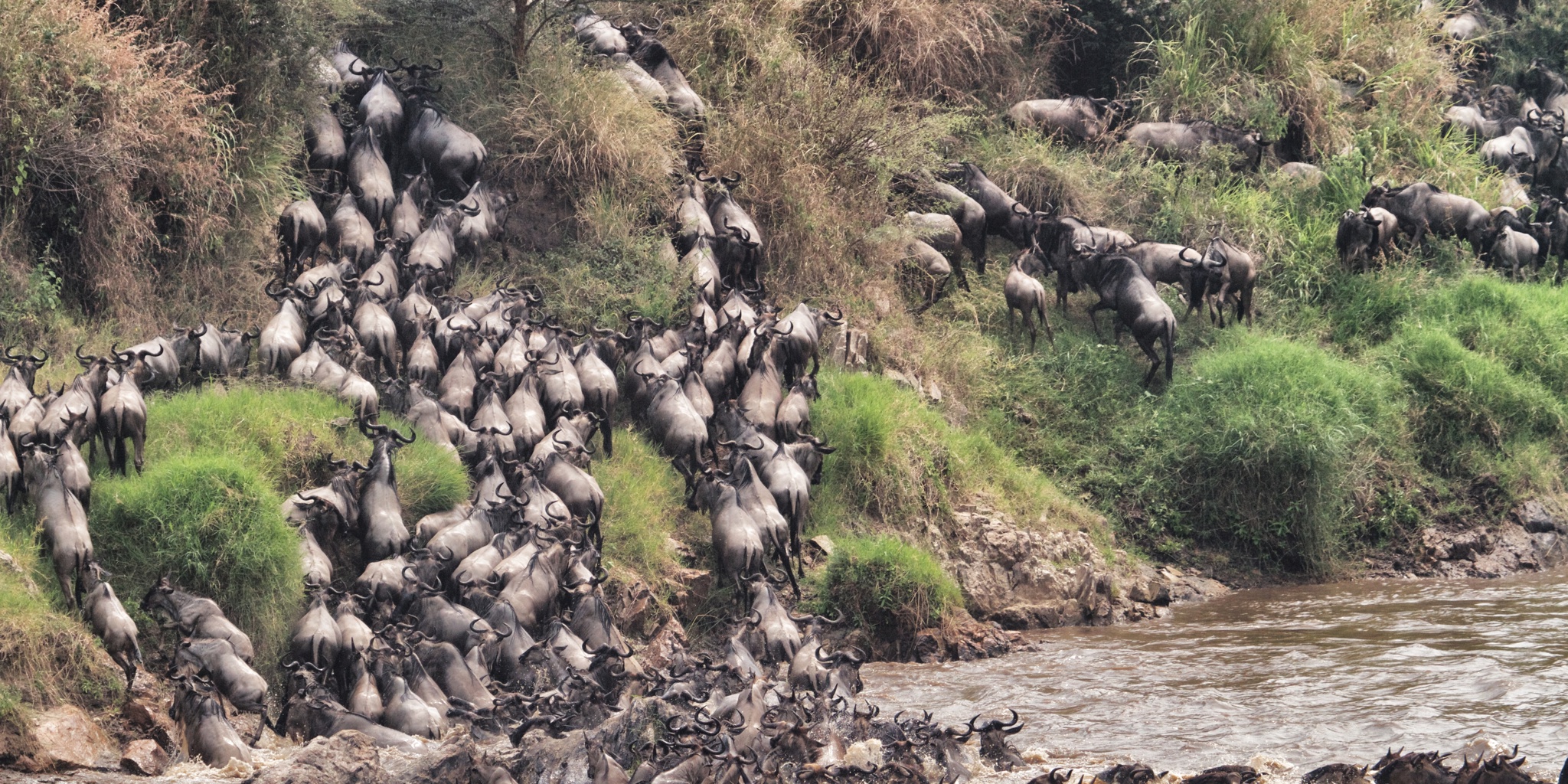
As July progresses, more herds reach the northern Serengeti, where they begin gathering near the Mara River. This creates a sense of anticipation, as animals cluster at crossing points but may hesitate for hours or even days before making the move.
On the ground, this period can involve waiting and tracking, with guides positioning vehicles near likely crossing areas. When a crossing finally happens, it can be sudden and short-lived, rewarding patience with an unforgettable spectacle.
This build-up phase is unique to July, offering a glimpse into the decision-making behavior of the herds, as they respond to environmental cues and group dynamics.
Predator Activity: Increasing Intensity
July sees a rise in predator activity, as lions, hyenas, and crocodiles position themselves along migration routes. The concentration of prey attracts predators, leading to more frequent sightings and interactions.
In the western Serengeti and northern regions, travellers may witness stalking behavior, coordinated hunts, and opportunistic feeding, particularly near riverbanks and grazing areas.
While predator action is not guaranteed, July offers a strong balance between migration movement and predator presence, making it an exciting time for wildlife enthusiasts.
Landscape and Weather Conditions
July falls firmly within the dry season, bringing cooler temperatures, clear skies, and reduced vegetation. This has several advantages for safari-goers.
Visibility improves significantly, making it easier to spot wildlife across open plains. Roads are generally in good condition, allowing for smoother game drives and access to remote areas.
The landscapes take on a golden, dusty appearance, creating classic safari scenery that is ideal for photography. Early mornings and evenings can be cool, while midday temperatures remain comfortable.
Crowd Levels and Safari Atmosphere
July marks the beginning of peak safari season, but it is generally less crowded than August and September. This creates a balance between good wildlife action and manageable visitor numbers.
Popular areas, especially near river crossing points, may attract multiple vehicles, but there are still opportunities to find quieter locations with experienced guides.
For many travellers, July offers a more authentic and less congested experience compared to the busier months that follow.
Photography Opportunities
July is an excellent month for photography, particularly for capturing movement and landscape compositions. The migrating herds create leading lines, dust clouds, and dynamic group formations, all of which add depth and drama to images.
While river crossings may be less frequent, the build-up and movement of herds provide unique storytelling opportunities, showcasing the journey rather than just the climax.
The dry season lighting conditions, combined with open terrain, make it easier to capture clear, well-lit wildlife images throughout the day.
The Reality of Timing
One of the most important aspects of July safaris is flexibility. The migration does not follow a strict calendar, and herd locations can vary depending on rainfall patterns.
Travellers should be prepared for variation in herd density and activity, even within the same region. Working with experienced guides and allowing multiple days in key areas significantly increases the chances of witnessing memorable moments.
Understanding that July is a transitional month rather than a peak crossing period helps set realistic expectations and enhances the overall experience.
Who Should Travel in July
July is ideal for travellers who value movement and atmosphere over guaranteed dramatic events. It suits those who want to see the migration unfolding in real time, rather than focusing solely on river crossings.
It is also a great choice for visitors seeking good wildlife viewing, pleasant weather, and slightly lower crowds compared to peak months.
For photographers and nature enthusiasts, July provides a balanced and dynamic safari experience, combining migration movement, predator activity, and scenic landscapes.
Conclusion
The Great Migration in July offers a unique and evolving safari experience, defined by movement, anticipation, and the early stages of river crossings. As the herds travel through the Serengeti toward the Masai Mara, travellers witness the migration’s energy and scale building toward its peak.
While it may not guarantee the dramatic river crossings of August and September, July provides a more relaxed and immersive perspective, allowing visitors to appreciate the journey as much as the destination.
For those planning a safari in 2026, July remains one of the most rewarding months to experience the Great Migration on the ground—offering authentic wildlife encounters, stunning landscapes, and the excitement of a natural phenomenon in motion.