Great Migration February: Best Time for Calving Season Predators
Overview of February in the Great Migration
February stands as the absolute peak of the Great Migration calving season, when the southern plains of Tanzania erupt with life, vulnerability, and intense predator activity. During this month, the highest concentration of wildebeest births occurs across the short-grass plains, creating one of the most dramatic wildlife spectacles on Earth. For safari travelers, February offers a rare opportunity to witness both the beginning of life and the relentless reality of survival in the wild.
The action is centered in the Ndutu region, spanning the southern Serengeti National Park and the Ngorongoro Conservation Area. Here, nutrient-rich grasses and open landscapes attract massive herds of wildebeest, zebra, and gazelles. At the same time, predators converge in large numbers, drawn by the abundance of vulnerable newborns.
For those seeking high-intensity wildlife encounters, February is widely considered the best time to witness predator-prey interactions during the Great Migration. It is a month defined by movement within the plains rather than long-distance migration, offering concentrated wildlife viewing and continuous action.
The Peak of the Calving Season
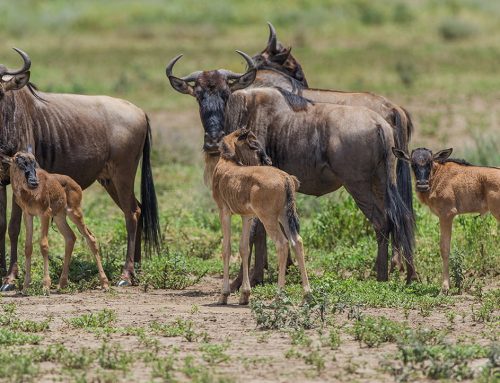
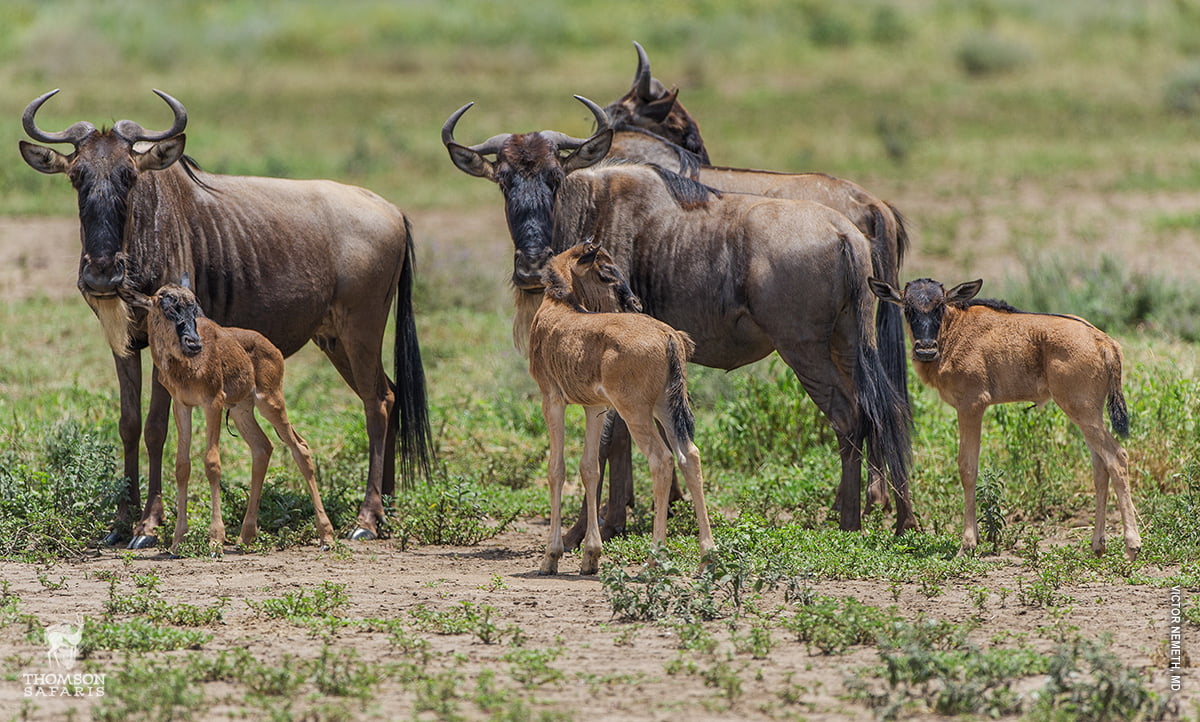
February marks the height of wildebeest calving, with an estimated 400,000 to 500,000 calves born within a few short weeks. This synchronized birthing strategy is a powerful evolutionary adaptation, overwhelming predators with sheer numbers and increasing the survival rate of the species.
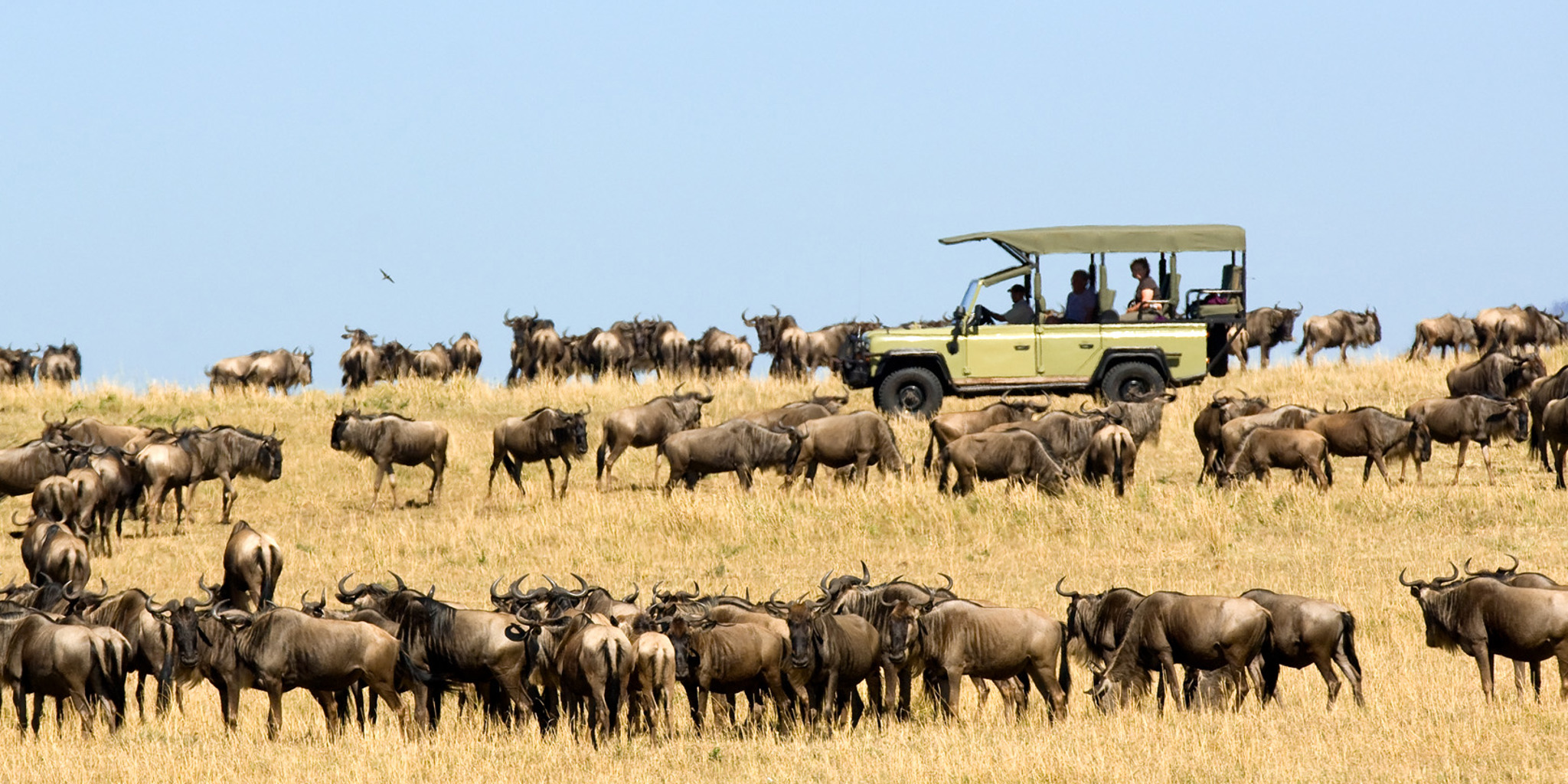
The plains of Ndutu transform into a vast nursery. Everywhere you look, newborn calves are taking their first steps, bonding with their mothers, and learning to navigate the open savannah. The density of wildlife during this period is extraordinary, creating an immersive and almost surreal safari experience.
Newborn wildebeest are incredibly quick to adapt. Within minutes of birth, they can stand, and within hours, they are capable of running. This rapid development is essential in an environment where danger is constant and survival depends on mobility.
Why February is the Best Month for Predator Action
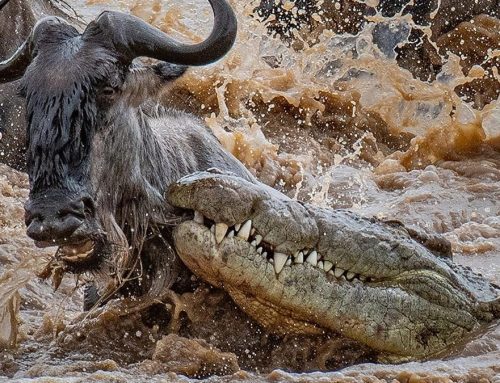
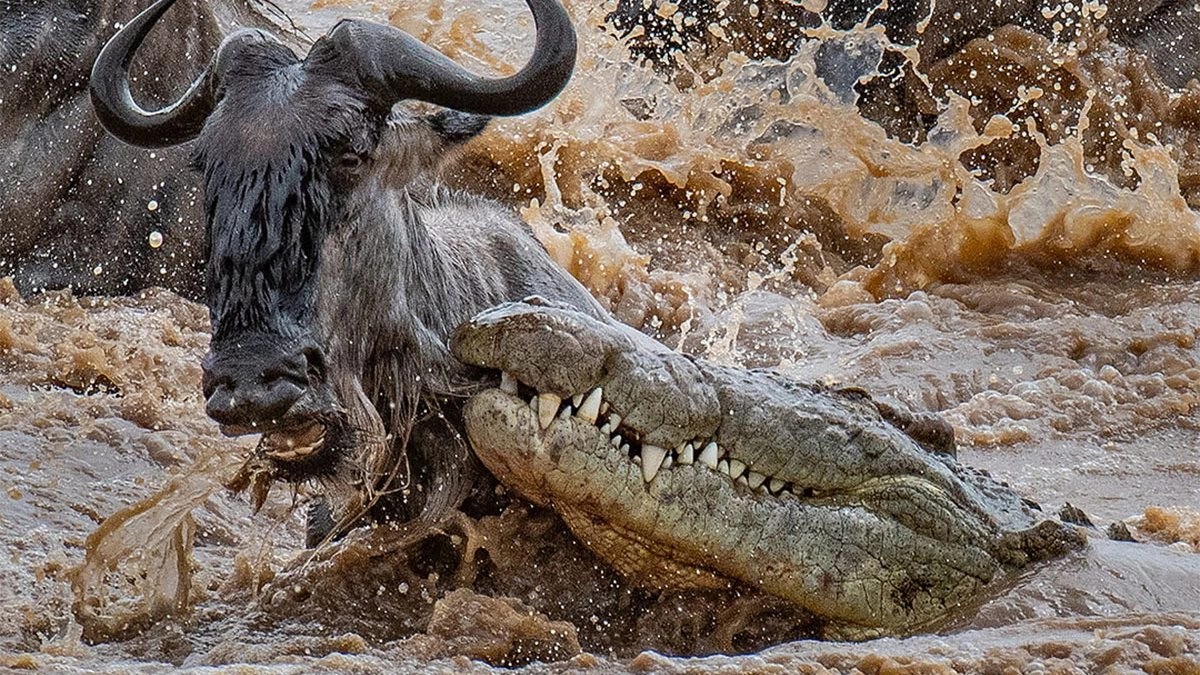
February offers the highest concentration of predator activity in the entire migration cycle. The abundance of inexperienced and vulnerable calves provides an easy food source, attracting predators from across the ecosystem.
Lions are particularly active during this time. Large prides patrol the plains, often hunting multiple times a day. The open terrain allows for dramatic chases and strategic ambushes, providing exceptional viewing opportunities.
Cheetahs thrive in February’s conditions. The flat, open grasslands of Ndutu are ideal for their high-speed hunting style, and the presence of young calves increases their success rate. Observing a cheetah hunt in this environment is one of the most thrilling experiences in African wildlife viewing.
Hyenas and jackals also play a significant role. Often seen scavenging or hunting in groups, these predators contribute to the dynamic and competitive ecosystem. Their presence adds another layer of complexity to the predator-prey interactions unfolding across the plains.
The result is near-constant action. Unlike other times of the year when predator sightings can be sporadic, February delivers consistent and dramatic encounters, making it a dream period for wildlife enthusiasts and photographers.
Ndutu Plains: The Perfect Predator Arena
The Ndutu region provides the ideal setting for predator activity during the calving season. Its open landscapes allow predators to spot prey from a distance while also giving prey animals a chance to detect approaching danger. This balance creates a dynamic and visually accessible ecosystem.
Short-grass plains enhance visibility. Unlike the taller vegetation found in other parts of the Serengeti, Ndutu’s grasslands make it easier to follow hunts and observe animal behavior in detail.
Seasonal water sources attract both prey and predators. Lakes and temporary waterholes become focal points of activity, drawing animals together and increasing the likelihood of encounters.
The ability to drive off-road in designated areas further enhances the experience. This allows guides to position vehicles strategically for optimal viewing, ensuring that visitors do not miss key moments.
Wildlife Density and Diversity in February
February offers one of the highest wildlife densities in Africa. In addition to wildebeest, large herds of zebra and Thomson’s gazelles share the plains, creating a diverse and vibrant ecosystem.
Elephants, giraffes, and buffalo are also present in surrounding areas. These species add variety to game drives and provide opportunities to observe different aspects of African wildlife.
Birdlife flourishes during this period. The green season attracts migratory birds and enhances the presence of resident species, making Ndutu a rewarding destination for birdwatchers.
This diversity ensures that every game drive is unique. Whether observing predator hunts, herd movements, or bird activity, February provides a constantly changing and engaging safari experience.
Weather and Landscape Conditions
February falls within the green season, characterized by short, refreshing rains that sustain the ecosystem. These rains are typically brief and followed by sunshine, creating ideal conditions for both wildlife and visitors.
The landscape is lush and vibrant. Fresh grass covers the plains, providing a stunning backdrop for wildlife viewing and photography. The contrast between green vegetation and animal movement creates visually striking scenes.
Temperatures are warm but comfortable. Daytime temperatures usually range between 25°C and 30°C, with cooler mornings and evenings. This climate supports both wildlife activity and enjoyable safari conditions.
Best Safari Strategies for February
Timing your game drives is crucial for maximizing predator sightings. Early mornings and late afternoons are the most active periods, as predators take advantage of cooler temperatures to hunt.
Choosing the right accommodation enhances your experience. Staying within the Ndutu area allows for quick access to wildlife hotspots and longer game drives without extended travel time.
Working with experienced guides is essential. Skilled guides understand predator behavior and can anticipate movements, positioning you for the best possible sightings.
Flexibility remains key. While February is highly predictable in terms of wildlife presence, daily movements can vary, so adapting your schedule ensures optimal viewing opportunities.
Photography Opportunities in February
February is one of the best months for wildlife photography in Africa. The combination of abundant wildlife, dramatic interactions, and lush landscapes creates ideal conditions for capturing powerful images.
Lighting conditions are excellent. Early morning and late afternoon light adds warmth and depth to photographs, enhancing textures and colors.
Behavioral photography is at its peak. From predator hunts to maternal interactions, the range of subjects is vast and dynamic, offering endless opportunities for compelling storytelling through images.
Why February is Unmatched for the Great Migration
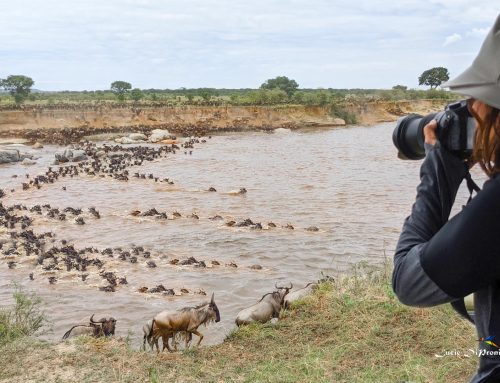
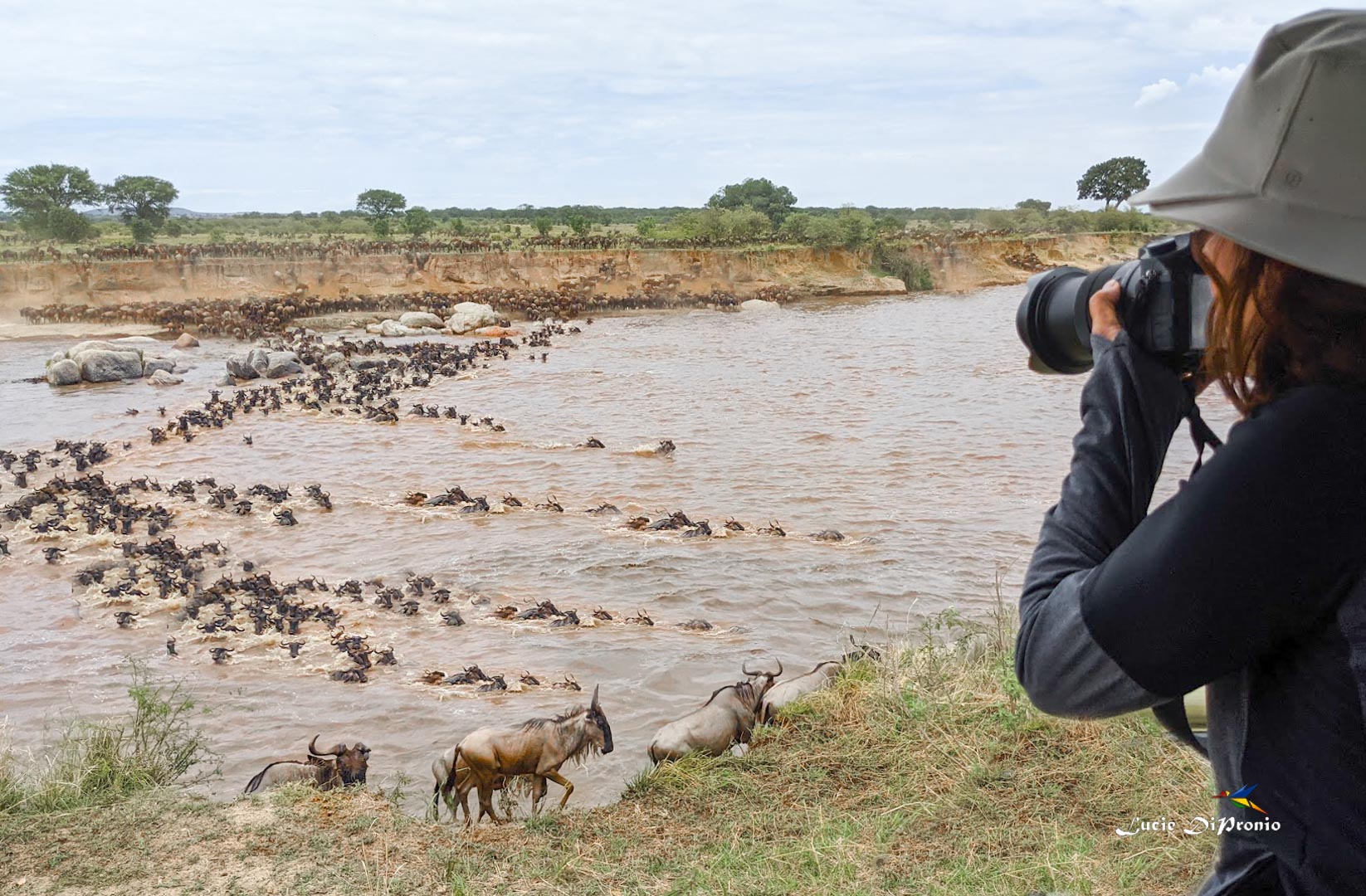
February offers a unique blend of life, death, and survival that defines the essence of the Great Migration. Unlike river crossing months that focus on movement, this period highlights the cycle of renewal and the challenges faced by newborn animals.
The concentration of both prey and predators ensures continuous action. This makes February one of the most exciting and rewarding times to visit the Serengeti ecosystem.
For travelers seeking intensity and authenticity, February delivers an unmatched safari experience. Every moment on the plains is filled with anticipation, making it one of the most memorable times to witness Africa’s wildlife.
February in Ndutu is the pinnacle of the calving season, offering unparalleled opportunities to witness predator-prey interactions at their most intense. With thousands of births occurring and predators actively hunting, the plains become a stage for one of nature’s most dramatic spectacles.
For safari enthusiasts, photographers, and wildlife lovers, this is one of the best times to experience the Great Migration in its rawest and most authentic form. The combination of abundant wildlife, dynamic interactions, and breathtaking landscapes ensures a truly unforgettable journey into the heart of Africa.