Great Migration Drone Footage: What You Need to Know
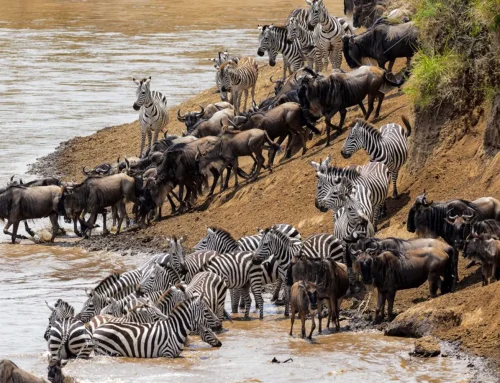
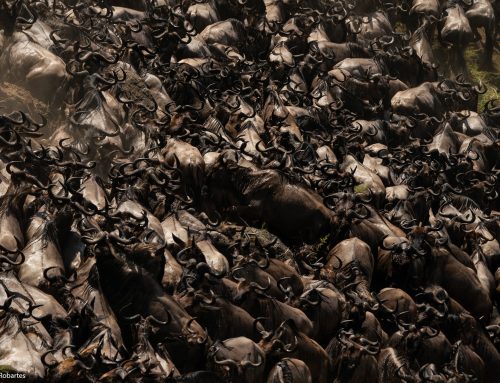
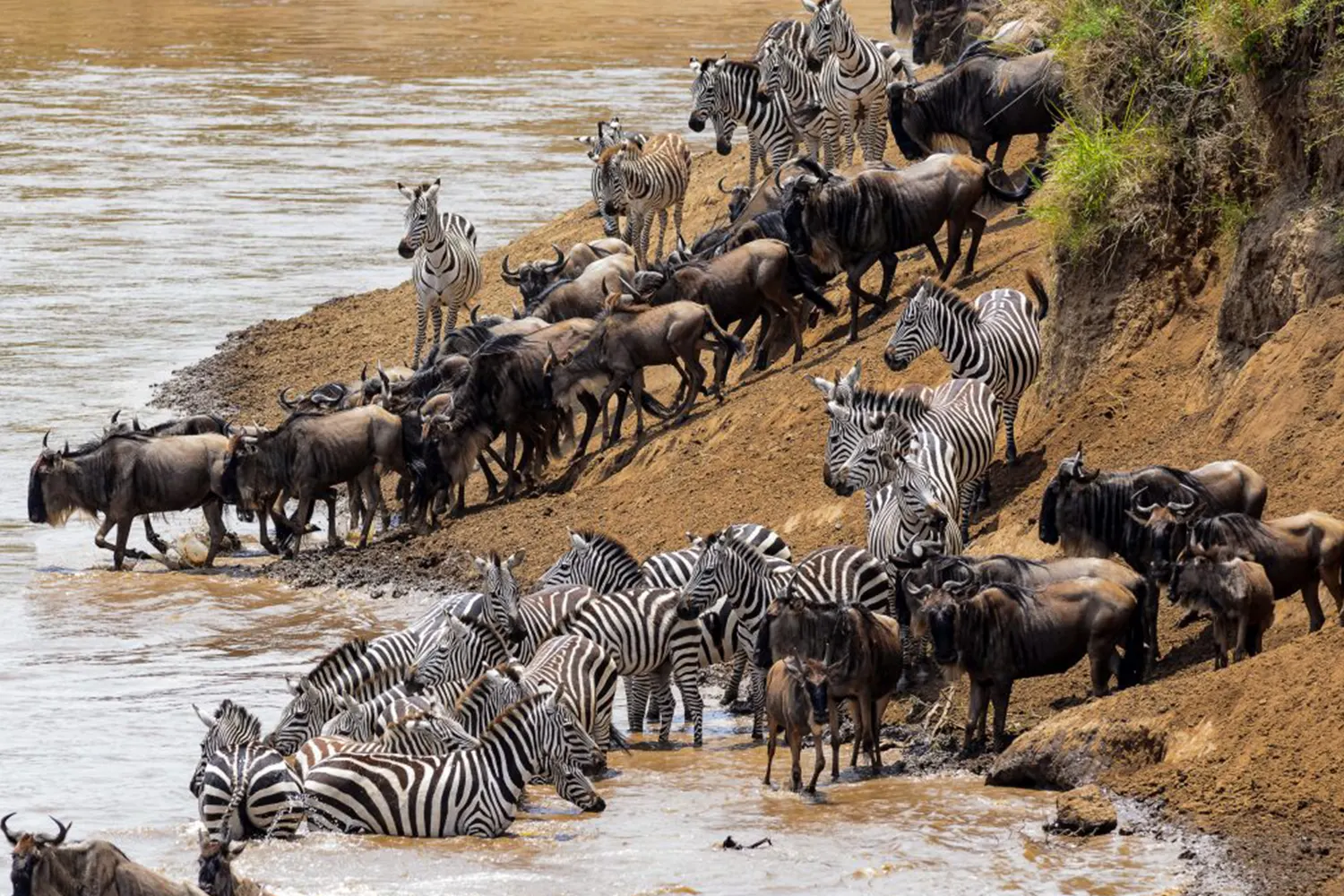
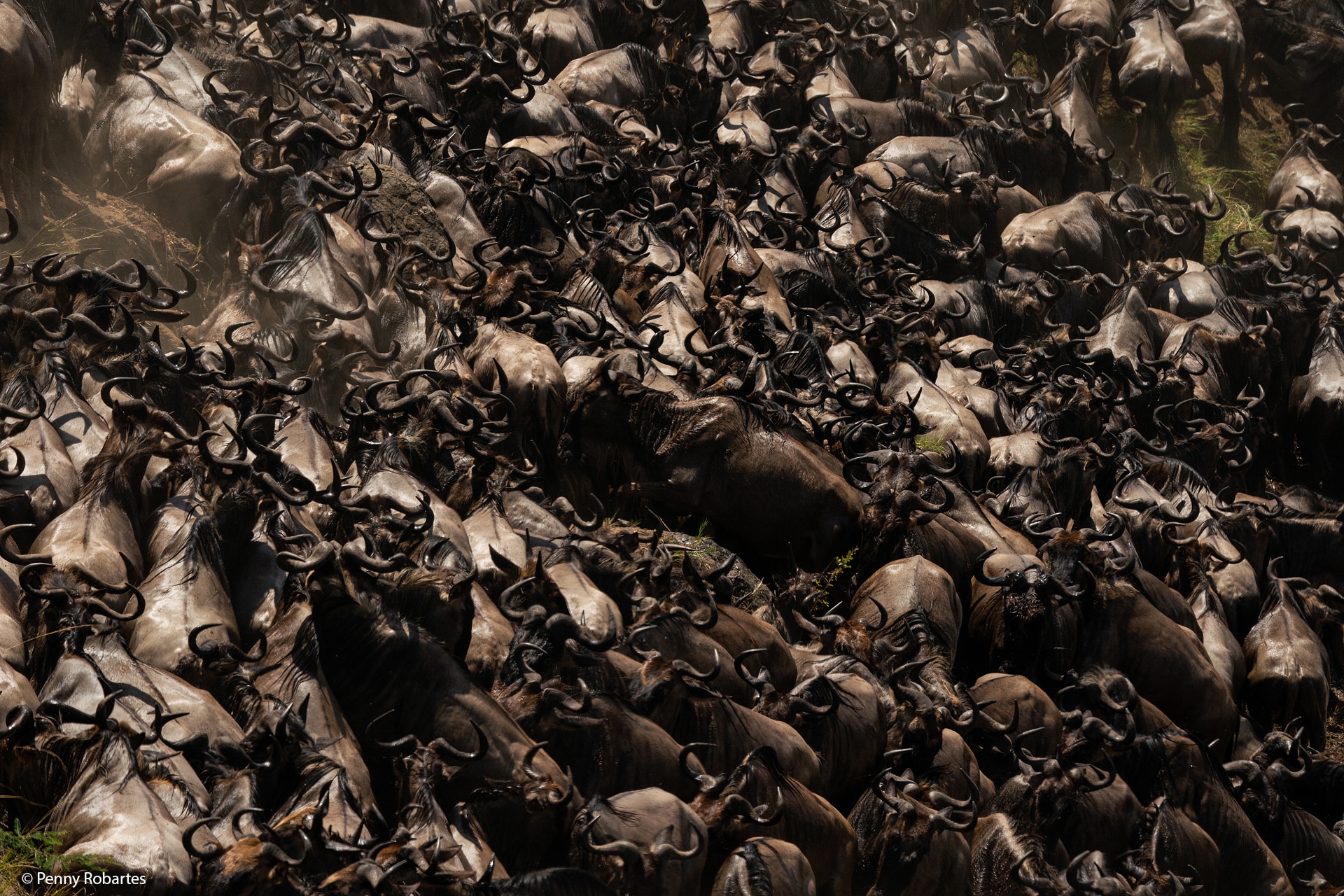
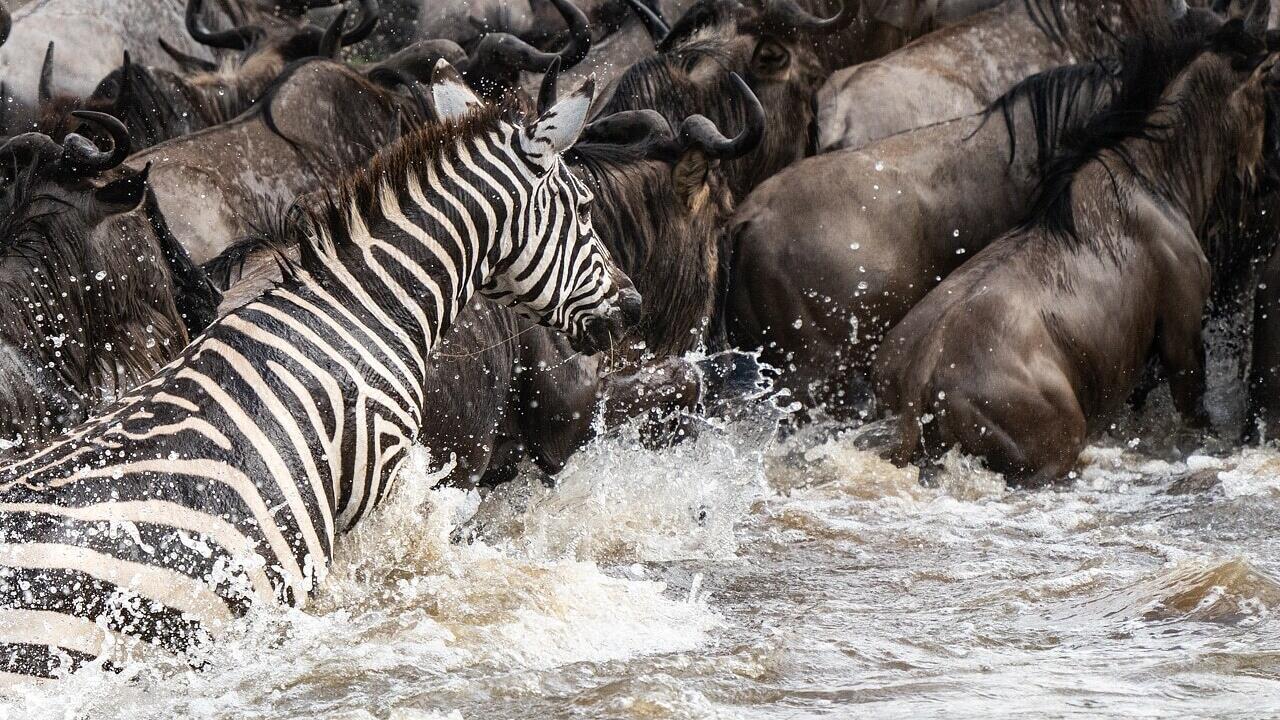
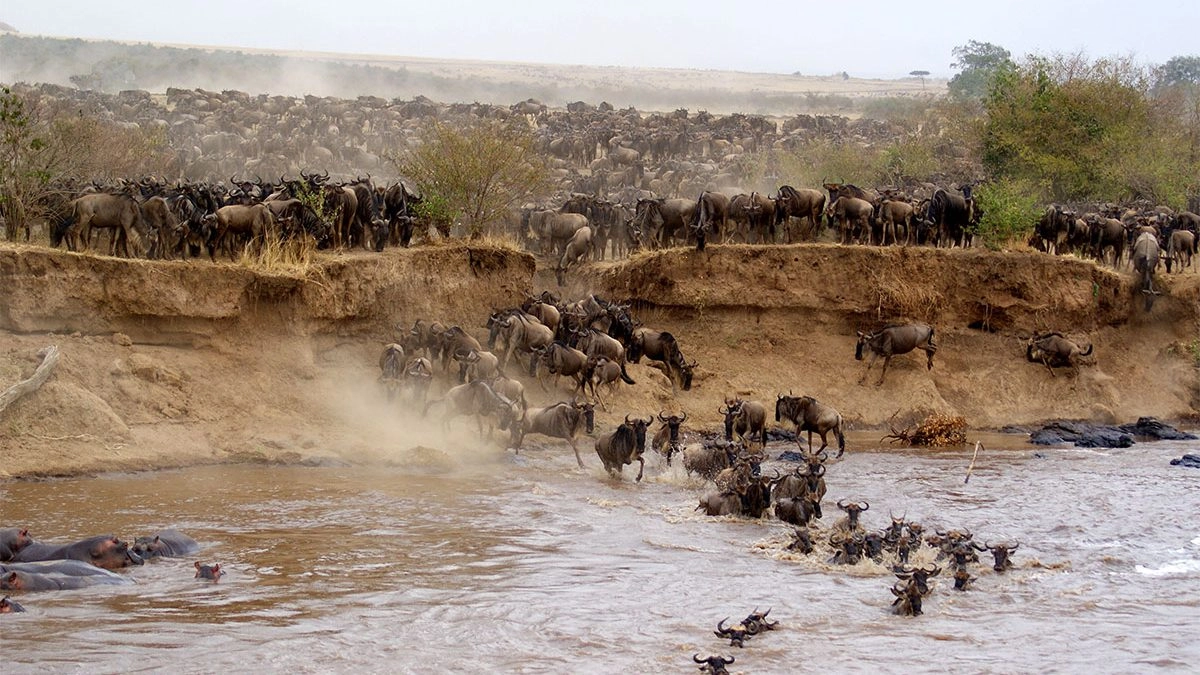
The Great Wildebeest Migration is one of the most spectacular natural events on Earth. Millions of wildebeest, zebras, and gazelles traverse the plains of the Serengeti and Masai Mara, creating scenes of raw, breathtaking beauty. Naturally, many travelers and filmmakers dream of capturing this event from the sky with a drone.
But is drone use allowed in these parks? The answer is complicated. While drones can give stunning aerial footage, strict rules govern their use in both Tanzania and Kenya.
Drone Regulations in Tanzanian Parks
In Tanzania, the use of drones in national parks such as Serengeti, Ngorongoro, Tarangire, Selous, and Ruaha is heavily restricted.
- Permit Required: You must obtain permission from the Tanzania Wildlife Authority (TAWA) before flying a drone.
- Purpose Matters: Applications require a clear purpose, whether for research, filmmaking, or private use.
- Rules for Flying: Drones cannot disturb wildlife. Specific height and flight paths must be followed, and commercial filming requires extra fees and insurance.
- Penalties: Unauthorized drones may be confiscated, and users can face fines or legal action.
Drone Regulations in Kenyan Parks
Kenya has some of the strictest drone regulations in Africa:
- National Parks Prohibition: Flying drones in parks such as the Masai Mara, Amboseli, Tsavo, and Samburu is not allowed for casual tourists.
- Permit for Filmmakers: Only approved commercial or research projects with KWS permits are permitted to use drones.
- Consequences: Unauthorized flights can lead to confiscation, fines, and even criminal charges.
Great Migration Drone Footage
Why Drones Are Restricted
Drones are restricted in national parks for several key reasons:
- Wildlife Disturbance: Loud drones can stress animals, disrupt predator-prey interactions, and interfere with the migration patterns of wildebeest and zebras.
- Safety Concerns: Drones flying near trees, vehicles, or animals can pose a hazard.
- Tourist Experience: Drone noise can disrupt the natural serenity of a safari.
- Conservation and Research: Controlling aerial access ensures accurate wildlife monitoring and reduces poaching risks.
Legal Alternatives for Capturing Aerial Footage
Even if you cannot fly your own drone, there are ways to capture aerial perspectives legally:
- Professional Filmmakers: Work with TAWA or KWS-approved drone operators. These professionals have permits and insurance to film legally in parks.
- Hot Air Balloon Safaris: Many lodges and conservancies offer balloon rides over the Mara and Serengeti. Balloons provide safe, panoramic views ideal for photography and filming.
- Scenic Flights: Small aircraft tours give aerial perspectives of the migration without violating drone regulations.
- Conservancy Experiences: Some private conservancies like Olare Motorogi, Naboisho, and Ol Kinyei may allow drones with specific permits, though this is rare and strictly monitored.
Tips for Drone Enthusiasts
- Check Local Regulations: Always confirm rules for drone use before entering a park.
- Plan in Advance: Secure permits months ahead if filming professionally.
- Hire Licensed Operators: Using certified drone companies ensures compliance and safety.
- Respect Wildlife: Never fly too close to animals. Disturbance can cause stress or disrupt natural behavior.
- Insurance: Many parks require liability coverage for drone operations.
Final Thoughts
Capturing the Great Migration from the sky is an alluring idea, but unauthorized drone use is strictly prohibited in both Tanzanian and Kenyan parks. Attempting to fly without permits not only risks fines and confiscation but can also harm wildlife and disrupt one of nature’s most incredible phenomena.
For travelers and photographers, the best approach is to rely on authorized drone operators, scenic flights, or balloon safaris. These options provide breathtaking aerial views while keeping wildlife safe and preserving the integrity of the parks.
By following the rules, you can experience the Great Migration from above safely and responsibly — capturing unforgettable footage while respecting one of the planet’s most precious wildlife spectacles.
If you like, I can also create a full guide on approved ways to get aerial footage of the Great Migration, including hot air balloons, small aircraft tours, and professional drone operators, with tips for photography and filming.