Great Migration December: Where Are the Herds?
December marks a critical stage in the Great Migration, as the herds of Blue Wildebeest settle into the southern Serengeti for the start of the main calving season. For travellers planning a safari in 2026, this month offers a unique window to observe one of nature’s most dramatic cycles, with thousands of newborn wildebeest interacting with predators in lush, green landscapes.
Unlike the northern Serengeti and Mara River focus of August to October, December is all about concentration, birth, and predator-prey dynamics. This is the time when the southern plains teem with life, creating a highly productive and photogenic safari environment.
Herd Location and Concentration
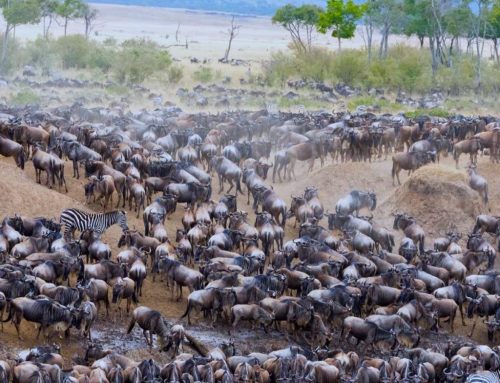
By December, the majority of the herds have moved south from the central and northern Serengeti and Masai Mara, focusing on areas with fresh grazing and suitable calving conditions. Key zones include the Ndutu and Ngorongoro Conservation Area, as well as parts of the southern Serengeti plains.
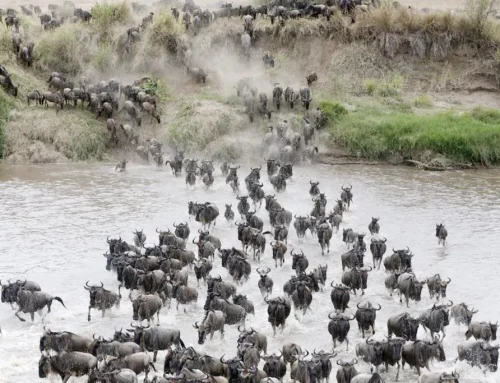
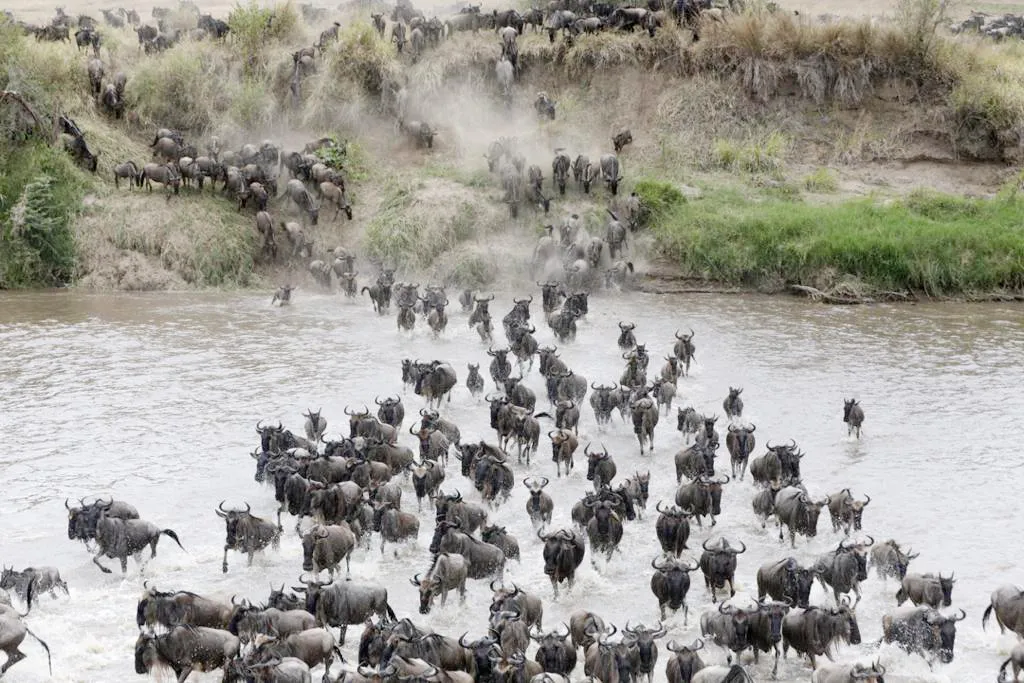
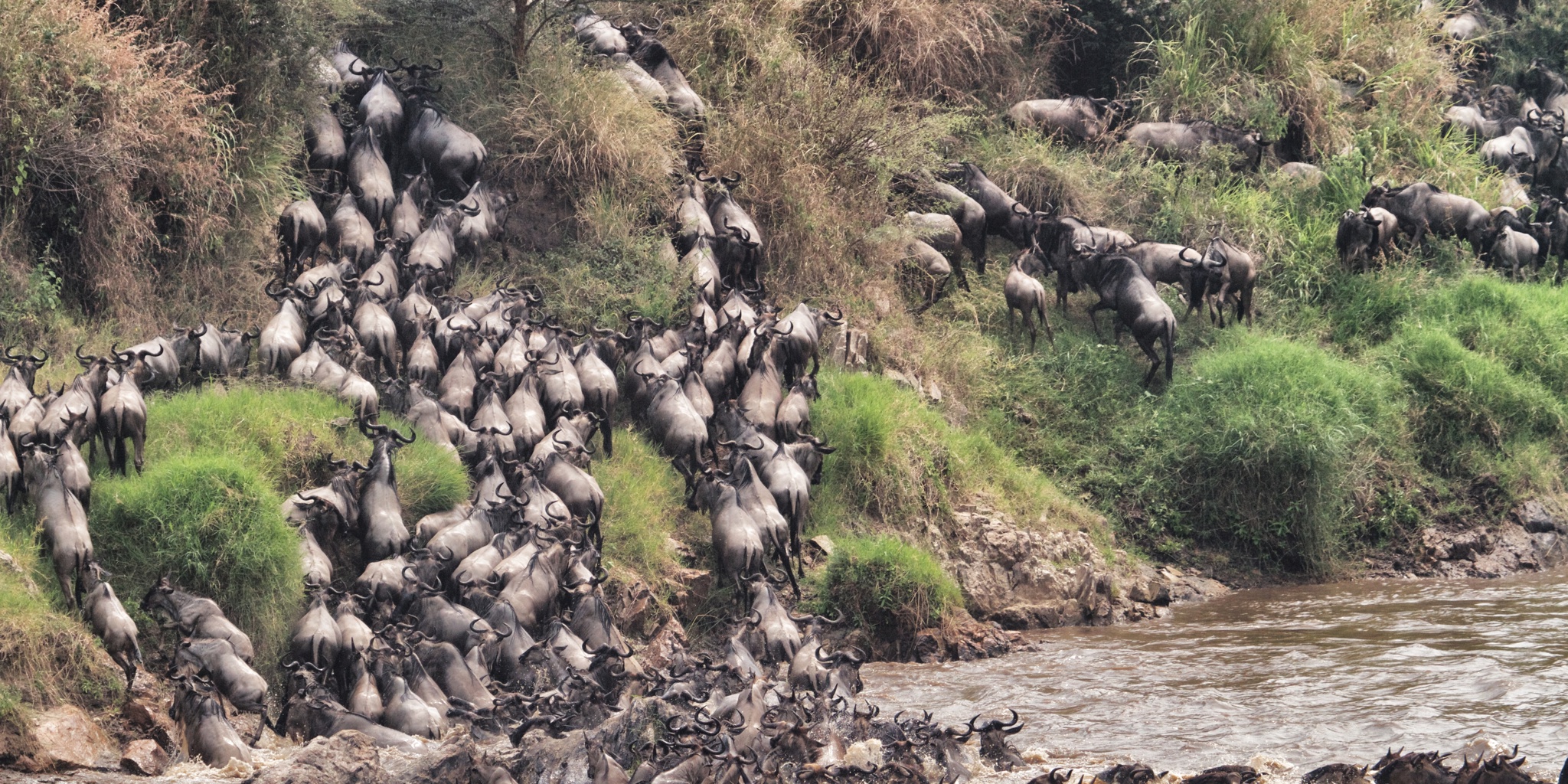
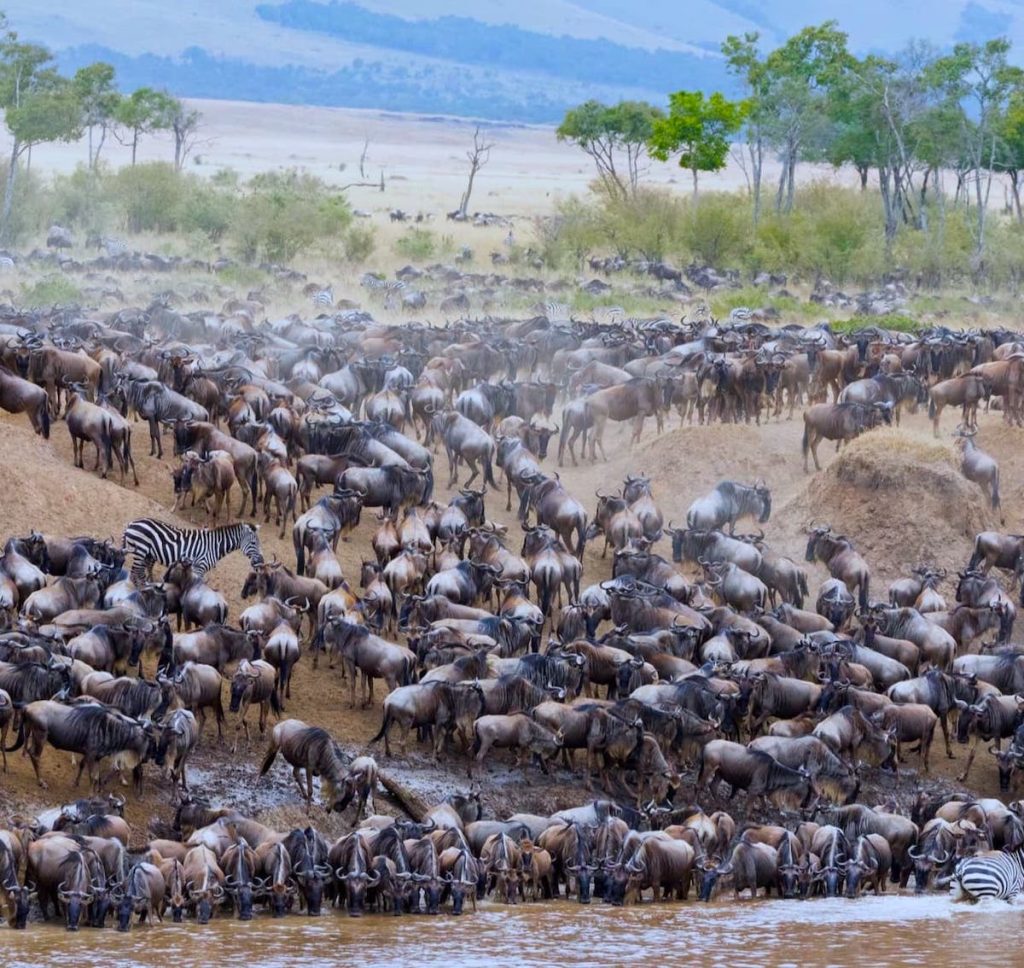
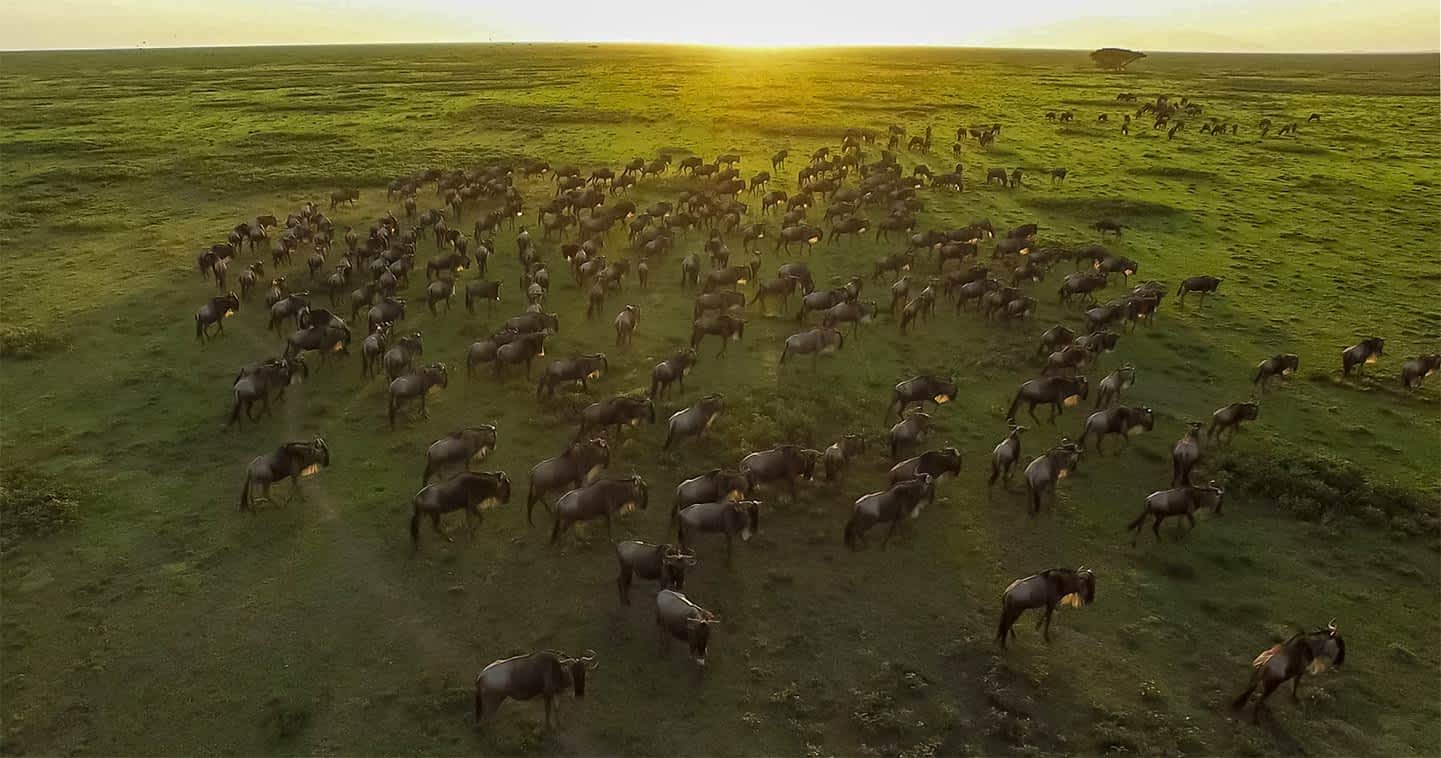
Herds are densely packed, as wildebeest instinctively congregate in open, safe areas for calving. This concentration allows travellers to see thousands of animals in one view, a dramatic shift from the scattered movement seen in October and early November.
The Calving Season in Full Swing
December marks the early peak of calving, with hundreds to thousands of calves born daily. For safari-goers, this creates a highly dynamic and interactive wildlife experience.
Predators, especially lions, hyenas, and cheetahs, closely track these herds, making December a prime month for observing predation events in a natural and concentrated setting. This predator-prey interaction is a major highlight for wildlife photographers and naturalists alike.
The calving season also attracts vultures and other scavengers, creating a rich ecological tableau. Travellers can witness not only the birth of new life but also the intricate relationships between species that define the Serengeti ecosystem.
Southern Serengeti: The Epicenter
The Ndutu and southern Serengeti regions are the epicenter of activity in December. These areas provide:
- Extensive plains for grazing and calving
- High wildlife visibility due to shorter grass and open landscapes
- Proximity to water sources and salt licks essential for herd survival
Travellers in these areas experience a high density of wildlife in a compact region, making game drives highly rewarding. Guides often spend multiple days tracking herd movements to position vehicles optimally for observing calving and predator activity.
Predator Dynamics in December
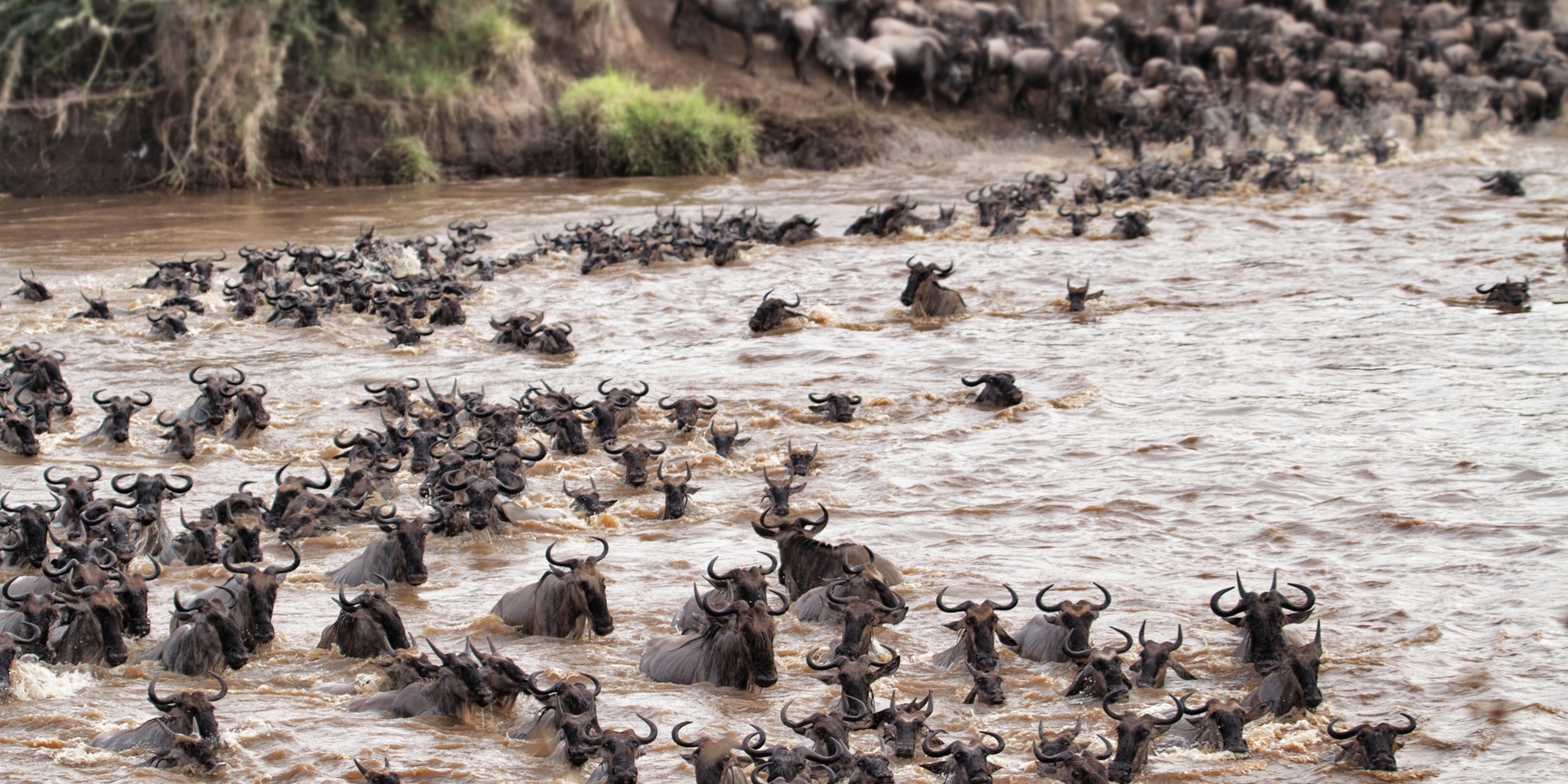
Predator activity intensifies during calving, as young, inexperienced calves are highly vulnerable. Lions, hyenas, and cheetahs target isolated or weak individuals, while crocodiles may wait near waterholes and river crossings for opportunistic hunting.
Unlike earlier in the migration, when crossings and herd movement are the primary spectacle, December’s drama centers on survival, hunting strategies, and predator-prey interactions. Travellers witness natural selection in action, often with close-range encounters in the southern Serengeti’s open landscapes.
Landscape and Seasonal Conditions
December is part of the short rainy season, bringing lush greenery and intermittent showers to the southern Serengeti. The landscape transforms into vibrant green plains dotted with wildlife, offering spectacular visual contrasts and photographic opportunities.
Weather is generally warm, with occasional rain that can make roads muddy but enhances the beauty of the environment. For photographers and nature enthusiasts, December provides dramatic skies, reflective waterholes, and vibrant backdrops for wildlife imagery.
Wildlife Diversity Beyond Wildebeest
While wildebeest dominate the plains, December also offers opportunities to observe:
- Zebras, gazelles, and other migratory herbivores
- Resident elephants, giraffes, and buffalo
- Predatory species following the herds
- Rich birdlife, including storks, vultures, and secretary birds
The high concentration of multiple species creates a complete safari experience, beyond the calving-focused wildlife.
Photography Considerations in December
December is one of the most photogenic months of the migration, due to:
- Dense herds on vibrant green plains
- Dramatic predator-prey interactions
- Calves in early life stages, offering intimate wildlife shots
- Dynamic skies with rain clouds, creating mood and contrast
Photographers benefit from close-range sightings and minimal crowding compared to August and September’s northern river crossings. The southern Serengeti’s open terrain allows for wide-angle compositions capturing both scale and detail.
Crowds and Safari Atmosphere
December generally sees fewer tourists than the peak August–September period, creating a calmer and more immersive safari experience. Lodges and camps in the southern Serengeti often have more availability, making it easier to secure prime locations for wildlife viewing.
The quieter atmosphere allows travellers to spend longer in the field, track predators and herds with less pressure, and enjoy a more personal connection with the landscape and wildlife.
Tips for Travellers in December
- Focus on southern Serengeti and Ndutu regions for the highest concentration of herds and calving activity.
- Allow multiple days in the field to track predator-prey interactions and herd movement.
- Prepare for variable weather, including short rains and muddy tracks.
- Work with experienced guides to optimize sightings and positioning near calving areas.
- Pack photography gear suitable for dynamic wildlife, including telephoto lenses and weather protection.
Who Should Travel in December
December is ideal for travellers who:
- Want to witness the calving season in full swing
- Enjoy intense predator-prey interactions
- Prefer smaller crowds and immersive safari experiences
- Value photography opportunities with lush landscapes and newborn wildlife
It is perfect for families, wildlife enthusiasts, photographers, and anyone seeking an in-depth, ecological safari rather than the high-drama northern crossings of earlier months.
Conclusion
By December, the Great Migration has reached the southern Serengeti, where herds settle for the main calving season. While river crossings are largely behind, travellers experience dense herds, newborn calves, and heightened predator activity against a vibrant green backdrop.
In 2026, December offers a rewarding and less crowded safari, allowing visitors to witness the migration’s next chapter: the renewal of life and the intricate balance of predator and prey. For those seeking a rich, immersive, and photogenic wildlife experience, December represents one of the most fascinating months to explore the Serengeti ecosystem.