Great Migration Calendar 2026: The Complete Annual Cycle Explained
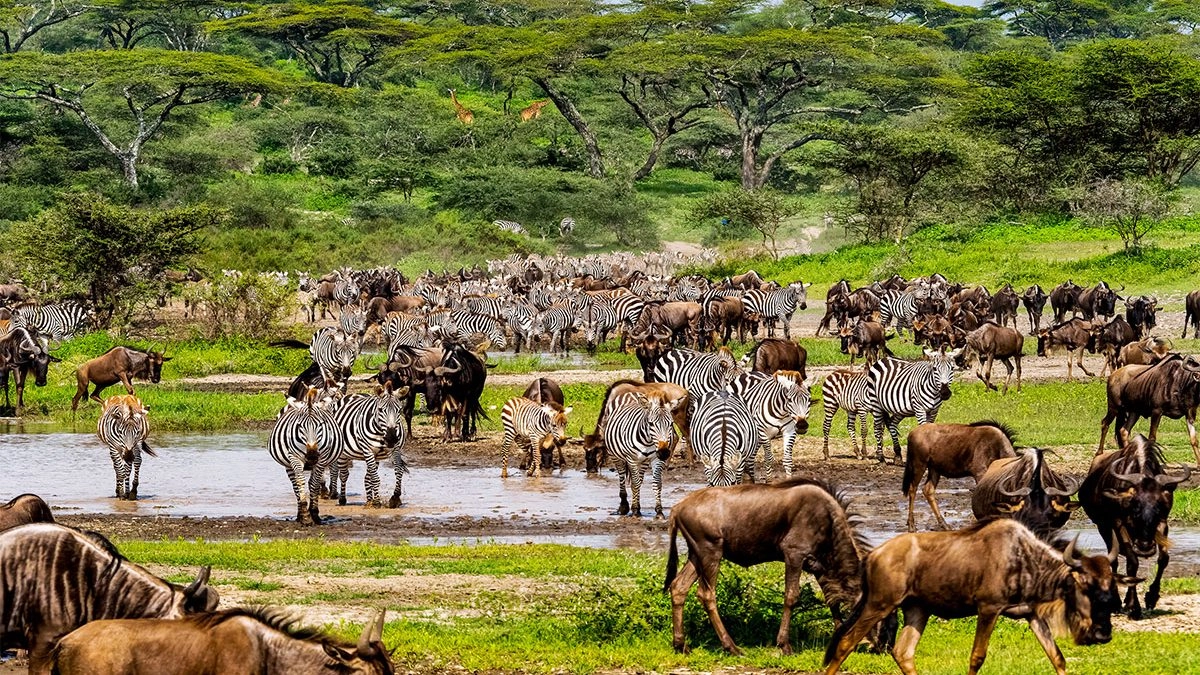
The Great Migration is East Africa’s most iconic wildlife event, drawing travelers, photographers, and wildlife enthusiasts to witness the annual movement of over a million wildebeest, accompanied by hundreds of thousands of zebras and gazelles. The migration is a continuous circular journey across the Serengeti-Mara ecosystem, governed by rainfall patterns, fresh grass availability, and water resources. Understanding the annual cycle is essential for safari planning, as each month presents unique opportunities to experience different stages of the migration—from calving in the southern plains to dramatic Mara River crossings and the return south toward the Serengeti.
This Great Migration Calendar for 2026 provides a month-by-month guide to the movement of the herds, including key locations, wildlife behavior, and safari highlights. It allows travelers to time their visit to match specific wildlife experiences, ensuring a meaningful and memorable East African safari.
January 2026: Calving Season Begins in the Southern Serengeti
January marks the start of the calving season in the southern Serengeti and Ndutu plains. The long rains from December have transformed the plains into lush, green grazing grounds, drawing pregnant wildebeest in high numbers. Peak calving usually occurs from late January to early February, producing tens of thousands of calves within a few weeks. Zebras and gazelles also give birth during this period, although their timing may vary slightly from the wildebeest.
Safari travelers visiting in January 2026 can witness intimate wildlife interactions as predators such as lions, hyenas, and cheetahs take advantage of vulnerable newborns. The high density of grazing animals creates dynamic scenes of herd behavior, predator-prey interactions, and migration preparation. The southern plains’ golden grasslands provide perfect photographic conditions, offering both dramatic landscapes and close-up animal encounters.
February 2026: Peak Calving Activity
February is the heart of the calving season. The plains of Ndutu and southern Serengeti are filled with newborn wildebeest calves, creating one of the densest concentrations of large mammals on Earth. Predators are highly active, taking advantage of the abundance of vulnerable prey. For wildlife photographers and enthusiasts, February offers unparalleled opportunities to observe newborn calves taking their first steps, the protective behaviors of adult wildebeest, and predator dynamics in real-time.
During this period, the herds are largely concentrated in the southern plains, making it easier to track wildlife movements and experience dramatic natural scenes. Visitors can expect close encounters with grazing animals and predators while enjoying the lush backdrop of fresh grasslands.
March 2026: Northward Migration Begins
As the calving season winds down, wildebeest herds begin dispersing north toward central Serengeti areas. March marks the start of this northward movement, driven by changes in grass availability and the tapering of short rains. The migration becomes more spread out, with animals moving through woodlands, open plains, and seasonal swamps.
For travelers, March offers a quieter safari experience with fewer crowds while still observing large herds. It is an ideal period to study herd behavior, predator-prey interactions, and the adaptation of wildlife to changing habitats. Photographers can capture dynamic scenes as herds cross shallow streams and interact with resident wildlife populations.
April 2026: Migration Through Central and Western Serengeti
April continues the northward migration, with wildebeest moving through central and western Serengeti corridors. The short rains rejuvenate grasslands in these regions, providing abundant grazing opportunities. Herds are large but dispersed across broader areas compared to the concentrated southern plains. Predators continue to follow the herds, creating opportunities to witness hunting behaviors and scavenging.
Safari visitors during April can enjoy diverse landscapes, from wooded areas to open plains, while still encountering significant wildlife activity. The central Serengeti offers a mix of scenery and animal behavior that is ideal for immersive wildlife experiences and photography.
May 2026: Approach to Northern Serengeti
By May, the migration begins to reach the northern Serengeti, with herds moving closer to the Maasai Mara corridor in Kenya. This transitional period sees wildebeest, zebras, and gazelles spreading across mixed habitats in search of fresh grazing and water. The herds are still mobile, making it an exciting time for travelers who want to track migration patterns before the dramatic river crossings begin.
May is also an excellent month for observing predator-prey dynamics in varied terrain. Visitors can experience the scale of the migration without the intense crowds of the peak northern season, making it a peaceful yet action-filled safari period.
June 2026: Northern Serengeti and Early Mara River Crossings
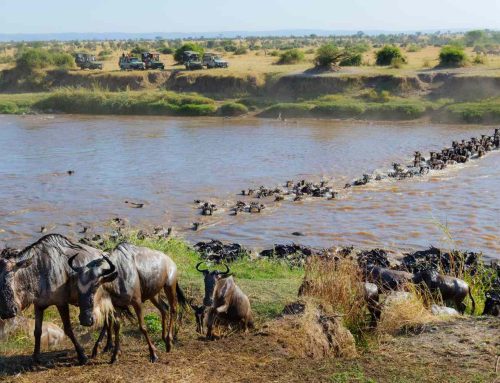
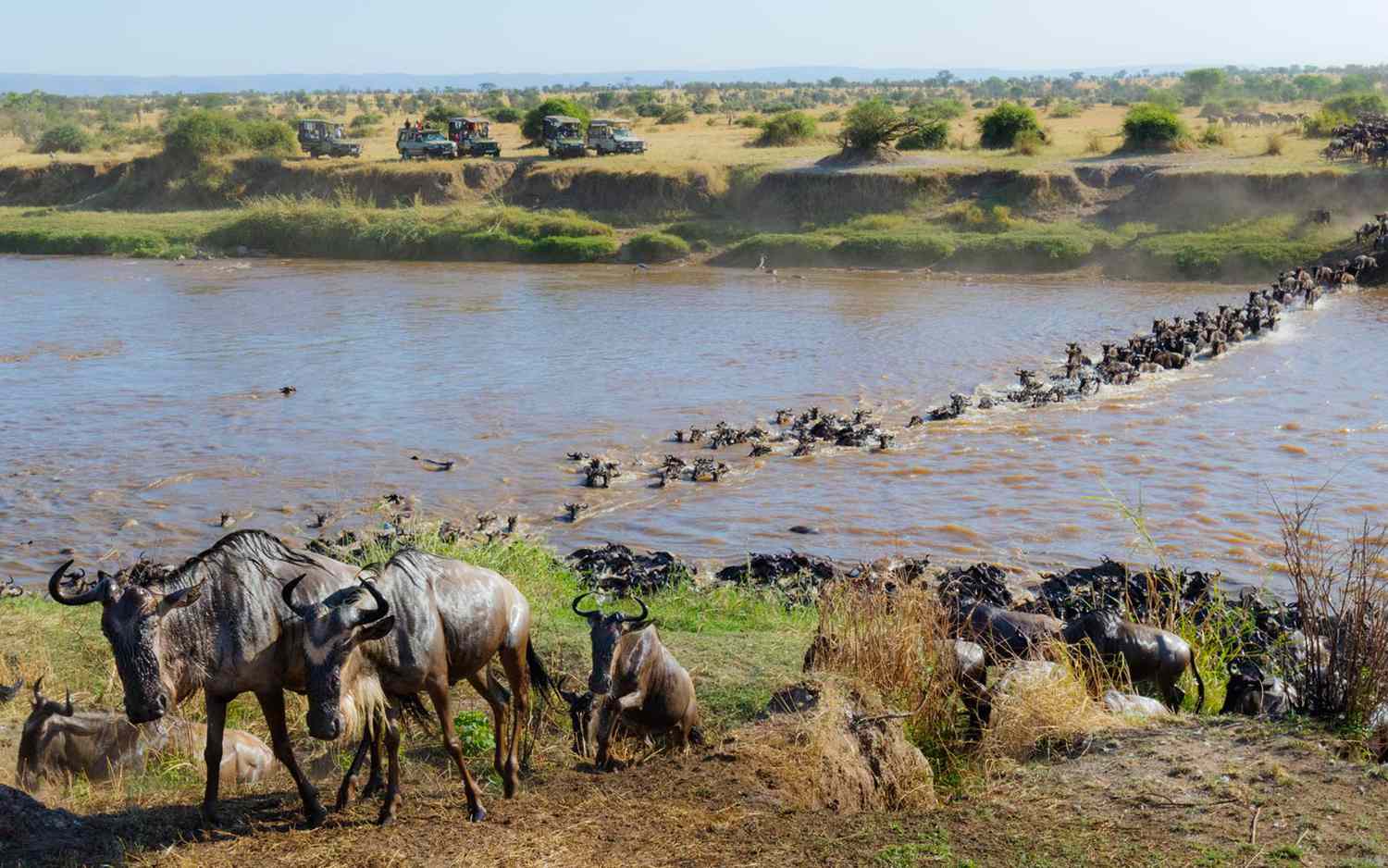
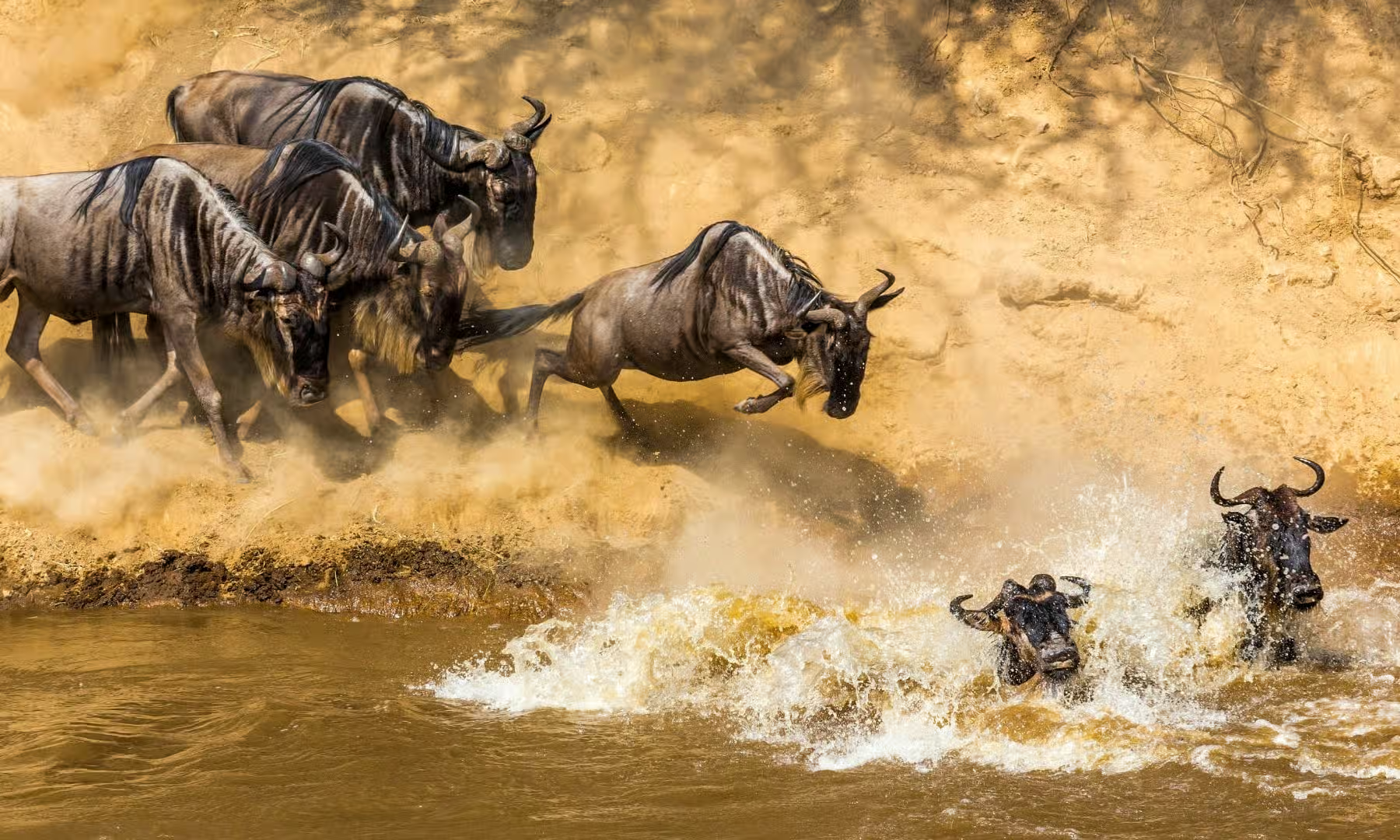
June signals the arrival of the migration in the northern Serengeti and Maasai Mara regions. The early rains in the north have rejuvenated grasslands, attracting large numbers of wildebeest. This phase marks the beginning of the Mara River crossings, one of the most iconic and dramatic events of the Great Migration.
Travelers in June 2026 can witness the herds testing the river currents, confronting crocodiles, and navigating the challenges of river crossings. The northern Serengeti offers wide open plains with massive herd concentrations, providing striking visual scenes and intense wildlife activity.
July 2026: Peak Mara River Crossings
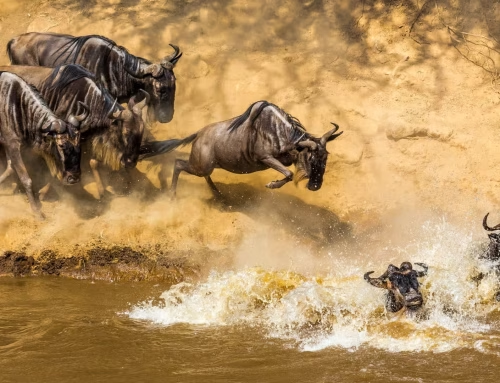
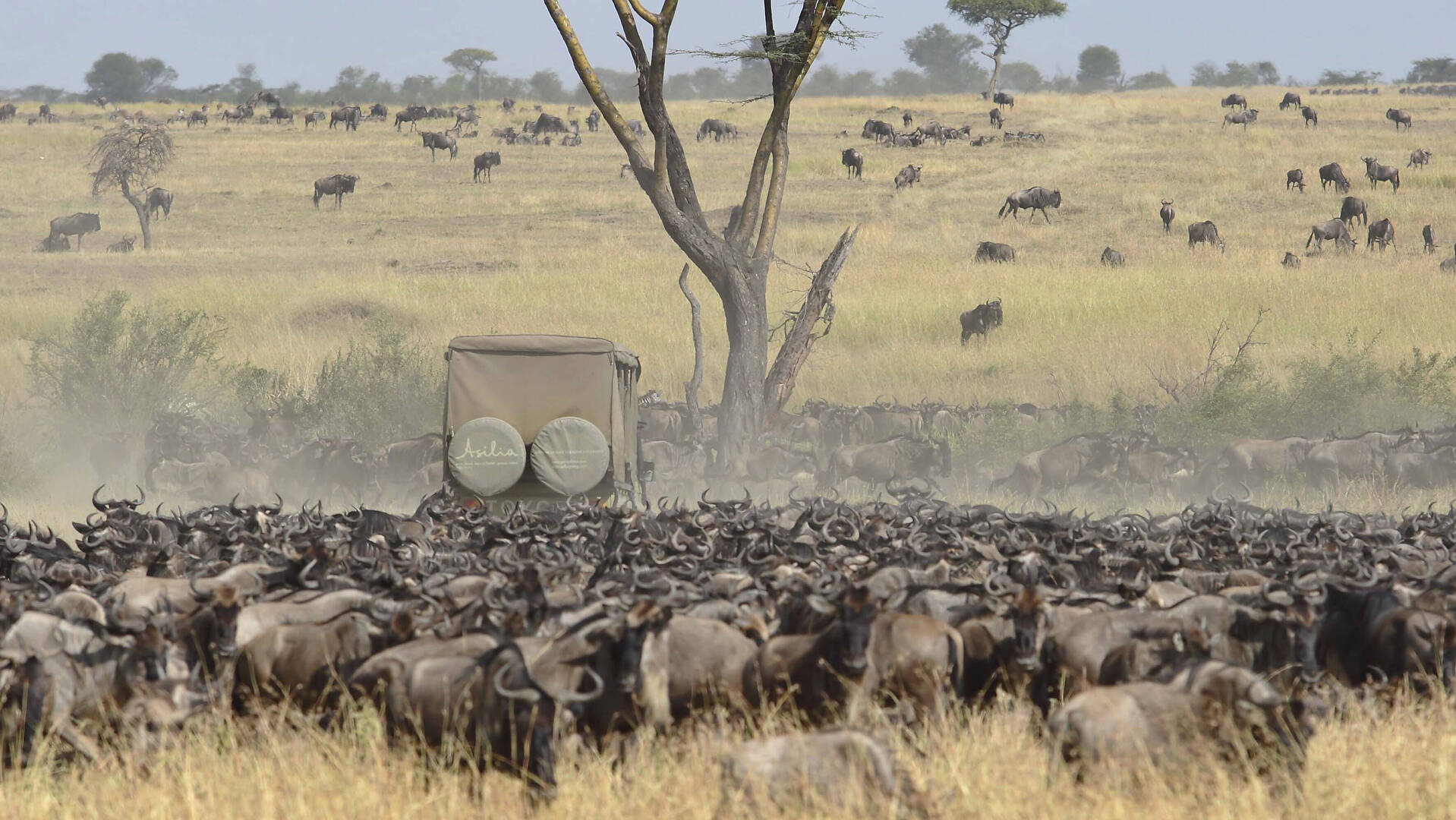
July is considered the peak of the Mara River crossings. Wildebeest and zebras gather in enormous numbers at riverbanks, preparing to cross waters teeming with Nile crocodiles. The crossings are unpredictable, filled with moments of hesitation, splashes, and successful navigation. Predator activity is intense, creating dramatic scenes that define the classic image of the Great Migration.
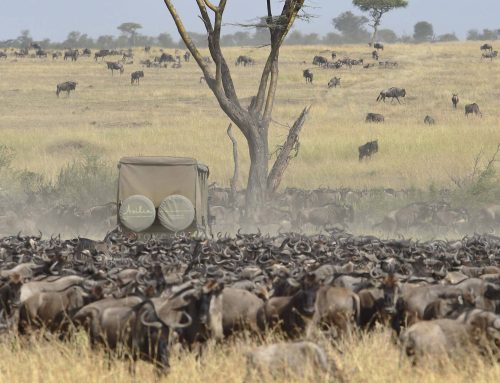
Safari visitors in July 2026 will experience the most iconic migration visuals, including dust-filled plains, tightly packed herds, and the tension of river crossings. This is the prime month for photography and wildlife observation in the northern Serengeti and Maasai Mara.
August 2026: Continued Crossings and Plains Concentration
In August, river crossings continue, although some herds have already crossed and moved inland. The northern Serengeti and Maasai Mara plains remain densely populated, offering spectacular wildlife viewing. The combination of large herd densities, predator activity, and expansive landscapes creates an unforgettable safari experience.
August is ideal for travelers seeking dramatic migration scenes while also enjoying opportunities to observe social interactions within herds and predator-prey dynamics in open landscapes.
September 2026: Early Return Movement Begins
As the dry season progresses, the northern grasslands start to dry, prompting herds to begin their return journey south toward the Serengeti. September marks the early stages of this southward movement. The Mara River crossings taper off, but significant wildlife activity continues in the northern plains.
Safari travelers during September 2026 can witness the dispersal of herds, predator hunting behavior, and the transition of the ecosystem as animals adapt to the changing season. It is a period of movement and transformation within the migration cycle.
October 2026: Southward Dispersal Across Central Serengeti
October sees a more pronounced southward migration. Wildebeest and accompanying grazers move through central Serengeti corridors, following fresh grazing and water. Predator-prey interactions remain visible, with animals adapting to scattered herd formations and changing resource availability.
This month offers a quieter and less crowded safari experience while still providing opportunities to observe dynamic wildlife movements and diverse habitats.
November 2026: Continuing Return to Southern Plains
By November, the herds continue moving south, gradually returning to the southern Serengeti and Ndutu regions. The migration is less concentrated than during the calving or river crossing phases, but significant wildlife activity remains. Travelers can witness dispersed herds, predators following migratory paths, and seasonal ecological interactions.
Safari visitors during November 2026 can enjoy immersive wildlife experiences in a more peaceful setting, ideal for photographers and travelers seeking less-crowded migration encounters.
December 2026: Herd Aggregation and Preparation for Next Calving
December marks the completion of the migration cycle, with wildebeest aggregating in the southern Serengeti and Ndutu plains in preparation for the next calving season. Grasslands are lush from the onset of long rains, providing ideal conditions for pregnant wildebeest to gather. This period sets the stage for the 2027 migration cycle.
Travelers in December 2026 can observe herd aggregation, social interactions, and the seasonal buildup of wildlife activity. It is a reflective period in the annual cycle, highlighting the continuous rhythm of East Africa’s wildlife.
Using the 2026 Great Migration Calendar
The Great Migration Calendar provides a roadmap for travelers to align their safari plans with the annual movements of East Africa’s iconic herds. From calving in the southern plains to dramatic river crossings in the north and the gradual return south, each month offers unique experiences and wildlife encounters. Understanding the calendar allows visitors to target specific events, optimize their safari timing, and enjoy East Africa’s wilderness at its most dynamic and awe-inspiring.
The 2026 calendar emphasizes ecological patterns, predator-prey interactions, and seasonal transitions, ensuring travelers can appreciate the full complexity of the migration. Whether seeking newborn calves, river-crossing drama, or peaceful herd movements, following the Great Migration calendar allows for a structured and rewarding safari experience in one of the world’s most remarkable ecosystems.