Great Migration April: What Happens During the Green Season?
Overview of the Great Migration in April
April represents one of the most misunderstood yet ecologically fascinating phases of the Great Migration, as the Serengeti ecosystem enters the heart of the green season. This is a time when the narrative shifts away from dramatic river crossings and dense calving scenes toward movement, regeneration, and landscape transformation. While some travelers hesitate due to the long rains, April reveals a quieter, richer, and deeply immersive safari experience.
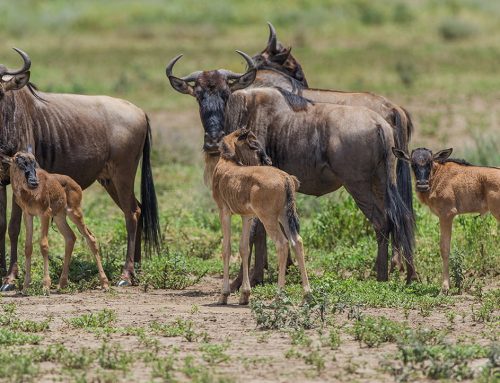
The migrating herds begin a more defined transition during this month, gradually leaving the southern plains and moving westward and northward across Serengeti National Park. The lush grasslands that supported calving in earlier months begin to change, encouraging the wildebeest to follow fresh grazing patterns.
For those willing to embrace the rhythm of the green season, April offers dramatic scenery, evolving migration behavior, and an exclusive safari atmosphere with fewer crowds. Understanding what happens during this period is key to appreciating its unique value.
The Green Season in Full Effect
April is the peak of the long rainy season in northern Tanzania, transforming the Serengeti into a vibrant and thriving ecosystem. Rainfall is more consistent than in March, often occurring in heavier and longer showers, particularly in the afternoons and evenings.
The landscape becomes intensely green and alive. Grasslands flourish, water sources expand, and the entire environment feels renewed. This abundance of vegetation supports herbivores and creates a visually stunning safari setting.
The rains play a crucial ecological role. They replenish the soil, sustain plant growth, and maintain the delicate balance that supports one of the world’s most famous wildlife migrations.
While rain can influence daily safari logistics, it rarely eliminates opportunities for wildlife viewing. Mornings are often clear, allowing for productive game drives before afternoon showers arrive.
Migration Movement: The Journey Begins
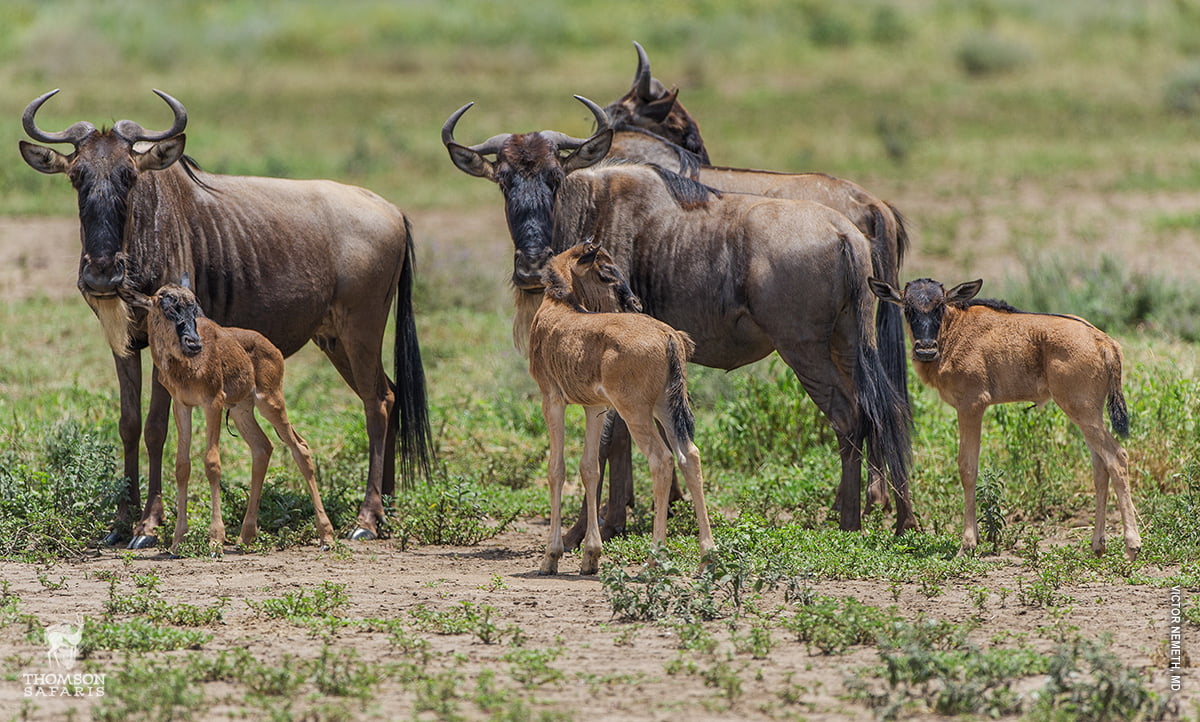
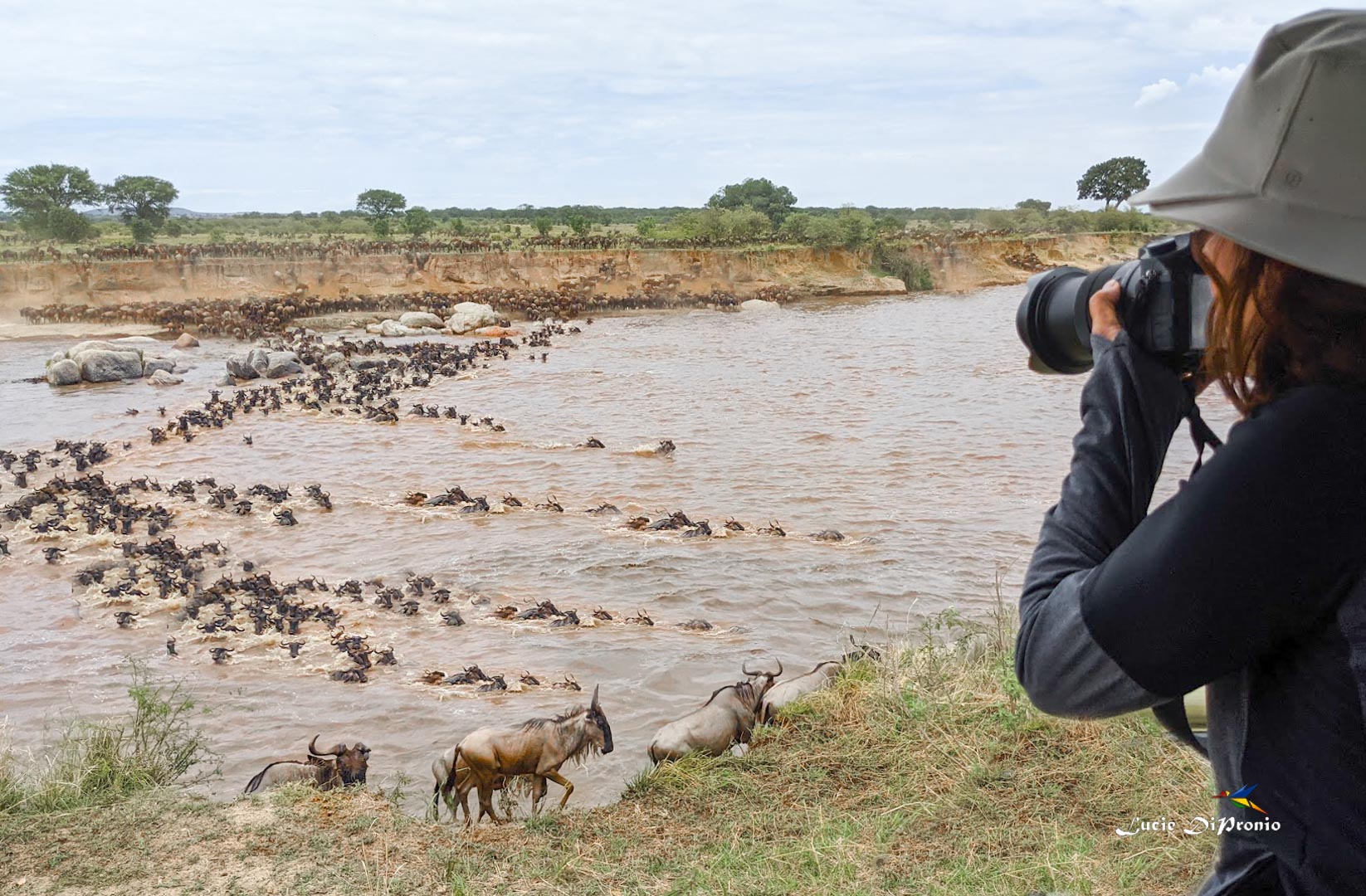
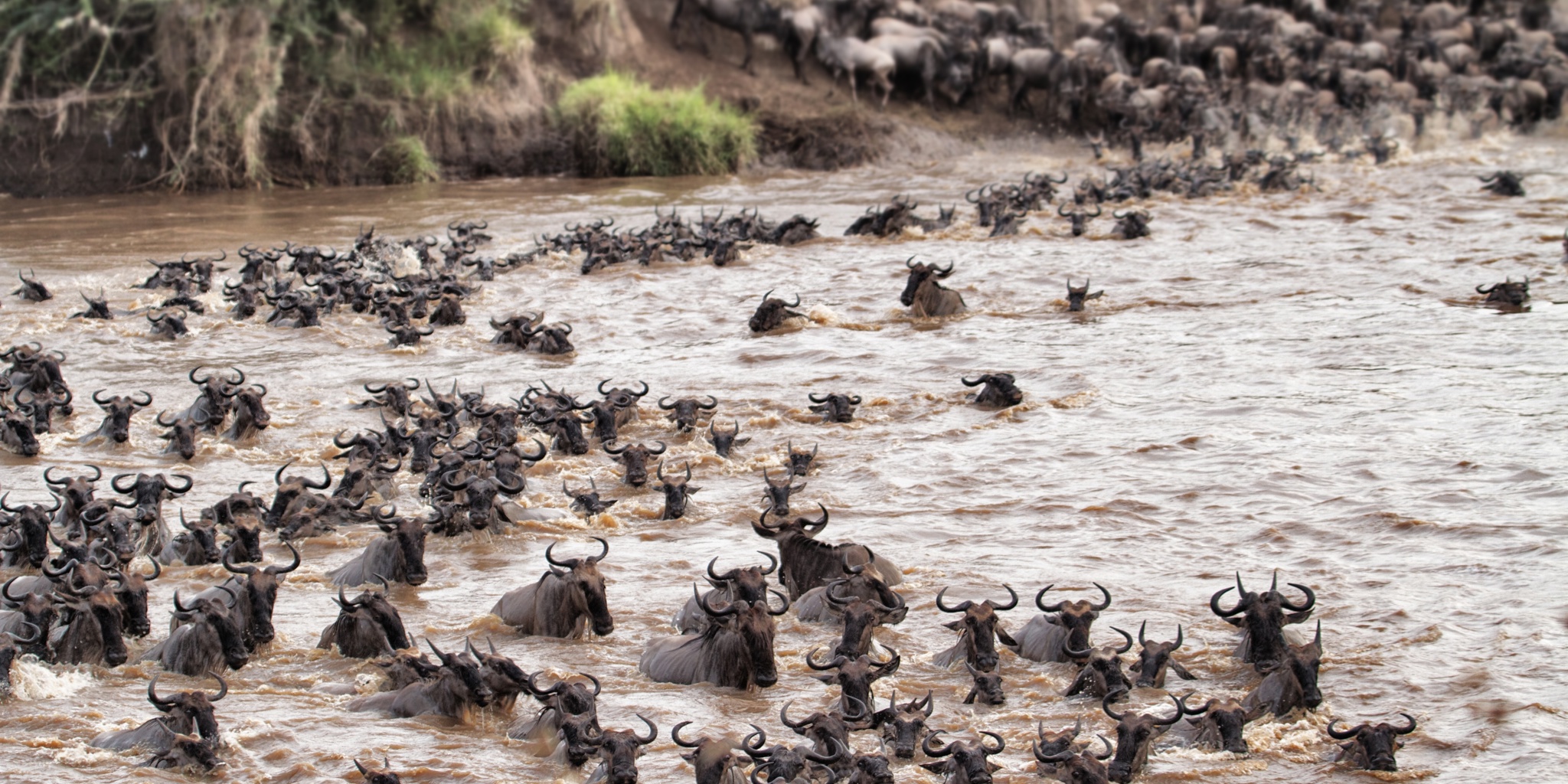
April marks the beginning of more consistent movement within the Great Migration cycle. As grazing conditions change in the southern plains, wildebeest begin moving in long columns toward the central and western Serengeti.
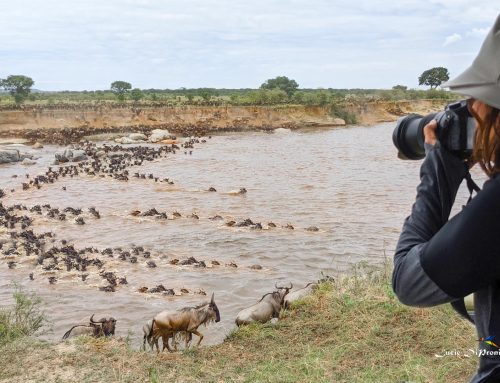
The herds stretch out across vast distances. Instead of dense concentrations seen during calving, animals form extended lines that move steadily in search of fresh grass. This creates a different visual experience, emphasizing scale and motion.
The Western Corridor becomes increasingly important. Areas around Seronera and Grumeti begin to see more activity as the migration progresses in that direction.
This phase highlights the endurance and coordination of the herds. Watching thousands of animals move together across open landscapes offers a powerful perspective on the migration’s true scale.
Predator Behavior During the Green Season
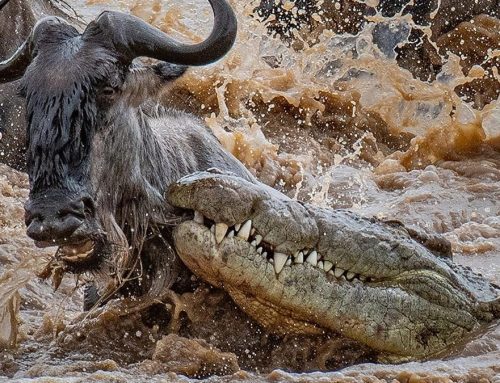
Predator activity continues in April but becomes more dispersed as prey animals spread out across the landscape. Without the concentration of vulnerable newborns, hunting patterns shift toward more strategic and opportunistic approaches.
Lions remain a dominant presence, particularly in central Serengeti regions. They adapt to changing prey distribution by adjusting their territories and hunting strategies.
Cheetahs benefit from the open plains but must contend with taller grass. This can make hunts more challenging but also creates unique opportunities to observe stalking behavior.
Hyenas continue to play a vital ecological role. As both hunters and scavengers, they adapt effectively to the shifting dynamics of the migration.
This period offers a deeper understanding of predator adaptation. Instead of constant high-action hunts, visitors witness strategy, patience, and survival in a changing environment.
Wildlife Beyond the Migration
April’s green season enhances overall biodiversity within the Serengeti ecosystem. The abundance of water and vegetation supports a wide range of species beyond the migrating herds.
Resident wildlife becomes more visible in certain areas. Elephants, giraffes, buffalo, and antelope thrive in the lush conditions, providing varied game viewing opportunities.
Birdlife reaches a peak during this time. Migratory species are present alongside resident birds, creating exceptional conditions for birdwatching. Wetlands and temporary water bodies attract a wide variety of waterbirds.
This diversity ensures that April safaris remain rich and rewarding. Even as the migration spreads out, the ecosystem continues to offer abundant wildlife encounters.
Weather and Safari Conditions
April’s weather is characterized by frequent rainfall, which can influence travel conditions and daily schedules. Roads may become muddy, particularly in remote areas, requiring experienced drivers and well-equipped vehicles.
Game drives require flexibility. Planning around weather patterns ensures the best possible experience, with early departures often yielding the most productive results.
Temperatures remain warm despite the rain. Daytime conditions are generally comfortable, though humidity levels can be higher.
The atmosphere created by rain adds a unique dimension to the safari. Dramatic clouds, misty horizons, and fresh landscapes contribute to a more immersive experience.
Photography Opportunities in April
April offers some of the most dramatic and artistic photography conditions in the Serengeti. The interplay of light, clouds, and rain creates a dynamic visual environment.
Green landscapes provide striking contrast with wildlife. Animals stand out against vibrant vegetation, enhancing composition and depth.
Storm light can produce extraordinary effects. Sunlight breaking through clouds creates powerful scenes that are highly sought after by photographers.
This is a time for creative storytelling. Capturing movement, atmosphere, and environmental context becomes as important as photographing individual animals.
Advantages of Visiting in April
One of the most significant advantages of April is the low number of tourists. Many travelers avoid this period due to the rains, resulting in quieter parks and more exclusive experiences.
Accommodation rates are often reduced. This allows travelers to access high-end lodges and camps at more affordable prices.
Wildlife viewing remains rewarding despite the challenges. The migration is still active, and the overall biodiversity of the ecosystem ensures consistent sightings.
The sense of solitude enhances the safari experience. With fewer vehicles, interactions with wildlife feel more natural and uninterrupted.
Challenges of the Green Season
Rainfall can create logistical challenges. Roads may become difficult to navigate, and some areas may be temporarily inaccessible.
Wildlife can be more dispersed. This requires patience and skilled guiding to locate herds and predators.
Tall grass can affect visibility. Spotting animals may require more effort compared to dry-season conditions.
However, these challenges are manageable with proper planning. Choosing experienced operators and maintaining flexibility ensures a successful safari.
Who Should Travel in April
April is ideal for travelers seeking a quieter, more atmospheric safari experience. Those who appreciate landscapes, photography, and ecological processes will find this period particularly rewarding.
It is well-suited to repeat visitors. Travelers who have already experienced peak migration months may enjoy the different perspective offered by the green season.
Photographers and nature enthusiasts benefit greatly. The dramatic scenery and evolving wildlife behavior provide unique opportunities for creative exploration.
Conclusion
April in the Serengeti represents a period of renewal, movement, and transformation within the Great Migration cycle. The green season brings life back to the landscape, supporting both wildlife and the ecological processes that sustain the migration.
While it may lack the concentrated drama of earlier months, it offers a deeper and more reflective safari experience. From long lines of migrating herds to dramatic skies and lush plains, April reveals a side of the Serengeti that is both powerful and serene.
For travelers willing to embrace its challenges, April delivers a unique and unforgettable journey into the heart of Africa’s wilderness.