Great Migration: Private Conservancy vs National Park — Which Offers the Best Safari Experience?
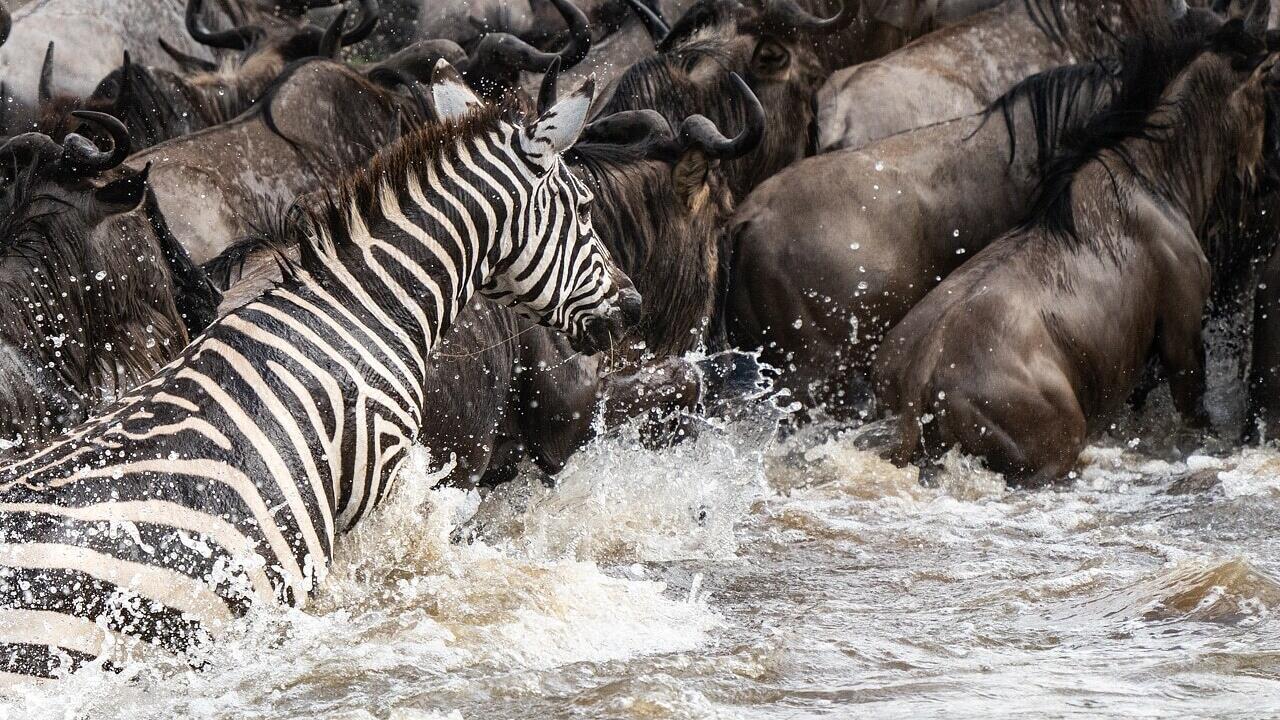
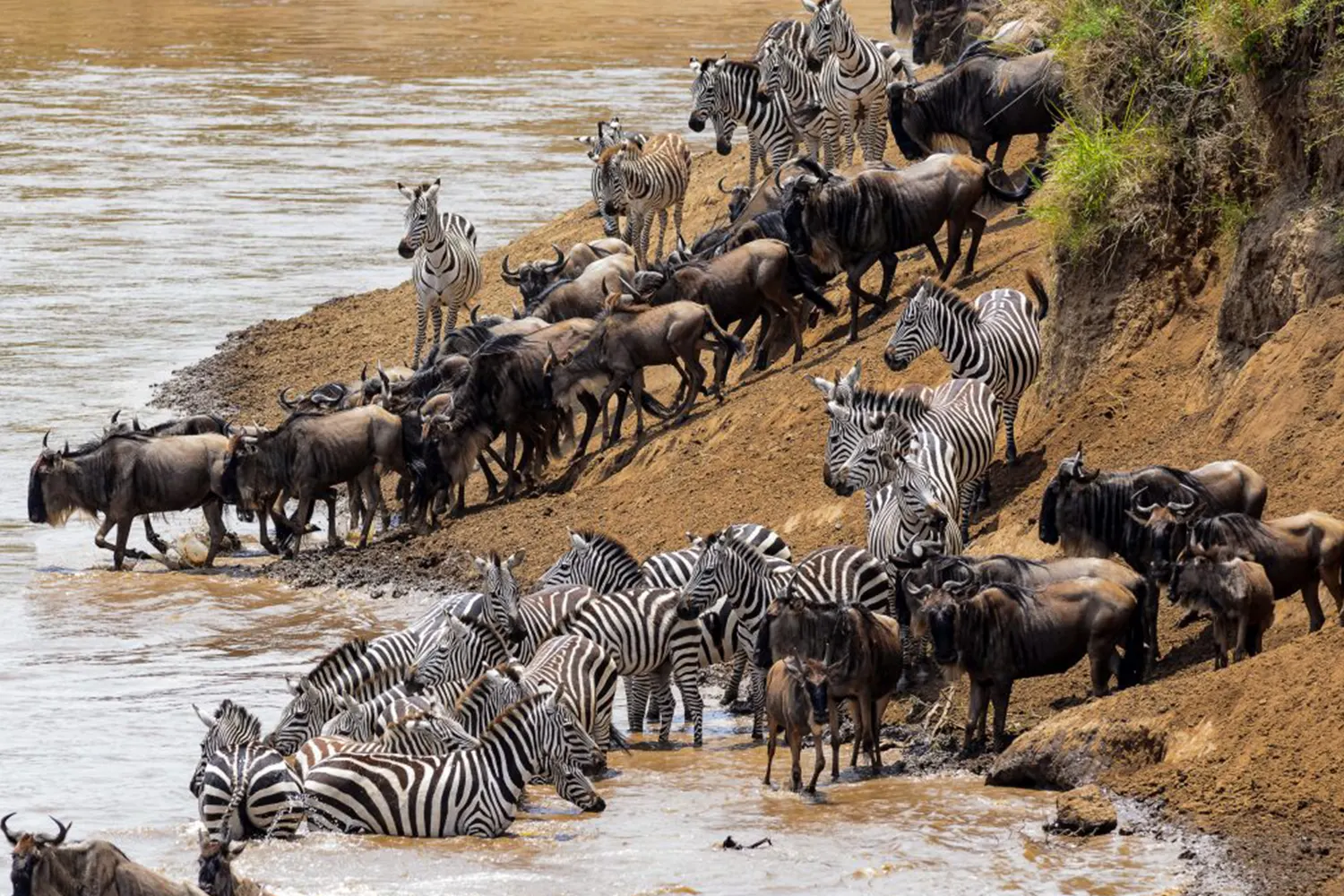
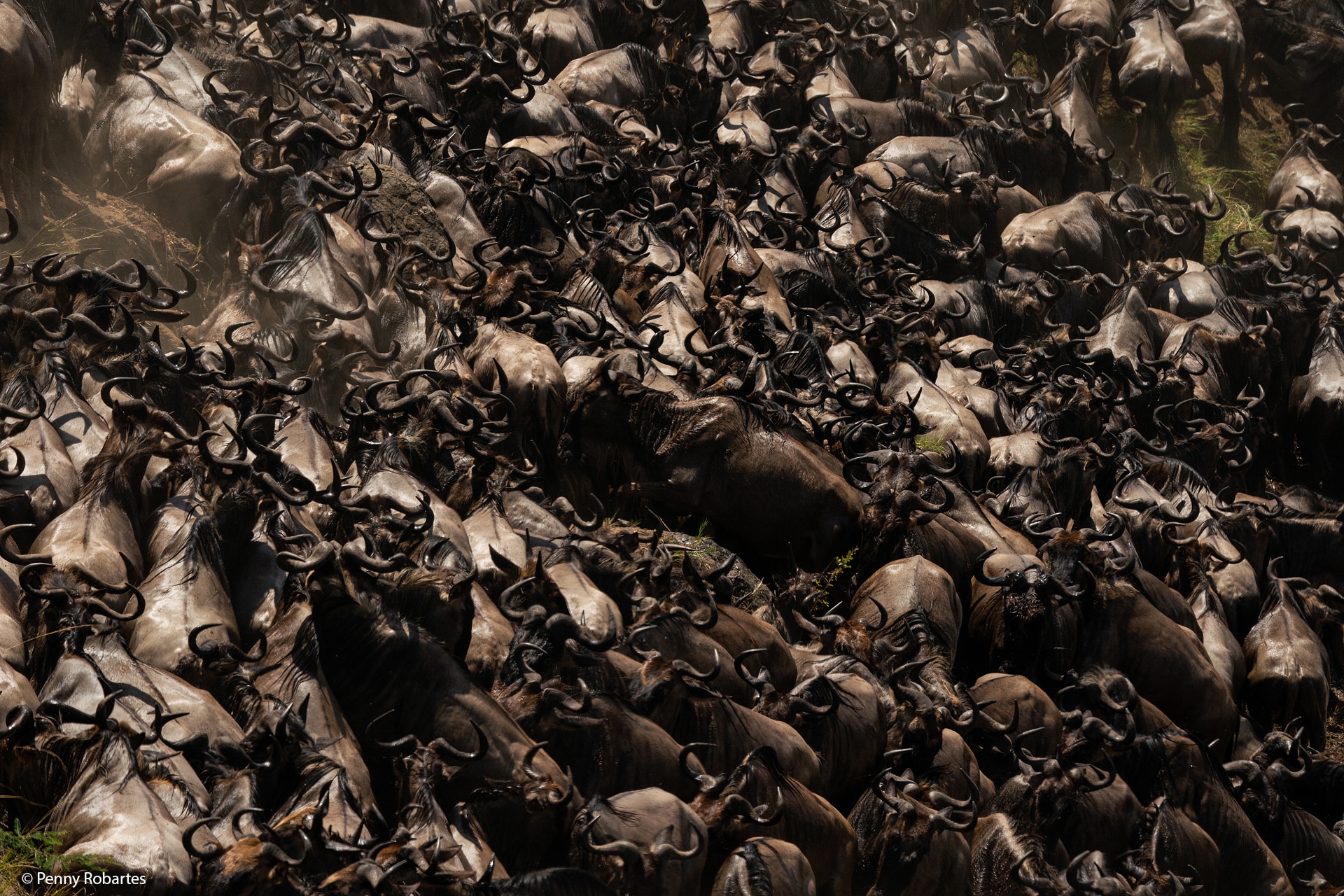
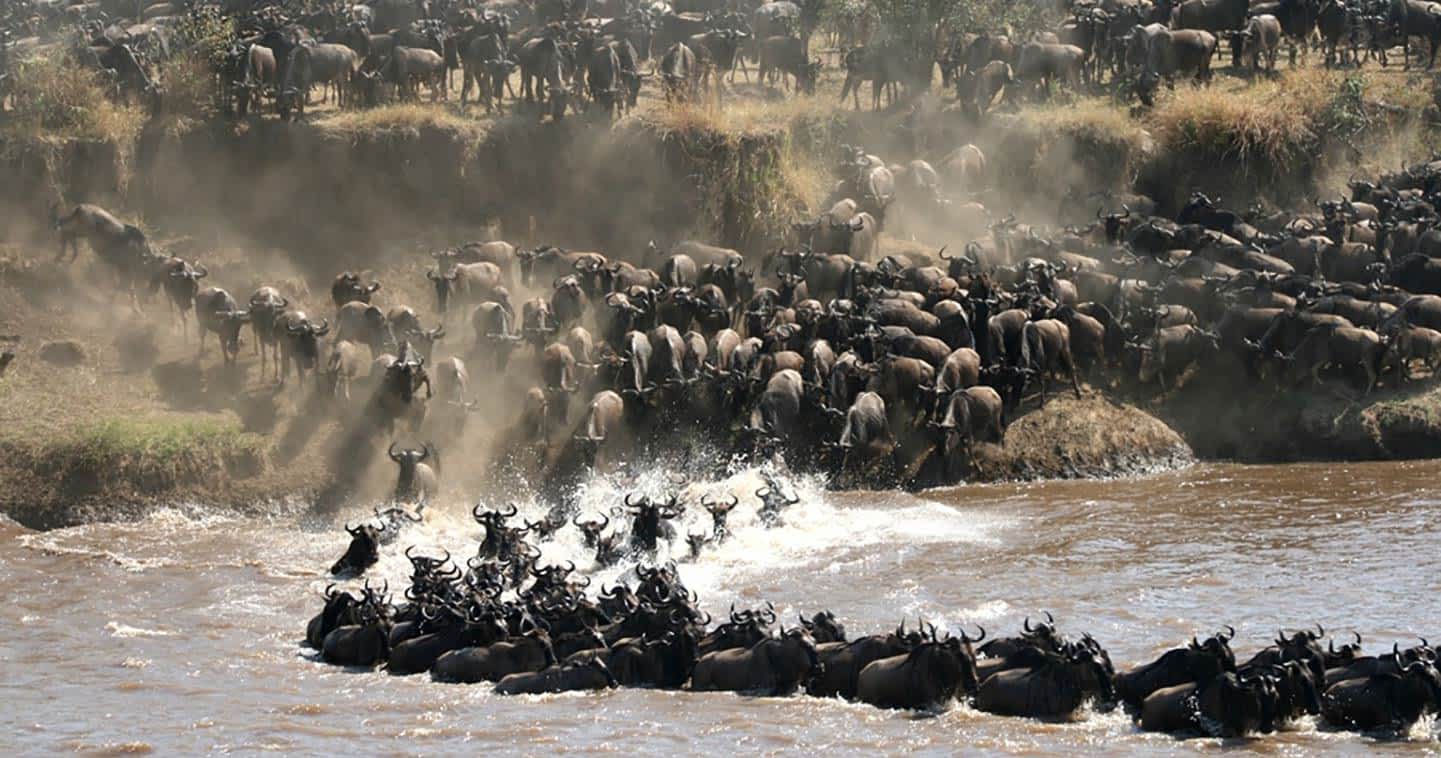
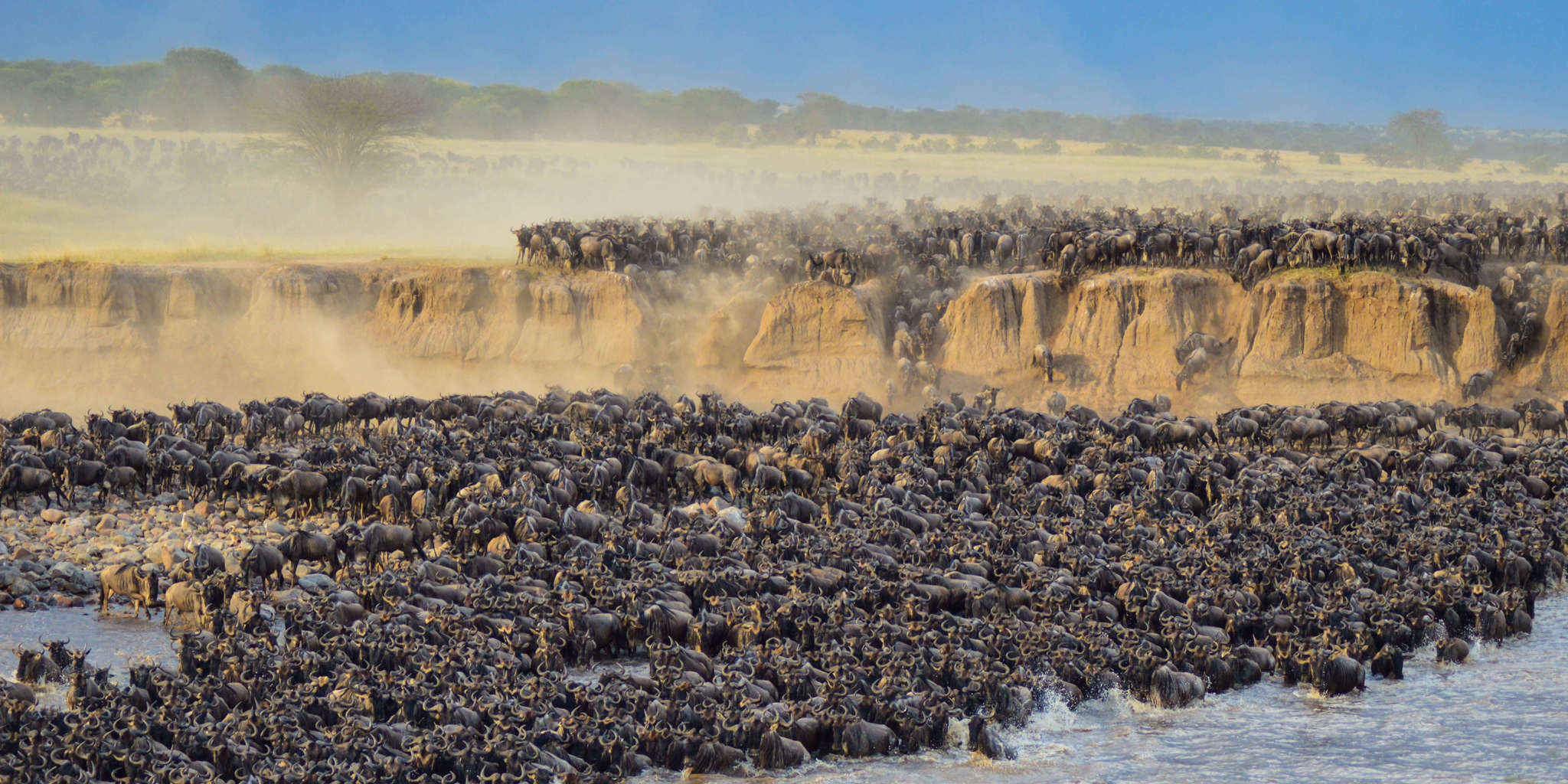
The Great Wildebeest Migration is one of the most extraordinary wildlife spectacles on the planet. Every year, over a million wildebeest, accompanied by zebras and gazelles, traverse the plains of Serengeti and Masai Mara in a relentless search for fresh grazing and water. For travelers, the choice between experiencing the migration in a national park or a private conservancy is a critical decision that shapes the safari adventure.
Both options have unique advantages, and understanding these differences ensures you maximize wildlife encounters, photography opportunities, and overall safari satisfaction.
Understanding National Parks and Private Conservancies
National parks are government-managed areas designed to protect wildlife and their habitats. They have defined boundaries, standardized regulations, and fixed entrance fees. In Tanzania, Serengeti National Park is the quintessential migration destination, while in Kenya, Masai Mara National Reserve serves a similar purpose.
Private conservancies, on the other hand, are community or privately-owned lands that often border national parks. These conservancies operate under conservation agreements and tourism leases, offering more flexible safari experiences. Examples include the Grumeti Game Reserve in Tanzania and Olare Motorogi or Mara North Conservancies in Kenya.
Accessibility and Safari Rules
National parks are equipped with established roads and infrastructure. Safari vehicles must stick to these roads, and walking safaris or off-road driving are usually prohibited. These rules ensure the safety of both wildlife and tourists, but they also mean that sightings can be affected by traffic, especially in peak season.
Private conservancies offer more flexibility. Off-road driving and walking safaris are often permitted, allowing visitors to get closer to wildlife. With fewer vehicles competing for sightings, the experience feels more intimate and less congested.
Wildlife Density and Migration Action
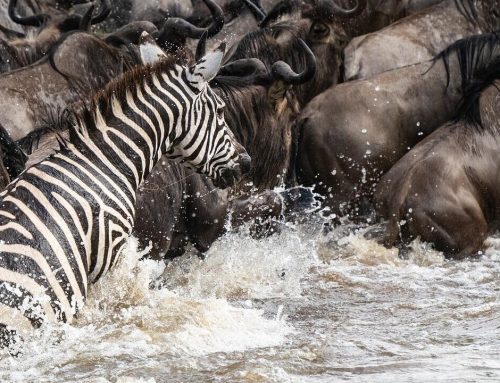
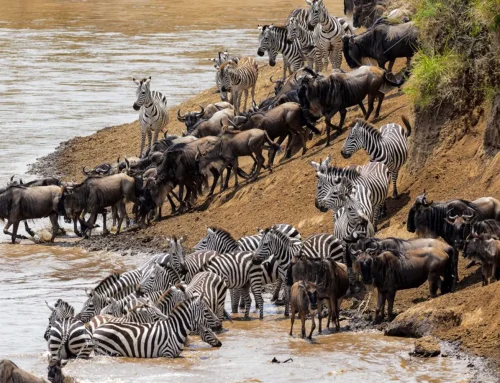
National parks cover vast areas and include key migration corridors. Herds moving through the western Serengeti, Grumeti River, and northern Serengeti into the Masai Mara are predictable, making national parks ideal for witnessing large-scale river crossings and open plains action.
Private conservancies, although smaller, often provide closer encounters. Predator-prey interactions, such as lions hunting near herds, are more observable because conservancies regulate vehicle numbers and traffic, ensuring the wildlife is less disturbed. The trade-off is that migration timing in conservancies can be more variable.
Crowds and Viewing Experience
One of the biggest differences between national parks and private conservancies is the number of vehicles at wildlife sightings. In national parks, popular migration hotspots like the Mara River or Grumeti River crossings can become crowded, especially in peak season. Tourists and photographers often compete for the best vantage points.
In private conservancies, tourism is controlled, and vehicles are limited. This ensures uninterrupted wildlife viewing and a more serene safari experience. Photographers can capture intimate moments without crowds in the background, enhancing both safety and enjoyment.
Safari Activities and Experiences
National parks offer standard game drives and sightseeing opportunities. They are ideal for first-time safari-goers and those looking for predictable, iconic wildlife experiences.
Private conservancies, however, can provide off-road driving, walking safaris, and in some cases, night drives (where legal). Guests may also enjoy cultural visits to local communities, and because of the limited number of vehicles, guides can customize routes to maximize sightings and photographic opportunities.
Costs and Budget Considerations
National parks are generally more budget-friendly due to standardized fees and larger numbers of visitors. Safari logistics are straightforward, and multiple options exist for accommodation across price ranges.
Private conservancies often charge higher access or concession fees. Lodges and camps within conservancies are typically exclusive, offering premium services and luxury experiences. While more expensive, the value comes from privacy, personalized service, and closer wildlife encounters.
Great Migration
Photography Opportunities
National parks are perfect for iconic wide-angle shots of herds across vast plains. River crossings and expansive landscapes make for classic safari photography.
Private conservancies excel for close-range shots and action photography. Predator-prey interactions, intimate moments between calves and mothers, and dramatic landscapes without crowds create exceptional opportunities for wildlife photographers.
Timing and Migration Flow
Migration timing is critical for both options. In national parks, the migration is largely predictable:
- May–July: Western Serengeti and Grumeti River
- July–October: Northern Serengeti and Masai Mara border
Private conservancies experience migration periods that align with herd movement but may be shorter. For those seeking peak predator activity and quiet viewing, conservancies can offer the most rewarding experience.
Conservation and Community Impact
National parks generate tourism revenue that supports government-managed conservation programs, protecting wildlife and habitats.
Private conservancies often work directly with local communities, providing income from tourism, jobs, and infrastructure development. By visiting a conservancy, travelers contribute to community-based conservation and help preserve land as a buffer zone for wildlife.
Which Is Better?
The answer depends on your priorities:
Choose National Parks if you want:
- Classic Great Migration routes and predictable timing
- Lower overall costs and easier logistics
- Broad safari experiences with well-established infrastructure
Choose Private Conservancies if you want:
- Exclusive, less crowded wildlife encounters
- Off-road and walking safaris
- Close-range predator action and photography opportunities
- Support for community-based conservation initiatives
The ideal safari combines both. Spend days in national parks to witness large herds and river crossings, then enjoy nights or additional game drives in private conservancies for intimate, flexible, and personalized experiences. This combination provides the best of both worlds: iconic migration scenes and immersive wildlife encounters.
Final Thoughts
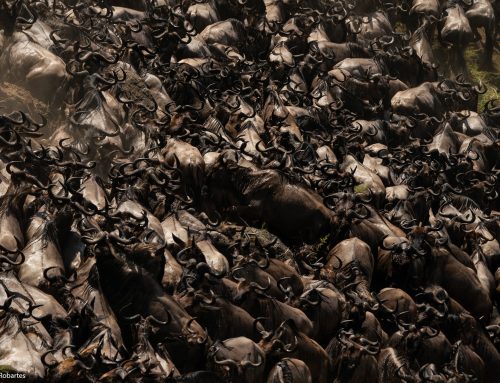
There is no absolute “better” choice. National parks offer scale, iconic scenery, and predictability, while private conservancies provide exclusivity, flexibility, and intimate wildlife interactions. The magic of the Great Migration is not only in the sheer numbers of wildebeest and zebras but also in the unique experiences each traveler can have — from the breathtaking aerial vistas of vast herds to the quiet thrill of witnessing a predator stalk its prey in a private conservancy.
By carefully planning your itinerary and understanding the differences between parks and conservancies, you can craft a Tanzanian or Kenyan safari that captures the full essence of this world-renowned wildlife phenomenon.