The Best Way to Fly or Drive Between Safari Parks in Tanzania
Fly or Drive, Tanzania is one of Africa’s premier safari destinations, home to the iconic Serengeti, the breathtaking Ngorongoro Crater, the vast Selous, and the wildlife-rich Tarangire National Park. With such an abundance of world-class parks, travelers often face the question: What is the best way to travel between safari parks in Tanzania?
The answer depends on factors such as budget, time constraints, comfort preferences, and the level of adventure desired. Below, we explore the most common transportation options—road transfers, domestic flights, private charters, and guided tours—weighing their pros and cons to help you choose the best method for your Tanzanian safari adventure.
1. Road Transfers: The Most Common and Budget-Friendly Option for Fly or Drive
Advantages of Road Transfers
-
Cost-Effective: Road transfers are the most economical way to travel between parks, especially for budget-conscious travelers.
-
Flexibility: You can stop at scenic viewpoints, local markets, or small villages along the way.
-
Direct Access: Some remote areas are only accessible by road, making 4×4 vehicles essential for certain parks like Katavi or Mahale Mountains.
-
Guided Experience: Many road transfers are part of organized safari packages, meaning you’ll have a knowledgeable driver-guide providing insights along the journey.
Disadvantages of Road Transfers
-
Long Travel Times: Distances between parks can be vast. For example, the drive from Arusha to Serengeti can take 8-10 hours.
-
Rough Roads: Many routes involve bumpy, unpaved roads, which can be tiring.
-
Limited Comfort: While safari vehicles are rugged, they may not offer the same comfort as flying, especially on long journeys.
Best For:
-
Budget travelers
-
Those who enjoy overland adventures
-
Travelers who want to see the countryside
2. Domestic Flights: The Fastest and Most Convenient Option
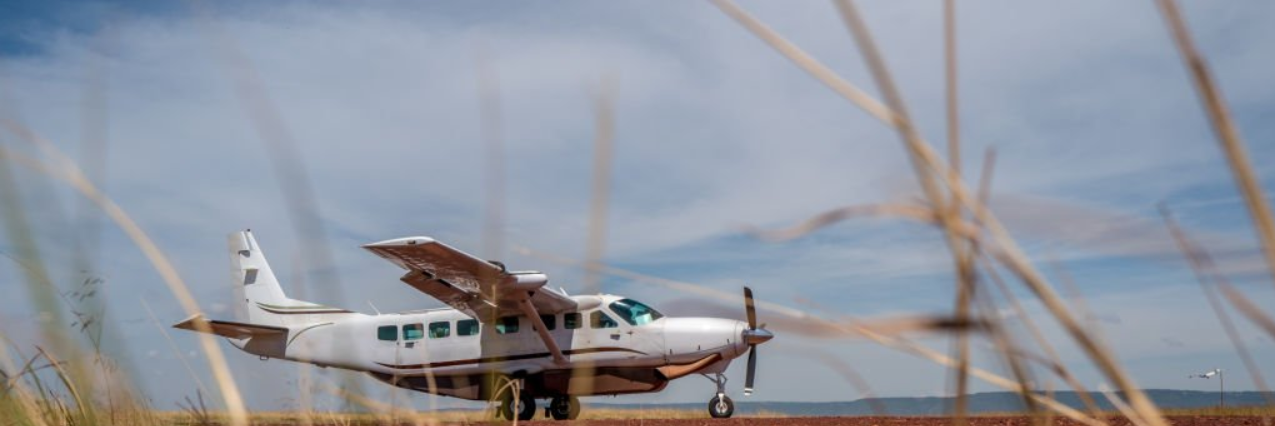
Tanzania has a well-developed network of domestic flights connecting major safari hubs like Arusha, Kilimanjaro, Dar es Salaam, and Zanzibar to key parks such as the Serengeti, Ruaha, and Selous.
Advantages of Domestic Flights
-
Time-Saving: Flights drastically reduce travel time. For instance, flying from Arusha to the Serengeti takes about 1.5 hours versus an 8-hour drive.
-
Comfort: Small aircraft (like Cessnas) provide a smooth and scenic ride over Tanzania’s landscapes.
-
Accessibility: Some remote parks, like Mahale Mountains (for chimpanzee trekking), are best reached by air.
-
Reduced Fatigue: Less time on the road means more energy for game drives.
Disadvantages of Domestic Flights
-
Higher Cost: Flights are more expensive than road transfers.
-
Luggage Restrictions: Weight limits (usually 15-20kg) apply due to small aircraft capacity.
-
Fixed Schedules: Flights may not always align perfectly with your itinerary, requiring extra planning.
-
Less Flexibility: You miss out on the road trip experience and spontaneous stops.
Best For:
-
Luxury travelers
-
Those with limited time
-
Visitors prioritizing comfort
3. Private Charters: The Ultimate Luxury Option for Fly or Drive
For those seeking exclusivity and convenience, private air charters are the pinnacle of safari travel in Tanzania.
Advantages of Private Charters
-
Customizable Schedules: You choose departure times, avoiding commercial flight restrictions.
-
Access to Remote Airstrips: Some private lodges have their own airstrips, allowing direct access.
-
Luxury Experience: High-end charters offer premium comfort, often with fewer luggage restrictions.
-
Exclusivity: No waiting for other passengers—just you and your group.
Disadvantages of Private Charters
-
Very Expensive: Costs can be prohibitive for most travelers.
-
Limited Availability: Requires advance booking, especially in peak season.
Best For:
-
High-end travelers
-
Honeymooners or special occasions
-
Those visiting ultra-remote areas
4. Guided Safari Tours: The All-Inclusive Solution
Many travelers opt for pre-arranged safari tours, which include transportation between parks as part of a package.
Advantages of Guided Tours
-
Hassle-Free Planning: Transfers, accommodations, and game drives are all organized.
-
Expert Guidance: Professional guides enhance the experience with wildlife knowledge.
-
Group Discounts: Shared vehicles reduce costs compared to private transfers.
Disadvantages of Guided Tours
-
Less Flexibility: You follow a set itinerary.
-
Group Dynamics: You may have to accommodate other travelers’ schedules.
Best For:
-
First-time safari-goers
-
Those who prefer structured itineraries
-
Solo travelers looking for a group experience
Which Option is Best for You?
1. Budget Travelers → Road Transfers
If you’re watching costs and don’t mind long drives, road transfers are ideal.
2. Mid-Range Travelers → Mixed Approach (Fly One Way, Drive Back)
A popular compromise is flying into a park (e.g., Serengeti) and driving back to save money while reducing fatigue.
3. Luxury Travelers → Domestic Flights or Private Charters
For those prioritizing comfort and time, flying is the best choice. Private charters offer the ultimate exclusivity.
4. Adventure Seekers → Self-Drive Safaris (For Experienced Travelers Only)
Self-driving is possible but challenging due to rough terrain, park fees, and navigation. Only recommended for seasoned overlanders.
Final Thoughts
The best way to travel between Tanzania’s safari parks depends on your priorities:
-
Budget? Road transfers.
-
Time? Domestic flights.
-
Luxury? Private charters.
-
Convenience? Guided tours.
Whichever option you choose, Tanzania’s breathtaking wildlife and landscapes will make your journey unforgettable. Plan wisely, and enjoy the adventure of a lifetime!