Queen Elizabeth National Park: Uganda’s Wildlife and Scenic Wonder
Queen Elizabeth National Park, located in western Uganda along the Albertine Rift, is one of the most remarkable natural treasures in East Africa. Covering nearly 1,978 square kilometers, the park showcases a remarkable diversity of ecosystems, including savannah plains, crater lakes, wetlands, and forested hills. This variety of landscapes supports an astonishing array of wildlife, making it one of the continent’s premier safari destinations. Visitors to the park are treated to experiences that range from thrilling predator encounters and elephant sightings to tranquil boat cruises along shimmering waterways and birdwatching in lush wetland areas. Its proximity to other iconic sites such as Bwindi Impenetrable Forest and Mgahinga Gorilla National Park also allows travelers to combine savannah and rainforest adventures in a single journey, creating a full spectrum East African safari experience.
Wildlife and Predators
Queen Elizabeth National Park is home to an extraordinary variety of wildlife, including the Big Five—lions, elephants, leopards, Cape buffalo, and Nile crocodiles. The park’s predators provide one of its most unique claims to fame, particularly in the Ishasha sector where lions are known to climb fig trees. This rare behavior, observed almost nowhere else in the world, allows photographers and wildlife enthusiasts to capture dramatic compositions of resting lions perched high above the ground against the backdrop of rolling savannahs. Leopards, while elusive, inhabit forested areas and riverine zones, adding to the park’s allure for more patient safari-goers seeking the thrill of spotting a stealthy predator in its natural habitat.
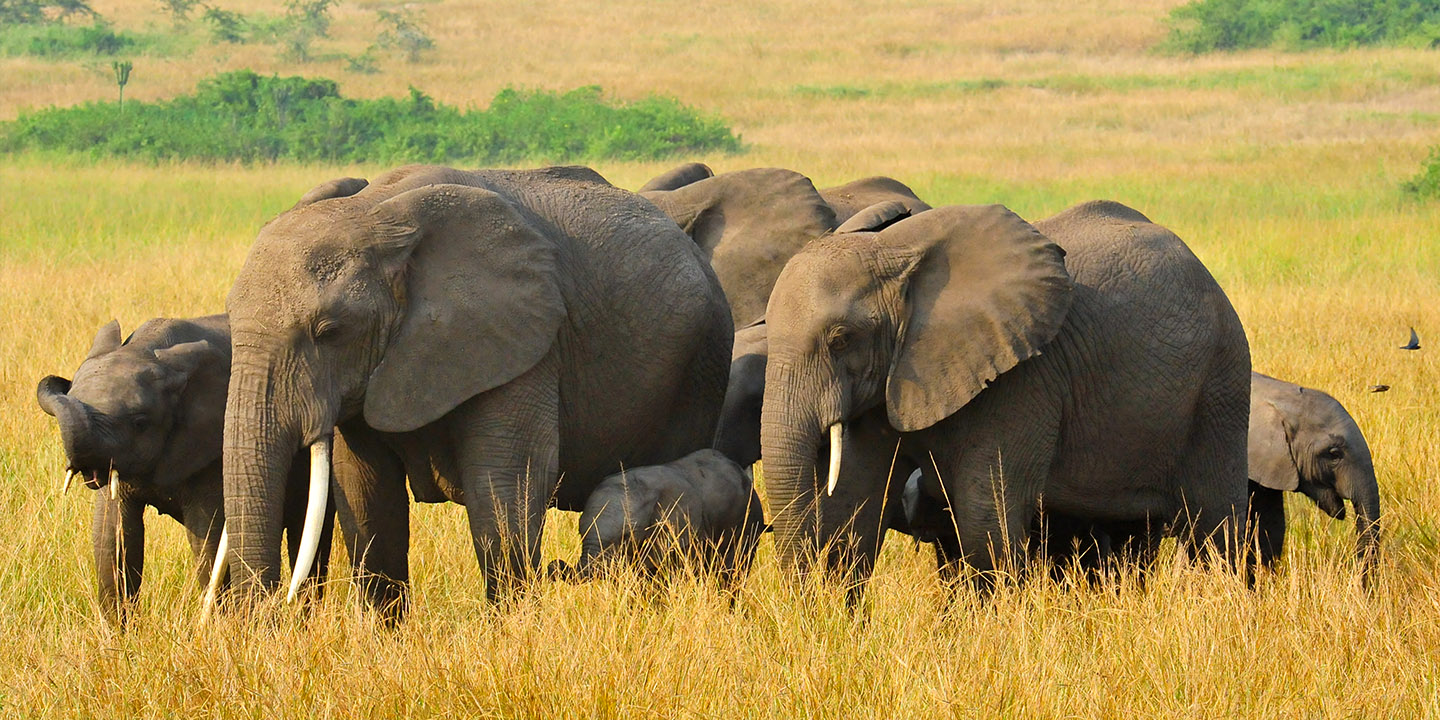
Elephants roam freely across the park’s plains, often in family groups that provide captivating photographic moments. Buffalo herds traverse the savannah in majestic formations, while Uganda kob, topi, warthogs, and waterbuck populate the grasslands, offering a glimpse into the complex interconnections of predator and prey dynamics. Along the Kazinga Channel, which links Lake Edward and Lake George, hippos lounge in the water, crocodiles bask on sunlit banks, and a profusion of birds grace the skies, all of which create living panoramas for nature photographers. The seasonal movements of these animals further enhance the safari experience, as visitors during the dry months find wildlife gathering around water sources, making sightings both frequent and predictable.
The Kazinga Channel and Wetlands
The Kazinga Channel is arguably one of the park’s most photographed features. Stretching over 32 kilometers, this natural waterway teems with life. Hippos, crocodiles, elephants, and a wide variety of waterbirds can be seen along its banks, offering visitors the chance to experience aquatic and terrestrial wildlife in a single setting. Morning boat cruises along the channel reveal the calm beauty of mist rising off the water, while afternoon trips provide golden-hour light perfect for capturing silhouettes and reflections. The wetlands surrounding the channel are also critical for biodiversity, hosting species that are rare elsewhere in Uganda. Herons, kingfishers, and African fish eagles are common sights, with the park boasting over 600 bird species in total. Birdwatchers and photographers alike find the Kazinga Channel an ideal stage to observe behavior, composition, and interactions between species against the ever-changing backdrop of the Rwenzori Mountains and crater lakes.
Crater Lakes and Scenic Landscapes
The park is dotted with over thirty crater lakes, each carrying a unique geological and cultural story. Lake Katwe, famous for its salt extraction, exemplifies the interplay between natural resources and local livelihoods. These lakes, framed by rolling hills and volcanic formations, provide photographers and visitors with tranquil scenes where water, wildlife, and light merge harmoniously. Early mornings bring mist that clings to the crater rims, creating ethereal landscapes, while sunsets illuminate the hills in warm hues, perfect for wide-angle photography and landscape compositions. The diversity of these ecosystems within a single park means that travelers can witness wetland ecosystems, volcanic landscapes, and open savannah plains in one journey, a rare opportunity in Africa.
Cultural Experiences
Beyond its remarkable wildlife, Queen Elizabeth National Park offers rich cultural interactions. Several local communities, including the Basongora and Bakonjo, live in and around the park, relying on agriculture and livestock while participating in conservation initiatives. Visitors can engage with these communities to gain insights into traditional practices, cultural heritage, and the ways humans coexist with wildlife. Observing salt harvesting, local fishing techniques, and traditional crafts adds depth to a safari visit, transforming it from a mere wildlife excursion into a holistic cultural immersion. These encounters provide storytelling opportunities for photographers looking to capture authentic human-nature relationships and convey the interplay between local livelihoods and conservation.
Safari Experiences and Activities
Safaris in Queen Elizabeth National Park are diverse and cater to a wide range of interests. Game drives through savannahs and forested patches allow for up-close encounters with predators and herbivores alike. Boat cruises along the Kazinga Channel combine wildlife observation with scenic photography, while guided walking safaris reveal the smaller, often overlooked wonders of the park, such as primates, insects, and plant species. Seasonal variations enhance the experience: dry months provide easier access and concentrated wildlife sightings, while the rainy season brings lush vegetation, misty mornings, and fewer tourists, ideal for photographers seeking dramatic and atmospheric shots.
For adventure seekers, the park also offers optional hikes up the slopes near crater lakes and forested hills, providing elevated vantage points for panoramic views. Sunrise and sunset drives are particularly rewarding, with soft light and long shadows creating dynamic compositions. Night drives reveal nocturnal species, from bush babies to genets, offering another dimension to wildlife observation.
Conservation and Importance
Queen Elizabeth National Park is not only a hub for tourism but also a critical center for conservation in Uganda. The park’s management focuses on anti-poaching initiatives, habitat preservation, and sustainable tourism practices that benefit both wildlife and local communities. These efforts have helped maintain populations of elephants, lions, and other key species, while simultaneously supporting ecotourism that generates revenue for conservation and local livelihoods.
Visitors play a role in this conservation narrative simply by traveling responsibly, following park regulations, and respecting wildlife. Educational programs and guided tours emphasize the importance of coexistence, highlighting how conservation efforts contribute to the survival of species and the ecological health of the region.
Conclusion
Queen Elizabeth National Park stands out as a quintessential Ugandan safari destination where diversity, beauty, and adventure converge. From the dramatic tree-climbing lions of Ishasha to the tranquil waters of the Kazinga Channel, the park offers a wide array of photographic and wildlife experiences. Its combination of savannah plains, wetlands, crater lakes, and forested areas makes it a uniquely comprehensive ecosystem in East Africa. Visitors leave with memories of breathtaking landscapes, intimate wildlife encounters, and meaningful cultural interactions, all set against the backdrop of Uganda’s iconic natural beauty.