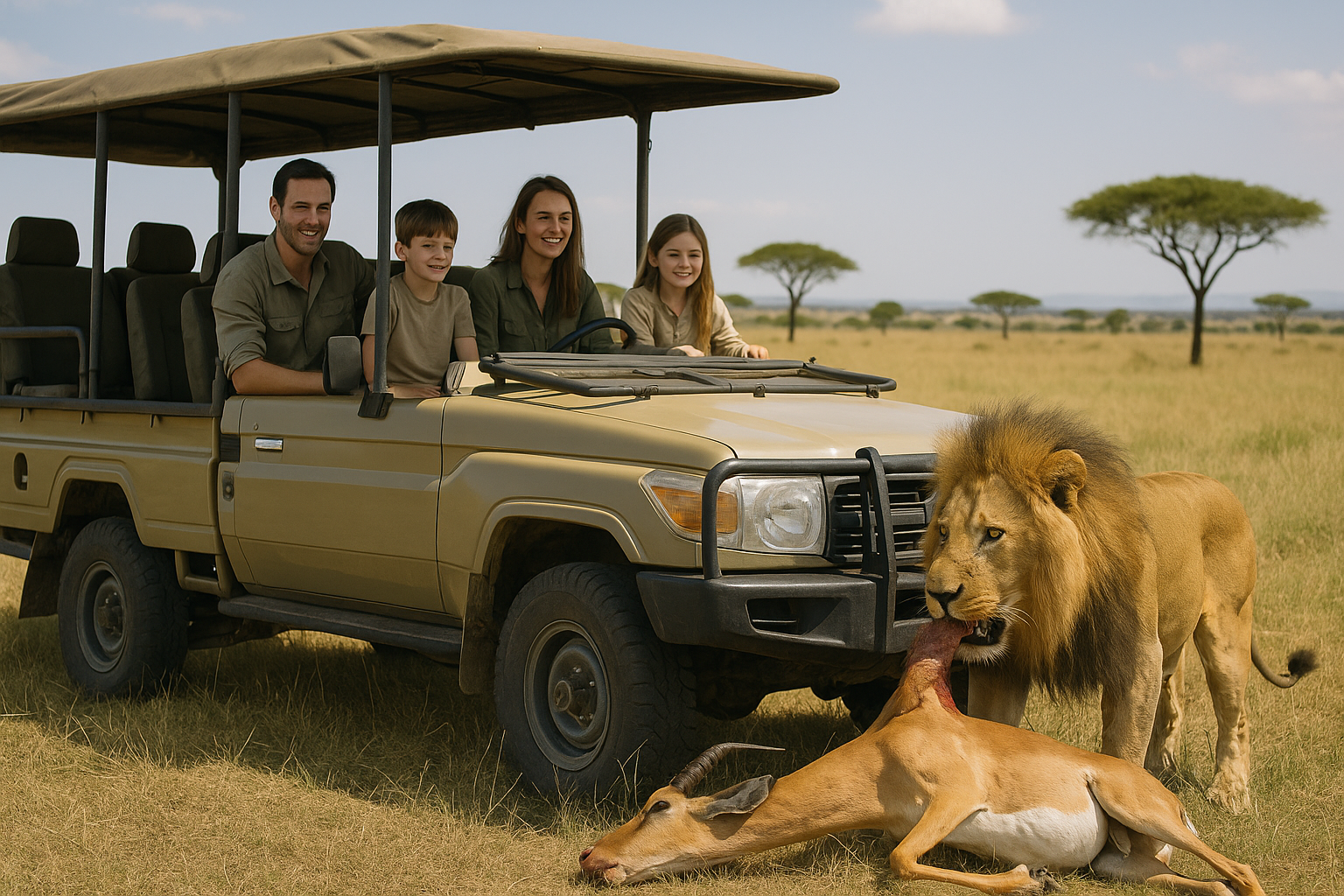
East Africa Travel Tips 2026: Your Complete Guide for an Unforgettable Safari
East Africa is a region of extraordinary landscapes, wildlife, and cultural diversity, encompassing countries like Uganda, Rwanda, Kenya, Tanzania, and parts of Ethiopia. For travelers planning a safari or wildlife adventure, East Africa offers everything from towering volcanoes and tropical rainforests to vast savannahs teeming with iconic wildlife. However, exploring the region requires careful planning to make the most of its offerings.
Whether you are trekking mountain gorillas in Bwindi or Volcanoes National Park, tracking chimpanzees in Kibale or Nyungwe, experiencing the Great Migration in the Serengeti, or spotting the Big Five in Kenya’s Masai Mara, preparation is key. Understanding logistics, health requirements, permits, travel seasons, and cultural etiquette ensures a smooth, safe, and rewarding journey. East Africa travel tips are essential for maximizing both wildlife encounters and overall safari enjoyment.
Choosing the Best Time to Travel
Timing is critical in East Africa. Most wildlife experiences are season-dependent. The dry seasons, from June to September and December to February, provide optimal conditions for wildlife viewing, as animals congregate around water sources and dirt roads are more accessible. Gorilla and chimpanzee trekking are easier during these months, with firmer trails and more reliable visibility.
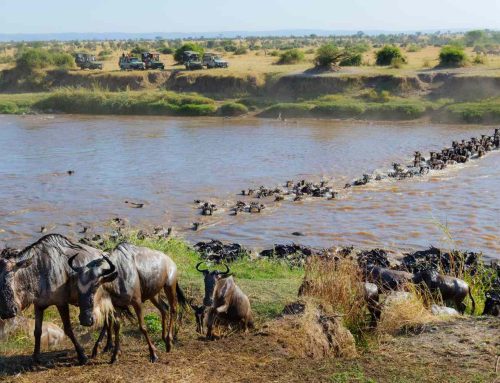
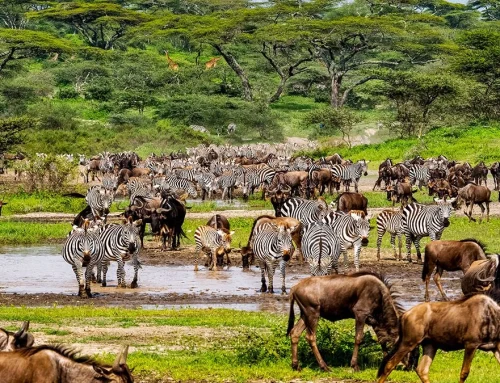
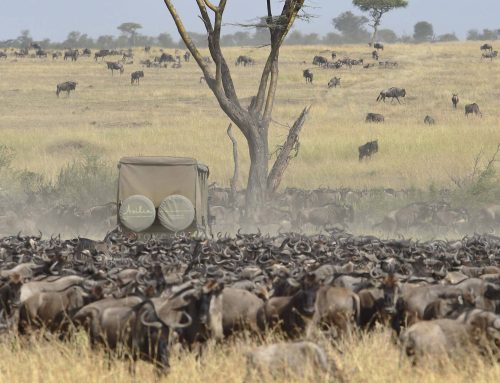
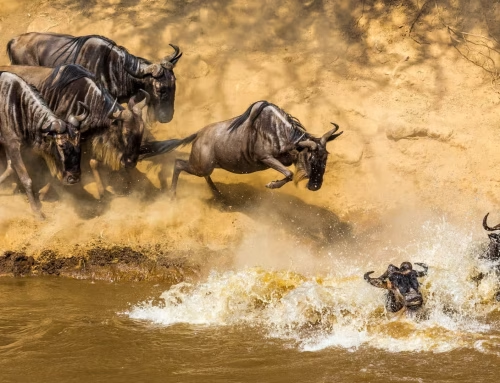
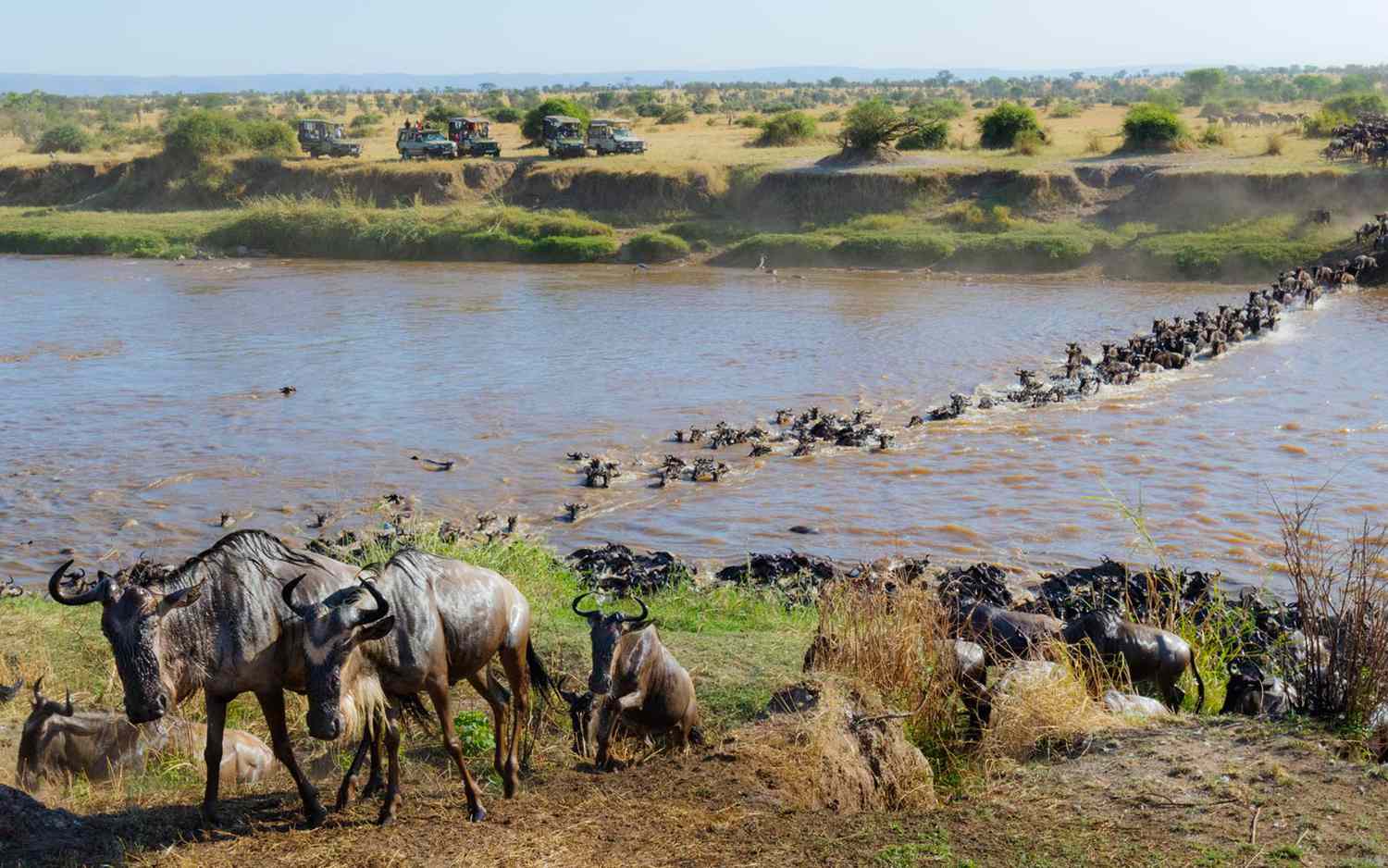
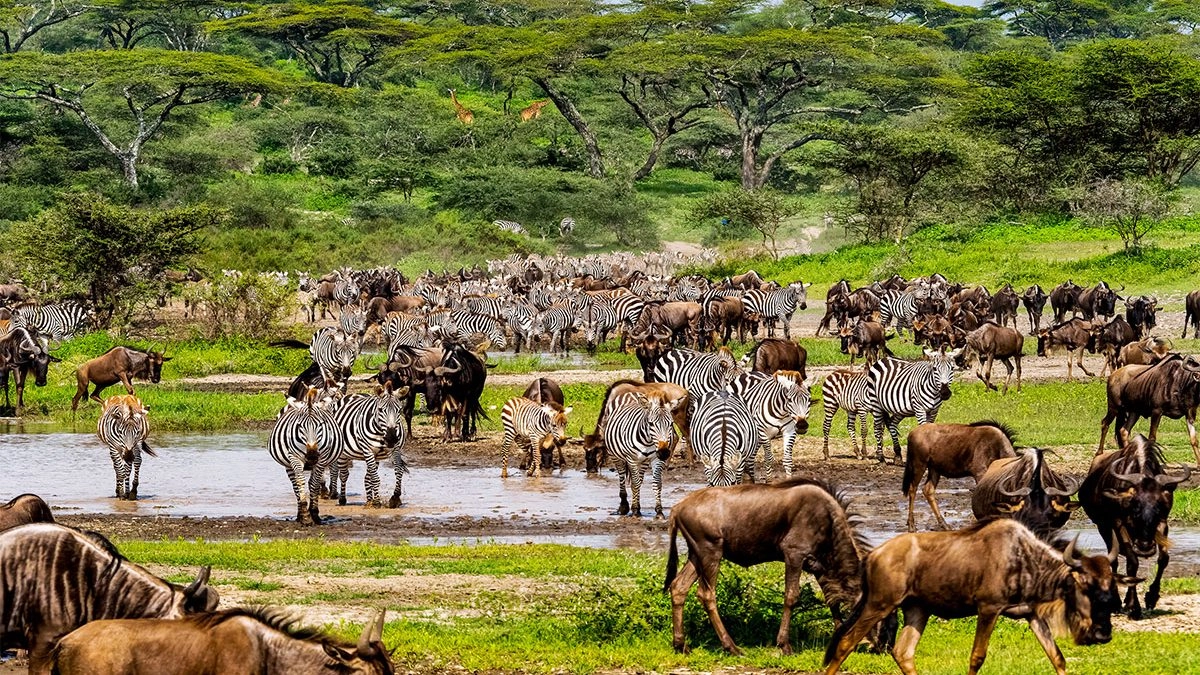
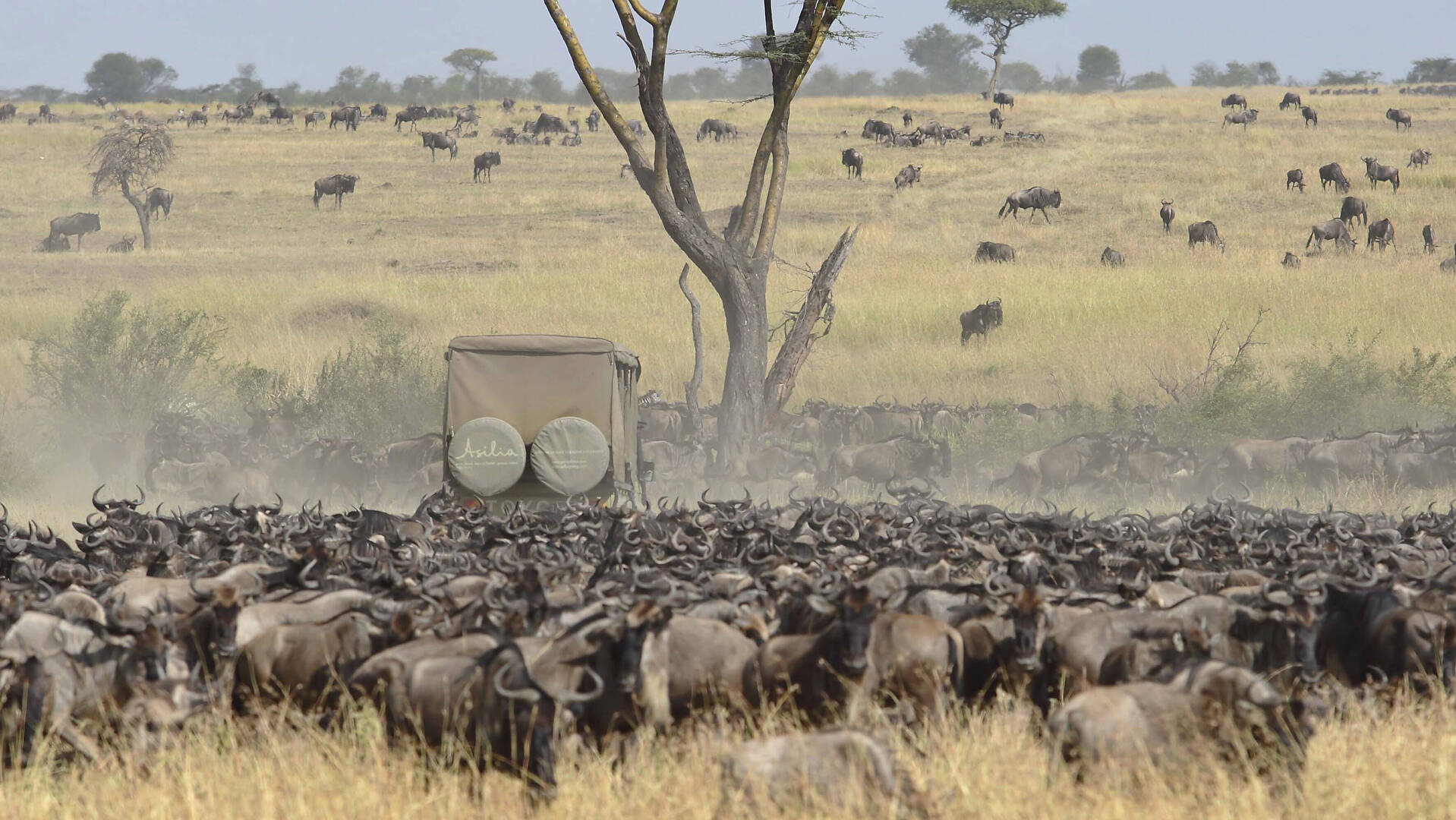
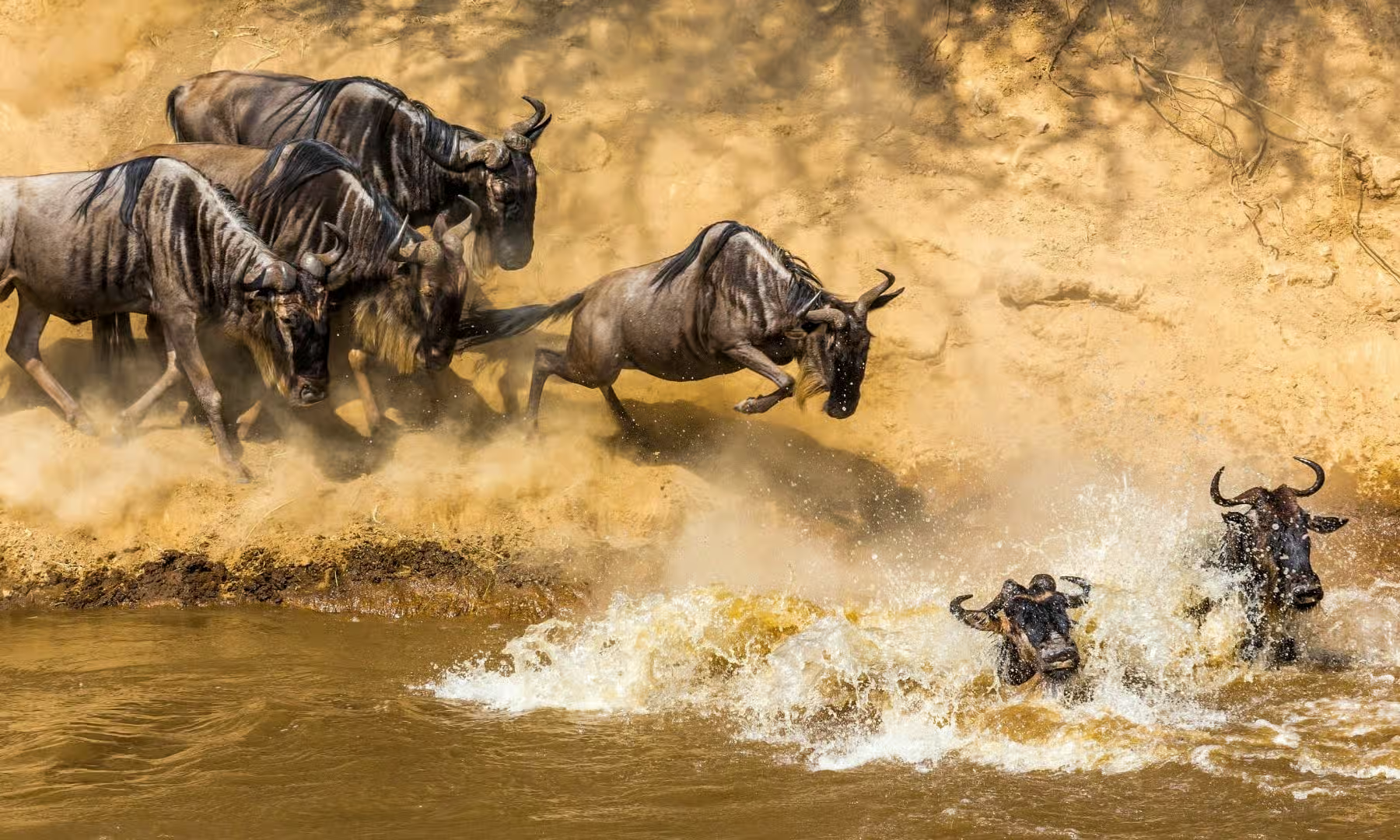
Wet seasons, from March to May and October to November, offer lush scenery, fewer tourists, and vibrant birdlife. However, heavy rains can make some trails slippery, roads challenging, and wildlife more dispersed. Choosing the season depends on the focus of your safari. For gorilla trekking, avoiding the wettest months ensures safer and more comfortable forest walks. For migration-focused safaris in Tanzania and Kenya, timing visits to coincide with peak movement of wildebeest and zebras enhances wildlife viewing.
Visa and Entry Requirements
Most travelers to East Africa require visas, which can often be obtained online or upon arrival, depending on nationality. Countries like Uganda and Rwanda offer e-visas that simplify the process. It is also important to check multi-country travel arrangements; for example, the East Africa Tourist Visa allows access to Kenya, Uganda, and Rwanda with a single permit.
Health requirements typically include proof of yellow fever vaccination. Malaria prophylaxis is strongly recommended, and travelers should ensure routine vaccinations are up to date. Carrying travel insurance that covers medical emergencies, evacuation, and trip interruptions is highly advisable due to the remoteness of some safari locations.
Safari Planning and Itineraries
A successful East Africa safari requires thoughtful itinerary planning. Visitors should consider the type of wildlife experiences they prioritize. For primate enthusiasts, Uganda and Rwanda offer gorilla and chimpanzee trekking. Savanna-focused safaris in Kenya and Tanzania provide classic Big Five sightings, dramatic landscapes, and seasonal migrations.
Travelers should also plan the sequence of destinations to minimize travel time and maximize experiences. Combining domestic flights with overland transfers allows efficient movement between parks, while staying close to wildlife hubs reduces the stress of long drives. Early morning and late afternoon game drives offer the best lighting for photography and the highest likelihood of spotting active animals.
Health and Safety Tips
East Africa requires specific health precautions. Carry insect repellent, wear neutral-colored clothing, and use sunscreen for daytime drives. Drinking bottled or filtered water reduces the risk of waterborne illnesses. Trekking for gorillas or chimpanzees demands physical preparedness, as trails can be steep, muddy, and slippery.
Safety also involves respecting wildlife. Maintain a safe distance from animals, follow guide instructions, and avoid sudden movements or loud noises. In parks with predators, always remain in vehicles during game drives unless otherwise instructed by guides. Travelers should also remain aware of road conditions, particularly during wet seasons, and hire experienced drivers familiar with local terrain.
Packing Essentials
Packing smart is crucial for comfort and safety. Essentials include breathable, moisture-wicking clothing in neutral tones, sturdy hiking boots, rain gear, hats, and sunglasses. Binoculars, camera equipment with zoom lenses, and extra batteries or memory cards are recommended for capturing wildlife moments. A first-aid kit, personal medications, and hand sanitizers are important for remote locations.
For forest trekking, gloves and gaiters help protect against thorns and mud. Lightweight backpacks allow easy movement, and reusable water bottles ensure hydration throughout the day. Layering is essential in regions with variable temperatures, from the cool high-altitude forests to warm savannah plains.
Cultural Etiquette and Responsible Tourism
Respecting local communities is vital in East Africa. Visitors should seek permission before photographing individuals, avoid sensitive topics without guidance, and support community-run lodges and local crafts. Understanding that conservation efforts often depend on local cooperation enhances appreciation for the intertwined nature of wildlife preservation and community development.
Responsible tourism extends to wildlife interaction. Always maintain minimum distances, avoid feeding animals, and adhere to park regulations. Supporting ethical operators and guides ensures that tourism benefits conservation and local livelihoods while minimizing ecological impact.
Budget and Costs
East Africa offers a range of safari experiences for different budgets. Gorilla trekking permits are the highest cost component, reflecting conservation funding and limited availability. Savanna safaris vary depending on accommodation, park fees, and vehicle arrangements. Travelers should plan for additional costs such as tips, optional excursions, and domestic flights. Booking in advance for peak seasons ensures access to permits and preferred lodges.
Budget-friendly options include mid-range lodges, guesthouses, and community camps, which provide comfortable experiences without sacrificing wildlife access. Luxury lodges offer all-inclusive services, high-end dining, and exclusive wildlife encounters for travelers seeking premium experiences.
Photography and Wildlife Observation Tips
Photography is a major focus for safari travelers. Early morning and late afternoon light provide the best conditions. Use telephoto lenses for wildlife, wide-angle lenses for landscapes, and fast shutter speeds for moving animals. Maintaining patience, observing animal behavior, and minimizing movement enhances photographic success.
Respect wildlife while photographing, avoid flash near primates, and follow guides’ instructions for safe distances. Keeping cameras accessible during game drives and forest treks ensures readiness for sudden wildlife sightings.
Transportation and Accessibility
East Africa’s safari hubs are accessible by international airports in Nairobi, Entebbe, Kigali, and Dar es Salaam. Domestic flights connect major parks, reducing travel time. Overland transfers are feasible for short distances but can be slow during rainy seasons. Hiring experienced drivers familiar with park conditions is highly recommended for safety and efficient travel.
Road conditions vary, and some parks have limited infrastructure. Combining domestic flights with guided overland drives ensures both convenience and authentic experiences. Travelers should factor in transfer times, border crossings, and rest breaks to maximize safari enjoyment.
Conclusion
East Africa offers a safari experience like no other, blending extraordinary wildlife, scenic landscapes, and rich cultural encounters. Preparation is key: understanding visas, health precautions, best travel seasons, and park logistics ensures a safe and rewarding adventure. From gorilla and chimpanzee trekking in Uganda and Rwanda to savannah game drives in Kenya and Tanzania, travelers can experience the full spectrum of African wildlife and scenery.
By following practical travel tips, packing appropriately, respecting local cultures, and supporting conservation-focused operators, visitors maximize their safari experience while contributing to the preservation of East Africa’s unique ecosystems. Proper planning transforms an East Africa safari from a simple holiday into a life-changing journey into one of the most biodiverse regions on the planet.