Do Wildebeest Always Cross at the Same Spots? Understanding the Great Migration
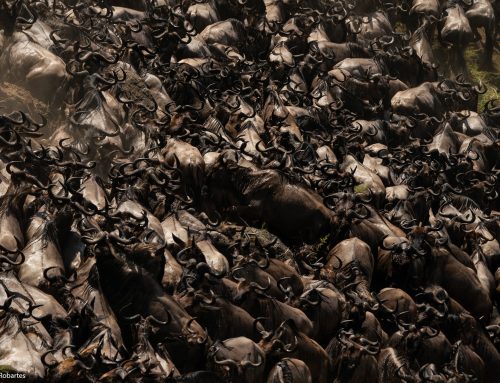
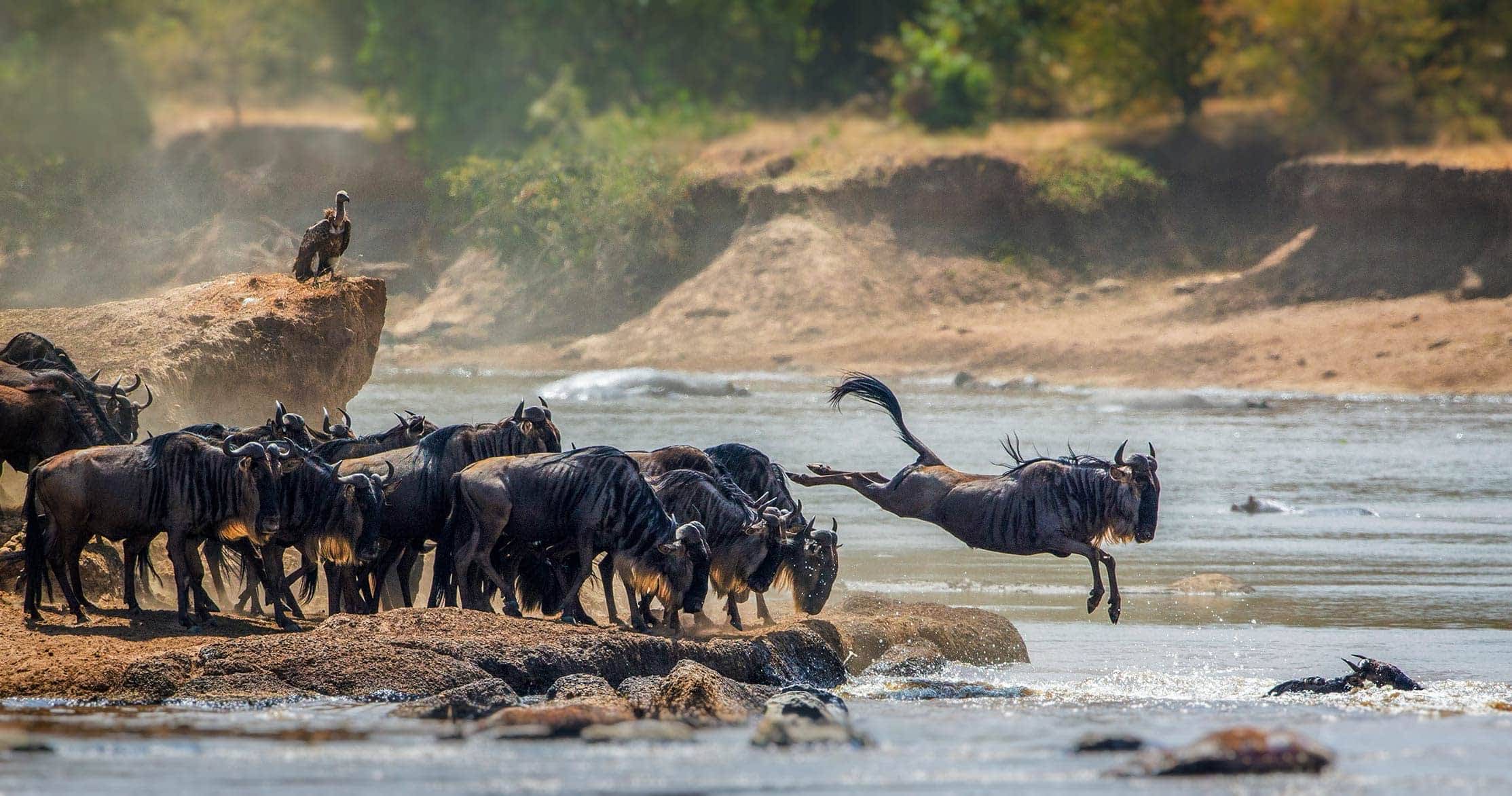
One of the most awe-inspiring spectacles on Earth is the Great Wildebeest Migration. Each year, over a million wildebeest, accompanied by zebras and gazelles, traverse the plains of the Serengeti and Masai Mara in search of greener pastures and water. For travelers and wildlife photographers, witnessing a river crossing is often the highlight of a safari. But the question arises: do wildebeest always cross at the same spots?
The answer is both yes and no. While wildebeest tend to have preferred crossing points, several factors influence where and when they actually cross, making each year’s migration unique.
Preferred Crossing Points
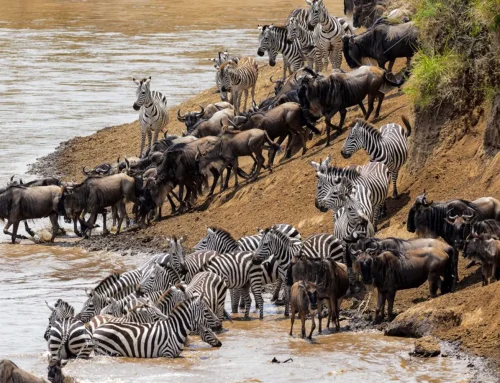
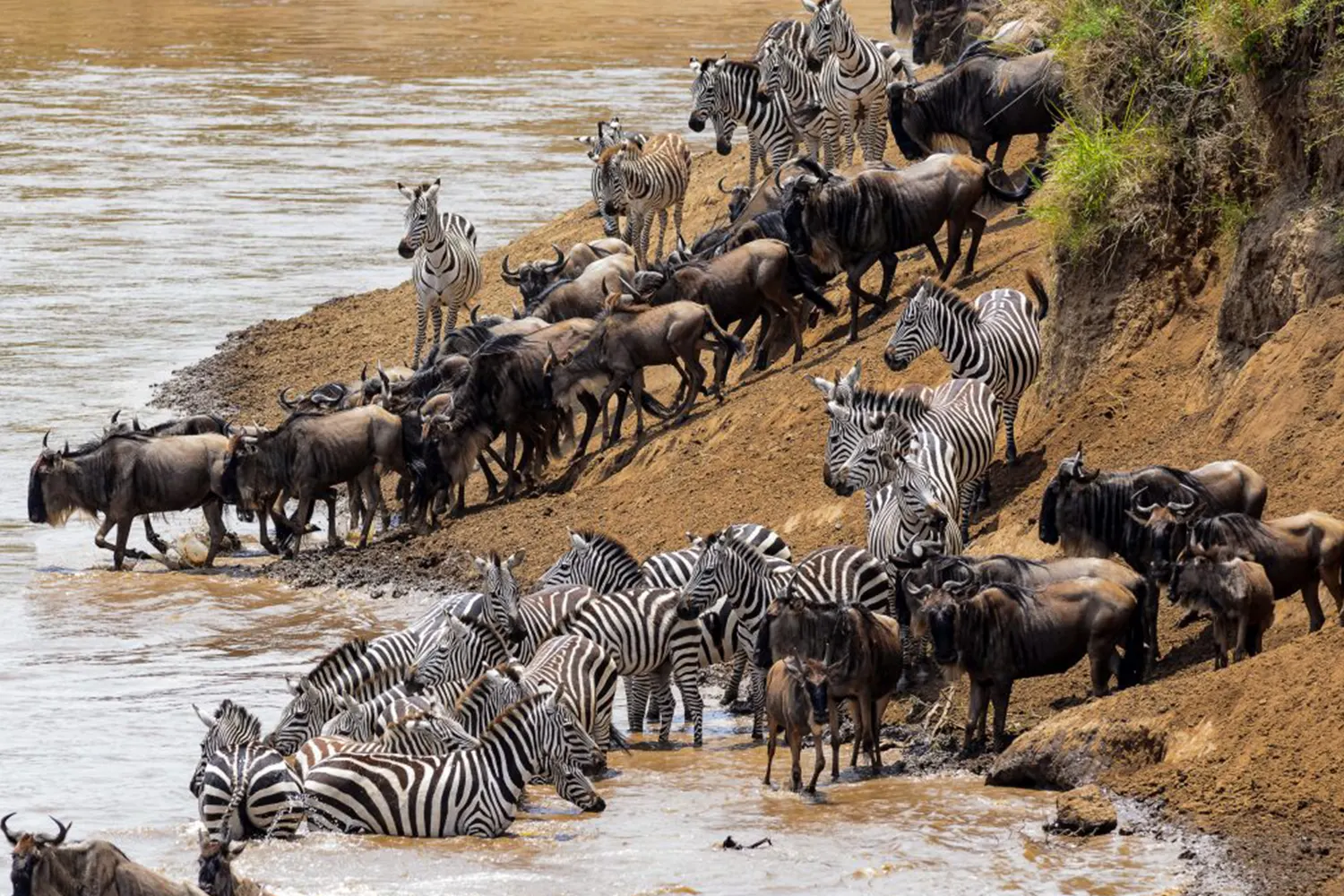
Wildebeest are creatures of habit. Over time, they have learned the geography of the rivers they encounter. Certain spots along rivers, such as the Mara River in the Masai Mara or the Grumeti River in the Serengeti, are historically favored because they are:
- Shallow or gently sloping, allowing easier passage for the herd.
- Shorter distances between banks, reducing exposure to predators and fast currents.
- Geographically aligned with migration paths, so the route is energy-efficient.
Tour operators and guides often know these locations well, which is why safari itineraries frequently highlight them as “classic crossings.”
Do Wildebeest Always Cross at the Same Spots?
Why Crossings Can Vary
Despite their preferences, wildebeest are not rigid in their behavior. Several environmental and biological factors can cause them to alter their crossing points:
1. River Conditions
Rainfall in East Africa fluctuates yearly, affecting river depth and flow speed. A usual crossing may become too dangerous during heavy rains, prompting the herd to find safer, shallower points upstream or downstream.
2. Predator Presence
Crocodiles, lions, and hyenas patrol the riverbanks. If a particular spot is heavily occupied by predators, the herd may split or divert to avoid mass casualties, making the crossing appear unpredictable.
3. Terrain Changes
Erosion, vegetation growth, or flooding can change the riverbanks over time. Wildebeest avoid areas that are muddy, slippery, or overgrown, adapting to safer terrain each season.
4. Herd Dynamics
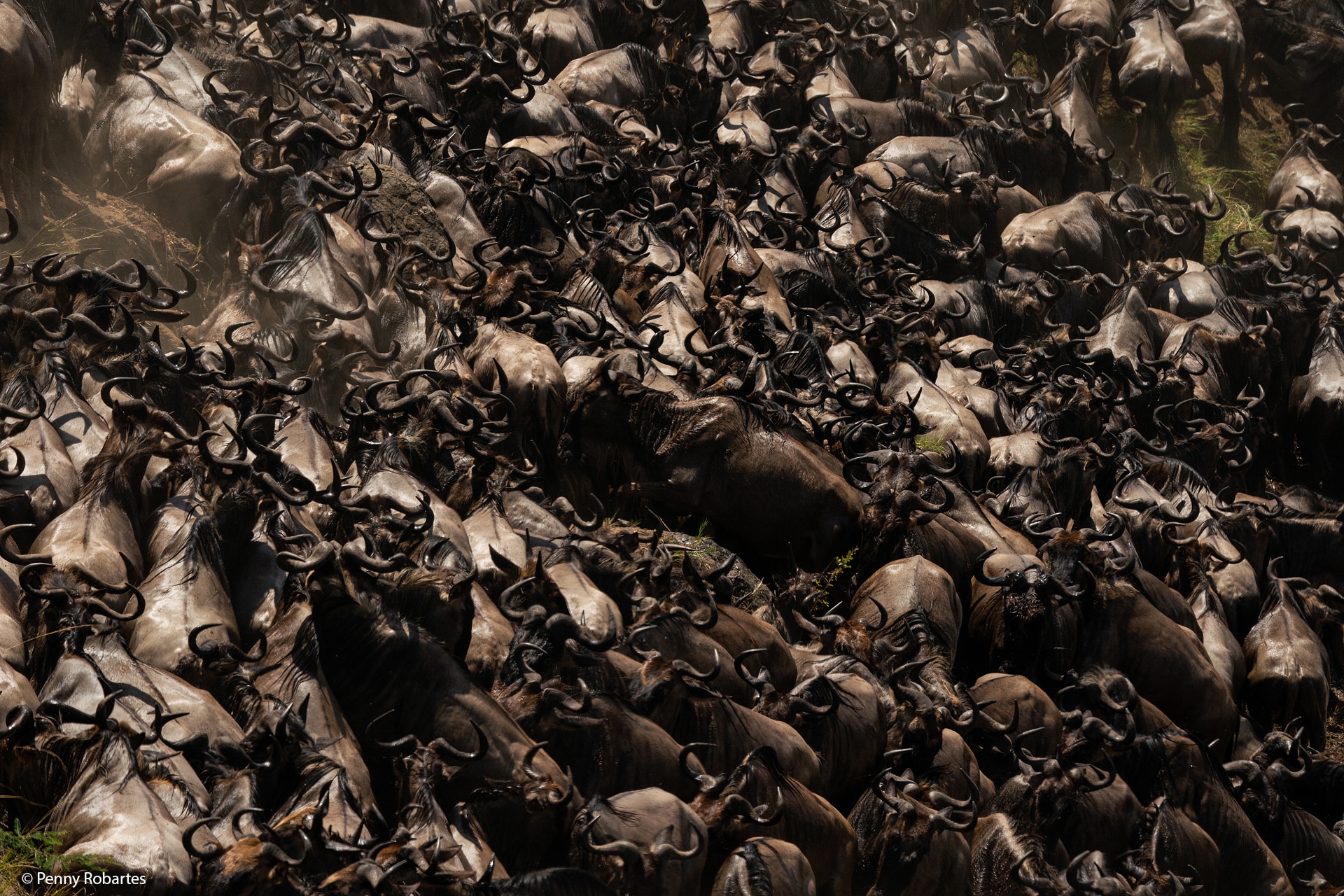
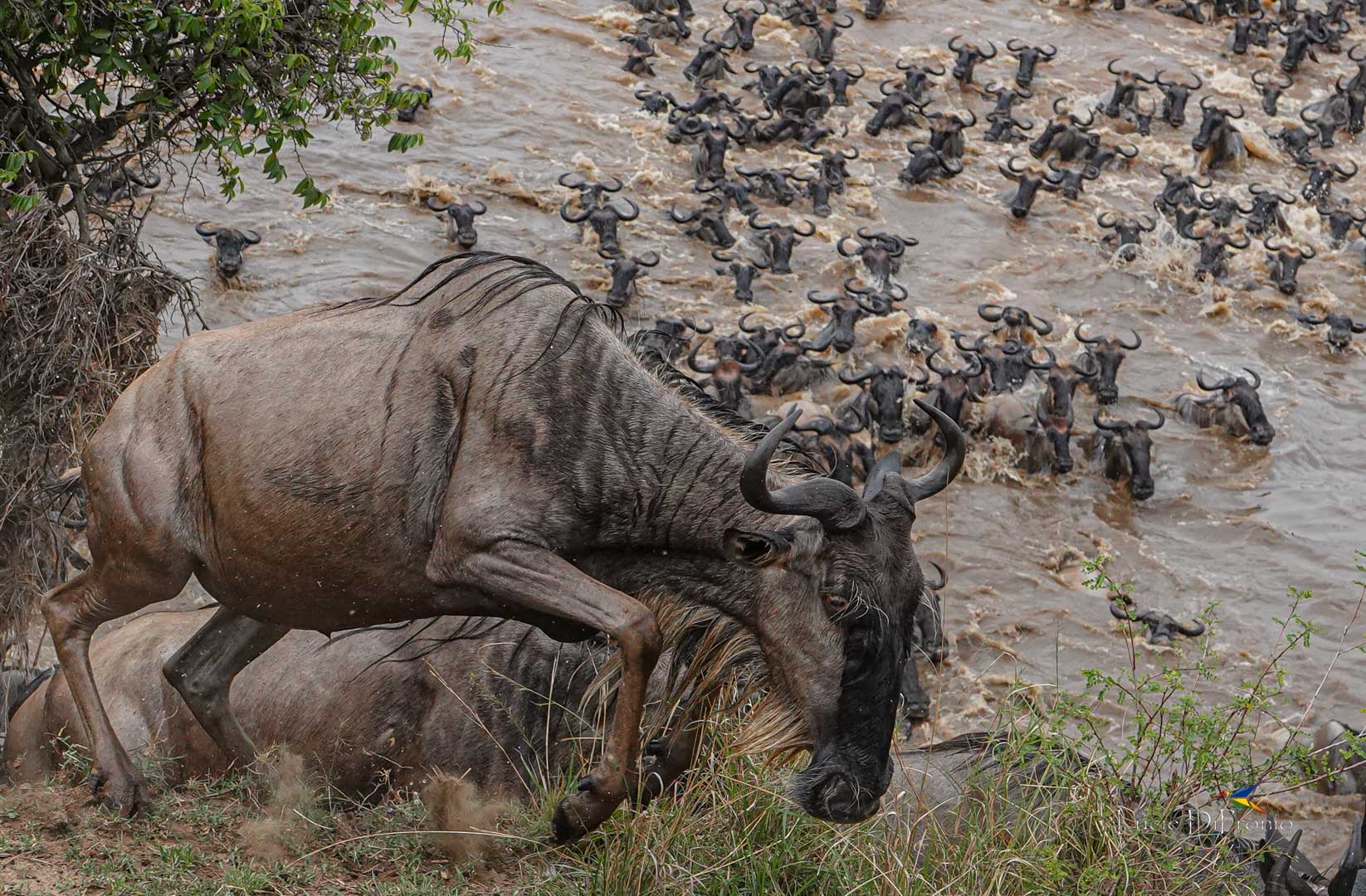
The migration involves millions of animals moving together. Large herds often split into subgroups, leading to multiple crossings at nearby points rather than a single, fixed location.
5. Weather and Pasture Availability
Droughts or shifts in grass growth influence the direction of travel. If pastures near a usual crossing are scarce, wildebeest may bypass that spot entirely in search of better grazing.
The Role of Guides and Predictability
For safari-goers, it’s important to understand that while the exact spot can vary, there are predictable patterns:
- Grumeti River crossings in western Serengeti are usually between June and July.
- Mara River crossings in the Masai Mara often occur from July to September.
- Northern Serengeti crossings are more sporadic, influenced by rainfall and grazing conditions.
Guides combine historical knowledge, real-time reports from other safari vehicles, and satellite data to predict likely crossings. Yet, part of the thrill is the unpredictability — you may witness a smaller group crossing unexpectedly, or see the herd bypass a famous spot altogether.
Do Wildebeest Always Cross at the Same Spots?
Tips for Observing River Crossings
- Plan around peak migration months – July to September is best for Mara River crossings, June to July for Grumeti.
- Be patient – Wild animals don’t operate on human schedules; expect waiting periods.
- Bring binoculars and telephoto lenses – Herds often split, and crossings can occur at multiple points simultaneously.
- Listen to guides – They monitor signs like dust clouds, animal movements, and predator activity to locate crossings.
- Respect wildlife – Keep a safe distance from the animals and avoid making sudden noises that could disrupt the crossing.
Why Crossings Are So Iconic
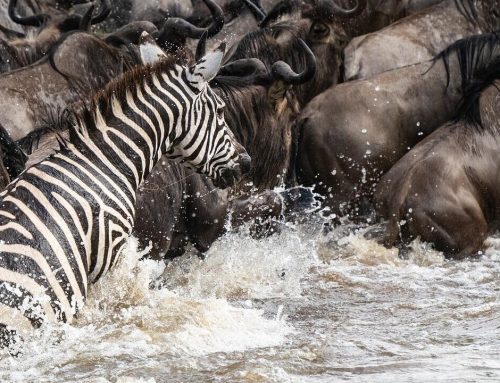
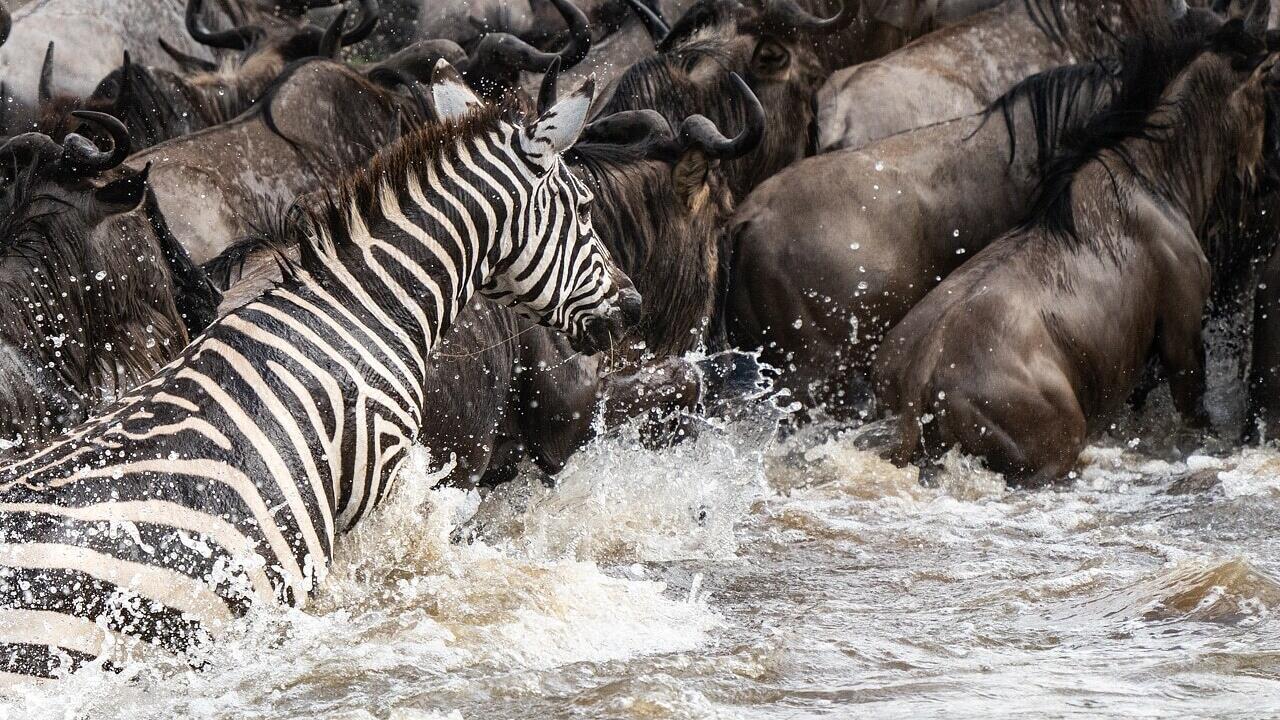
The unpredictability of wildebeest crossings is part of their magic. Every river crossing is a high-stakes drama — calves learning to swim, crocodiles lurking, and the herd navigating strong currents together. Each crossing is different, yet each is a testament to the endurance and instinct of these remarkable animals.
Final Thoughts
Wildebeest don’t always cross at the exact same spots. While they have preferred routes shaped by geography and instinct, rivers, predators, herd dynamics, and seasonal variations influence the precise location each year. For travelers, this means every migration is a new experience — familiar in its spectacle, yet unique in its unfolding drama.
Witnessing a wildebeest river crossing is not just about being at a “classic spot”; it’s about embracing the unpredictability of nature and appreciating the resilience and rhythm of the Great Migration. Whether you see a massive herd plunging into a river or a smaller group taking a detour, it’s an unforgettable reminder that in the wild, nothing is ever fixed, and every moment is extraordinary.