
Tsavo National Park, Kenya’s largest and oldest protected area, spans over 22,000 square kilometers and is divided into Tsavo East and Tsavo West. Known for its red-dusted elephants, dramatic landscapes, and diverse ecosystems, Tsavo offers a raw and authentic safari experience.
The Division: Tsavo East vs. Tsavo West
- Tsavo East: Famous for vast open plains, the Galana River, and the legendary Man-Eaters of Tsavo.
- Tsavo West: Known for scenic landscapes, Mzima Springs, volcanic hills, and dense bushland.
The Red Elephants of Tsavo
Tsavo is home to Kenya’s largest elephant population, and the iconic “red elephants” get their color from rolling in the park’s rich, red soil.
The Man-Eaters of Tsavo
Tsavo gained historical fame due to the man-eating lions of the late 19th century, which terrorized railway workers. These lions, now displayed in the Field Museum of Chicago, remain a fascinating aspect of Tsavo’s history.
Big Five and Other Wildlife
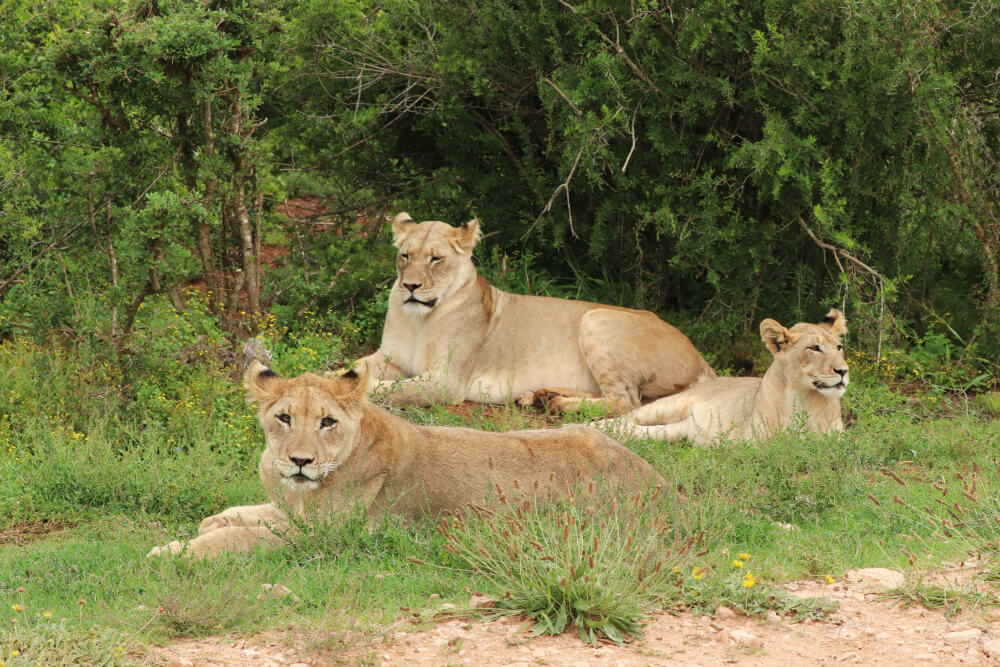
- Lions: Tsavo’s lions are famous for their shorter manes and unique behaviors.
- Leopards: Often spotted in Tsavo West’s rocky terrain.
- Buffaloes: Found in large herds throughout the park.
- Elephants: The highlight of any Tsavo safari.
- Rhinoceroses: Black rhinos thrive in protected sanctuaries like the Ngulia Rhino Sanctuary.
The Unique Landscapes of Tsavo
- Yatta Plateau: The world’s longest lava flow.
- Lugard Falls: A scenic cascade along the Galana River.
- Mzima Springs: A crystal-clear oasis fed by underground streams.
- Shetani Lava Flows: A vast field of black volcanic rock formed centuries ago.
Birdwatching in Tsavo
With over 500 bird species, Tsavo is a paradise for birdwatchers. Notable species include:
- Golden-breasted starling
- Martial eagle
- Secretary bird
- Ostriches and hornbills
Safari Activities in Tsavo National Park
- Game Drives: Morning and evening safaris for optimal wildlife viewing.
- Walking Safaris: Explore Tsavo West’s rugged terrain with an armed guide.
- Night Safaris: Unique opportunities to spot nocturnal animals.
- Cultural Visits: Meet the local Maasai and Taita communities.
Best Time to Visit Tsavo National Park
- June to October (Dry Season): Best for wildlife viewing as animals gather around water sources.
- November to May (Wet Season): Lush landscapes, fewer tourists, and excellent birdwatching.
Accommodation in Tsavo National Park
Luxury Lodges
- Finch Hattons
- Kilaguni Serena Safari Lodge
- Ashnil Aruba Lodge
Mid-Range Camps
- Voi Safari Lodge
- Severin Safari Camp
- Ngulia Safari Lodge
Budget Options
- Public campsites and self-catering bandas.
Getting to Tsavo National Park
- By Road: A 4-5 hour drive from Nairobi or a 3-hour drive from Mombasa.
- By Air: Flights land at airstrips within the park from Nairobi and Mombasa.
Conservation Efforts in Tsavo
Tsavo plays a crucial role in elephant and rhino conservation. Organizations like Save the Elephants and the David Sheldrick Wildlife Trust work to protect wildlife and combat poaching.
FAQs
What makes Tsavo National Park special?
Its size, diverse landscapes, and red elephants set it apart.
Can I see the Big Five in Tsavo?
Yes! Though rhinos are rare, they can be found in protected areas.
Is Tsavo safe for tourists?
Absolutely! Guided safaris ensure a safe and enjoyable experience.
How many days should I spend in Tsavo?
A 3 to 5-day safari allows time to explore both Tsavo East and Tsavo West.
Can I combine Tsavo with other destinations?
Yes! Many travelers combine Tsavo with Amboseli, Maasai Mara, or the Kenyan coast.
Tsavo National Park offers an untamed safari adventure like no other. Whether tracking the legendary man-eaters, marveling at red elephants, or exploring the volcanic landscapes, Tsavo delivers an authentic, unforgettable experience in the heart of Kenya.
