
Tarangire National Park is one of Tanzania’s most underrated wildlife destinations. Known for its majestic baobab trees, large elephant herds, and diverse ecosystems, this park offers an unforgettable safari experience. Located in the northern safari circuit, it is less crowded than Serengeti or Ngorongoro, making it perfect for travelers seeking tranquility and rich wildlife encounters.
Location and Accessibility
Tarangire National Park is situated in northern Tanzania, approximately 120 kilometers southwest of Arusha. It is easily accessible by road from Arusha, which takes about two hours. The park can also be reached by air through charter flights to the nearby Kuro Airstrip, making it convenient for those on a tight schedule.
Climate and Best Time to Visit
The park experiences two primary seasons:
- Dry Season (June to October): This is the best time for wildlife viewing, as animals gather around the Tarangire River. The dry season offers clear skies and easier access to different parts of the park.
- Wet Season (November to May): The landscape transforms into a lush green paradise, attracting migratory birds. While some roads become muddy, this is a great time for birdwatching and photography.
Wildlife in Tarangire National Park
Tarangire is renowned for its abundant wildlife, which includes:
- Elephants: The park hosts one of the largest elephant populations in Tanzania, with herds numbering over 100 individuals.
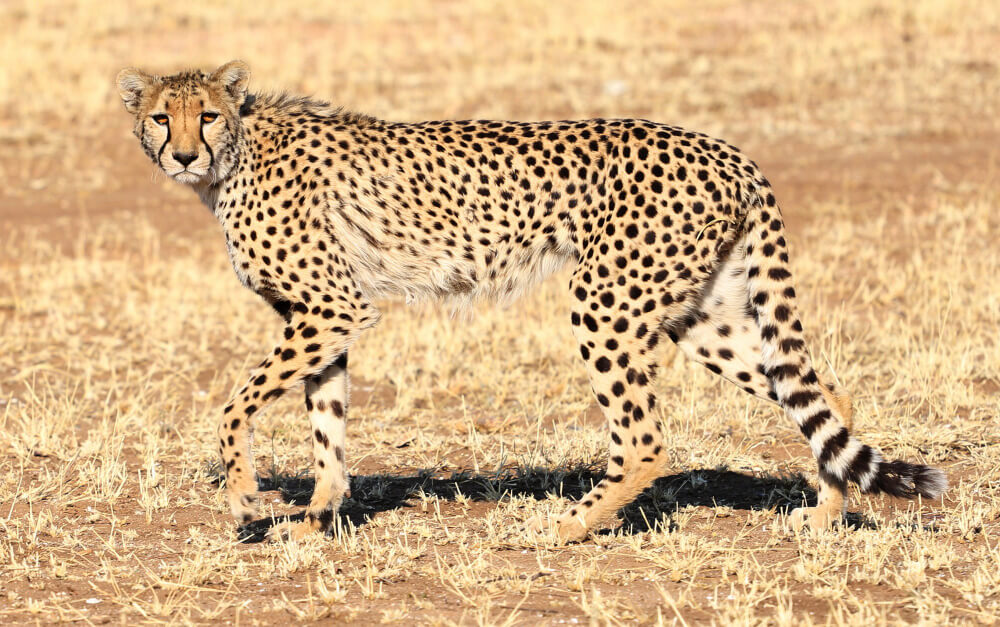
- Big Cats: Lions, leopards, and cheetahs roam the savannah in search of prey.
- Rare Species: Kudu, oryx, and gerenuk, which are hard to find in other northern parks, thrive in Tarangire.
- Birdlife: With over 500 bird species, including the yellow-collared lovebird and the giant kingfisher, the park is a haven for birdwatchers.
The Iconic Baobab Trees
One of the most striking features of Tarangire is its ancient baobab trees. These towering giants, some over 1,000 years old, provide shelter and food for animals and enhance the park’s scenic beauty.
The Tarangire River: Lifeline of the Park
The Tarangire River runs through the park, acting as the primary water source for wildlife, especially during the dry season. It attracts large herds of elephants, zebras, wildebeests, and predators looking for easy prey.
Safari Activities in Tarangire
Visitors can enjoy a variety of safari experiences, including:
- Game Drives: Morning and evening drives offer the best opportunities to see wildlife.
- Walking Safaris: Guided walks provide a closer look at the park’s smaller creatures and flora.
- Night Safaris: Special permits allow for night drives, where visitors can spot nocturnal animals like bush babies and aardvarks.
- Hot Air Balloon Safaris: An aerial perspective of Tarangire at sunrise is an unforgettable experience.
Lodges and Camps in Tarangire
Accommodation options range from luxury lodges to budget-friendly campsites:
- Luxury Lodges: Tarangire Treetops and Oliver’s Camp offer top-tier amenities.
- Mid-Range Camps: Tarangire Safari Lodge provides comfortable stays with stunning views.
- Budget Campsites: Public and special campsites offer an affordable way to experience the park.
Cultural Experiences Near Tarangire
Visiting nearby Maasai villages offers a unique cultural experience. Guests can learn about Maasai traditions, participate in dances, and explore local crafts.
Conservation Efforts and Sustainable Tourism
The park is part of Tanzania’s conservation strategy, with initiatives focusing on:
- Anti-Poaching Measures: To protect elephants and other endangered species.
- Community Involvement: Local communities benefit from tourism through employment and conservation education.
- Eco-Lodges: Many lodges operate with minimal environmental impact.
Why Tarangire National Park Should Be on Your Safari List
- Exclusive and Less Crowded: Unlike Serengeti, Tarangire offers a more intimate safari experience.
- Diverse Wildlife and Landscapes: From elephants to rare antelopes and massive baobab trees, the park is rich in biodiversity.
- Unique Activities: Walking safaris and night game drives are special highlights.
FAQs
What is the entrance fee for Tarangire National Park?
The entrance fee varies but is approximately $50 for adult foreign visitors and $25 for children.
How many days are ideal for visiting Tarangire?
A two to three-day safari is ideal for exploring the park’s wildlife and landscapes.
Is Tarangire good for a family safari?
Yes, the park is family-friendly with accommodations that cater to children and engaging activities for all ages.
Are there any dangerous animals in Tarangire?
The park is home to predators like lions and leopards, but guided safaris ensure visitor safety.
Can I visit Tarangire as a day trip?
Yes, but a longer stay is recommended for a complete experience.
Is Tarangire suitable for photography?
Absolutely! The park’s diverse landscapes, wildlife, and sunsets create stunning photography opportunities.
Tarangire National Park is a hidden gem that offers an authentic and unforgettable safari experience. Whether you are a wildlife enthusiast, photographer, or adventure seeker, Tarangire promises breathtaking moments in the heart of Tanzania.
