
Ruaha National Park, Tanzania’s largest national park, is a hidden gem in East Africa’s safari circuit. Covering approximately 20,226 square kilometers, this vast wilderness is known for its rugged landscapes, abundant wildlife, and remote safari experience. Unlike the more famous Serengeti, Ruaha offers an untouched, off-the-beaten-path adventure for nature enthusiasts and wildlife lovers.
Nestled in central Tanzania, Ruaha is named after the Great Ruaha River, which sustains the park’s diverse ecosystems. With its dramatic escarpments, rolling hills, and sprawling plains, Ruaha National Park is home to a rich variety of wildlife, including large elephant herds, elusive leopards, and one of the highest concentrations of lions in Africa.
The Great Wilderness of Ruaha
Unlike other safari destinations that see high tourist traffic, Ruaha remains one of Tanzania’s most pristine landscapes. The park’s semi-arid terrain is marked by baobab trees, rocky outcrops, and seasonal rivers, creating an ideal habitat for both predators and prey.
Ruaha’s isolation ensures a more intimate and exclusive safari experience, making it perfect for travelers looking to escape the crowds and immerse themselves in raw African wilderness.
Wildlife of Ruaha National Park
Home to Tanzania’s Largest Elephant Population
Ruaha National Park boasts the largest elephant population in Tanzania, with thousands of these gentle giants roaming the park. Observing them in their natural habitat—bathing in the river, grazing in the savannah, or interacting within family herds—is a mesmerizing experience.
Predator Paradise: Lions, Leopards, and Cheetahs
Ruaha is often called the “Lion Kingdom” due to its impressive lion population. It is estimated that more than 10% of Africa’s lions reside in the park. Additionally, Ruaha is one of the few places where cheetahs and leopards thrive, making it an excellent destination for spotting big cats in action.
One of Ruaha’s unique features is its blend of eastern and southern African wildlife. Visitors may encounter rarities such as African wild dogs, sable antelopes, and roan antelopes—species that are not commonly found in Tanzania’s northern parks.
Birdwatching in Ruaha National Park
With over 570 bird species recorded, Ruaha National Park is a haven for birdwatchers. The diverse habitats, including riverbanks, woodlands, and open plains, support an incredible variety of birdlife.
Some notable birds to look out for include:
- Goliath heron – The largest heron species in the world.
- African fish eagle – Often seen soaring over the Great Ruaha River.
- Crested barbet – A striking bird with vibrant plumage.
- Tanzanian red-billed hornbill – Unique to this region.
Whether you’re an avid birder or a casual observer, Ruaha’s birdlife is bound to impress.
The Great Ruaha River: Lifeline of the Park
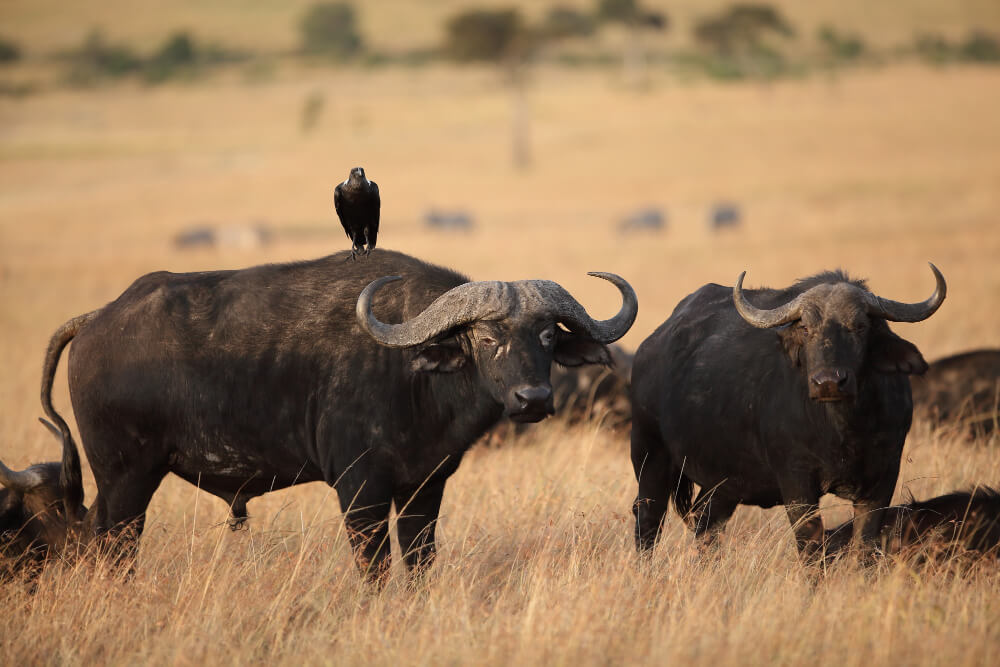
The Great Ruaha River is the park’s primary water source, attracting a variety of wildlife, especially during the dry season. Hippos and crocodiles dominate the river, while buffalo, antelopes, and elephants frequently gather at its banks to drink.
During the dry months (June to October), the river becomes a focal point for game viewing, as animals concentrate around the dwindling water sources. This period also offers thrilling predator-prey interactions, as lions and other carnivores take advantage of the vulnerable herbivores.
Safari Experiences in Ruaha National Park
Game Drives: The Ultimate Wildlife Adventure
Game drives in Ruaha offer unparalleled wildlife encounters. Whether exploring the open plains, riverbanks, or acacia woodlands, visitors are almost guaranteed to witness breathtaking animal interactions.
Most game drives are conducted in open 4×4 safari vehicles, allowing for excellent visibility and photography opportunities. Morning and late-afternoon drives are particularly rewarding, as predators are most active during these times.
Walking Safaris: Up Close with Nature
For those seeking a deeper connection with the wild, walking safaris provide an intimate and exhilarating experience. Led by experienced guides and armed rangers, these walks allow visitors to track animals, identify plants, and learn about the intricate balance of Ruaha’s ecosystem.
Night Safaris: Exploring the Nocturnal World
Ruaha National Park is one of the few parks in Tanzania where night safaris are permitted. These excursions unveil the park’s nocturnal wonders, including elusive leopards, civets, genets, and porcupines.
Best Time to Visit Ruaha National Park
- Dry Season (June to October) – The best time for game viewing, as wildlife congregates around water sources.
- Green Season (November to May) – Offers lush landscapes, fewer tourists, and excellent birdwatching opportunities. The park’s beauty is amplified by seasonal blooms and flowing rivers.
Accommodation Options in Ruaha National Park
Ruaha offers a range of accommodation options, from luxury lodges to budget-friendly camps.
- Luxury Lodges: Jabali Ridge, Kwihala Camp, Ruaha River Lodge.
- Mid-Range Camps: Mwagusi Safari Camp, Tandala Tented Camp.
- Budget Options: Public campsites and self-catering bandas for adventurous travelers.
Conservation Efforts in Ruaha National Park
Ruaha faces conservation challenges, including poaching and human-wildlife conflict. Organizations like the Ruaha Carnivore Project work to protect predators and educate local communities on coexistence strategies.
Eco-tourism plays a crucial role in Ruaha’s conservation, and visitors are encouraged to support responsible tourism practices, such as staying in eco-friendly lodges and following ethical wildlife viewing guidelines.
FAQs
What makes Ruaha National Park unique?
Ruaha’s remote location, diverse wildlife, and untouched landscapes make it a premier safari destination for those seeking an authentic wilderness experience.
How do I get to Ruaha National Park?
The park can be accessed by road (a long but scenic drive from Iringa) or via chartered flights from Dar es Salaam, Arusha, or Zanzibar.
Is Ruaha National Park safe for visitors?
Yes, Ruaha is a safe destination, especially when visitors follow safari guidelines and travel with experienced guides.
Can I see the Big Five in Ruaha?
Ruaha has lions, leopards, elephants, and buffalo. However, rhinos are not commonly found in the park.
What is the best way to experience Ruaha?
A combination of game drives, walking safaris, and night safaris provides a well-rounded adventure.
Are there any cultural experiences near Ruaha?
Yes, visiting local communities, such as the Hehe and Maasai people, offers insight into Tanzania’s rich cultural heritage.
Ruaha National Park is a paradise for safari enthusiasts, offering an unrivaled blend of breathtaking landscapes, abundant wildlife, and thrilling safari experiences. Whether you’re tracking lions across the plains, marveling at elephants by the river, or simply soaking in the park’s serenity, Ruaha promises an unforgettable journey into the heart of wild Africa.
Get ready for an adventure of a lifetime in one of Tanzania’s last great wilderness areas!
