Meru National Park, one of Kenya’s most unspoiled and less crowded safari destinations, is a hidden gem for nature lovers. Covering 870 square kilometers, the park is known for its diverse wildlife, lush landscapes, and conservation success stories.
Situated east of Mount Kenya, Meru National Park offers a unique combination of riverine forests, open savannahs, and volcanic outcrops, making it one of the most scenic national parks in Kenya.
The Legacy of George and Joy Adamson
Meru National Park gained international fame through the work of George and Joy Adamson, who raised Elsa the Lioness, the inspiration for the book and film Born Free. Their conservation efforts helped transform Meru into a wildlife haven.
The Big Five and Other Wildlife in Meru
The Park is home to a wide variety of wildlife, including:
- Lions – Often seen resting under acacia trees or hunting in the grasslands.
- Leopards – Stealthy and elusive, usually spotted near the forests.
- Buffaloes – Found in large herds across the park.
- Elephants – Roaming freely in the savannah and riverine woodlands.
- Black and White Rhinos – Protected in the Meru Rhino Sanctuary.
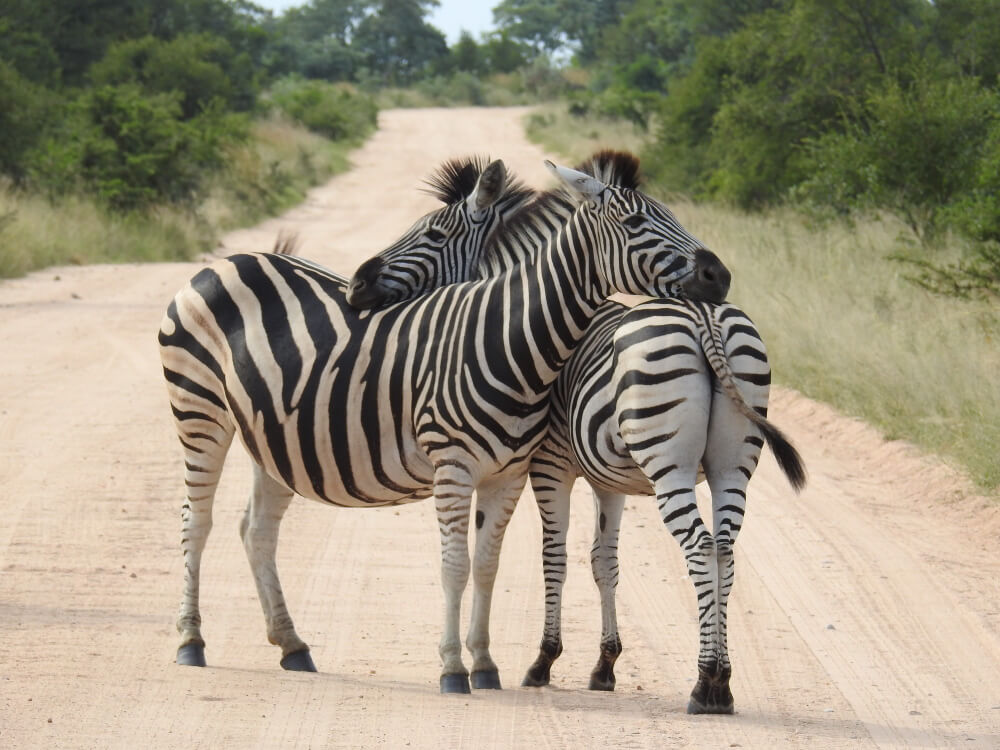
Additional wildlife includes cheetahs, hyenas, giraffes, hippos, crocodiles, zebras, and antelopes, making Meru a biodiversity hotspot.
The Rhinos of Meru National Park
Meru National Park is home to one of Kenya’s best-protected rhino sanctuaries, where over 60 black and white rhinos thrive. This makes Meru one of the best places in East Africa to see rhinos in the wild.
Birdwatching in Meru National Park
With over 400 bird species, Meru National Park is a birdwatcher’s paradise. Some notable species include:
- Pel’s Fishing Owl – A rare sight near the rivers.
- African Fish Eagle – Often seen soaring above the water.
- Secretary Bird – Known for its snake-hunting skills.
- Golden-breasted Starling – A dazzling and colorful bird of the savannah.
The Unique Landscapes of Meru
Meru’s diverse landscapes make it one of Kenya’s most picturesque parks, featuring:
- Thirteen Permanent Rivers – Providing water for wildlife and lush vegetation.
- Dense Riverine Forests – Home to elephants, leopards, and birdlife.
- Rolling Savannahs and Grasslands – Perfect for game viewing.
- Rocky Outcrops and Kopjes – Offering spectacular views over the park.
Safari Activities in the National Park
- Game Drives: Explore the park’s rich wildlife in open 4×4 vehicles.
- Walking Safaris: Get up close to nature on guided bush walks.
- Rhino Tracking: Visit the Meru Rhino Sanctuary for a unique conservation experience.
- Birdwatching Excursions: Spot rare and endemic bird species.
- Fishing and Boating: Enjoy angling in the park’s rivers.
Best Time to Visit Meru National Park
- June to October (Dry Season): Best for wildlife viewing, as animals gather near water sources.
- November to May (Wet Season): Lush landscapes, fewer tourists, and excellent birdwatching opportunities.
Accommodation in Meru National Park
Luxury Lodges
- Elsa’s Kopje Lodge – A high-end lodge honoring Elsa the Lioness.
- Rhino River Camp – An exclusive retreat near the rhino sanctuary.
Mid-Range Camps
- Ikweta Safari Camp – A charming and eco-friendly tented camp.
- Leopard Rock Lodge – Offering scenic views and great wildlife access.
Budget Options
- Public Campsites – For adventurous travelers seeking an authentic experience.
- Murera Bandas – Affordable self-catering accommodation.
Getting to Meru National Park
- By Road: A 5-hour drive from Nairobi, accessible via Embu or Nanyuki.
- By Air: Daily flights from Nairobi’s Wilson Airport to Meru’s airstrip.
Conservation Efforts in Meru National Park
Meru National Park has undergone significant conservation efforts to restore its wildlife populations. Organizations such as Kenya Wildlife Service (KWS) and Born Free Foundation have helped combat poaching, protect rhinos, and promote sustainable tourism.
Visitors are encouraged to support conservation initiatives by choosing eco-friendly lodges and respecting wildlife guidelines.
FAQs
What makes Meru National Park unique?
Its diverse landscapes, rich wildlife, and rhino conservation efforts make it one of Kenya’s most remarkable parks.
Can I see the Big Five in Meru?
Yes! Lions, leopards, elephants, buffaloes, and rhinos are all found in the park.
Is Meru safe for tourists?
Yes! The park is well-patrolled and safe for visitors.
How long should I spend in Meru?
A 3 to 4-day safari is ideal for exploring Meru’s diverse landscapes and wildlife.
Can I combine Meru with other destinations?
Yes! Many travelers combine Meru with Samburu, Laikipia, or Mount Kenya for a well-rounded safari experience.
The Park is a wild and untouched safari destination, offering stunning landscapes, incredible wildlife, and rich conservation history. Whether tracking rhinos, following the legacy of Elsa the Lioness, or watching elephants roam the rivers, Meru is a must-visit for adventurous travelers.
