Lake Nakuru National Park, one of Kenya’s most scenic and ecologically diverse protected areas, lies in the Great Rift Valley and covers approximately 188 square kilometers. The park is best known for its vast flocks of flamingos, thriving rhino population, and breathtaking landscapes, making it a must-visit safari destination.
Established in 1961, Lake Nakuru National Park was originally created as a bird sanctuary, but it has since expanded to include a wide variety of wildlife, including the Big Five (except elephants), unique plant species, and dramatic escarpments.
The Famous Flamingos of Lake Nakuru
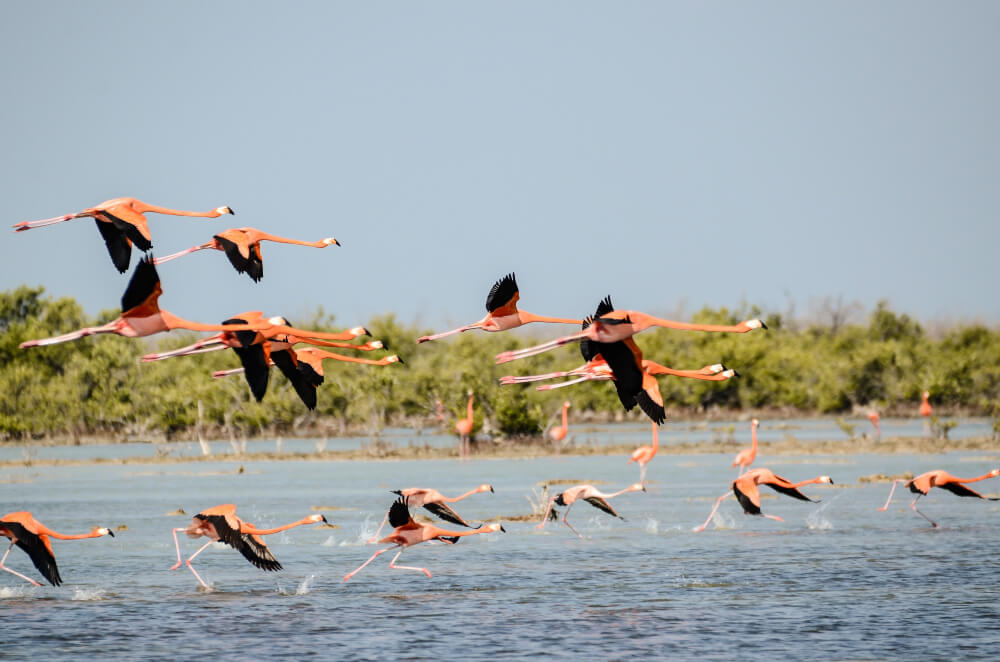
Lake Nakuru is one of the best places in Africa to see flamingos, which gather in large numbers along the lake’s alkaline waters. The sight of thousands of flamingos painting the shoreline pink is an unforgettable spectacle. However, flamingo numbers fluctuate depending on water levels and food availability.
In addition to flamingos, the lake attracts over 450 bird species, making it a paradise for birdwatchers.
The Thriving Rhino Population
Lake Nakuru National Park is one of Kenya’s best places to see rhinos. The park is a designated rhino sanctuary, home to a healthy population of black and white rhinos. These magnificent creatures are often spotted grazing along the savannah or near the acacia woodlands.
Big Cats and Other Wildlife
Beyond its rhinos and flamingos, Lake Nakuru is home to diverse wildlife, including:
- Lions – Occasionally spotted lounging on trees, a rare behavior for these big cats.
- Leopards – Elusive but sometimes seen along forested areas.
- Buffaloes – Found in large herds near the lake.
- Giraffes – The park is home to the rare Rothschild’s giraffe, easily recognizable by its distinct white lower legs.
- Hippos and Waterbucks – Often found near the lake’s shores.
The Unique Landscapes of Lake Nakuru
The park’s diverse ecosystems range from forests and wetlands to grasslands and rocky cliffs, offering stunning views and excellent wildlife photography opportunities. Key highlights include:
- Baboon Cliff – A scenic viewpoint offering panoramic views of the lake and surrounding plains.
- Makalia Falls – A beautiful waterfall located in the southern part of the park.
- Euphorbia Forest – A striking forest filled with unique, cactus-like trees.
Birdwatching in Lake Nakuru
Lake Nakuru is one of Africa’s best birdwatching destinations, boasting an impressive array of species, including:
- Greater and Lesser Flamingos – The park’s most iconic birds.
- African Fish Eagle – Often seen soaring above the lake.
- Great White Pelican – Frequently spotted fishing in the shallow waters.
- Grey Crowned Crane – A stunning and rare bird found in the wetlands.
Safari Activities in Lake Nakuru National Park
- Game Drives: Morning and evening safaris offer excellent chances to see rhinos, lions, and other wildlife.
- Birdwatching Tours: Specialized tours focus on spotting rare and migratory bird species.
- Hiking and Nature Walks: Short hikes to Baboon Cliff and Makalia Falls provide scenic views and photography opportunities.
- Picnic Safaris: Several designated picnic spots allow visitors to enjoy the park’s beauty while dining in nature.
Best Time to Visit Lake Nakuru National Park
- June to February (Dry Season): The best time for game viewing, as animals gather around water sources and the roads are easily accessible.
- March to May (Wet Season): Ideal for birdwatching, with lush greenery and fewer tourists.
Accommodation in Lake Nakuru National Park
Luxury Lodges
- The Cliff Nakuru – A high-end lodge offering stunning lake views.
- Sarova Lion Hill Game Lodge – A beautiful lodge with comfortable safari-style accommodations.
Mid-Range Camps
- Lake Nakuru Sopa Lodge – Offers great comfort and proximity to wildlife.
- Flamingo Hill Tented Camp – A charming tented camp with excellent views.
Budget Options
- Public campsites – Perfect for adventurous travelers.
- Lake Nakuru Guesthouses – Affordable accommodations inside the park.
Getting to Lake Nakuru National Park
- By Road: A 3-hour drive from Nairobi, making it one of the most accessible national parks in Kenya.
- By Air: Flights land at the Naishi Airstrip within the park.
Conservation Efforts in Lake Nakuru
As a UNESCO World Heritage Site, Lake Nakuru National Park plays a vital role in rhino conservation and wetland preservation. Conservation organizations work to protect endangered species, restore habitats, and combat poaching.
Visitors are encouraged to support eco-friendly lodges and follow responsible tourism practices to help preserve this natural wonder.
FAQs
What makes Lake Nakuru National Park special?
Its combination of flamingos, rhinos, and stunning landscapes makes it one of Kenya’s most diverse safari destinations.
Can I see the Big Five in Lake Nakuru?
Yes! The park is home to lions, leopards, rhinos, and buffalo, but elephants are not found here.
Is Lake Nakuru National Park safe?
Yes! The park is well-maintained and safe for visitors on guided safaris.
How long should I spend in Lake Nakuru?
A 1 to 2-day safari is ideal for exploring the park’s wildlife and landscapes.
Can I combine Lake Nakuru with other destinations?
Yes! Many travelers combine Lake Nakuru with Maasai Mara, Amboseli, or Lake Naivasha for a well-rounded safari experience.
Lake Nakuru National Park is a breathtaking wildlife sanctuary that offers exceptional birdwatching, thrilling rhino encounters, and stunning landscapes. Whether witnessing flamingos in their thousands, spotting rare Rothschild’s giraffes, or enjoying a serene game drive, Lake Nakuru is a must-visit destination for nature lovers and safari enthusiasts alike.
