
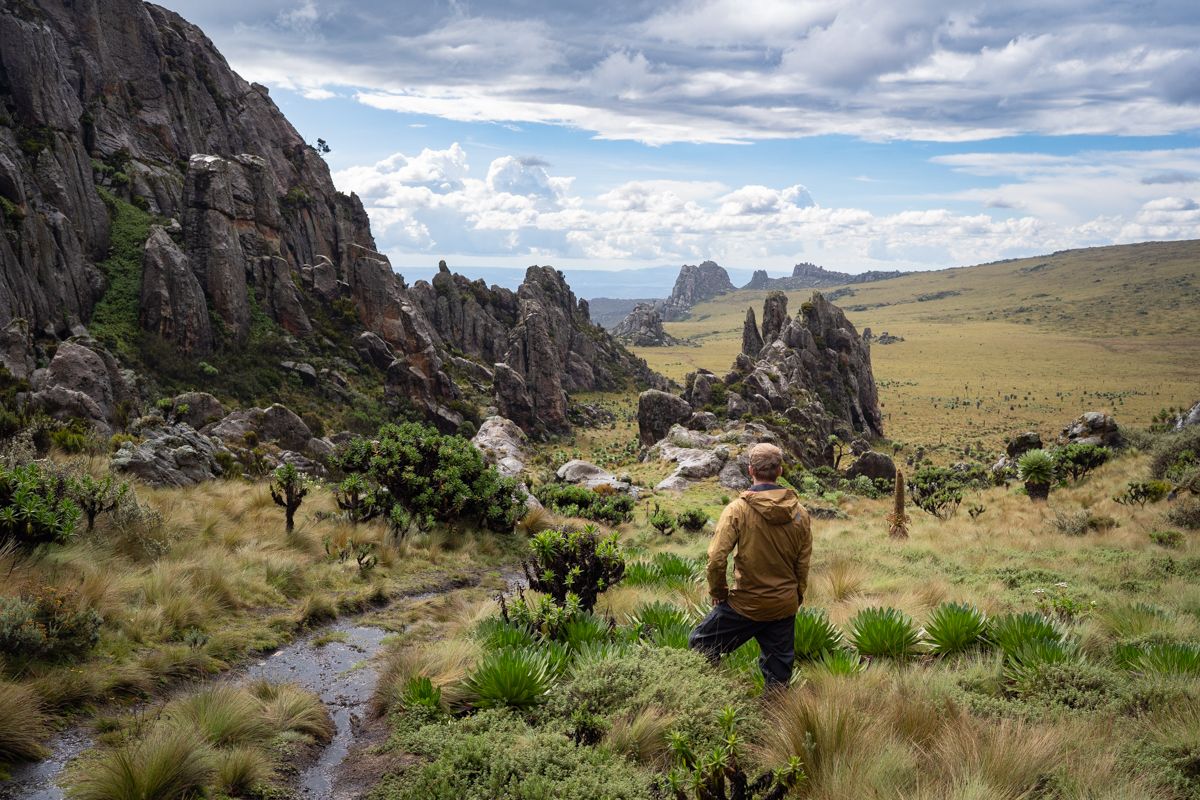
Aberdare National Park, one of Kenya’s most unique safari destinations, is a breathtaking landscape of mist-covered mountains, deep valleys, and cascading waterfalls. Covering 766 square kilometers, the park offers a cool, high-altitude safari experience, distinct from the savannahs of Maasai Mara and Amboseli.
Located in central Kenya, Aberdare National Park is part of the Aberdare Mountain Range, featuring lush rainforests, alpine moorlands, and bamboo forests. The park is famous for its diverse wildlife, historical significance, and excellent birdwatching opportunities.
The Unique Wildlife of Aberdare National Park
Unlike Kenya’s open plains, Aberdare’s dense forests and rugged terrain provide a habitat for rare and elusive animals. Key species include:
- Black Leopards – Occasionally spotted in the park’s thick vegetation.
- Giant Forest Hogs – The largest wild pigs in Africa, found in the forests.
- Bongo Antelopes – One of the rarest antelope species, thriving in Aberdare’s bamboo forests.
- Spotted Hyenas and Servals – Commonly seen during night safaris.
- Buffaloes, Bushbucks, and Waterbucks – Often spotted near water sources.
Aberdare is also home to elephants, lions, and rhinos, making it a Big Five safari destination with a unique forest twist.
The Scenic Waterfalls of Aberdare
Aberdare National Park is renowned for its stunning waterfalls, which cascade down the steep slopes of the Aberdare Mountains. Some of the most spectacular include:
- Karuru Falls – The tallest waterfall in Kenya, plunging 273 meters in three steps.
- Chania Falls – A scenic waterfall near the park’s main access points.
- Gura Falls – One of the most dramatic waterfalls, surrounded by lush rainforest.
These waterfalls create picturesque landscapes, perfect for photography and nature walks.
Birdwatching in Aberdare National Park
With over 290 bird species, Aberdare is a birdwatcher’s paradise. Some of the notable species include:
- Hartlaub’s Turaco – A striking green and red bird found in the montane forests.
- Aberdare Cisticola – An endemic bird species unique to this region.
- Scarlet-tufted Malachite Sunbird – A dazzling bird seen in the high-altitude moorlands.
- Augur Buzzard and Crowned Eagle – Powerful raptors frequently spotted soaring above the mountains.
Historical Significance of Aberdare
Aberdare National Park holds historical significance as the hiding place of Kenya’s Mau Mau freedom fighters during the fight for independence. The park is also famous for being the location where Queen Elizabeth II learned of her father’s passing, making her Queen of England overnight while staying at Treetops Lodge in 1952.
Safari Activities in Aberdare National Park
- Game Drives: Explore the park’s unique forested landscapes in search of elusive wildlife.
- Night Safaris: Stay at tree lodges and watch nocturnal animals at waterholes.
- Hiking and Trekking: Discover scenic trails through the Aberdare Mountains.
- Birdwatching: Spot rare highland and forest bird species.
- Fishing: Trout fishing in the rivers and mountain streams.
Best Time to Visit Aberdare National Park
- June to September (Dry Season): Ideal for game viewing and hiking.
- October to May (Wet Season): Lush landscapes and excellent birdwatching, but some roads may become difficult to navigate.
Accommodation in Aberdare National Park
Luxury Lodges
- The Ark Lodge – A famous tree lodge overlooking a waterhole, offering close wildlife encounters.
- Treetops Lodge – Historic and unique, set among the trees where Queen Elizabeth II once stayed.
- Aberdare Country Club – A high-end retreat with stunning views.
Mid-Range Camps
- Fishing Lodge – Ideal for anglers and nature lovers.
- Rhino Watch Lodge – Offers comfortable accommodations near the park.
Budget Options
- Public Campsites – For adventurous travelers looking for a wilderness experience.
- Self-Catering Cottages – Simple accommodations managed by the Kenya Wildlife Service (KWS).
Getting to Aberdare National Park
- By Road: A 3-hour drive from Nairobi, accessible via Nyeri or Naivasha.
- By Air: Charter flights land at Mweiga Airstrip near the park.
Conservation Efforts in Aberdare
Aberdare National Park is a vital conservation area for rare forest species and critical water catchment areas. Efforts by organizations like the Rhino Ark Charitable Trust have helped protect Aberdare’s wildlife by constructing a fence around the park, preventing human-wildlife conflict and poaching.
Tourists are encouraged to support eco-friendly lodges and responsible tourism initiatives to help preserve this unique environment.
FAQs
What makes Aberdare National Park unique?
Its misty forests, rare wildlife, and stunning waterfalls set it apart from Kenya’s typical savannah parks.
Can I see the Big Five in Aberdare?
Yes! Aberdare is home to elephants, lions, buffaloes, leopards, and rhinos, though sightings can be more challenging due to dense forests.
Is Aberdare National Park safe?
Yes! The park is well-patrolled and safe for visitors. However, it is recommended to explore with a guide due to its rugged terrain.
How long should I spend in Aberdare?
A 2 to 3-day safari is ideal to explore the park’s diverse landscapes and wildlife.
Can I combine Aberdare with other destinations?
Yes! Many travelers combine Aberdare with Mount Kenya, Samburu, or the Great Rift Valley for a varied safari experience.
Conclusion
Aberdare National Park is a magical and lesser-explored safari destination, offering lush forests, rare wildlife, and breathtaking waterfalls. Whether you’re tracking the elusive black leopard, hiking through misty mountains, or enjoying a night safari at The Ark, Aberdare promises an unforgettable adventure in Kenya’s highlands.
