Can You Predict a Great Migration River Crossing? What Expert Guides Actually Look For
Predicting a Great Migration river crossing is not an exact science, but it is far from random, and experienced safari guides rely on a combination of behavioral cues, environmental triggers, and real-time observation to anticipate when herds will finally commit to the water. These crossings, especially along the Mara River, represent the most dramatic and chaotic moments of the migration, where hesitation, panic, and instinct collide.
While tourists often wait for hours hoping for a crossing, guides are actively reading the landscape and the herd itself, interpreting subtle signals that indicate rising probability. A successful prediction depends less on guesswork and more on pattern recognition built over years of field experience in the Serengeti National Park and Maasai Mara National Reserve ecosystems.
Herd Behavior: The First and Most Important Indicator
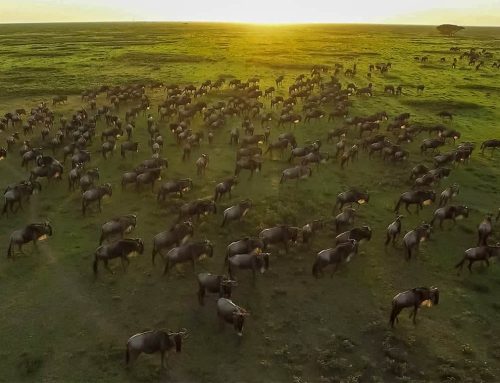
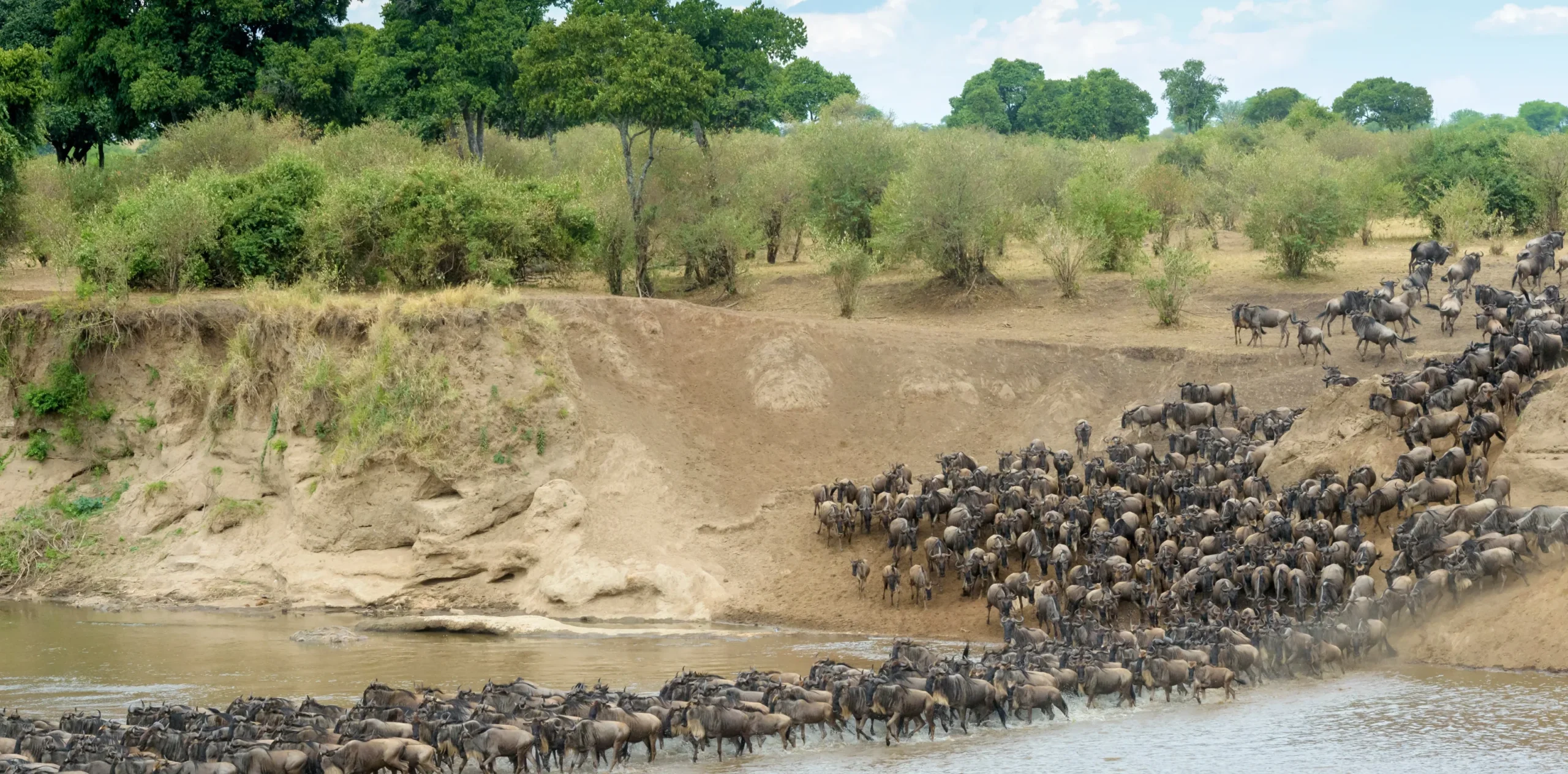
The behavior of wildebeest herds is the single most reliable indicator of an imminent crossing, and guides pay close attention to how animals interact with the riverbank. When herds arrive, they rarely cross immediately. Instead, they gather, mill around, and repeatedly approach and retreat from the edge.
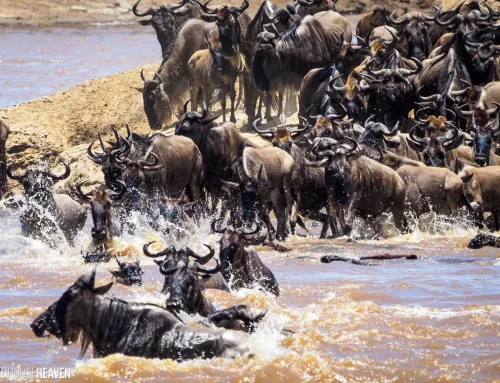
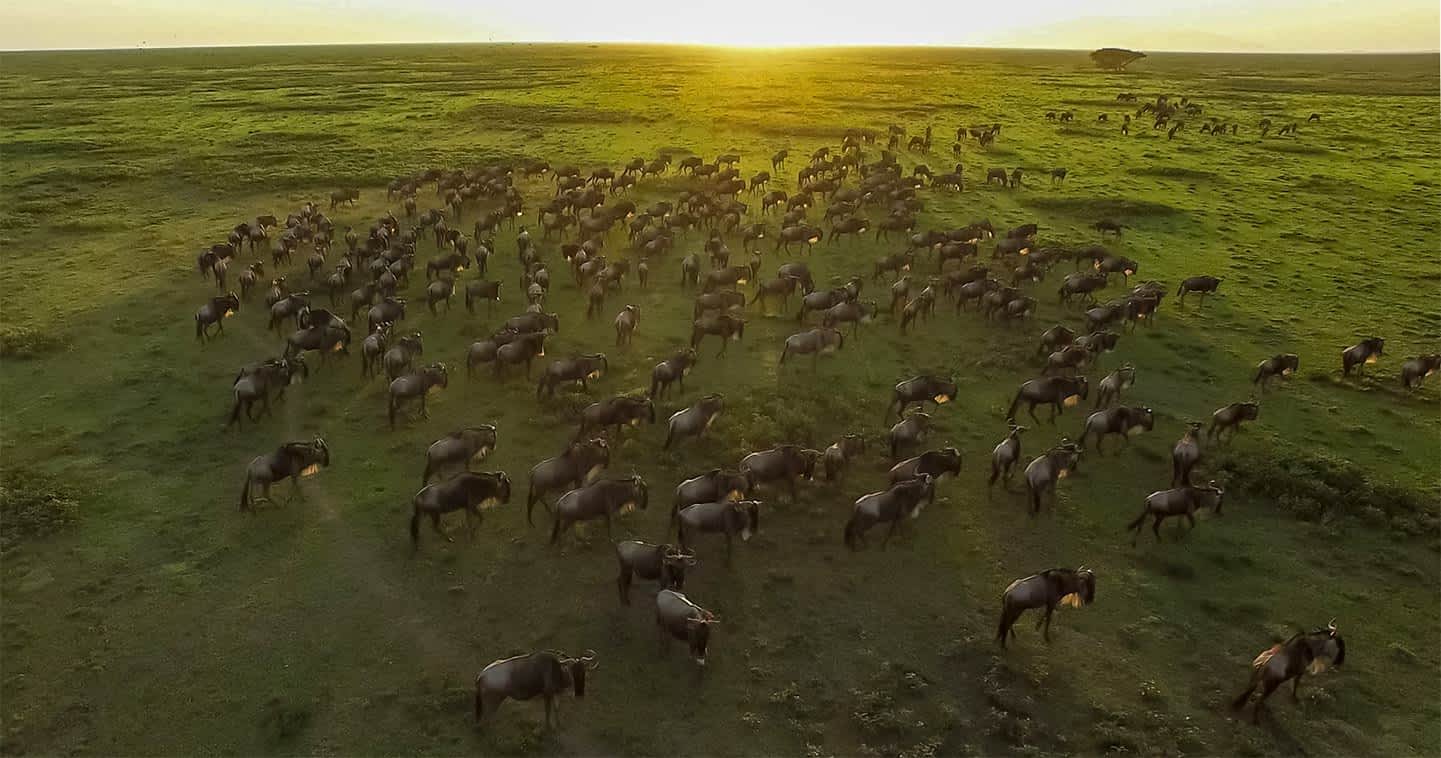
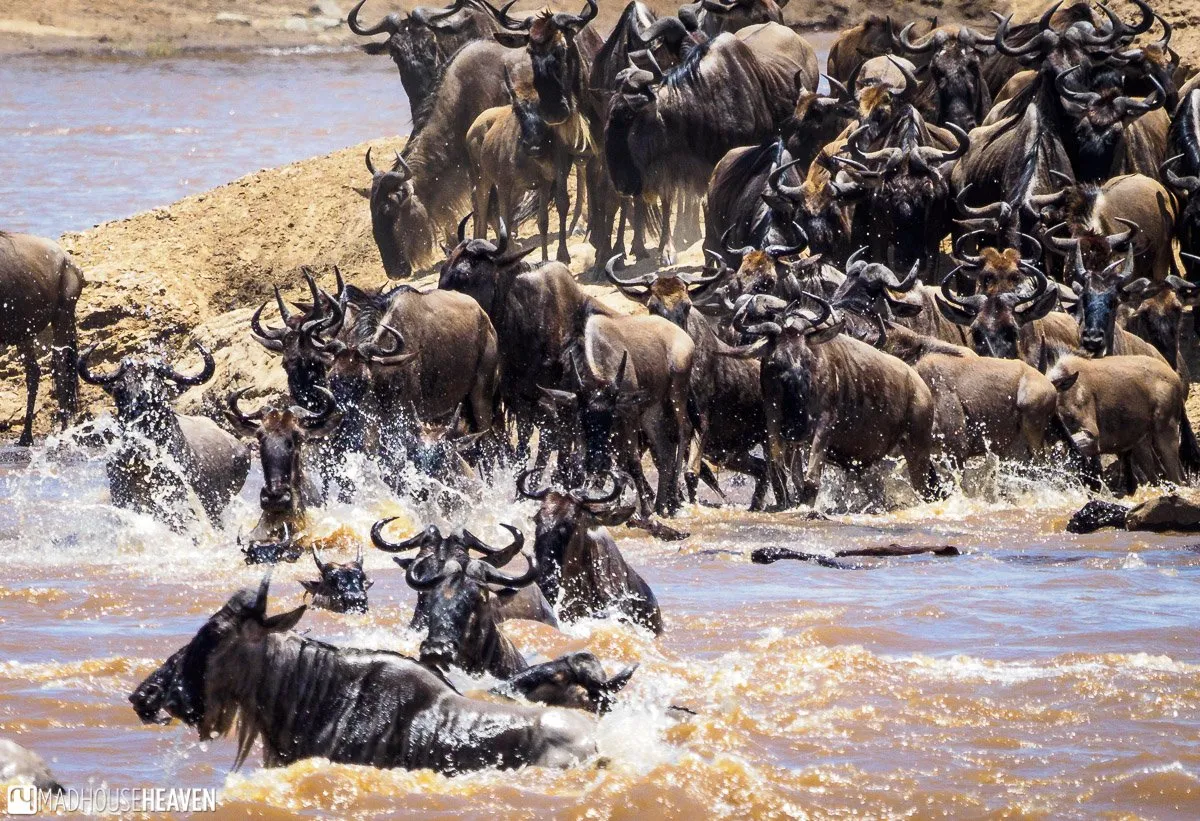
A key sign of a likely crossing is the buildup of pressure within the herd, where numbers swell into the thousands and movement becomes increasingly restless and agitated. Animals begin bunching tightly, vocalizing more, and pushing toward the front, creating a dense mass of bodies near the entry point.
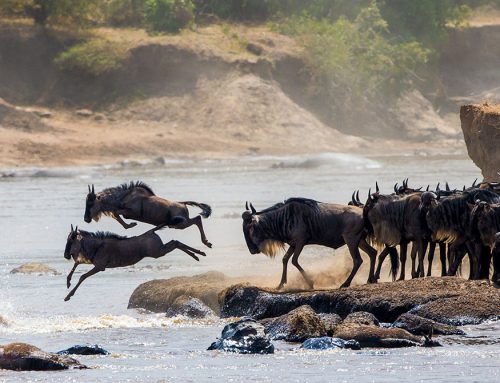
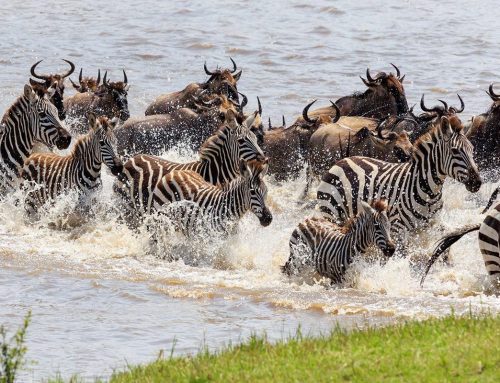
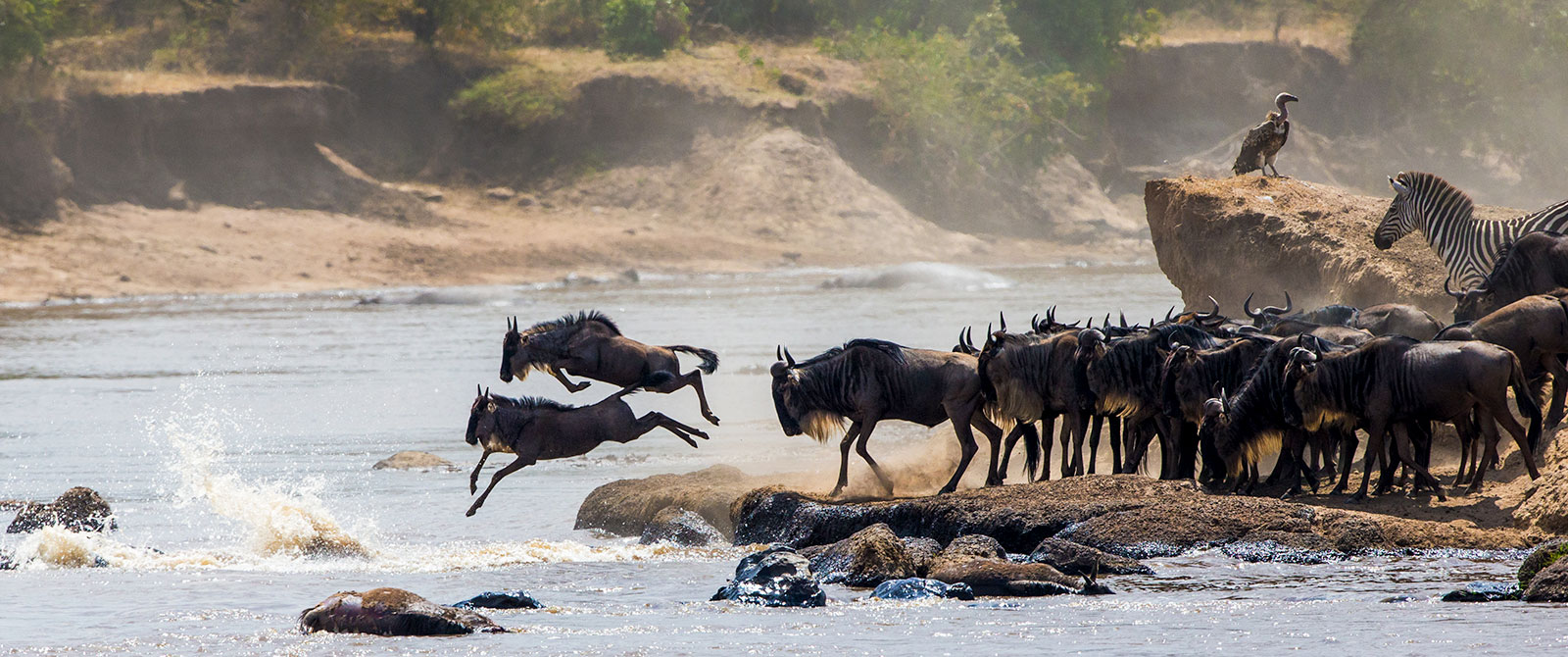
Another critical cue is repeated “false starts,” where a few individuals step into the water and retreat, only for the cycle to repeat multiple times. These moments are not wasted time; they are part of the herd’s decision-making process. When tension peaks, a single trigger—often one bold individual—can initiate a chain reaction that sends thousands into the river at once.
Riverbank Dynamics and Crossing Points
Not all riverbanks are equal, and experienced guides know the specific crossing نقاط that are used year after year, based on slope, accessibility, and water conditions. These established نقاط act as natural funnels where herds are more likely to attempt crossings.
Guides assess how easily animals can enter and exit the river, since steep or muddy banks can delay or discourage crossing attempts. A well-worn الدخول point combined with visible exit tracks on the opposite side significantly increases the likelihood of action.
Traffic flow within the herd also matters, as animals need space to build momentum. If the approach to the river is blocked or too congested, crossings may be delayed until movement becomes more organized.
Predator Presence and Its Influence
Predators play a complex role in triggering or delaying river crossings, and guides constantly monitor their presence. Large predators such as Lion prides near the river can either create panic that forces a crossing or suppress movement if the herd becomes too cautious.
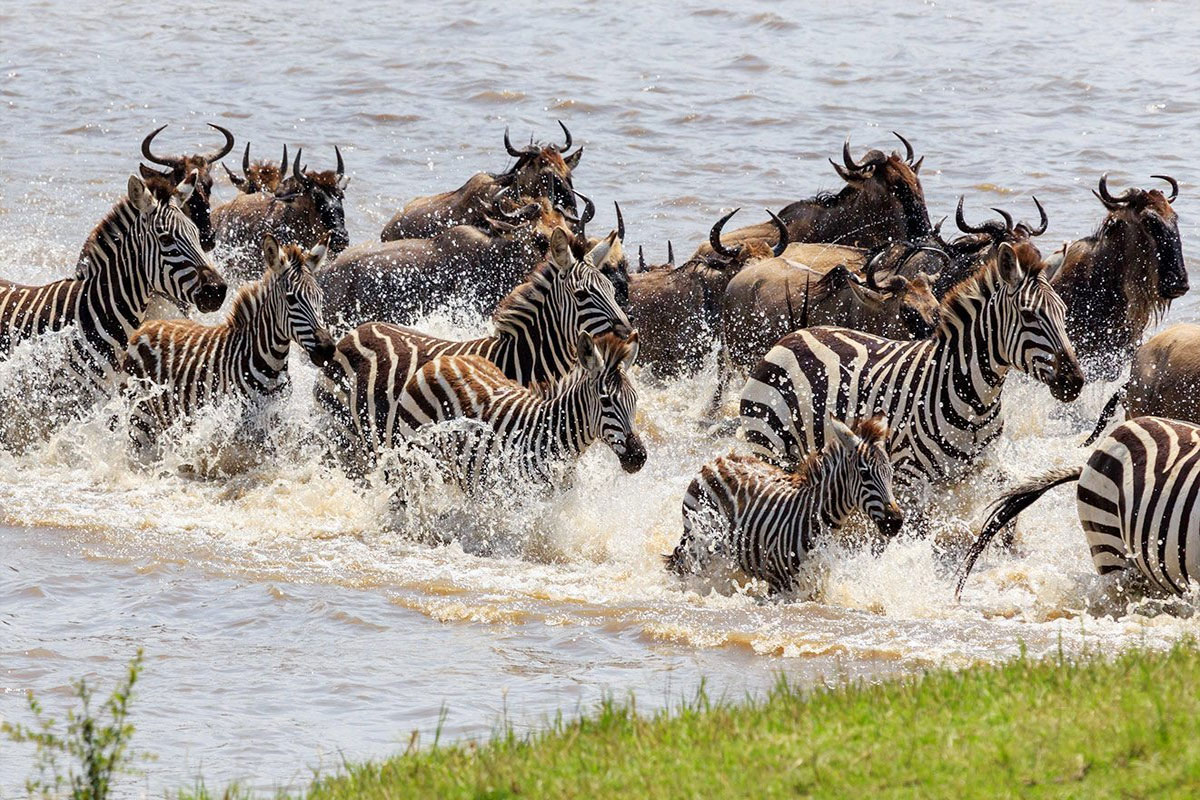
Crocodiles in the Mara River are a constant threat, and their visible presence can increase hesitation at the water’s edge. However, during peak migration, the sheer number of animals often overwhelms this fear, leading to mass crossings despite the danger.
Scavengers like Spotted hyena also gather around crossing sites, anticipating kills or drowned animals, which further intensifies the tension and energy of the scene.
Environmental Triggers: Rain, Grass, and Instinct
Rainfall patterns are one of the strongest macro-level triggers influencing river crossings, as herds are ultimately driven by the search for fresh grazing. If rains have fallen in the Maasai Mara, herds become more determined to cross, sensing better feeding conditions ahead.
Wind direction can subtly influence herd confidence, especially when animals are trying to detect predators or unfamiliar scents from across the river. A favorable wind can reduce hesitation and encourage movement.
Temperature and time of day also matter, with crossings more likely to occur during cooler hours when animals are more active. However, crossings can happen at any time once the internal pressure of the herd reaches a tipping point.
Timing Patterns: When Crossings Are Most Likely
Although crossings can happen at any moment, certain time windows show higher probability based on observed patterns, particularly mid-morning to late afternoon when herds are fully active and have had time to gather at the riverbanks.
Multi-day buildup is another critical factor, as large crossings often occur after herds have been waiting at the river for several days. The longer the delay, the higher the tension, and the more explosive the eventual crossing.
Guides often return to the same crossing point repeatedly, knowing that patience is essential. A quiet morning can suddenly turn into a dramatic crossing within minutes once the right conditions align.
The Role of Experience: Why Guides Get It Right More Often
Experienced guides develop an intuitive understanding of migration dynamics that goes beyond visible signs, allowing them to anticipate crossings with higher accuracy. This intuition is built from years of observing herd behavior, weather patterns, and predator interactions.
They also rely on communication networks with other guides, sharing real-time updates across the ecosystem to track herd movement and identify emerging hotspots.
Positioning is a critical advantage, as guides will strategically place vehicles at likely crossing points before peak activity begins, ensuring guests are in the right place at the right time.
Reading the Signs of Nature
Predicting a Great Migration river crossing is about reading a complex combination of signals rather than waiting for luck, and expert guides excel because they understand how these signals interact. From herd tension and riverbank structure to predator presence and environmental cues, every detail contributes to the final decision.
While no prediction is ever guaranteed, the probability of witnessing a crossing increases dramatically when these indicators align, transforming what seems like a random event into a deeply interpretable natural process.