Wildlife photography in East Africa offers one of the most immersive and visually rewarding experiences in the world, allowing travelers to capture animals in their natural habitats while maintaining a respectful distance. Many visitors arrive with the expectation of getting extremely close to animals such as lions, elephants, or gorillas, and while close encounters are indeed possible, they are carefully controlled through established safari practices.
The concept of “closeness” in wildlife photography is not defined by physical distance alone but by visual impact and safety. In protected areas such as Serengeti National Park, Maasai Mara National Reserve, and Queen Elizabeth National Park, photographers can capture remarkably detailed images without ever stepping out of a vehicle. This balance between proximity and safety is what makes East Africa one of the best destinations for wildlife photography.
Understanding What “Close” Means in Wildlife Photography
Closeness in wildlife photography is more about perspective than actual physical proximity. A photograph that appears intimate and detailed is often taken from a safe distance using appropriate equipment and positioning. The goal is to create a sense of connection with the subject without interfering with its natural behavior.
Animals in national parks are accustomed to safari vehicles, which allows for relatively close encounters. Unlike on foot, where humans are perceived as a threat, a vehicle is often seen as a neutral object. This unique dynamic enables photographers to approach animals more closely than would otherwise be possible, creating opportunities for exceptional images.
However, every encounter is guided by strict safety principles. Professional guides maintain appropriate distances based on the species, behavior, and environmental conditions, ensuring that neither the animal nor the visitor is put at risk.
The Role of Safari Vehicles in Achieving Close Encounters
Safari vehicles are central to the success of close wildlife photography in East Africa. Designed specifically for game viewing, these vehicles feature open roofs or sides, allowing unobstructed views and flexible shooting angles.
The vehicle acts as both a protective barrier and a photographic platform. It allows photographers to remain safe while getting close enough to observe fine details such as facial expressions, textures, and interactions between animals. In many cases, predators such as lions or leopards may come within just a few meters of the vehicle, creating unforgettable photographic moments.
Remaining inside the vehicle is critical. Stepping out changes how animals perceive humans and can provoke defensive or aggressive behavior. This is why most national parks strictly prohibit leaving the vehicle except in designated areas.
Camera Equipment and the Illusion of Proximity
Modern photography equipment plays a crucial role in achieving the appearance of closeness. Telephoto lenses, particularly those in the 200mm to 600mm range, allow photographers to capture detailed close-up images without physically approaching the subject.
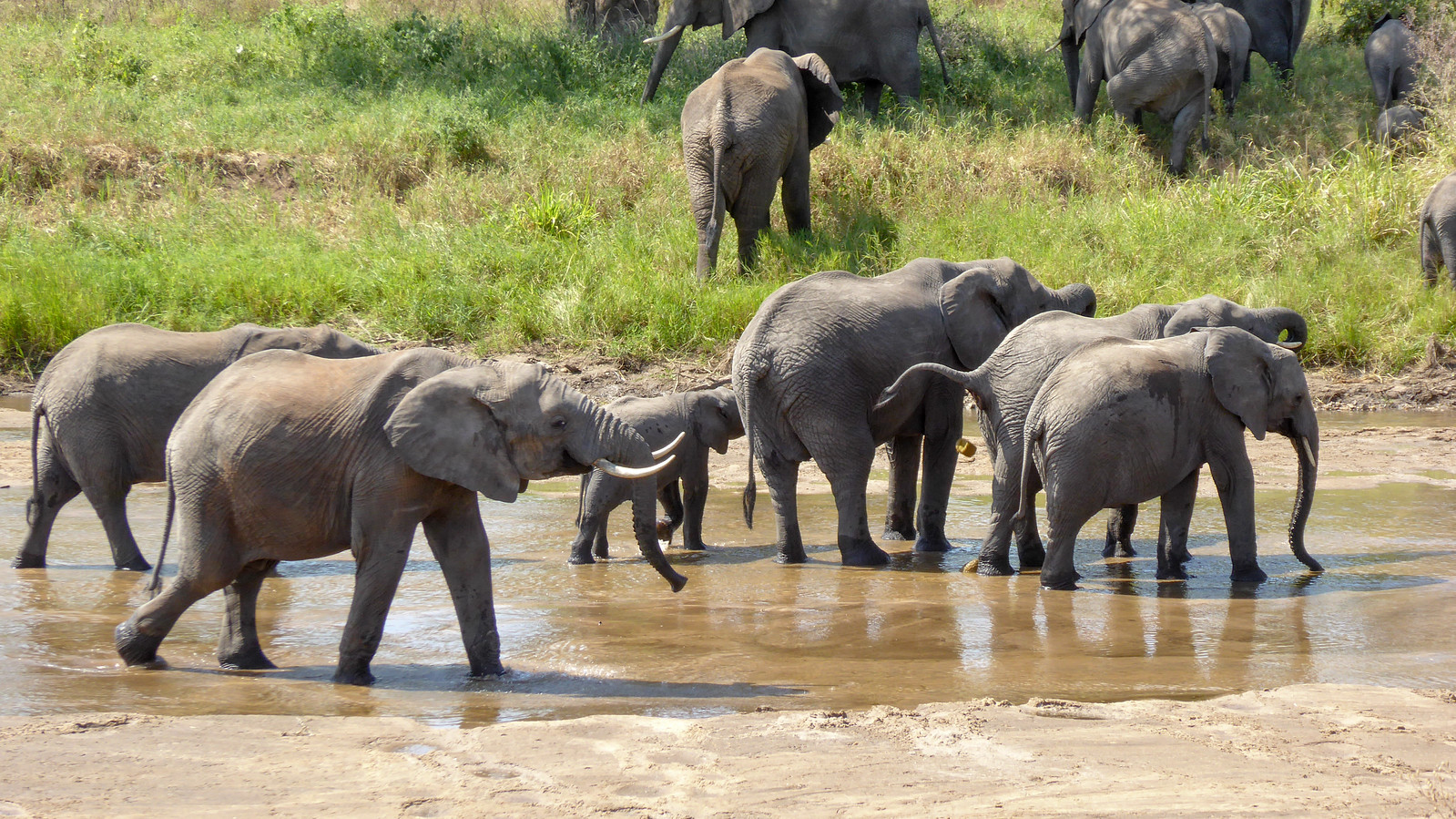
Zoom capabilities enable photographers to isolate subjects and highlight intricate details. Whether it is the piercing eyes of a lion or the texture of an elephant’s skin, a good lens can transform a distant subject into a powerful, frame-filling image.
Stability and camera settings also contribute to image quality. Using bean bags or vehicle-mounted supports helps stabilize the camera, while adjusting shutter speed and aperture ensures sharp and well-exposed photographs even in challenging lighting conditions.
Animal Behavior and Safe Distancing
Understanding animal behavior is essential for safe and successful wildlife photography. Each species reacts differently to human presence, and experienced guides use their knowledge to position vehicles appropriately.
Predators such as lions and leopards may tolerate closer distances, especially when they are resting or feeding. However, sudden movements, loud noises, or blocking their path can trigger defensive reactions.
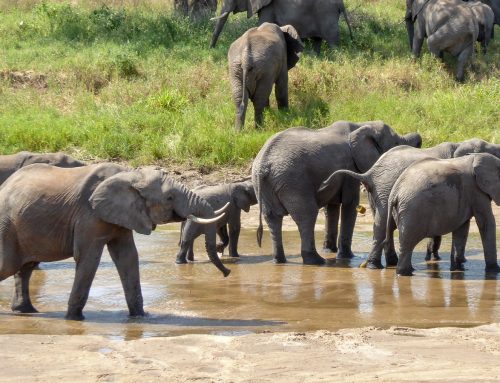
Herbivores like elephants and buffalo can be unpredictable. While they may appear calm, they can become aggressive if they feel threatened, particularly when protecting their young. Maintaining a safe distance ensures that these animals remain undisturbed.
Birds and smaller animals often require a different approach. Patience and quiet observation are key, as these species are more sensitive to movement and noise.
Ethical Considerations in Close Wildlife Photography
Ethics are at the heart of responsible wildlife photography. Capturing a great image should never come at the expense of an animal’s well-being. Respecting wildlife means allowing animals to behave naturally without interference.
Avoiding actions that stress or manipulate animals is crucial. This includes not making sounds to attract attention, not feeding wildlife, and not pressuring guides to get closer than is safe.
Time spent near animals should also be managed carefully. Lingering too long can disrupt natural activities such as hunting, feeding, or caring for young. Responsible guides ensure that encounters are meaningful but not intrusive.
Special Experiences: Getting Closer Under Supervision
Certain wildlife experiences allow closer encounters under strict regulations. One of the most notable examples is gorilla trekking in Bwindi Impenetrable National Park. Here, visitors are permitted to observe mountain gorillas at a controlled distance, typically around seven meters.
This proximity is carefully managed to protect both humans and animals. Visitors must follow guidelines such as maintaining distance, avoiding direct eye contact, and minimizing noise. These rules ensure that the gorillas remain comfortable and that the experience remains safe.
Walking safaris offer another unique perspective. Conducted with trained guides and armed rangers, these experiences allow participants to explore the environment on foot while maintaining safe distances from wildlife. The focus is often on smaller animals, tracks, and ecological details rather than close encounters with large predators.
Photography Techniques for Capturing Close-Looking Images
Achieving the effect of closeness requires a combination of technical skill and patience. Positioning is one of the most important factors, as being at eye level with the animal creates a more intimate perspective.
Lighting plays a significant role in enhancing the sense of closeness. Early morning and late afternoon light, often referred to as golden hour, provides soft illumination that highlights textures and colors.
Composition techniques such as framing and background control help isolate the subject. A blurred background achieved through a wide aperture draws attention to the animal and enhances the visual impact of the image.
Waiting for the right moment is essential. Instead of chasing animals, allowing them to approach naturally often results in more authentic and compelling photographs.
Common Mistakes to Avoid
One of the most common mistakes is attempting to get too physically close to wildlife. This not only endangers the photographer but also disrupts the animal’s natural behavior.
Another mistake is ignoring the guidance of professional guides. These experts understand the environment and animal behavior, and their instructions should always be followed.
Over-reliance on equipment without understanding technique can also limit results. While a good lens is important, knowing how to use it effectively is equally crucial.
The Role of Professional Guides and Safari Operators
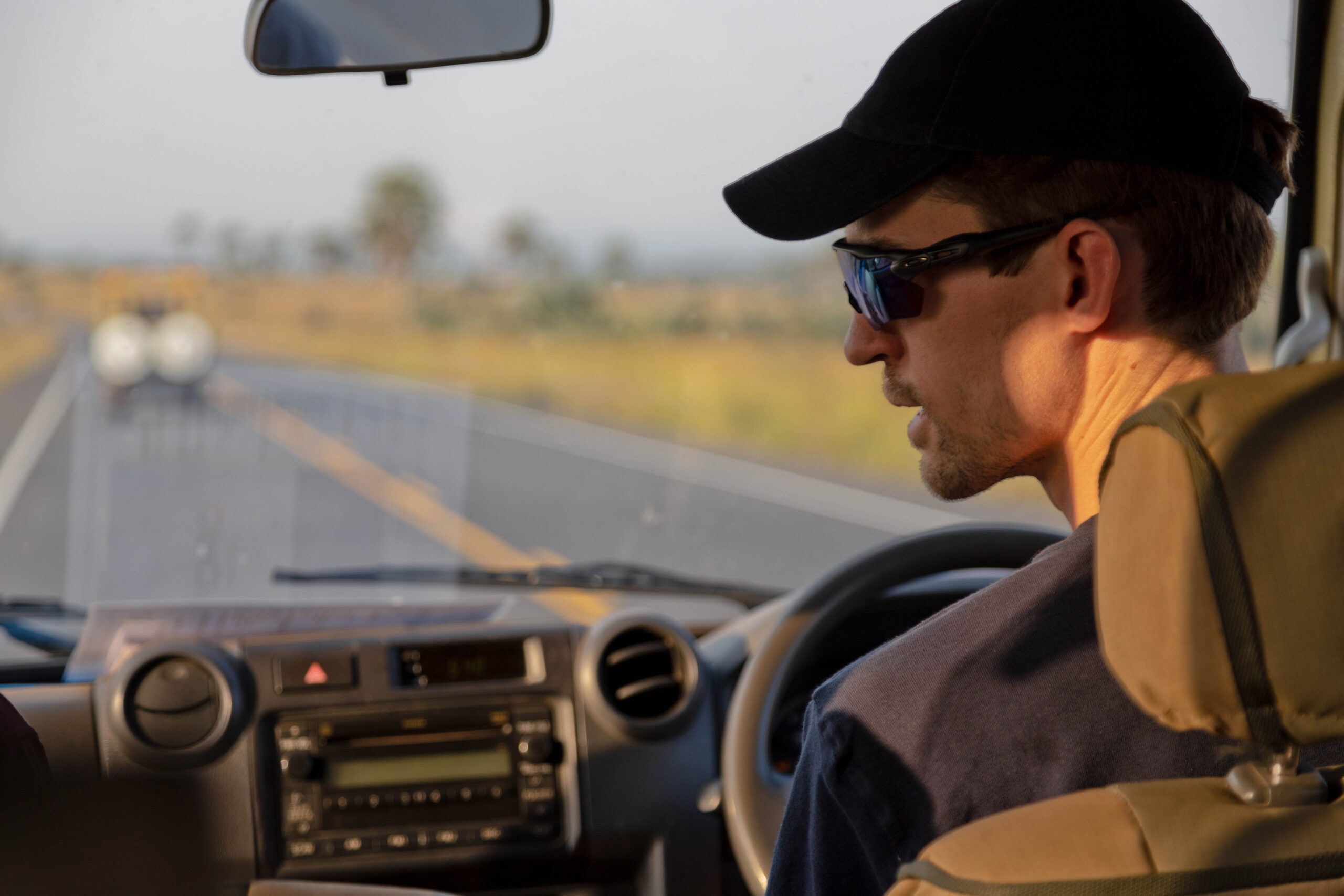
Professional guides are essential for safe and successful wildlife photography. Their knowledge of animal behavior, park regulations, and optimal viewing locations enhances the overall experience.
Guides also play a key role in positioning vehicles for the best photographic angles. They understand how to approach animals without causing disturbance and how to anticipate movements for better shots.
Choosing a reputable safari operator ensures access to well-maintained vehicles and experienced guides. This significantly improves both safety and photographic opportunities.
Why East Africa Is Ideal for Close Wildlife Photography
East Africa offers some of the best conditions in the world for wildlife photography. The open landscapes of the savannah provide clear visibility, while the abundance of wildlife ensures frequent encounters.
Destinations such as Serengeti National Park and Maasai Mara National Reserve are particularly प्रसिद्ध for their accessibility and diversity of species. These areas allow photographers to capture a wide range of subjects, from large predators to herds of herbivores and vibrant birdlife.
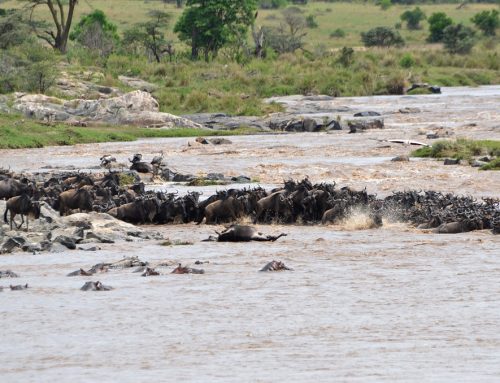
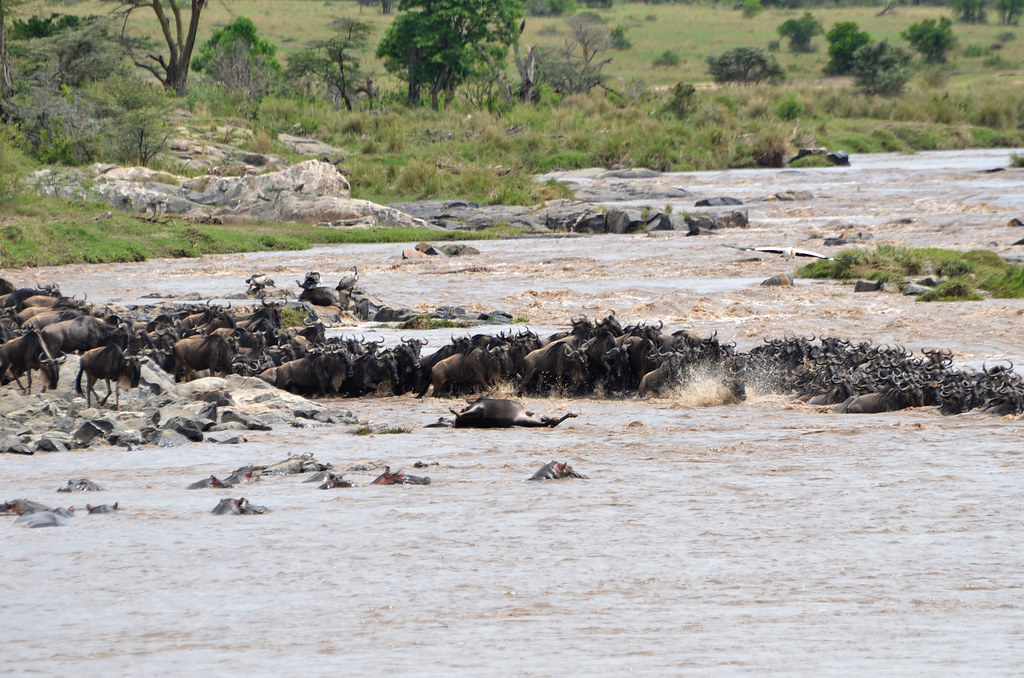
The predictability of wildlife movements in certain seasons further enhances opportunities. Events like the Great Migration provide dynamic scenes that are ideal for dramatic and close-looking images.
Conclusion
Photography can indeed be taken close to wildlife, but true closeness is achieved through skill, equipment, and respect rather than physical proximity. East Africa provides an ideal environment for capturing stunning images, with its diverse wildlife, experienced guides, and well-managed safari systems.
By prioritizing safety, understanding animal behavior, and applying proper photography techniques, travelers can enjoy unforgettable close-up wildlife photography experiences. The result is not only beautiful images but also a deeper appreciation of nature and the importance of preserving it for future generations.