Can I Visit Lewa Wildlife Conservancy?
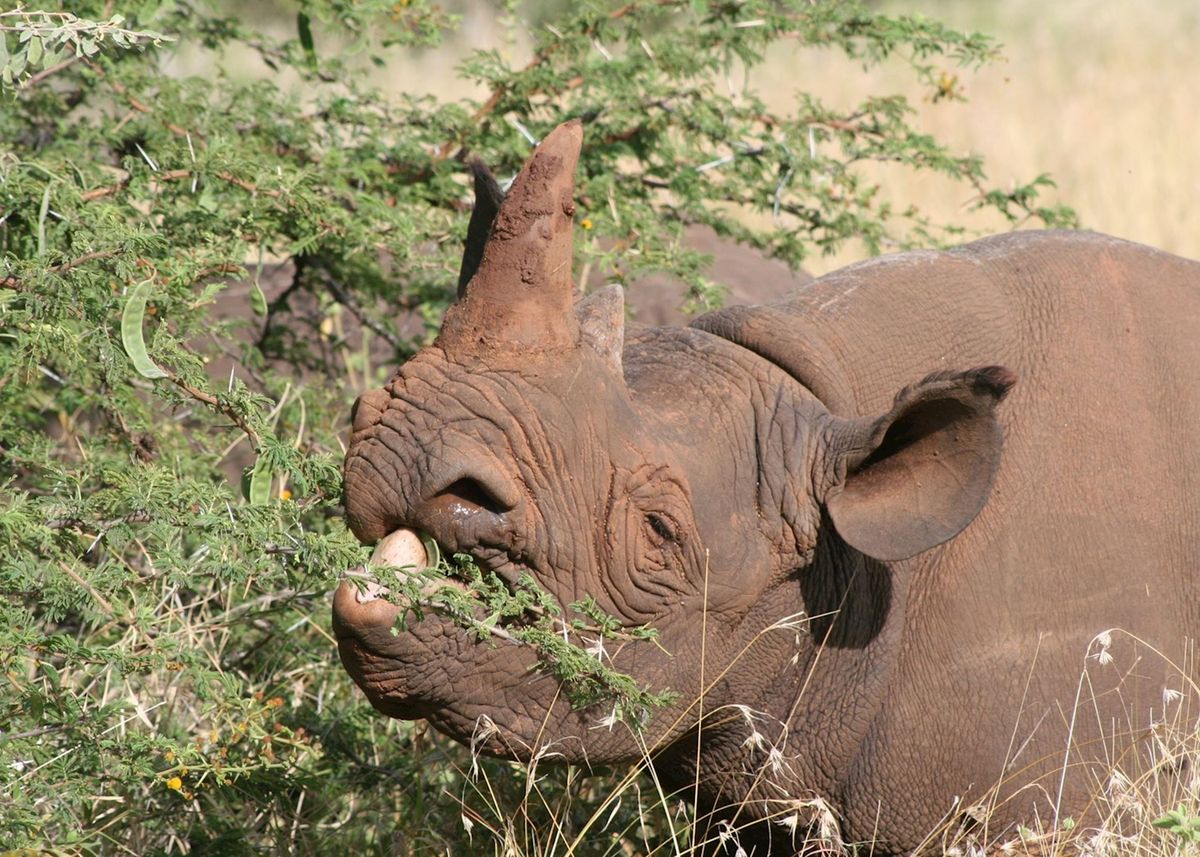
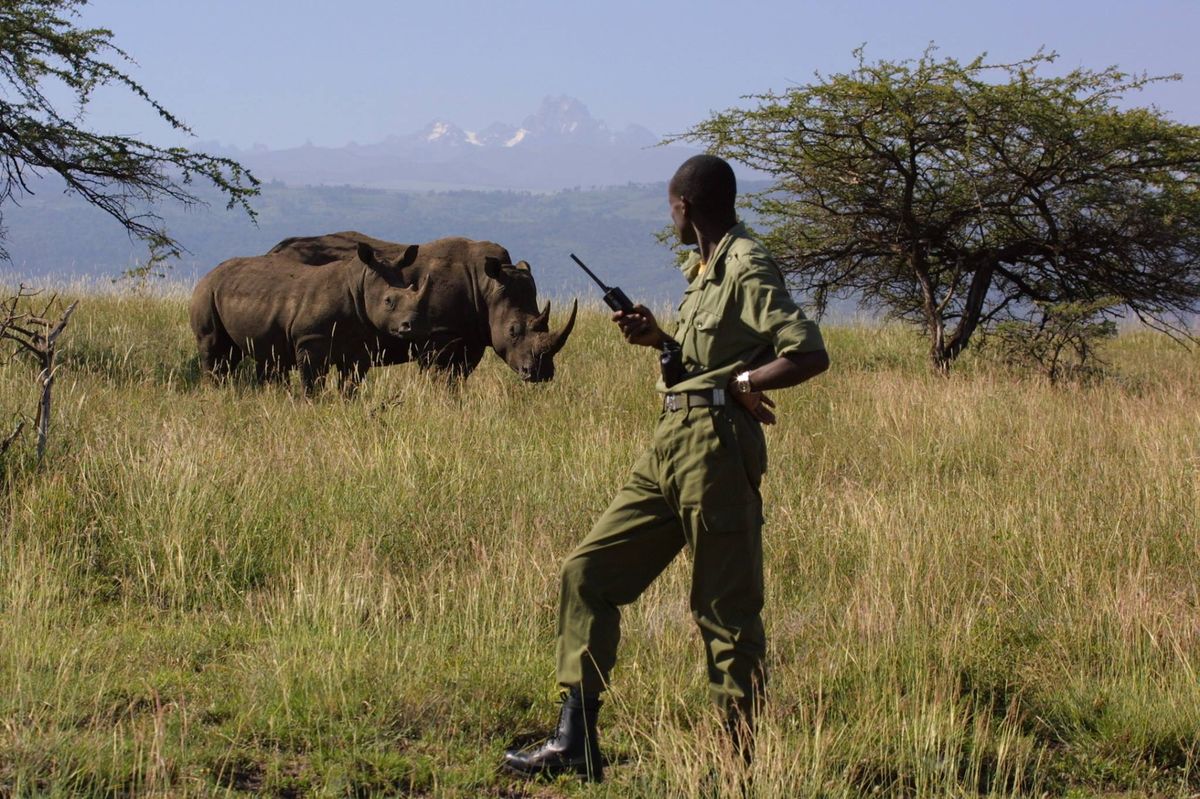
Lewa Wildlife Conservancy (Lewa)—a beacon of conservation success—lies on the verdant slopes of Mount Kenya in Northern Kenya. Covering over 62,000 acres, Lewa is renowned for safeguarding black and white rhinoceros, Grevy’s zebra, African elephants, and a vibrant diversity of wildlife. With extensive conservation, research, and community programmes, Lewa offers visitors much more than game drives. Whether you’re a first-time safari-goer, a wildlife photography enthusiast, or a conservation-minded traveler, this comprehensive guide explains everything you need to know about visiting Lewa Conservancy.
Lewa Wildlife Conservancy
1. Introduction: Why Lewa Matters and Who Should Visit
Lewa’s story is one of transformation. Once a private cattle ranch, it became a formal rhino sanctuary in the 1980s to stop the local poaching crisis. Today, Lewa is one of Kenya’s leading conservancies, blending wildlife protection with community empowerment. It’s home to the Northern Rangelands Trust (NRT), works closely with the local Maasai population to offer education, healthcare, and economic opportunities, and is a pioneer in eco-tourism with purpose.
Who should consider visiting Lewa?
-
Wildlife lovers, especially those keen to see rhinos, elephants, and Grevy’s zebras.
-
Photographers, drawn by iconic wildlife moments and mountain backdrops.
-
Conservation travelers, eager to learn about anti-poaching, rangeland management, and community outreach.
-
Cultural tourists, interested in Maasai traditions, crafts, and local initiatives.
-
Families, seeking wildlife and educational safari experiences.
-
Luxury travelers, wanting high-end game viewing with comfort.
-
Adventure-seekers, opting for walking safaris, horseback tours, and night game drives.
The short answer is yes—anyone can visit Lewa—but the experience depends on how you plan. With coordinated planning, your visit can be tailored to your interests, schedule, budget, and mobility.
2. Getting There: Travel Options & Logistics
Reaching Lewa involves getting to Kenya, then traveling to its northern bushland. Here’s how you can make that happen:
A. International and Regional Flights
-
Major international hubs such as Nairobi (NBO) or Nairobi Wilson Airport (WIL) connect globally.
-
Charter flights to Lewa’s private airstrip (LKPA) depart daily from Nairobi Wilson and from Nanyuki Airstrip, a scenic 20–30 minute flight. Many tour operators include these in packages.
-
Driving option: Approximately a 6-hour scenic drive (220 km) from Nairobi, via Isiolo and the equatorial landscape.
B. Onward from Wilson Airport or Nanyuki
Your lodge or conservancy-hosted team generally arranges:
-
Charter transfers by small Cessna caravan or Twin Otter planes.
-
Road transfers, often in safari-ready vehicles with rest stops.
-
Transfers mirror your package: direct for lodge-stayed guests, or flexible for day visitors.
C. Visas & Border Requirements
-
Most nationalities require a Kenya eVisa, available online beforehand. Ensure it includes “Wildlife Conservancy Visitor” or similar, or get a park pass on arrival.
-
Passport validity: Minimum six months beyond travel date.
-
For day visitors in a tour: conservancy manages permits and includes fees under the visitor package.
3. Types of Visits: From Day Trips to Multi-Night Stays
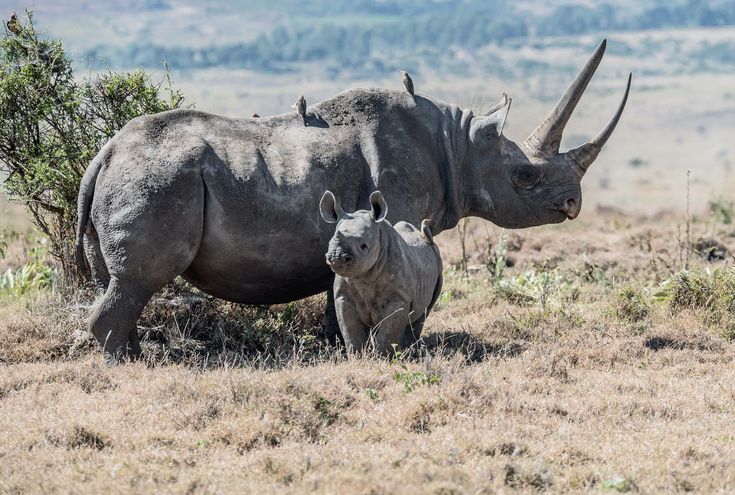
Rhino close up at Lewa Wildlife Conservancy
A. Day Visits
Perfect for those based in Nairobi or on a multi-park circuit:
-
Morning game drive (0700–1030)
-
Optional bush breakfast
-
Afternoon game drive (1530–1830)
-
Total: ~6 hours of wildlife viewing with guided access.
Day-tour packages include:
-
Conservancy entrance fees (~$90–100/person)
-
Game drives with ranger
-
Optional walking safari surcharges
-
Equipment like binoculars and picnic lunches
Day trips can also be arranged alongside cultural or conservation visits.
B. Overnight & Multi-Night Stays
Lewa offers a range of accommodation:
-
Luxury
-
Sirikoi Lodge – private villas, gourmet dining, personal guides.
-
Lewa Safari Camp – solar-powered tents with ensuite facilities and mountain views.
-
-
Mid-range
-
Kilaluka Family Camp – spacious family tents with en-suite amenities.
-
Kenya Safari Trails – charming tented camp for families or small groups.
-
These packages typically include:
-
Full-board meals, drinks, laundry service
-
Twice-daily game drives with picnic experiences
-
Optional walking safaris, night drives, horse safaris, and community visits
-
Access to conservancy events or education experiences when available
C. Private Charters or Photography Packages
Photographers and professionals can arrange:
-
Customized photo safaris with extended vehicle times and access to private filming/photography areas.
-
Direct access to unfenced zones under special permission.
-
Expert guides trained in photography logistics.
Custom photography safaris often include:
-
Day-long drives
-
Dawn and dusk schedule flexibility
-
Exclusive vehicle use
-
Gear support (beanbags, charging)
-
Optional overnight shoots for nocturnal species
4. Costs & Fees: Budgeting for Your Lewa Trip
A. Conservancy Fees (Per Day):
-
International adult: ~$90–100
-
Child (3–15 yrs): ~$45–50
-
Kenya/EAC citizens: reduced rate (~$40–50)
-
Walk, horseback, or night-drive surcharge: ~$20–30 each
B. Accommodation Costs (per person per night):
-
Sirikoi: $600–800 all-inclusive
-
Lewa Safari Camp: $500–700
-
Kilaluka: $350–450
-
Day guest rate: ~$260–300 (incl. conservancy fee + game drives)
Lodge packages generally bundle meals, drinks, activities, and conservancy fees.
C. Transport & Logistics
-
Charter flights: $200–350 round-trip from Nairobi
-
Road transfers: Included or $80–120 one-way for small groups
-
Gear rentals: Binoculars, cameras, game-viewer binoculars (~$10–20/day)
D. Optional Extras:
-
Conservation experience (poacher patrols)
-
Cultural village visits and craft workshops
-
Horseback safari surcharges
-
Spa treatments at Sirikoi or Lewa Safari Camp
E. Sample Cost Snapshot (Per Person):
-
2 nights at Kilaluka: $800
-
Charter flights: $300
-
Conservancy fees: $200
-
Activities: $150
-
Total: ~$1,450 for 2 nights (approx.)
Longer stays naturally scale up but reduce per-day transport/arrival costs.
5. Wildlife and Conservation Highlights
A. Key Species
Lewa is a stronghold for:
-
Black and White Rhinos (critically endangered)
-
Grevy’s Zebras (population ~2,500)
-
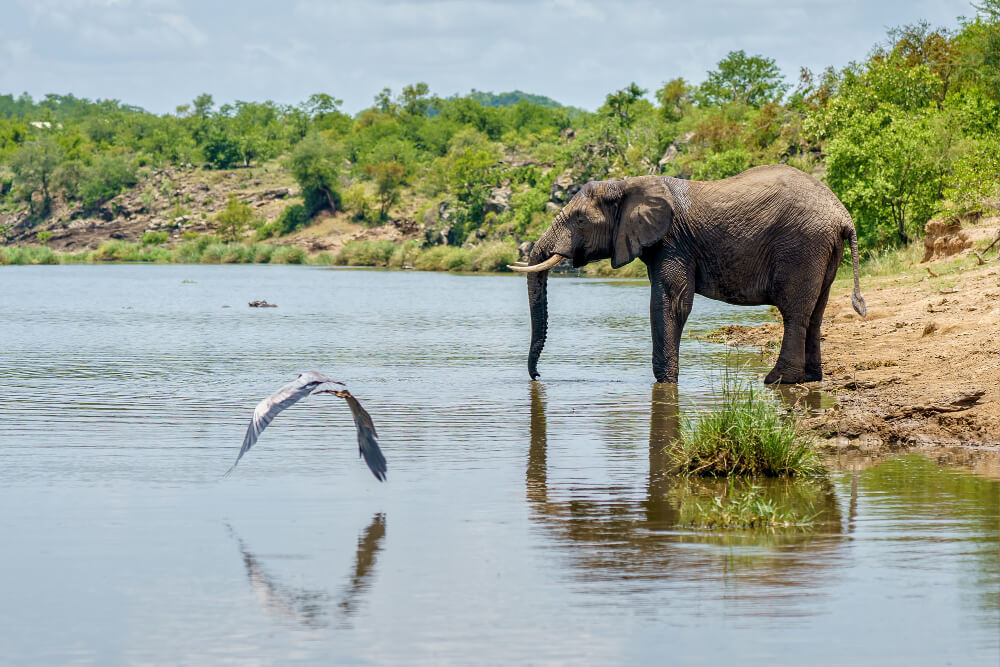
African Elephants, Buffalo, Giraffe, and plain ungulates
-
Large predators: Lion, Leopard, Spotted Hyena, Cheetah
-
Avian-rich areas with ~450 bird species
B. Conservation Success Stories
-
Rhinos translocated from Lewa to other reserves
-
Rhino range doubled from 1980s to today
-
Community-run anti-poaching scouts and K9 units
-
CCTV, rangers, community collaboration
-
Leaders in rangeland restoration and sustainable wildlife corridors
C. Community Engagement
-
Ecotourism supports education—many local children attend conservancy-run schools
-
Women’s grassroots savings and micro-finance projects
-
Local beekeeping boosts livelihoods and pollination
-
Cultural tours support traditional Maasai hearth and housing preservation
Visitors often leave not just inspired, but with a sense of purpose—knowing part of their stay supports real conservation and community uplift.
6. Experiences at Lewa: Beyond Game Drives
A. Walking Safaris
Led by armed rangers and local trackers, these provide up-close encounters with flora, animal tracks, birds, and small wildlife—all on foot.
B. Horseback Safaris
Offered at Kilaluka and Lewa Safari Camp:
-
Ride through open plains
-
View wildlife at safe distances
-
Popular with advanced riders
C. Night Game Drives
Game viewing after dark—spot owls, porcupines, cats, hyenas, and nocturnal predators under starry skies.
D. Cultural & Environmental Tours
-
School visits and community projects
-
Maasai homestays and beading/art demonstrations
-
“Conservation drives” with ranger discussions on strategy
-
Tree planting, honey farm visits, and women’s outreach
E. Photography & Filmmaking Opportunities
Flexibly-timed drives, private guides, adult group sizes of 4–6, and locations optimized for sunrise/sunset photography—including rhino trophis and mountain reflections.
F. Family/Child Safaris
Curated wildlife-themed activities, junior ranger programs, Maasai culture immersion and safe vehicles for all ages.
7. Sample 7-Day Itinerary
Day 1: Arrive Nairobi, charter to Lewa; afternoon drive
Day 2: Full day game drives, lunch in bush, optional night game drive
Day 3: Early walk safari, morning rest, afternoon horseback safari
Day 4: Cultural tour, beekeeping and school visits
Day 5: Wildlife walk, private game drive, night cultural evening
Day 6: Full game day, rhino tracking, farewell sundowner
Day 7: Optional dawn drive, charter return, onward travel
Longer and shorter stays are possible. Contact your tour operator to further customize.
8. When to Visit Lewa
Dry Season (June–Mid-Oct / Jan–Feb)
-
Wildlife clusters near permanent water
-
Weather: mild days, cooler nights
-
Ideal for photography, rhino tracking, birding
Short Rains (March – April)
-
Landscape flushes green
-
Fewer tourists, great for landscapes and bird life
-
Expect intermittent afternoon showers
Long Rains (Nov – Mid-Dec)
-
Thick greenery, lush scenery, active wildlife breeding
-
Avoid road travel complications
Shoulder Seasons (May, October, December)
-
Transitional beauty, manageable climate, thinner crowds
Smithaging seasonality can enhance visuals and experiences.
9. Preparation: What to Bring & Plan
Gear Checklist
-
Camera + telephoto lenses
-
Binoculars
-
Lightweight clothing in neutral tones
-
Rain and thermal layers for cool nights
-
Sun essentials (hat, sunscreen)
-
Safari-friendly shoes
-
Power bank for charging
-
Medication, toiletries and documents copies
Bookings & Permits
-
Reserve lodge 6–12 months ahead (high season)
-
Charter/flight bookings essential
-
Conservancy permit forms handled via operator
-
Special permits may apply for night safaris, walking tours, or filming
Health & Insurance
-
Kenya-standard vaccinations (Yellow Fever, etc.)
-
Malaria prophylaxis optional—consult your doctor
-
Valid travel insurance with medical & evacuation coverage
-
Bring personal medicines; after hours medical support often available in Isiolo or Nanyuki
10. Conservation & Ethical Travel
Sustainable Practices
-
Lodges use solar power, greywater recycling, eco-building
-
Vehicles designed for low emissions and wildlife retention
-
Repurchase/replant native trees (e.g., Mount Kenya forest restoration)
-
Reroute grazing from communal land to reduce pressure
How Travelers Contribute
-
Every guest stay co-funds ranger budget and scouts
-
Community fees support local schools and health clinics
-
Walking and cultural experiences generate income for local families
-
Choice of lodges reflect nature-first ethos
11. Visitor Tips & Etiquette
-
Keep a safe distance—always follow ranger instruction
-
Stay inside vehicles unless on a guided walk
-
Minimize flash photography around wildlife
-
Tipping: Elephant-sized hospitality often merits guides ($10–20/day), lodge staff (locals ~$5/day)
-
Learn a few Maasai phrases—they appreciate this cultural recognition
-
Pick biodegradable toiletries—many lodges compost greywater
-
Check in for daily walks and document your experience responsibly
12. Frequently Asked Questions
Can I go when I want?
Yes—Lewa manages open gates 365 days. Lodge availability may be seasonal.
Is Lewa kid-friendly?
Yes—many lodges cater to families with tailored modules.
Can I combine Lewa with other parks?
Absolutely—Lewa fits nicely into Kenya multi-park circuits (Samburu, Amboseli, Tsavo), or visits to Laikipia ranches and the Rift Valley.
What about Wi-Fi and connectivity?
Most lodges offer decent Wi-Fi in public areas; remote camps broadcast offline.
How many days is enough?
2–3 nights provide a glimpse; 5+ gives a richer experience including night drives, walks, cultural insight, and deeper wildlife engagement.
13. Why Lewa Should Be on Your Bucket List
-
Conservation cornerstone: Dedicated rhino and zebra habitat
-
Community investment: Schools, health, women’s empowerment
-
Diverse safari experiences: Vehicles, walking, cultural variety
-
Luxurious comfort: Lodge quality meets remote wilderness
-
Exclusive access: Guided experiences with small, personalized groups
-
Polarizing scenery: Scenic beauty, mountain views, bush plains
14. Conclusion
Yes—you can certainly visit Lewa Wildlife Conservancy. More than just an elite safari destination, Lewa represents a life-affirming model of conservation in action. It offers wildlife protection, community resilience, and enriching experiences—all framed within Africa’s legendary bush.
From day visits to dedicated photo safaris, horseback rides to Maasai village interaction, Lewa offers captivating layers of encounter. With pre-planning—charter flight, lodge booking, and permit application—your visit becomes more than a wildlife tour. It becomes a personal discovery, a contribution to conservation, and a connection with tens of thousands of lives—for humans and wildlife alike.