Can I Visit Kyambura Gorge?
Unveiling the Hidden Wilderness of the “Valley of Apes” with Great Migration Adventure
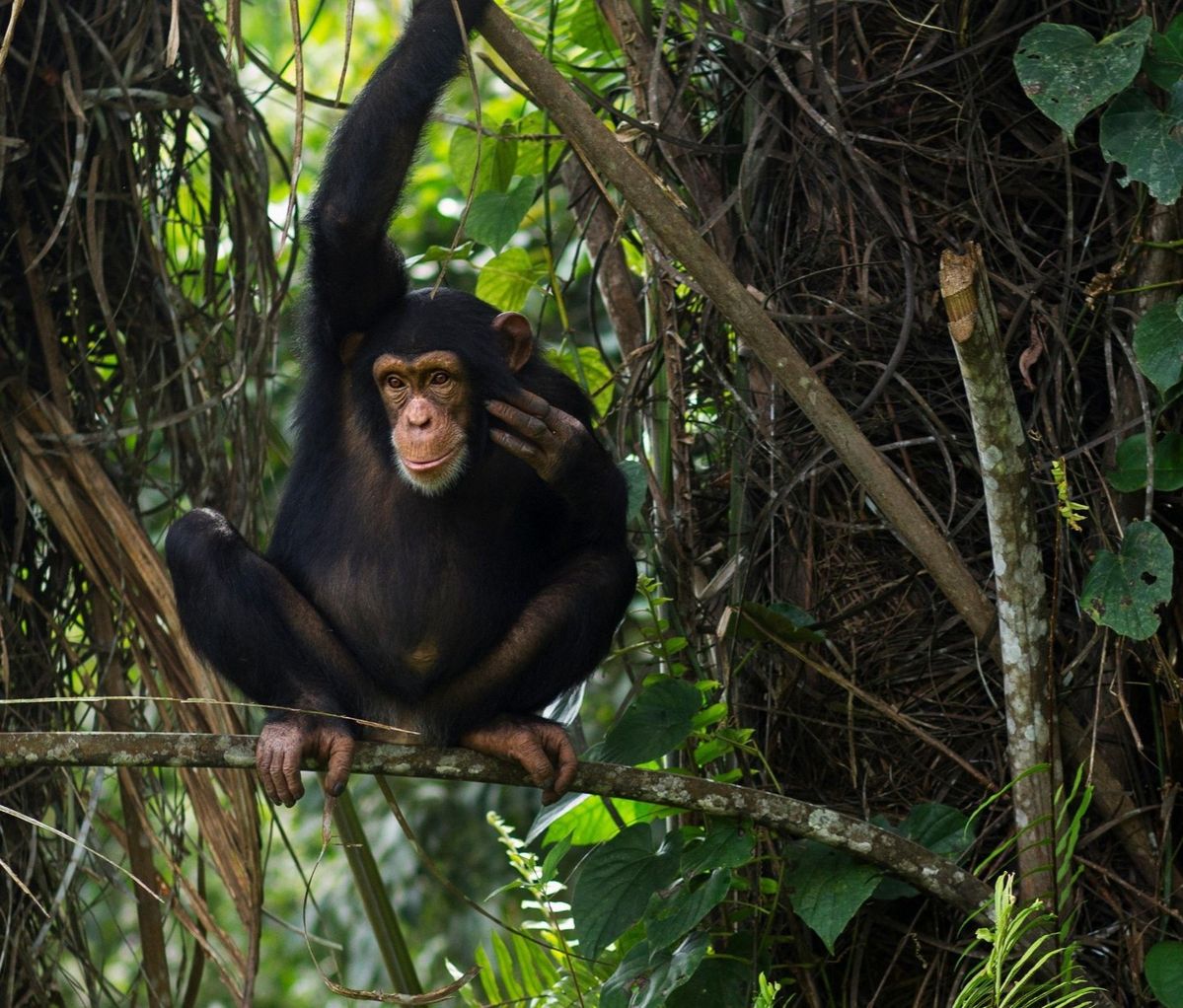
When many people think of Uganda’s wildlife treasures, names like Kibale Forest, Queen Elizabeth, and Bwindi Impenetrable immediately come to mind. But very few are aware that tucked away within Queen Elizabeth National Park lies a deep, lush ravine—Kyambura Gorge, also known as the “Valley of Apes.” Filled with dense rainforest and home to habituated chimpanzee communities, Kyambura offers an unforgettable, off‑the‑beaten‑path experience just hours from major safari hubs.
At Great Migration Adventure, we believe the true magic of a safari lies in those intimate, lesser‑known encounters. Visiting Kyambura Gorge is not just about chimp tracking—it’s a full sensory journey: into glistening forest trails, steep cliff lines, rich biodiversity, and local culture intertwined with geological wonder. So, can you visit Kyambura Gorge? Absolutely—and here’s everything you need to know to do it safely, sustainably, and memorably.
1. Where Is Kyambura Gorge?
Kyambura Gorge is located in the northeastern sector of Queen Elizabeth National Park, about 30 km from the park’s headquarters at Kasenyi, on the slopes of the Rwenzori Mountains. This great chasm stretches roughly 13 kilometers long and up to 100 meters deep, carving a green, forested ribbon through the open savannah.
While Queen Elizabeth National Park is well-known for its tree‑climbing lions, elephants, and boat cruises on the Kazinga Channel, Kyambura offers a hidden world—a rainforest corridor that serves as an ecological island in an otherwise savannah landscape.
2. Why Visit Kyambura Gorge?
a. Chimpanzee Trekking in Forest Depths
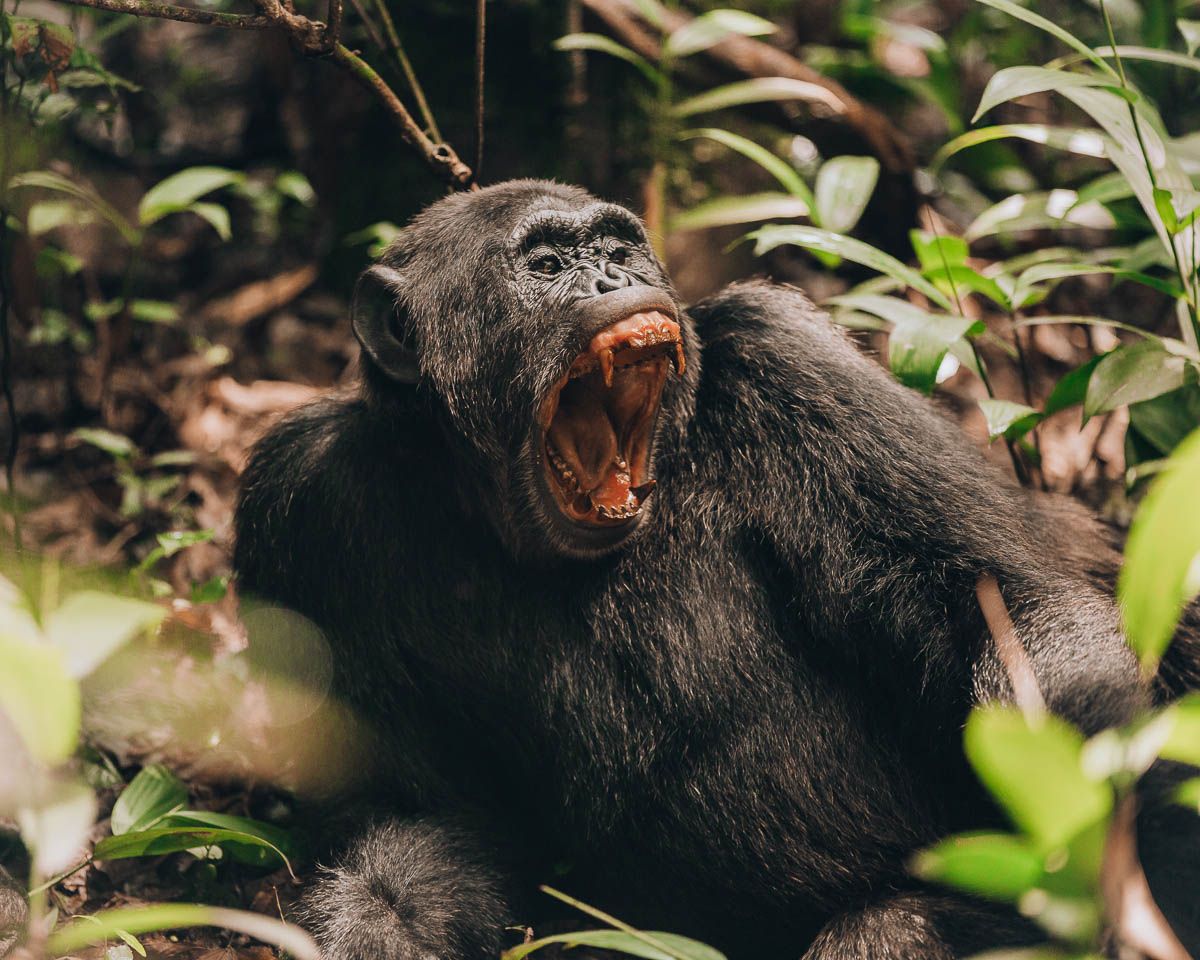
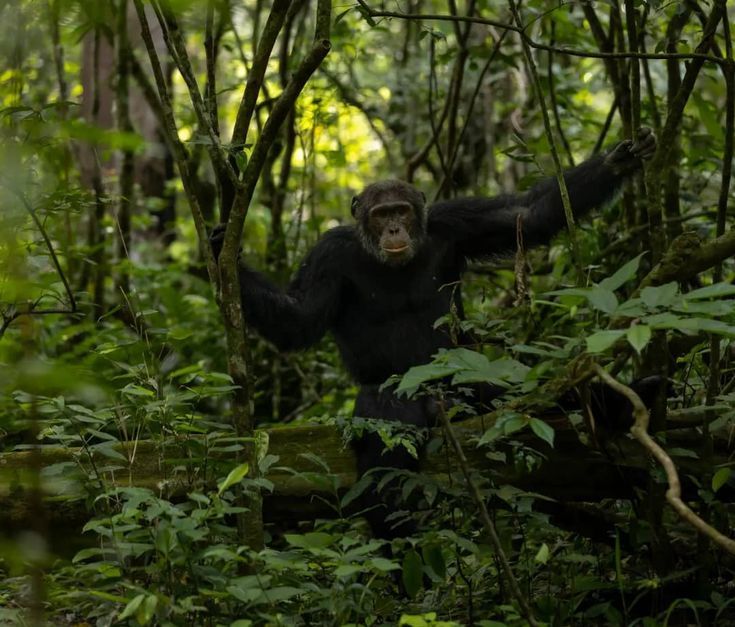
Kyambura is one of only a handful of places in Uganda where you can trek for chimpanzees in a rainforest surrounded by savannah, making the contrast uniquely dramatic. The gorge hosts two habituated chimpanzee groups, each allowing group visits with permits. With the guidance of experienced trackers, you’ll enter dense forest, ascend muddy slopes, and finally come face-to-face with a chimp troop in their natural realm.
b. A Biodiversity Hotspot in Miniature
The gorge is a vital habitat corridor. Within a sharp elevation and vegetation gradient—savannah rim to rainforest floor—you can encounter:
-
Colobus monkeys
-
Red-tailed monkeys
-
Baboons
-
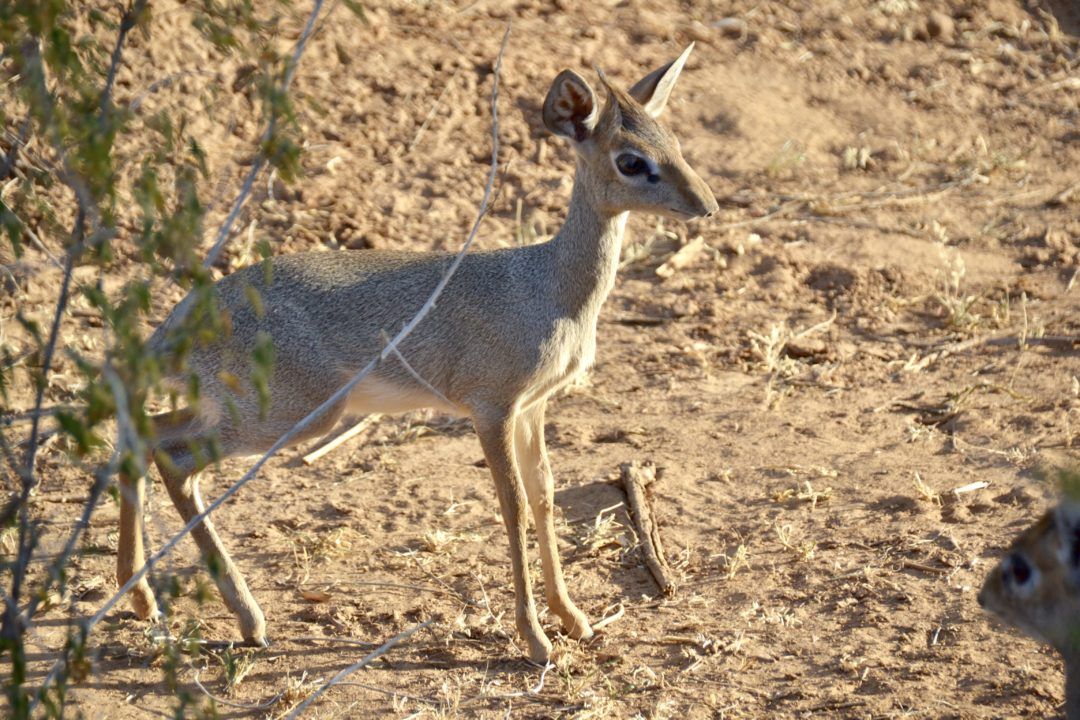
Forest duikers
-
Genets and bushbucks
-
Over 300 bird species including African green broadbill, Narina trogon, and the rare dwarf honeyguide
For naturalists, the gorge packs a surprising range of species into just a few hours of trekking.
c. Dramatic Geology and Scenic Contrast
The gorge is breathtaking visually: steep limestone cliffs draped in vines and moss, with ferns and forest trees rising from the murky depths. You’ll trek along narrow paths, cross slanted bridges over ravines, and occasionally stand at vantage points that peer down to forest pools below—a stark contrast to the open grasslands just steps away.
d. Cultural Connections—Batwa and Local Communities
The Karambi and Kikorongo villages border the gorge, with the Batwa pygmy community historically connected to it. Today, local community walk‑up experiences and storytelling sessions share their knowledge of plant medicines, forest navigation, and legends tied to the gorge floor. It’s also a chance to support community ecotourism through responsibly structured visits.
3. Is Kyambura Gorge Open to Visitors?
Yes! Kyambura Gorge is fully accessible to visitors as a guided chimpanzee trekking and wilderness walk experience—provided you book through recognized operators (like Great Migration Adventure) and secure the necessary permits from Uganda Wildlife Authority (UWA).
Activities in the gorge include:
-
Guided chimpanzee tracking: Small groups (up to 6 trekkers), with expert trackers and armed rangers
-
Forest walks and wildlife observation
-
Birding hikes focused on forest species
-
Cultural walk‑and‑talk experiences with Batwa or local storytellers
All experiences are guided by UWA-certified guides and require adherence to national park rules (e.g. masks near chimps, non-flash photography, 7 m distance to primates).
4. What to Expect on a Kyambura Gorge Experience
a. Difficulty & Terrain
Expect a moderately strenuous walk. The trail enters a forested canyon with muddy paths, steep descents, and stream crossings. Depending on recent rains, sections may be slippery—so proper boots and trekking poles are advisable.
b. Duration & Itineraries
-
Chimp tracking (3–4 hours): After briefing, you descend into the gorge with trackers looking for fresh nest sites or vocalizing chimps. Once located, you spend up to one hour observing them at a respectful distance. The hike up and out can take longer due to steep slopes.
-
Extended Walk & Birding (3–5 hours): Combines chimp tracking with a guided forest fauna walk, bird spotting, and cultural engagement with local community members at the gorge rim.
-
Half-day Combos: Kyambura Gorge is often paired with afternoon boat cruises on the Kazinga channel, or game drives in the Kasenyi plains in a multi-activity safari.
c. Species You Might See
-
Chimpanzees up close (naturally and fairly habituated)
-
Monkeys: Colobus, red-tailed monkeys
-
Small mammals: Bushbuck, serval (rare), forest genet
-
Birds: African green broadbill, Papyrus Gonolek, Narina trogon, other Albertine rift endemics
-
Reptiles & Amphibians: Forest chameleons, reed frogs, and dabbling kingfishers near streams
d. Safety and Etiquette
-
Maintain at least 7 meters from chimpanzees
-
Avoid flashes and loud noises
-
Stay with your guide and follow instructions carefully
-
Masks are required near primates to avoid disease transmission
-
Carry rubbish out and respect local customs
5. Planning Your Visit with Great Migration Adventure
a. Booking and Logistics
We handle everything: UWA permits, park entry, transfers from Kibale, Queen Elizabeth or Kampala, and hiring expert trackers and rangers. Most safaris include shared or private transport in a 4×4 safari vehicle.
b. Recommended Itineraries
3-Day “Valley of Apes & Savannah” Combo
-
Day 1: Drive into Queen Elizabeth N.P.; evening game drive in Kasenyi
-
Day 2: Morning chimp tracking in Kyambura Gorge; afternoon boat cruise on Kazinga Channel
-
Day 3: Morning game drive and birding; transfer out or extend to Mweya or Kibale
4-Day “Forest-to-Savannah Birding Safari”
-
Day 1: Arrival and birding in Kasenyi
-
Day 2: All-day birding combo: Kyambura gorge walk plus fringe-of‑jungle birding
-
Day 3: Morning chimp tracking, afternoon cultural Batwa experience
-
Day 4: Final birding stop and departure
Our itineraries include comfortable lodgings in the Kyambura region (e.g. Kyambura Gorge Lodge, Mweya Safari Lodge, or community-run camps), sustainable meals, and pre-departure briefings.
6. When to Visit Kyambura Gorge
Best Time: Dry Seasons
-
June to August and December to February offer firmer trails, clearer visibility into the forest canopy, and easier ascent.
Wet Season: March–May and September–November
-
The gorge is lush, vibrant, and bird activity is high—but terrain can be slippery and water crossings more challenging. It’s still accessible for fit and prepared travelers.
Wildlife Timing
-
Chimp activity is consistent year-round, but visibility within the forest canopy is best when there is less leaf cover (late dry season).
-
Migratory bird species arrive around September–November, making these prime months for birders.
7. What to Bring & Preparation
Packing list for Kyambura Gorge:
-
Waterproof hiking boots
-
Trekking poles (recommended)
-
Rain gear or poncho
-
Insect repellent and long sleeves
-
Lightweight binoculars and camera (with zoom lens)
-
Water bottle (minimum 2 L per person) and snacks
-
Small daypack for essentials
-
Face mask (for chimp tracking protocol)
We supply water and a first‑aid kit in each vehicle, and guides are trained in basic medical response.
8. Conservation & Community Impact
Kyambura Gorge is a community‑buffered conservation success story. At Great Migration Adventure, our safaris help support:
-
UWA rangers and chimp tracking teams
-
Community tour guides and Batwa cultural programs
-
Conservation education in local schools
-
Forest corridor preservation between Kibale and Queen Elizabeth
By trekking with us, you’re directly investing in long-term conservation programs, sustainable local livelihoods, and responsible tourism.
9. Why Choose Great Migration Adventure?
-
Expert Guides & Trackers: Rated by UWA for excellence in primate tracking
-
Integrated Safari Designs: Combining chimp tracking in Kyambura with other highlights of Queen Elizabeth and Kibale
-
Private or Small‑Group Options: Tailored to birders, photographers, families, or safari travelers
-
Ethical & Sustainable Approach: Respectful of wildlife, supportive of communities, low‑impact practices
We deliver meaningful, unforgettable experiences—not just photo ops, but immersive journeys through Africa’s lesser-known jungles and stories.
10. Final Thoughts: Why Visit Kyambura Gorge?
Yes—you can visit Kyambura Gorge. More importantly, you should. It’s a place where dense forest meets open savannah, where chimpanzees roam within sight of lions on the plains, and where geological history meets living culture.
If you long for safari stories beyond the Big Five—if you’re curious about endangered primates, rare birds hidden in emerald forests, or the chilling thrill of descending into a steep gorge carved by ancient rivers—Kyambura is waiting.
Ready to step into the Valley of Apes? Let’s begin your Kyambura Gorge journey.