Can You See the Great Migration in January? A Complete Guide
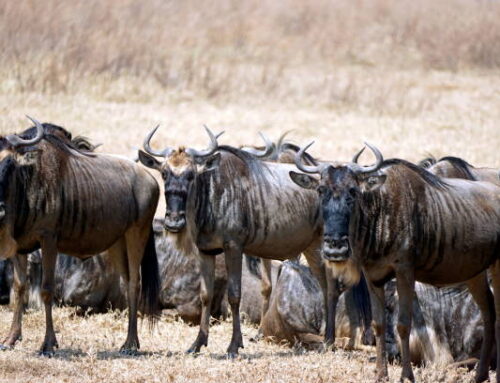
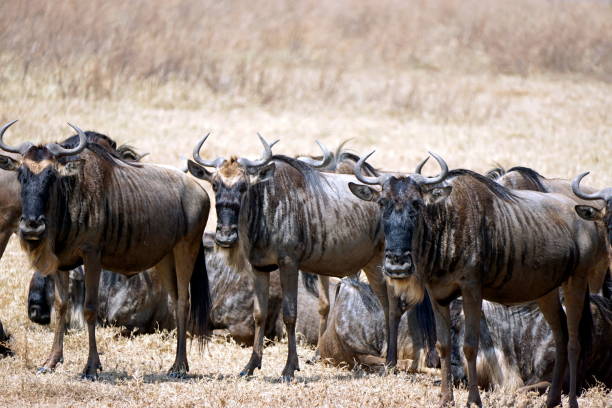
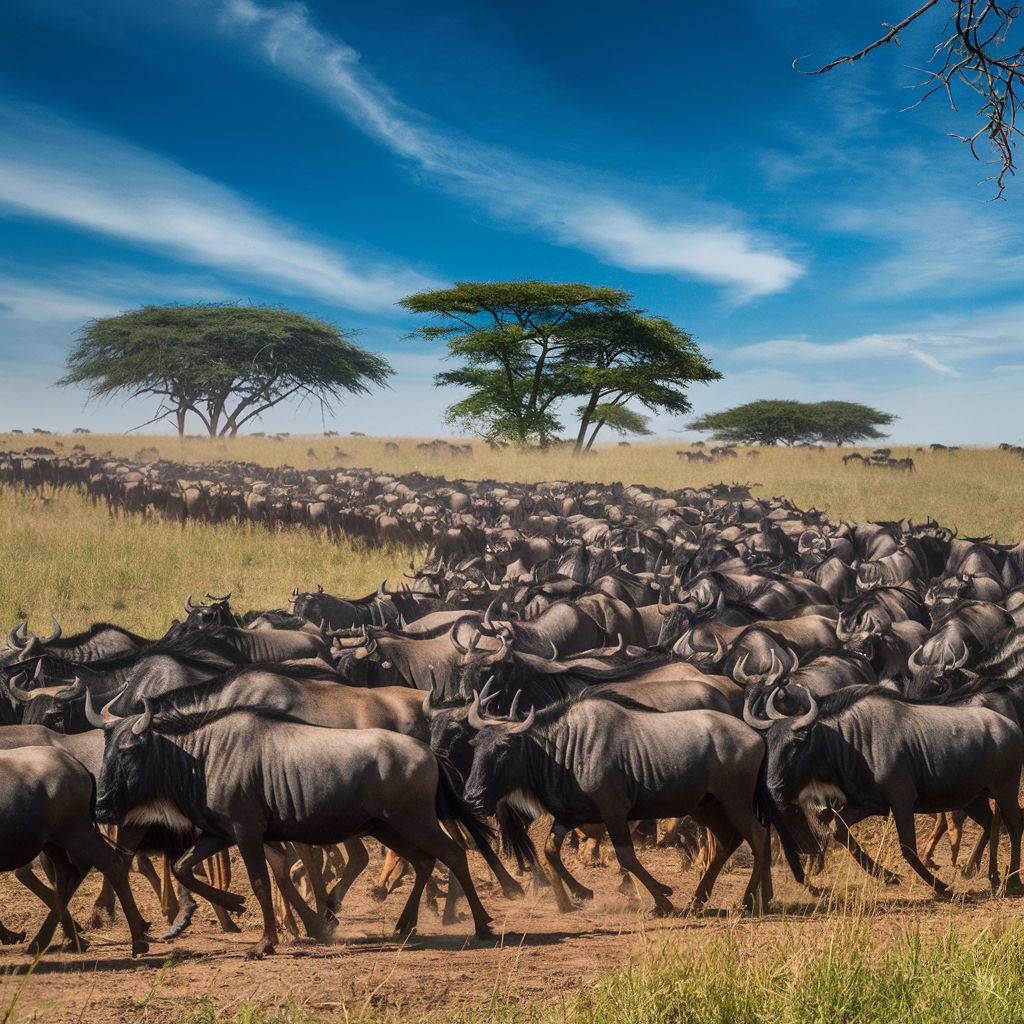
The Great Migration is often called the “Greatest Wildlife Show on Earth,” a breathtaking natural phenomenon where over two million wildebeest, zebras, and gazelles traverse the Serengeti-Mara ecosystem in an endless cycle of survival. Many travelers dream of witnessing this spectacle but often wonder: Can I see the migration in January?
The answer is a resounding yes—but with some important nuances. Unlike the dramatic river crossings of the dry season, January offers a different yet equally mesmerizing experience: the calving season. This period is one of the most dramatic, predator-rich, and visually stunning times to witness the migration.
In this in-depth guide, we’ll explore:
-
Where the herds are located in January
-
Why the calving season is so special
-
Weather conditions and what to pack
-
Best camps and lodges for January viewing
-
How January compares to other months
-
Tips for planning the ultimate January migration safari
By the end, you’ll know exactly what to expect—and why January might just be the perfect time for your Great Migration adventure.
Where is the Great Migration in January?
The migration is a year-round journey, and its location shifts with the rains. In January, the massive herds are typically found in the southern Serengeti (Tanzania) and the Ngorongoro Conservation Area, particularly around the Ndutu Plains.
Why the Southern Serengeti?
-
Short, nutrient-rich grasses – After the November-December short rains, the southern plains erupt in lush, green growth, providing ideal grazing for pregnant wildebeest.
-
Safety in numbers – The open plains allow wildebeest to spot predators from a distance, making it a relatively safer place to give birth.
-
Predator hotspot – While the open terrain helps wildebeest detect threats, it also means lions, cheetahs, and hyenas are constantly on the prowl.
Key Areas to Visit in January:
-
Ndutu Plains – The epicenter of the calving season, where thousands of wildebeest drop their young.
-
Southern Serengeti (Moru Kopjes, Lake Ndutu) – Excellent for big cat sightings.
-
Ngorongoro Conservation Area – Adjacent to the Serengeti, offering stunning landscapes and wildlife diversity.
If you’re planning a January safari, focus on the southern Serengeti and Ndutu region—this is where the action is.
The Calving Season: Why January is Unique
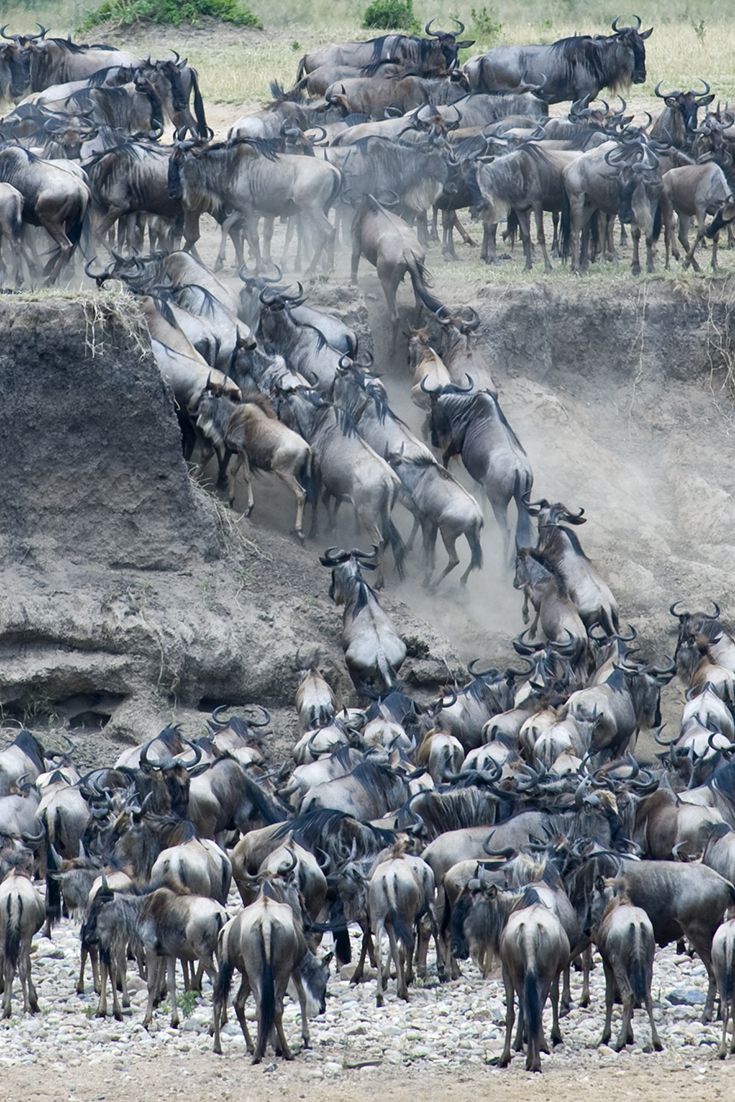
January marks the peak of the wildebeest calving season, one of the most extraordinary wildlife events on the planet.
What Makes the Calving Season So Special?
-
Mass births – Over 500,000 calves are born within a 2-3 week window (late January to early February). On some days, 8,000+ wildebeest are born daily!
-
Predator frenzy – Lions, cheetahs, leopards, and hyenas take advantage of the abundance of vulnerable newborns.
-
High drama – Witnessing a cheetah chase or a lion pride hunting young wildebeest is both thrilling and heart-wrenching.
-
Photography paradise – The golden-green plains, stormy skies, and intense wildlife interactions make for unbeatable safari photos.
The Survival Game
While the sheer number of births ensures species survival, only about 40% of calves survive their first year. Predators, exhaustion, and disease take a toll, but the ones that make it will join the migration north in a few months.
Weather in January: What to Expect
January falls within Tanzania’s “short dry season”—a great time for safaris with warm days and occasional brief showers.
Temperature & Rainfall
-
Daytime temps: 25–30°C (77–86°F)
-
Nighttime temps: 12–15°C (54–59°F)
-
Rainfall: Minimal, but brief afternoon thunderstorms can occur.
What to Pack
-
Lightweight, breathable clothing (mornings and evenings can be cool)
-
A good rain jacket (just in case)
-
Binoculars & a high-quality camera (you’ll want to capture every moment)
-
Sturdy safari boots (for walking safaris in Ndutu)
Best Lodges & Camps for January Migration Viewing
Since the herds are concentrated in the south, staying in the Ndutu or Southern Serengeti region is crucial. Here are some top options:
Luxury Lodges
-
&Beyond Klein’s Camp – Private concession with exclusive game viewing.
-
Singita Faru Faru – High-end luxury with incredible wildlife access.
-
Serengeti Serena Safari Lodge – Stunning views over the plains.
Mobile Tented Camps (Best for Close Encounters)
-
Nomad Tanzania’s Serengeti Safari Camp – Moves with the herds.
-
Asilia’s Dunia Camp – Great for predator sightings.
-
Lemala Ndutu Camp – Situated right in the calving zone.
Mid-Range Options
-
Ndutu Safari Lodge – Affordable and perfectly located.
-
Lake Masek Tented Camp – Excellent value near prime grazing areas.
January vs. Other Months: When is the Best Time to Visit?
| Month | Location | Highlights | Drawbacks |
|---|---|---|---|
| Jan-Feb | Southern Serengeti | Calving season, predator action | No river crossings |
| Mar-May | Central Serengeti | Lush landscapes, fewer tourists | Heavy rains, muddy roads |
| Jun-Jul | Western Corridor | Grumeti River crossings | Crowded, high season prices |
| Aug-Oct | Maasai Mara (Kenya) | Mara River crossings | Very crowded, expensive |
| Nov-Dec | Transition period | Herds returning south | Unpredictable movement |
If you want…
-
Predators & newborn wildebeest → January is perfect.
-
River crossings → July-October (Mara).
-
Fewer crowds → April-May (but risk of rain).
Tips for Planning a January Safari
-
Book Early – Top lodges near Ndutu fill up fast.
-
Choose the Right Location – Stay in the southern Serengeti or Ndutu for the best sightings.
-
Go for Long Stays – 4-5 days increases your chances of witnessing dramatic moments.
-
Hire a Knowledgeable Guide – They know where the herds (and predators) are.
-
Bring the Right Gear – A zoom lens (300mm+) is essential for wildlife photography.
Final Verdict: Is January a Good Time to See the Migration?
Absolutely! While you won’t see the famous Mara River crossings, January offers:
Unmatched predator-prey interactions
The awe-inspiring calving season
Beautiful green landscapes
Fewer crowds than peak season
If you’re looking for raw, dramatic wildlife action, January is one of the best times to experience the Great Migration.