Can I See Shoebills in Uganda?
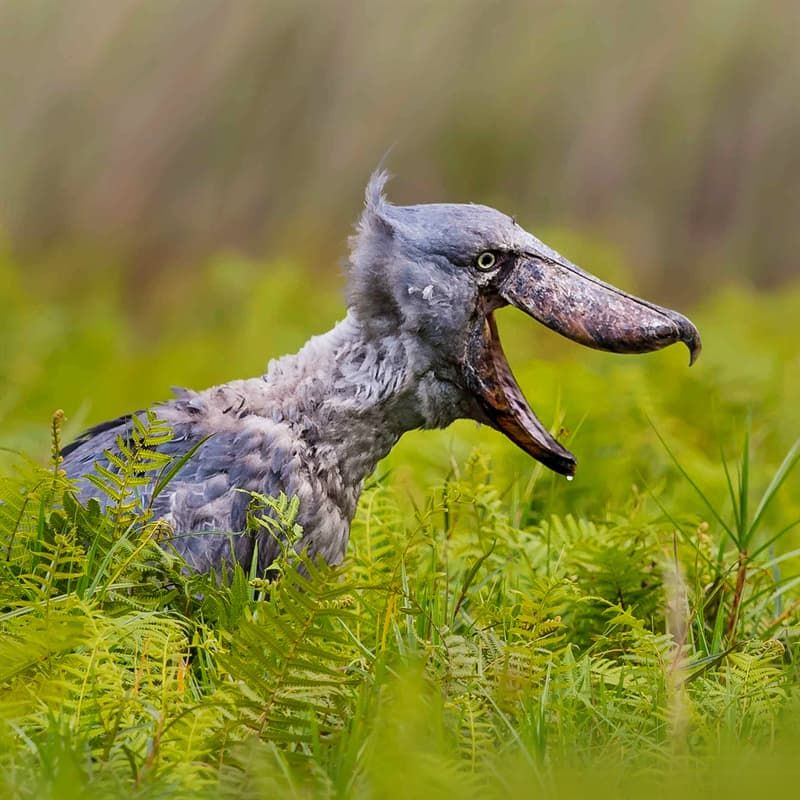
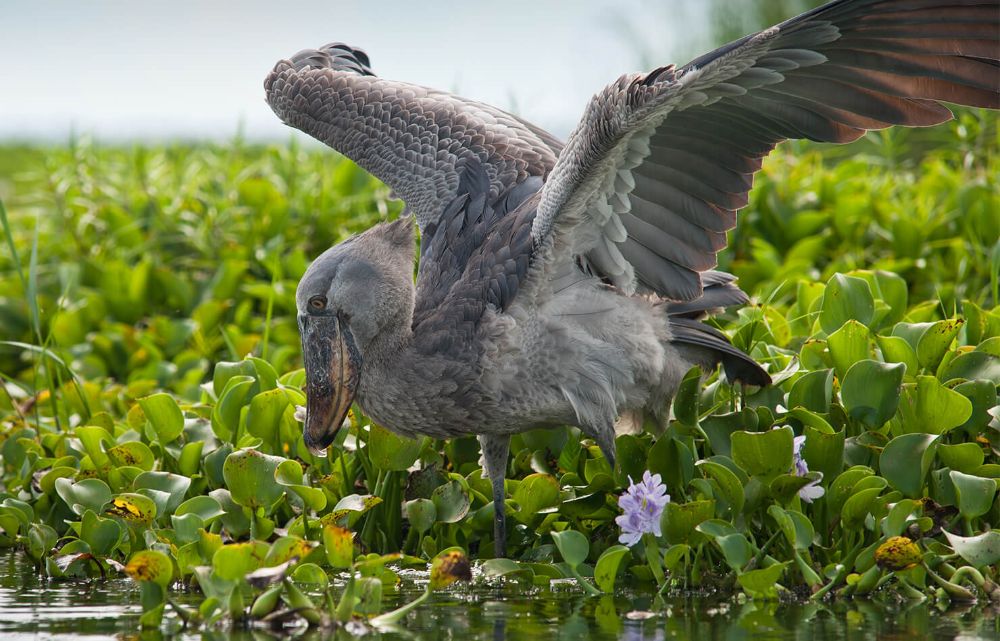
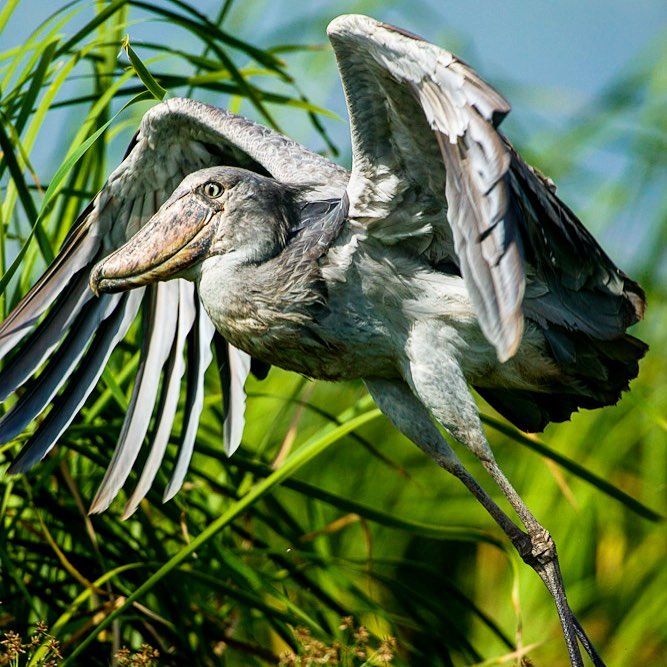
Yes—you absolutely can see shoebill storks in Uganda. These prehistoric-looking birds, sometimes called “statue birds,” are one of Uganda’s most iconic wildlife attractions. With a wingspan approaching 2.5–2.7 m, a powerful beak, and unusually patient hunting behavior, a shoebill sighting is unforgettable. Uganda offers excellent opportunities to spot shoebills in their wild habitats, notably in papyrus swamps and wetland systems—making sightings accessible to everyday travelers. At Great Migration Adventure, we craft tailor-made birding itineraries to maximize your chances of encountering these rare birds in comfort and style.
Understanding the Shoebill Stork
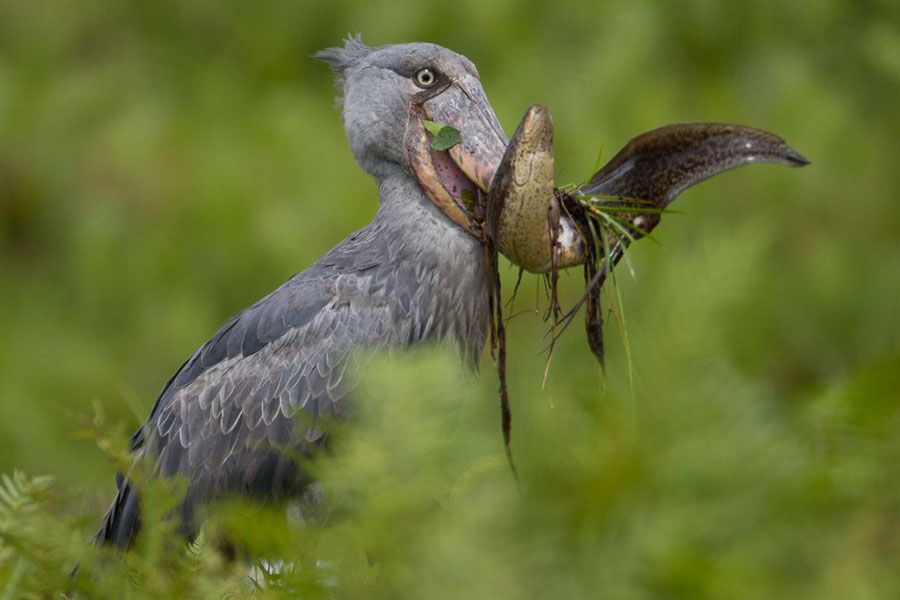
The shoebill (Balaeniceps rex) is a tall, grey-blue wading bird native to East Africa’s freshwater wetlands. It remains motionless for extended periods, waiting to snatch fish—and its huge bill and slow demeanor give it a prehistoric presence. Shoebills are considered vulnerable, with fewer than 1,000 estimated across its range. Uganda holds a significant portion of the global population—making it one of the best places to see them in the wild.
Top Locations in Uganda for Shoebill Sightings
1. Mabamba Swamp (Lake Victoria Wetland)
Mabamba Swamp, just west of Entebbe and Lake Victoria, is Uganda’s premier and most reliable site for shoebill viewing. This expansive papyrus wetland shelters hundreds of bird species and consistently yields shoebill sightings during guided canoe rides between dawn and mid‑morning. Many travelers report spotting a shoebill within minutes of paddling out.
2. Lugogo Swamp at Ziwa Rhino Sanctuary
Lugogo Swamp, part of Ziwa Rhino Sanctuary, offers another excellent canoe-based birding experience. Visitors glide through reed-lined channels, often spotting shoebills along with abundant marsh birds—all within an easy hour from Kampala.
3. Murchison Falls National Park – Lake Albert Delta
In northern Uganda, the Albert Delta within Murchison Falls NP provides reliable shoebill opportunities via Nile river and delta cruises. These early-morning excursions frequently reveal shoebills along river edges and wetlands.
4. Semuliki National Park / Toro‑Semliki Wildlife Reserve
The wetlands along Lake Albert in Semuliki and Toro‑Semliki Reserve harbor shoebills alongside many Albertine Rift species. Small boat trips through marsh areas yield sightings with rich birding content.
5. Lake Mburo National Park Wetlands
Western Uganda’s Lake Mburo NP includes wetland shores where occasional shoebill sightings occur from boat cruises on Mburo and adjacent lakes. This site also combines game drives and scenery with birding value.
6. Other Shrinking Yet Notable Wetlands: Makanaga and Lwera Swamps, Lake Kyoga Basin
Makanaga Bay on Lake Victoria and Lwera Swamp along the Kampala-Masaka corridor offer quieter, off‑the‑beaten-path shoebill viewing. Even Lake Kyoga’s papyrus fringes support occasional sightings. These spots offer solitude alongside birding.
7. Uganda Wildlife Education Centre (Entebbe Zoo)
For visitors with limited time or uncertain travel plans, the Uganda Wildlife Education Centre in Entebbe maintains rescued shoebill storks. While not wild, it allows visitors to photograph and learn about them without a swamp tour.
Best Times & Conditions for Shoebill Viewing
Seasonal Considerations
-
The dry season (June–September, December–February) offers lower water levels, smaller water channels, and concentrated shoebill feeding zones—making sightings more predictable.
-
Early morning hours (around 6–8 AM) and late afternoon offer peak shoebill activity—though midday can still bring success with persistence.
Despite wetter conditions, shoulder seasons (March–May, October–November) still allow shoebill viewing—though some access may be slowed by higher water or wetter trails.
What to Expect on a Shoebill Safari
The Canoe Experience
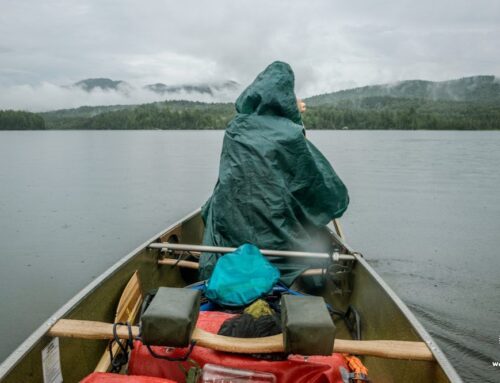
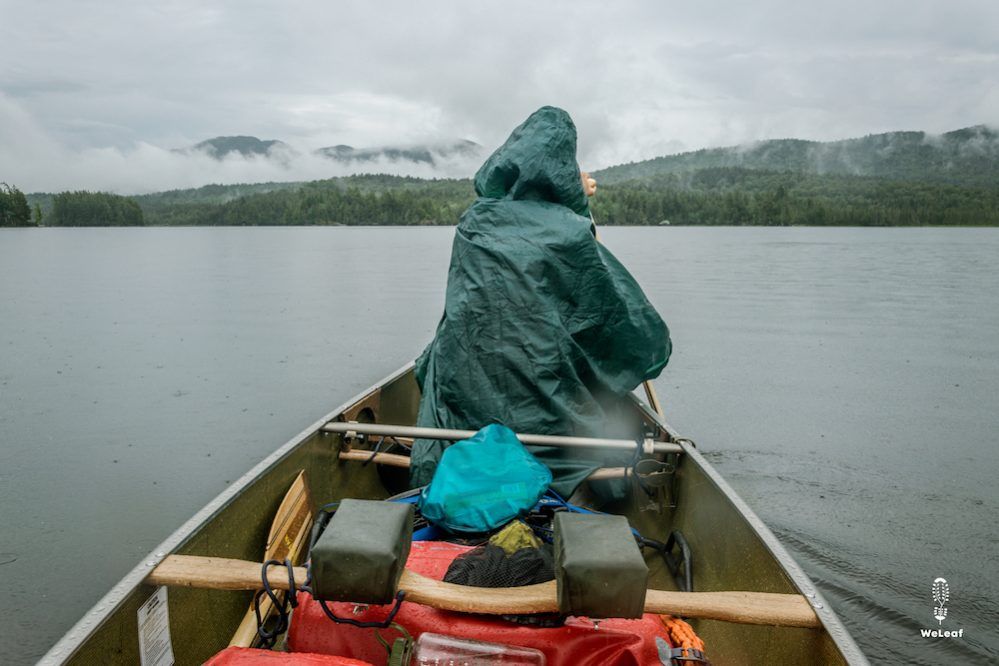
These trips are typically conducted in traditional dugout canoes or motorized boats, guided by local boatmen. As you navigate through papyrus-lined channels, guides quietly position the canoe near shoebills without disturbing them. Mammal and bird diversity along the route—often hundreds of waterbirds accompanying each sighting.
Wildlife & Habitat
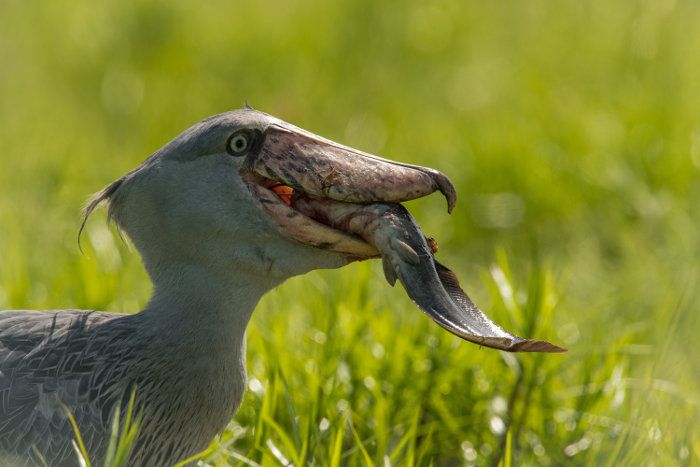
Shoebills impassively hunt lungfish, frogs and small reptiles. Their distinctive stance—motionless with slow head nodding—is mesmerizing. Beyond shoebills, these swamps and delta areas are home to a rich assemblage of kingfishers, herons, papyrus specialists, waders and raptors.
Difficulty & Vietnam
These outings are gentle—little walking is required. Sitting in a canoe for up to two hours is typically safe and accessible to most guests. Guides often bring binoculars and spotting scopes to aid viewing.
Sample Multi-Day Shoebill-Focused Itinerary
Day 1: Arrive Entebbe or Kampala → afternoon botanical gardens or local birding → overnight near Mabamba.
Day-2: Early-morning Mabamba canoe safari → shoebill and waterbird photography → return midday.
Day 3: Short transfer to Ziwa Rhino Sanctuary for Lugogo Swamp canoe ride → paired with rhino-spotting and other wildlife.
Day-4: Fly or drive to Murchison Falls area → late afternoon Nile cruise for waters-edge birds.
Day 5: Early‑morning Delta boat tour dedicated to shoebill and marsh birds.
Day-6: Fly or drive south to Lake Mburo NP → evening boat safari exploring lakeshore wetlands for shoebill and waterbirds.
Day 7: Morning game drive or cultural village visit before departure or onward journey.
This itinerary combines birding, wildlife, cultural stories, and scenic travel.
Conservation & Responsible Tourism
Shoebill viewing supports wetland conservation and local livelihoods. Coastal canoe operators, boatmen, and ranger services benefit directly from tourism. The Ramsar wetlands at Mabamba and Lake Opeta enjoy protection through international treaties. Local guides are trained to ensure respectful distance, minimize disturbance, and educate guests about shoebill behavior and threats including habitat degradation and illegal disturbance.
Voices from Shoebill Enthusiasts
Experience shared on Reddit:
“Only 20 minutes into the trip, we spotted this shoebill… the moniker ‘statue bird’ held true … during our 30 minutes alone with it.”
“Our first encounter was extremely lucky… we suddenly discovered a track called Shoebill Track… bumping into one.”
“About 30 minutes into our trip we found this individual and were the only ones there for a good 20 minutes.”
These guest stories show the magic of encountering shoebills in quiet marsh lanes at dawn.
Tips & What to Pack
-
Binoculars and a DSLR or mirrorless camera with zoom lens (300 mm+ recommended).
-
Lightweight long sleeves, hat, sunblock, insect repellent.
-
Light waterproof cover or rain jacket for unexpected showers.
-
Water bottle, snacks, and a small daypack.
-
Approach shoebill quietly—no flash photography near the bird and silence during observation.
Frequently Asked Questions
Is seeing a shoebill guaranteed?
While no wildlife encounter is guaranteed, Mabamba Swamp and Lugogo often yield sightings for most guided groups, especially during peak dry season.
Can children come?
Yes—canoe safaris are family-friendly if children are comfortable sitting in a canoe and supervised.
How long does the canoe ride last?
Trips average two to four hours depending on how long you stay near the bird, tides, and marsh channel conditions.
Is this accessible for non-birders?
Absolutely—many general safaris incorporate a shoebill canoe ride as a morning excursion alongside larger wildlife or cultural touring.
Are shoebills dangerous?
No—they are shy, non-aggressive wading birds. Observations are passive and safe with guided management.
Why Book a Shoebill Safari with Great Migration Adventure?
-
Custom safari design—choose single or multi-location shoebill focus plus additional wildlife or cultural activities.
-
Logistics included—canoe booking, permits, transfers, lodging near swamp sites.
-
Local expert guides—trained in bird behavior, wetland ecology, and respectful approach.
-
Sustainable practice—operators who support local communities and wetland conservation.
-
Flexibility and comfort—choose lodging ranging from lakeside lodges at Mabamba to Murchison Falls resorts or Akagera beachfront retreat.
Yes—you can see shoebill storks in Uganda, and it’s one of the most memorable wildlife experiences any birder or nature lover can enjoy. From the papyrus smooth boats of Mabamba to the rich delta channels of Murchison Falls or quieter swamps of Ziwa and Semuliki, Uganda offers varied, immersive ways to encounter these ethereal birds in peaceful wilderness.
Let Great Migration Adventure design your perfect shoebill safari—whether a focused day trip from Entebbe or a multi-regional itinerary combining wetlands, wildlife, culture, and scenic diversity. Contact us to begin planning your encounter with Uganda’s living dinosaur.