Can I See Otters in Queen Elizabeth National Park?
A Wild Water Safari with Great Migration Adventure
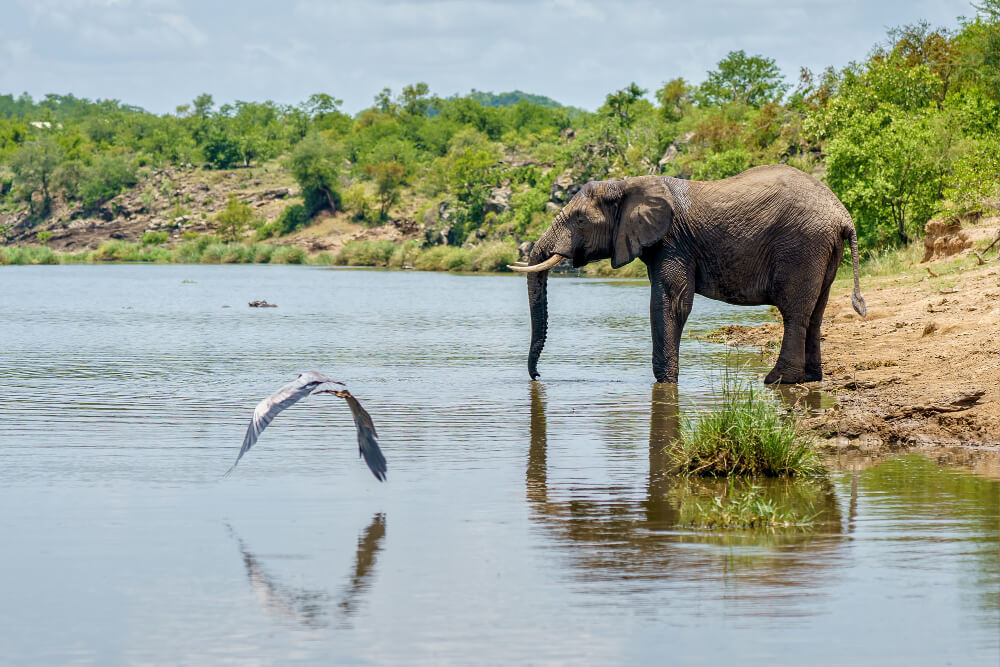
Queen Elizabeth National Park in western Uganda is a jewel known for its vast wetlands, primate forests, savannahs, and the iconic Kazinga Channel linking Lakes Edward and George. Beyond hippos and elephants, there’s a quieter—and incredibly charismatic—species thriving at the water’s edge: otters.
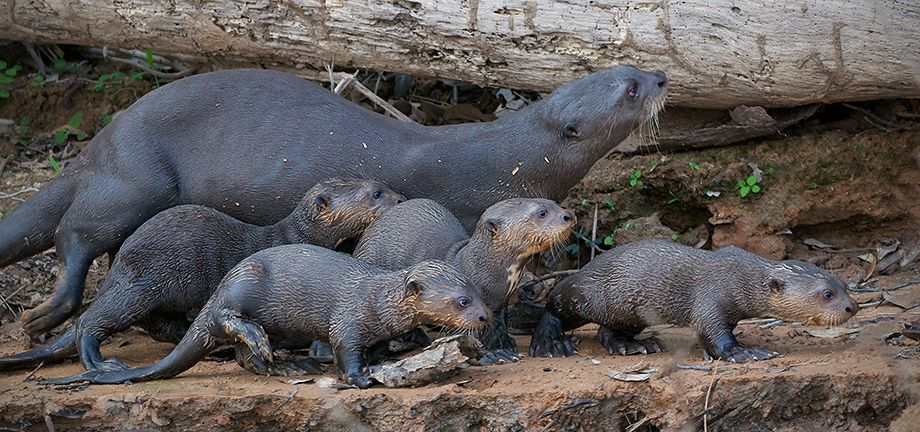
Yes—you absolutely can see otters in Queen Elizabeth National Park. With the right timing, guided support, and a sense of adventure, you may encounter these engaging aquatic carnivores in their natural habitat.
1. Which Otter Species Occur in Uganda?
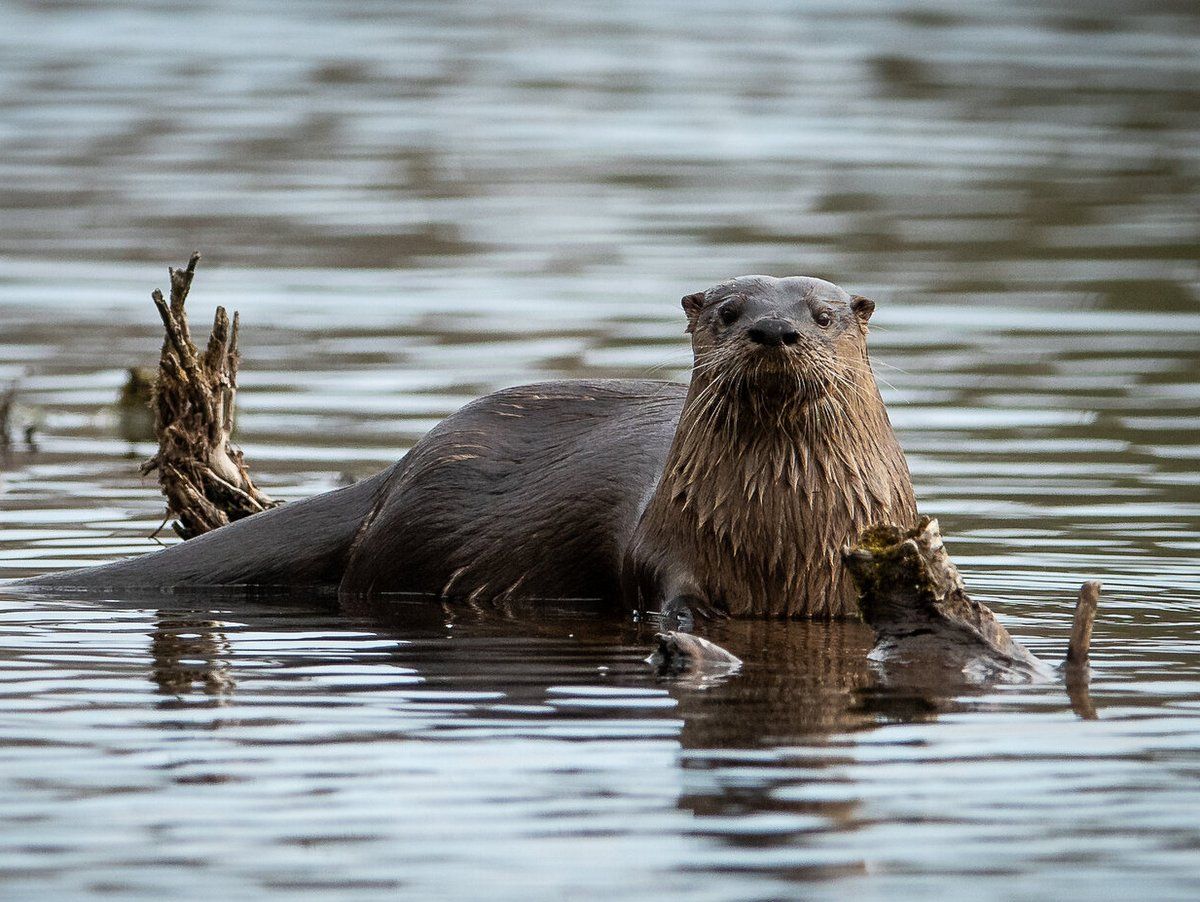
Uganda is home to three otter species:
-
Spotted-necked otter (Lutra maculicollis), active in daylight hours.
-
African clawless otter (Aonyx capensis), typically active during low‑light periods.
-
Congo clawless otter (Aonyx congicus), closely related and occasionally seen in eastern wetlands.
These species prefer wetlands, lakeshores, rivers, and aquatic corridors like those within Queen Elizabeth National Park.
2. Why Queen Elizabeth NP Is Otter-Friendly
A. Ideal Habitat: Kazinga Channel & Lakes
The Kazinga Channel offers nutrient-rich waters, shallow banks, and plenty of fish—perfect for otter foraging.
B. Protected Riparian Ecosystems
The park protects riverine edges, papyrus fringes, wooded banks, and rocky shores—habitats frequented by otters.
C. Day and Night Viewing Opportunities
Spotted-necked otters may surface under daylight, while clawless otters are more active at sunset and twilight. Both types are sometimes visible during quiet water safaris.
3. Otters & Ecology: Why They Matter
Otters are keystone species indicating healthy freshwater ecosystems. Their presence reflects balanced fish populations and pristine waterways. In Uganda, river health and otter conservation are topics of both ecological and cultural importance.
4. When & Where to Increase Your Chances
A. Best Viewing Times
-
Early morning and late afternoon (dawn and dusk) are peak activity periods.
-
Dry season months (June–October and December–March) mean clearer water, easier access, and more visible otter activity.
B. Prime Locations
-
Boat cruises on Kazinga Channel, especially near reeds and shallow tributaries.
-
Shorelines of Lake Edward and Lake George, especially near Mweya Peninsula.
-
Rivers and papyrus-fringed wetlands, where guides know typical otter spots.
5. What You’ll Experience with Great Migration Adventure
A. Expert-Guided Boat Safaris
Our lake and channel boat safaris are timed and routed to maximize otter encounter possibilities while maintaining a low-impact ethos.
B. Skilled Naturalist Guides
Our guides interpret subtle signs—ripples, bird activity, fish strikes, tracks—and help you spot otters and other wetland wildlife.
C. Tailored Timing
We customize departure times to match otter behavior patterns, ensuring maximum patience and focus for possible sightings.
D. Conservation Support
Your visit supports ongoing research and habitat protection initiatives tracking otters and safeguarding Uganda’s wetlands.
6. Sample Itinerary: Otters & Wildlife in QENP (7 Days)
Day 1 – Arrival in Uganda & Transfer to Queen Elizabeth NP
Transfer to Mweya, settle into lakeside lodge, evening boat safari on Kazinga Channel.
Day-2 – Dawn Cruise & Forest Walk
Early water safari to scan for otters, followed by a guided walk in Maramagambo Forest.
Day 3 – Lake Edward Exploration
Day spent cruising fringe areas of Lake Edward, followed by sunset ride on the Channel.
Day-4 – Birding & Afternoon Water Routes
Guided birdwatching followed by quieter afternoon cruises to revisit otter habitat zones.
Day 5 – Wetland Walk & Cultural Village Visit
Shoreline walk near Kasenyi, combined with a community exchange at a local fishing village.
Day-6 – Optional Evening Safari Cruise
After dinner, embark on a dusk cruise exploring quiet water edges where otters may appear.
Day 7 – Sunrise Boat Safari & Departure
Final early-morning ride, then transfer onward or back to Kampala.
7. Otter Behavior & Spotting Tips
-
Watch for smooth, slender movement or diving ripples near banks.
-
Observe areas where birds are diving—these often indicate fish schools, and otters may be nearby.
-
Look for mud-riverbank access points where clawless otters emerge.
-
Use red-filter torches or dim lights in evening cruises to preserve night vision while spotting nocturnal activity.
8. Conservation Challenges & Visitor Impact
Wetland degradation, overfishing, pollution, and habitat disturbance are concerns impacting otter populations. Queen Elizabeth NP offers sanctuary protection, but surrounding lands and lakes face pressure. Responsible tourism with low‑impact practices and support for wetland research helps sustain these fragile ecosystems.
9. Frequently Asked Questions
Are otter sightings guaranteed?
No—otters remain elusive species. But with expert knowledge and patient observation, chances increase significantly.
Which species is most likely in QENP?
The spotted-necked otter is often seen during the day. Clawless otters are more active at dawn or dusk and may appear during evening cruises.
Is this adventure appropriate for families?
Yes—boat cruises are safe for families. Younger children may understandably prefer earlier segments, as evening cruises can run past sunset.
Does tourism help otter conservation?
Absolutely—visitor fees and support fund research, habitat monitoring, and community-led wetland protection campaigns.
10. Why Choose Great Migration Adventure
-
Deep local expertise in Uganda’s wetland ecosystems and wildlife behavior.
-
Custom itineraries focusing on otter sightings combined with broader wildlife, birding, and cultural immersion.
-
Intimate, low-impact group size and eco-conscious travel philosophy.
-
Support for conservation efforts through direct funding and awareness.
-
Seamless logistics from boat operations to guide support and permit coordination.
11. Final Thoughts: Otters in the Heart of Queen Elizabeth
Seeing an otter swim, hunt, or surface in Queen Elizabeth National Park is a subtle but unforgettable moment in any safari narrative. It speaks to the health of wetlands and the quiet wild that thrives beyond the big game tracks.
Yes—you can see otters in Queen Elizabeth National Park. With Great Migration Adventure, that possibility becomes crafted into your safari—quiet, natural, and deeply immersive.