Can You See Flamingos at Lake Natron?
The Pink Paradise of the Lesser Flamingo with Great Migration Adventure
Few wildlife spectacles rival the ethereal vision of Lake Natron’s flamingo colonies—flocks numbering in the millions, reflected in briny red lakes under a Rift Valley volcano. At Great Migration Adventure, we craft pilgrimages to rare ecosystems—and Lake Natron stands out as one of East Africa’s most extraordinary destinations, where flamingos thrive in a hostile world.
1. What Makes Lake Natron a Flamingo Spectacle?
A Refuge in Extremes
Lake Natron, situated in Tanzania’s Great Rift Valley and stretching slightly into Kenya, is an alkaline lake with pH levels up to 10.5, temperatures reaching 60 °C, and high mineral content.
A Breeding Ground of Global Importance
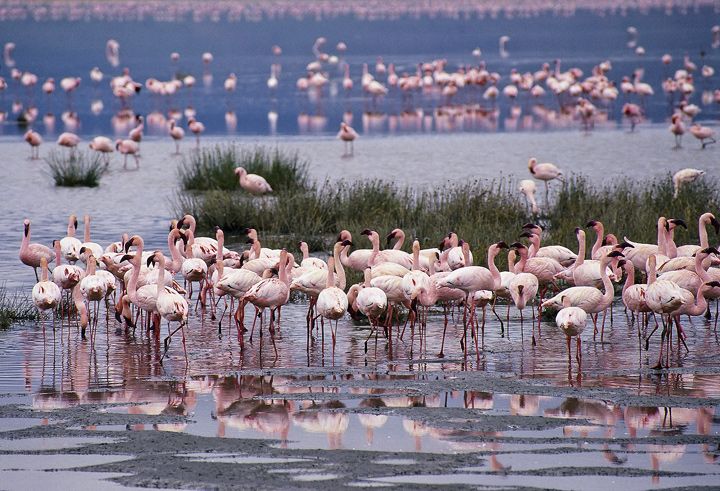
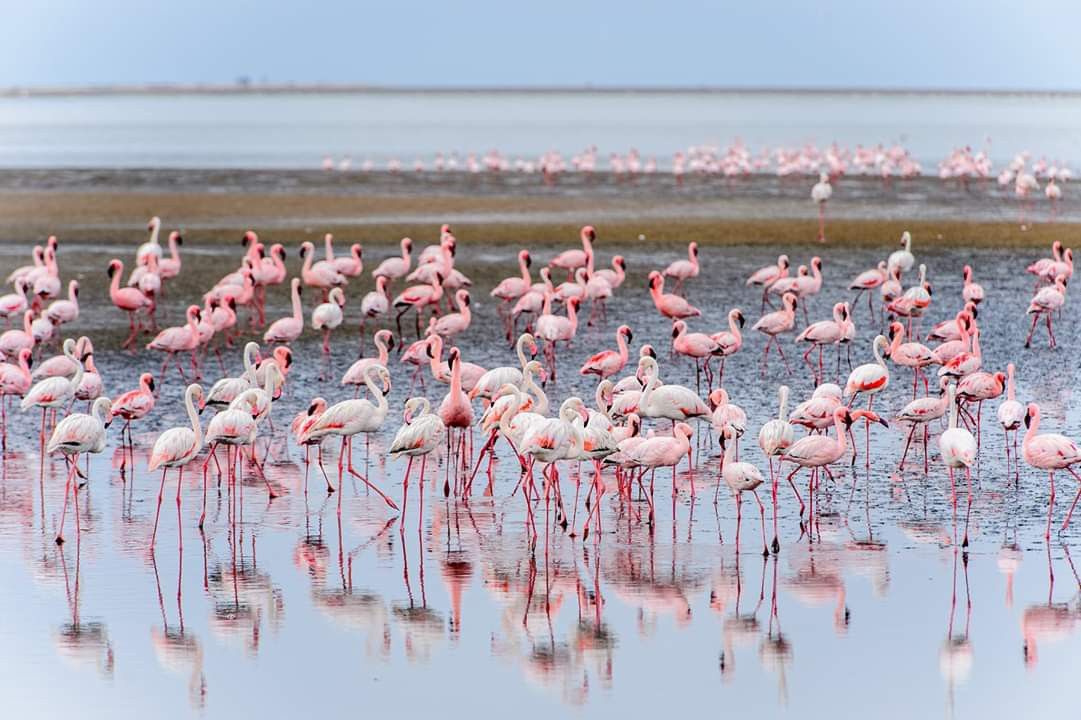
Lake Natron is the only regular breeding site for lesser flamingos in East Africa, where 75% of the global population nests. In favorable years, over 1.5–2.5 million flamingos gather here to raise chicks
Algae and Brine: The Pink Fuel
The flamingos feed on cyanobacteria—spirulina rich in red pigments—that thrive in the lake’s alkaline waters, turning their feathers pink over time. Few predators dare enter the caustic water, making it a sanctuary for flamingo nesting on seasonal mudflats.
2. Visiting Lake Natron: Can You See Flamingos?
The answer is a resounding yes, particularly during breeding seasons when flamingo numbers are highest. Your visit with Great Migration Adventure would include guided experiences to appreciate the spectacle responsibly.
When to Visit
-
Peak sightings: June to November, aligned with breeding on mudflats and calm shrimp-filled lagoons.
-
Opportunistic nests: Occasional nesting anytime rains create suitable mud.
Visitor Experience
-
Viewing from safe shores: Flamingos nest on isolated—and sometimes evaporating—islands, observed from a respectful distance.
-
Guided walks: Flat, salt-crusted terrain allows close-up bird watching under expert Maasai guides.
-
Cultural context: Maasai visits and interpretations of the landscape add depth to the encounter.
3. Why You Should See Flamingos at Lake Natron
A Unique Ecosystem
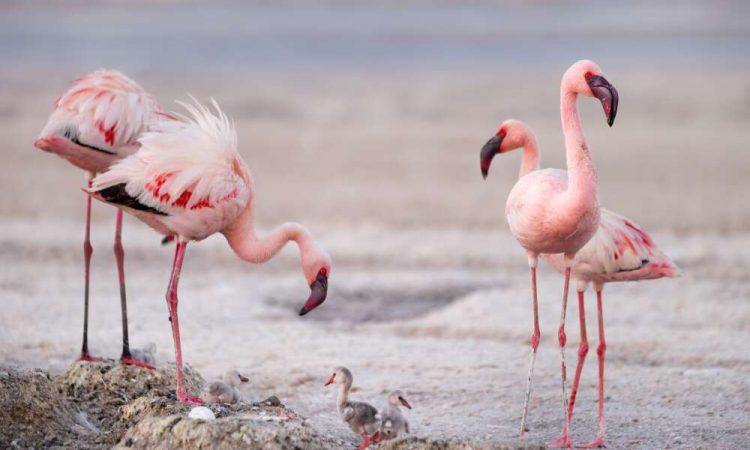
Lake Natron’s toxic environment is one of the planet’s starkest contradictions: deadly to most life but essential to a species already listed as “Near Threatened” by IUCN.
Dramatic Photographic Scenes
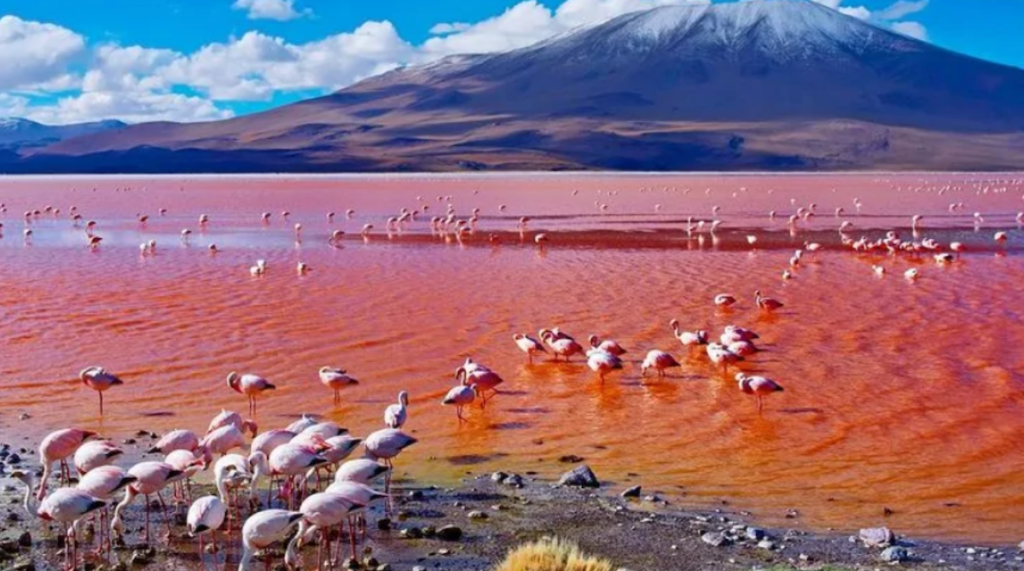
Massed flamingo pools against red or turquoise backdrops, framed by Tanzania’s active volcano Ol Doinyo Lengai, offer stunning images unmatched anywhere else.
Conservation Relevance
As nesters face threats from climate change and industrial proposals such as soda ash mining, visiting Lake Natron becomes both a privilege and a gesture of ecological support.
4. What to Expect: Typical Great Migration Adventure Itinerary
Day 1: Arrive & Acclimate
-
Private transfer from Arusha/Ngorongoro region
-
Sunset walk along the saline flats, spotting flamingo silhouettes
-
Evening debriefing about the lake’s ecosystem
Day-2: Flamingo Viewing & Cultural Trail
-
Sunrise visit for close-up flocks and nesting behaviour
-
Guided nature walk in Engaresero region, with Maasai cultural visit and lake-edge archaeology
-
Sunset drinks overlooking flamingo waters
Day 3: Volcano, Footprints & Farewell
-
Optional hike up Ol Doinyo Lengai for breakfast views
-
Stop at 12,000‑year‑old hominid footprint site
-
Late-morning return to base or onward safari
Includes lodgings in eco camps, expert guides, park and Ramsar entry charges, and sunset meals.
5. Science, Adaptation & Survival
Flamingo Adaptations
-
Thick leg skin protects against caustic salt.
-
Salt-excreting glands remove excess salts ingested from water.
Ecosystem Balance
Without predators due to toxic water, flamingos succeed in large breeding colonies; yet the lake also supports Alcolapia endemic fish and brine shrimp in cooler inflow fringes.
Conservation Threats
-
Changing water salinity due to climate shift threatens cyanobacteria blooms
-
Past soda ash mining proposals were halted, though risk remains.
6. Practical Advice for Visitors
-
Stay at eco-lodges or camps near the shoreline to allow closer viewing
-
Best light: early morning or late afternoon for vast flamingo scenes
-
Photography gear: zoom lens, polariser filters, wide-angle for flocks
-
Pack for heat: hat, sunscreen, lightweight breathable clothing
-
Respect the integrity: stay off mudflats, no feeding or disturbing the birds
7. Community & Conservation Impact
By visiting with Great Migration Adventure, you support:
-
Local Maasai communities, including guides and women-run eco-bomas
-
Water user associations and sustainable water management programs
-
BirdLife, WCST, and other conservation initiatives opposing soda ash projects and protecting habitats.
We ensure tourism fosters stewardship, not exploitation.
8. Frequently Asked Questions (FAQ)
Can I swim in Lake Natron?
No—the water can cause serious burns due to high pH and heat. Swimming is strongly discouraged.
Do flamingos always nest there?
Not every year—their breeding is tied to rainfall and lake level. But even without nesting, dramatic congregations often form to feed.
Are other flamingo species present?
Occasional greater flamingos visit, but the lake is dominated by the lesser flamingo breeding colony.
Is it accessible for families and photographers?
Absolutely—flat terrain and camps near the lake make it accessible, and photography opportunities are excellent both for individuals and families.
9. Why Great Migration Adventure’s Lake Natron Safari Stands Out
-
Deep ecological insight: guides explain flamingo biology, lake chemistry, and bird migrations
-
Ethical travel: respectful distance, no habitat intrusion, support local livelihoods
-
Seamless logistics: remote location access, professional guides, eco-camp accommodations
-
Cultural enrichment: Maasai village visits, hominid footprints, Ol Doinyo Lengai ascent
We transform what could be a photo stop into a reverent, immersive tale of adaptation and survival.
10. Closing Reflections: Beyond Pink Waters
Lake Natron is not just a birding destination—it’s a testament to nature’s resilience and fragility. Flocks of flamingos in a landscape that defies life remind us of adaptation’s power and biodiversity’s tensions in a changing world.
When you stand on the shores, the pink wilderness blurs sunset into life—not only witnessing flamingos, but participating in a fragile ecological rhythm.