Can I See Dik‑diks in Selous?
Tiny Antelopes on the Big African Stage with Great Migration Adventure
Selous Game Reserve, now Nyerere National Park, is one of Africa’s largest protected wildlife areas. Known for its vast wilderness, river-fed channels, miombo woodlands, and spectacular wildlife diversity from elephants to wild dogs, you might wonder if the smallest antelope on the savannah, the dik‑dik, calls this immense land home. The answer is yes—dik‑diks are present in Selous, and with the right guidance and patience, you can likely see them in their natural habitat.
At Great Migration Adventure, we believe these petite antelopes offer charming details to any safari. Spotted at edges of open bush or grassland, dik‑diks bring nuance to your journey and showcase Africa’s intricate biodiversity. Let us guide you through where, when, and how to find them in Selous.
1. What Are Dik‑diks?
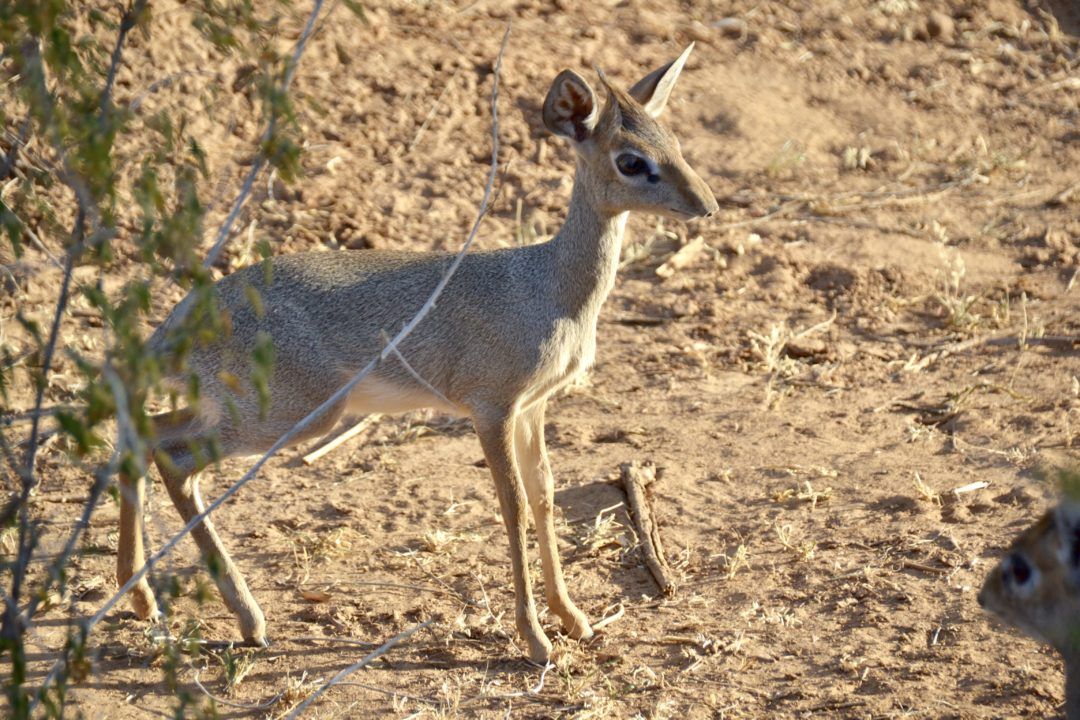
Dik‑diks are the smallest antelope in East Africa, standing about 30–40 cm at the shoulder and weighing around 3–6 kg. They take their name from their distinctive alarm call: a high-pitched “dik‑dik.” Key traits include large tear‑shaped eyes, long necks, and heart-shaped noses used to cool inhaled air.
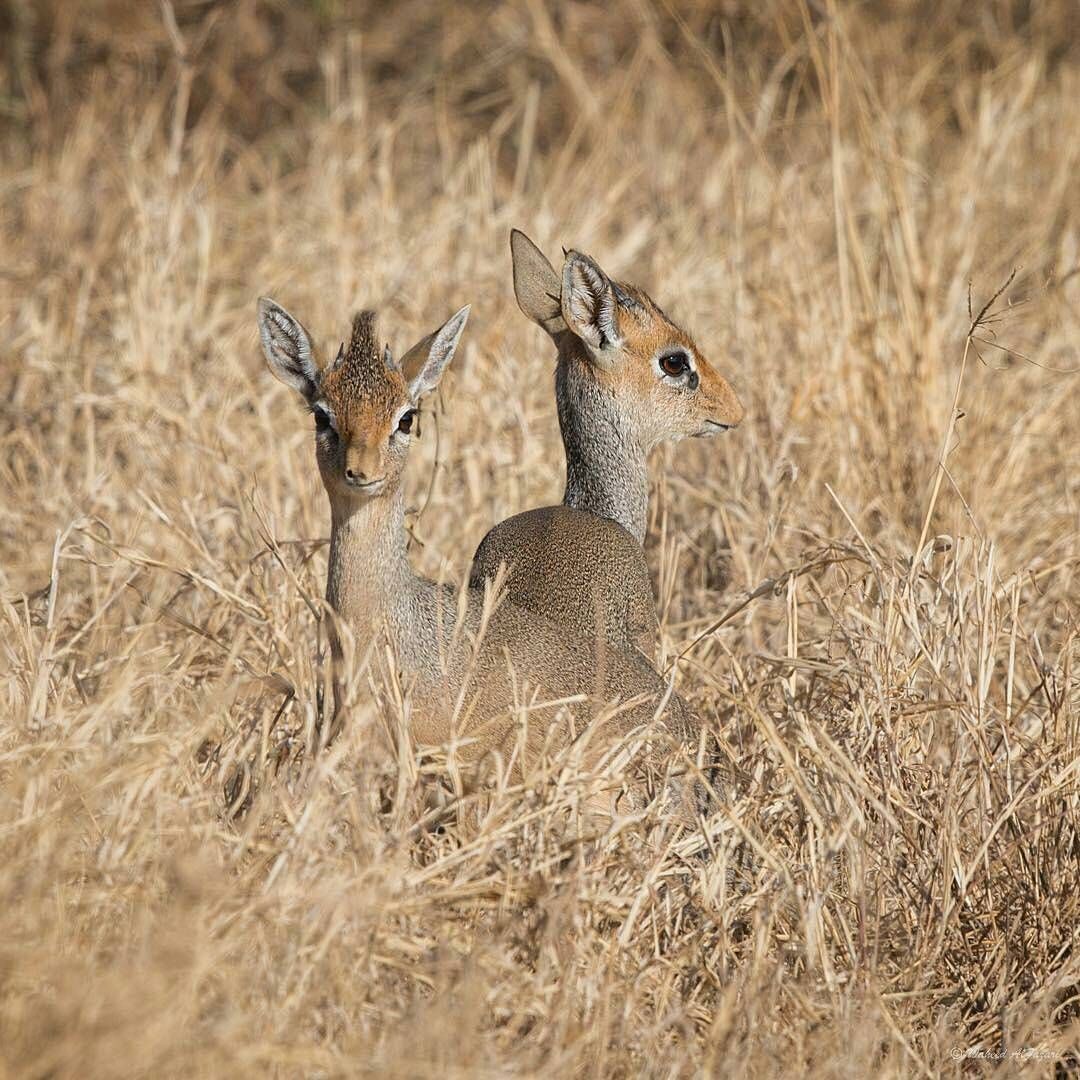
There are four species—Grant’s dik‑dik, Kirk’s dik‑dik, salt’s dik‑dik, and silver dik‑dik. In Selous, the common species is typically Kirk’s dik‑dik. They are monogamous and territorial, often marking boundaries with dung middens. Dik‑diks are diurnal and primarily browse on tender leaves, fruits, and shoots just above ground level.
2. Habitat & Likely Locations in Selous
Edge Zones and Ecotones
Dik‑diks thrive where bush, grassland, thickets, and miombo woodland meet. In Selous, look for them in transitional zones where dense cover gives way to open understory or grassy glades.
Riverine Woodland Edges
Along the Rufiji River and its tributaries, fringing woodland and gallery forest edges often conceal dik‑diks near shade and nearby water.
Miombo Woodlands with Open Understorey
Open canopy woodlands dominated by Brachystegia and Julbernardia trees, with grassy floors and shrubby growth, provide ideal cover and foraging grounds.
Areas with Low Predation Disturbance
Because dik‑diks avoid areas of heavy predator presence, quieter sectors away from large lion prides or hyena territories increase spotting chances.
3. Why Dik‑diks Matter
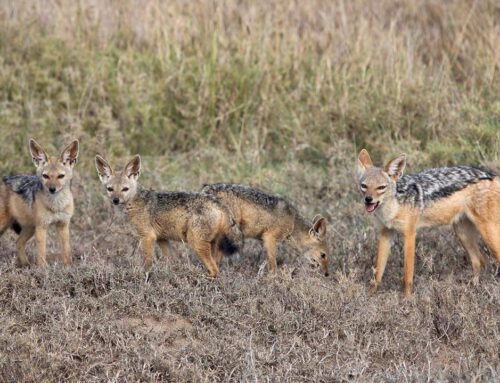
Dik‑diks may be small, but they are ecologically important. As browsers they play a role in vegetation shaping. They are prey for jackals, birds of prey, and occasionally leopards. Their territories help define botanical micro-fragments, and their alarm calls may signal presence of predators to other wildlife or bird life nearby.
Observing dik‑diks enriches safari awareness—reminding guests that not all memorable wildlife moments come in the form of giants.
4. When & How to Spot Dik‑diks
Time of Day
Early mornings and late afternoons are best. These are feeding and moving periods when dik‑diks emerge near bush edges to forage or drink.
Typical Behavior
You might see a lone pair moving gingerly between thickets or sunning themselves on soft grass under shade. When alarmed, they freeze with ears erect before bounding into thicker bushes for cover.
Observation Strategy
Scanning slowly along cover boundaries and bush margins increases chance. Dik‑diks freeze in silhouette against open grass or contrast with thorny shrubs. Binoculars help—look for movement or dark eyes.
Guided Game Drives
Selous drives along river-edge lanes and woodland trails create transitions ideal for spotting. Ask guides to watch ecotonal zones and pause at shaded thicket edges.
Walking Safaris
In controlled walking zones near Ndonde River or Selous Safari Camp, small groups accompanied by experienced guides can quietly scan undergrowth where dik‑diks might emerge.
5. What You’ll Experience When You Spot One
Dik‑diks move in pairs and communicate affectionately—nuzzling before grazing. Their large eyes, soft brown fur, shy gaze and trembling alarm movements offer intimate wildlife encounters. A sighting may involve a slow approach as you observe muzzle leaf-nibbling or a brief bounding retreat behind cover, accompanied by their signature “dik‑dik” alarm bark.
6. Sample 5-Day “Small Wonders of Selous” Itinerary
Day 1 – Arrival & Windy Rivers Game Drive
Arrive in the Selous region, transfer to lodge. Afternoon drive along Rufiji tributaries scanning woodland margins for dik‑diks and other small antelope.
Day 2 – Morning Drive & Afternoon Birding
Early drive in miombo-woodland transitions. Afternoon bird walk or scuba-reef walk near floodplain edges—another chance along bush cover.
Day 3 – Walking Safari Zone
Brief walking safari in designated zone with naturalist guide, focusing on tracks, plants, and small mammals including dik‑diks. Afternoon tea under riverside trees.
Day 4 – Boat Cruise & Dusk Drive
Early boat safari followed by slow dusk game drive near reed and scrub boundaries. Watch for animals moving into twilight feeding zones.
Day 5 – Final Dawn Exploration & Departure
Short morning drive to track freshwater sources and browse patches. Watch for dik‑dik pairs before departure.
Extensions include connecting to Ruaha or Mikumi for more guided walk or can’t-miss biodiverse transfers.
7. Essential Gear & Photography Tips
Carry a spotting scope or binoculars. Use silent mode on your camera and avoid sudden movements. Telephoto lenses (200mm to 400mm) are ideal to photograph from gentle distance. Shade and dappled light suit dik‑dik photography practice; golden hour warms their tawny coats beautifully. Wear neutral-colored clothing, as sudden bright colors may startle them in shaded woodlands.
8. Frequently Asked Questions
Are dik‑diks easily seen?
They are shy and small but not uncommon in suitable habitats with patient observation.
Do they confuse with other antelope?
Their size, body shape, face, and behavior distinguish them—only otherwise similar species are tiny steenbok or suni, which prefer hill-scrub over floodplain.
Are they vulnerable to predation?
Yes—they rely on camouflage and speed. Thus, you’ll most often catch glimpses in thick undergrowth or edge zones before dusk.
Can children spot them?
Yes, with binoculars assisted by guides pointing along bush edges. Moments are short but memorable and often spark curiosity and wildlife connection.
9. Why Include Dik‑diks in Your Safari Story
The presence of a dik‑dik reminds you that rich stories lie in quiet corners. Sightings tell of their tenacity in surviving predator-rich reserves, their territory-building, and sibling bonds. Including these tiny antelope brings safari nuance and narrative richness.
10. Why Trust Great Migration Adventure
Ensure that sightings of small wildlife like dik‑diks are more than random chance:
We use guides trained in small-mammal behavior and field signs
Set early and late drives with selective habitats in mind
We provide optional walking safari segments in dik‑dik zone corridors
Emphasize low-impact viewing—no off-road chasing or sudden stops
We include opportunities to learn about small wildlife ecology, plant-vein relationships, and broader ecosystem balance
We believe little wildlife enriches big landscapes.
11. Conservation & Ethical Safari Practices
Dik‑diks are not threatened as species but depend on habitat corridors and low disturbance zones. Great Migration Adventure supports practices that minimize vehicle pressure, prevent habitat fragmentation, and encourage ranger patrols that preserve small species environment. We engage communities near Selous through educational programs and support park fees directly contributing to wildlife management.
12. Final Thoughts: Small Wonders Add Big Depth
Yes—you can see dik‑diks in Selous Game Reserve. While they may seem diminutive compared to elephants or giraffes, they offer moments of wonder that ground the safari narrative: minutes of stillness, unexpected movement, and close-by complexity in a vast wilderness.