
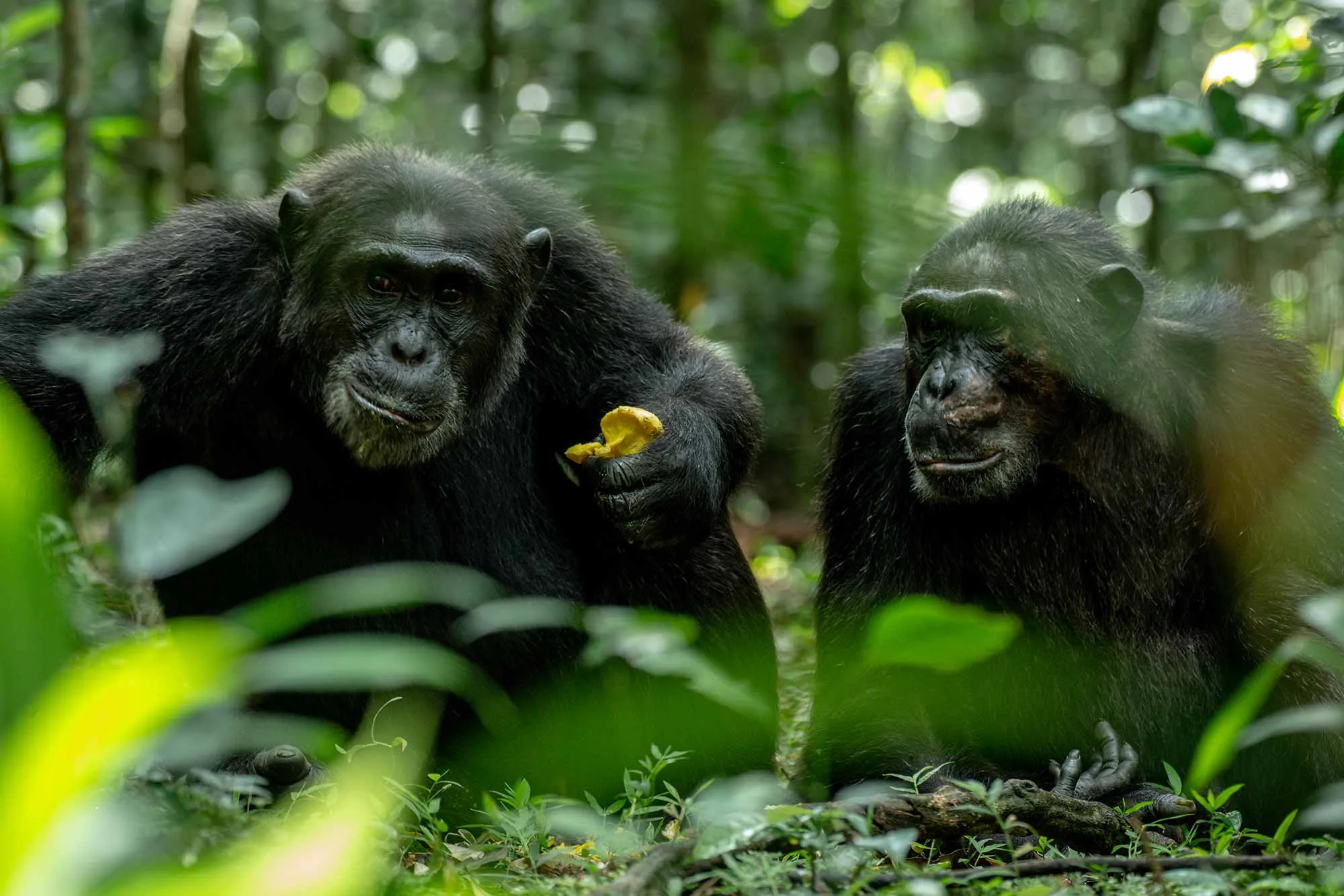
Can I See Chimpanzees in Uganda
Uganda is one of the top destinations in Africa for wildlife enthusiasts, and observing chimpanzees in their natural habitat is among the most unforgettable experiences a visitor can have. These highly intelligent primates, our closest relatives, inhabit some of Uganda’s lushest tropical forests, offering tourists a rare opportunity to witness complex social behaviors, playfulness, and fascinating communication patterns.
Chimpanzee tourism in Uganda is carefully managed to balance adventure with conservation. Trekking and sanctuary visits are organized to minimize human impact on wild populations, while the revenue generated contributes directly to protecting chimpanzees, preserving forests, and supporting local communities. For visitors, this means an experience that is not only exciting and educational but also ethically responsible, ensuring that chimpanzees continue to thrive in the wild.
Where to See Chimpanzees in Uganda
Kibale National Park
Kibale National Park, in western Uganda, is the most renowned site for chimpanzee tracking. Known as the “Primate Capital of the World,” Kibale hosts over 1,400 chimpanzees along with 13 other primate species, including red colobus monkeys, grey-cheeked mangabeys, and olive baboons.
Trekking in Kibale begins early in the morning and is guided by experienced trackers who know the forest and its primate inhabitants. Visitors hike through dense forest trails in search of chimpanzee communities, observing them as they feed, groom, and interact socially. Each trekking experience typically lasts between two to five hours, depending on where the chimpanzees are located. Along the way, tourists often spot a variety of birds, butterflies, and forest plants, making the trek a comprehensive wildlife adventure.
Kibale also offers opportunities for cultural experiences. Nearby villages provide insight into local life, and visits to community projects allow tourists to understand how conservation and local livelihoods are intertwined. This makes a chimpanzee trek in Kibale both an educational and memorable adventure.
Budongo Forest Reserve
Budongo Forest Reserve, located near Murchison Falls National Park in northwestern Uganda, is a lesser-known but equally remarkable site for chimpanzee viewing. This forest is home to a large population of wild chimpanzees and offers a more secluded and intimate trekking experience.
Budongo’s terrain is diverse, featuring tall mahogany trees, dense undergrowth, and forest clearings. Tracking chimpanzees here requires moderate fitness due to uneven trails and occasional steep climbs. However, visitors are rewarded with close encounters and excellent photography opportunities. Budongo is also home to other wildlife species, such as monkeys, duikers, hornbills, and countless bird species, making each trek a multi-dimensional nature experience.
Ngamba Island Chimpanzee Sanctuary
For visitors who want to observe chimpanzees without trekking in the wild, Ngamba Island on Lake Victoria near Entebbe provides a unique alternative. This sanctuary is dedicated to orphaned and rescued chimpanzees, giving tourists a chance to see them up close while learning about rehabilitation and conservation efforts.
Guided tours at Ngamba Island include feeding sessions and educational presentations that explain the threats chimpanzees face in the wild, such as habitat loss and poaching. The sanctuary is especially suitable for families, travelers with limited time, and those seeking an accessible wildlife experience without the physical demands of forest trekking.
Best Seasons for Chimpanzee Tracking
Uganda’s climate is tropical, with distinct wet and dry seasons that affect trekking conditions. The dry months, from June to September and December to February, are considered the best periods for chimpanzee tracking. Trails are easier to navigate, vegetation is less dense, and chimpanzees are often more active and visible.
The wet season, from March to May and October to November, brings heavier rainfall and muddy trails. While trekking is still possible during this time, tourists should be prepared with waterproof clothing and suitable footwear. The wet season also has advantages, such as fewer crowds, lush scenery, and vibrant forest life, making it ideal for photographers and nature lovers who enjoy tranquil experiences.
The Trekking Experience
Chimpanzee trekking is guided by trained rangers and trackers who ensure both visitor safety and minimal disturbance to the animals. Treks begin early in the morning, and small groups are taken into the forest to locate chimpanzee communities.
During the trek, visitors may encounter other wildlife, including monkeys, birds, and butterflies. Once the chimpanzees are found, tourists are allowed up to one hour to observe them from a safe distance, providing excellent opportunities for photography, note-taking, and learning about primate behavior. Guides provide insights into chimpanzee social structures, communication patterns, and feeding habits, making each encounter both educational and memorable.
Trekking requires basic physical fitness, sturdy shoes, insect repellent, and sometimes rain protection. Visitors are advised to wear neutral colors and avoid strong perfumes or scents to prevent disturbing the chimpanzees. Respect for the animals’ space and adherence to guide instructions are essential components of ethical wildlife tourism.
Accommodation Near Chimpanzee Sites
Tourists have a variety of accommodation options near chimpanzee trekking areas. In Kibale National Park, lodges such as Primate Lodge, Kibale Forest Camp, and Ndali Lodge offer comfortable stays with easy access to trekking trails. These lodges provide full-board services, guided forest walks, and opportunities for cultural immersion with nearby communities.
Budongo Forest is served by lodges like Chobe Safari Lodge and Paraa Safari Lodge, which allow visitors to combine chimpanzee trekking with safari experiences in Murchison Falls National Park. These lodges provide amenities such as swimming pools, restaurants, and panoramic views of the surrounding landscapes.
For visitors to Ngamba Island, staying in Entebbe at accommodations like Lake Victoria Serena Resort and Protea Hotel by Marriott provides convenience, comfort, and easy access to boat transfers to the island. These hotels are suitable for short stays or travelers who wish to combine wildlife visits with city-based activities.
Conservation and Ethical Tourism
Chimpanzee tourism in Uganda is closely tied to conservation. Trekking permits and sanctuary fees directly support anti-poaching patrols, habitat preservation, research, and community education programs. By participating in responsible tourism, visitors contribute to protecting chimpanzees and the forests they inhabit.
Ethical guidelines include maintaining a safe distance from chimpanzees, not feeding them, avoiding loud noises, and following guide instructions. Visitors are also encouraged to support local communities through crafts, cultural experiences, and eco-friendly initiatives, creating positive social and environmental impact.
Combining Chimpanzee Tracking with Other Attractions
Chimpanzee trekking can be combined with other wildlife and cultural experiences in Uganda. Visitors often pair trekking with gorilla trekking in Volcanoes National Park, safari drives in Queen Elizabeth or Akagera National Parks, or relaxation at scenic lakes such as Lake Bunyonyi and Lake Mburo.
Cultural experiences, including visits to local villages, traditional music and dance performances, and historical sites in Kigali, can enrich the journey. Multi-day itineraries allow tourists to balance chimpanzee observation with broader exploration of Uganda’s natural beauty and cultural richness.
Practical Tips for Tourists
Travelers planning chimpanzee trekking in Uganda should consider these tips:
- Book trekking permits in advance, as numbers are limited to protect the chimpanzees.
- Travel with experienced guides or reputable tour operators.
- Wear comfortable clothing in neutral colors, sturdy shoes, and bring rain protection if needed.
- Carry essentials such as water, snacks, insect repellent, and a camera.
- Respect wildlife and follow all instructions from guides.
- Combine trekking with nearby accommodations, safaris, and cultural activities for a complete experience.
Conclusion
Can I see chimpanzees in Uganda? Absolutely. Whether trekking through Kibale National Park, exploring Budongo Forest Reserve, or visiting Ngamba Island Sanctuary, tourists have multiple ways to witness these intelligent and social primates up close. Chimpanzee tourism in Uganda offers thrilling adventure, educational value, and direct support for conservation efforts, ensuring that these extraordinary animals continue to thrive.
Visitors leave with unforgettable memories, not only of the chimpanzees themselves but also of Uganda’s vibrant forests, welcoming communities, and rich cultural heritage. Observing chimpanzees in Uganda is more than a wildlife encounter—it is a transformative experience that combines adventure, education, and ethical engagement with one of Africa’s most fascinating species.