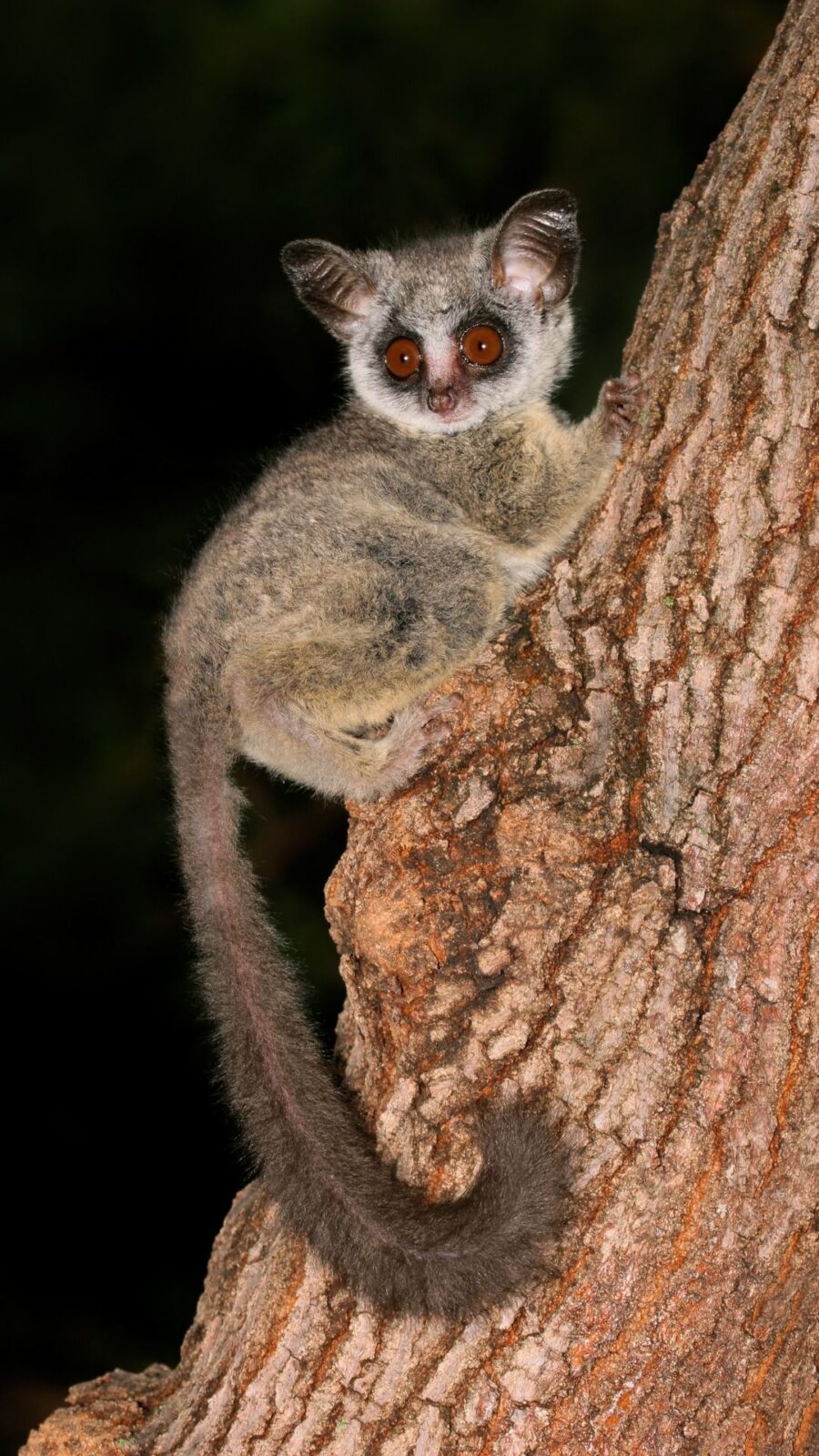
Can I See Bushbabies in Uganda’s Parks?
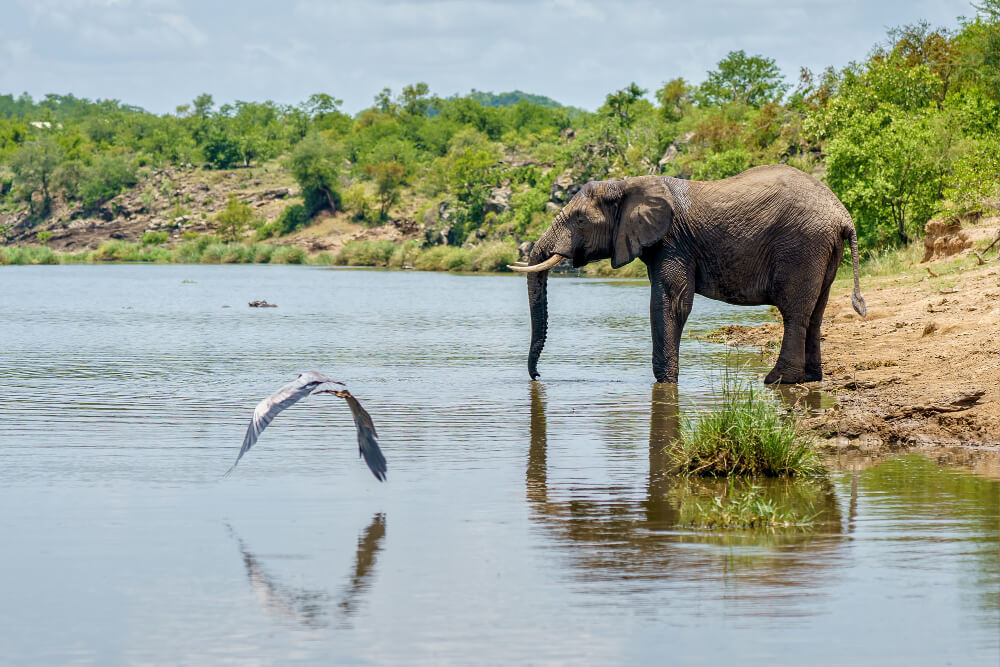
When we talk about African safaris, many minds instantly wander to elephants in the open savannah, lions roaring under the golden sunrise, and hippos grunting along riverbanks. But Africa hides another layer of wilderness — one that comes alive when the sun goes down. Among these nocturnal treasures is one of Africa’s smallest, most elusive, and most delightful creatures: the bushbaby.
Also known as galagos, bushbabies are wide-eyed, soft-furred primates that leap silently through the treetops. They are often heard before they are seen, with eerie cries that echo through Uganda’s forests at night.
At Great Migration Adventure, we’re frequently asked: “Can I see bushbabies in Uganda’s national parks?” The answer is a resounding yes — and in this blog, we’ll take you deep into Uganda’s hidden nighttime world, where bushbabies thrive.
We’ll explore the best parks to spot them, how to increase your chances, what makes them so fascinating, and why including a night walk on your Uganda itinerary might just be your best safari decision yet.
1. Introducing the Bushbaby: Africa’s Tiny Night Wanderer
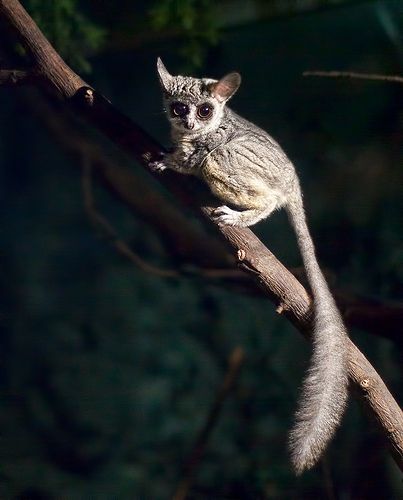
Bushbabies belong to the Galagidae family, and they’re small — often the size of a squirrel. But don’t let their size fool you. These creatures are incredible acrobats, able to leap over 2 meters between branches using nothing but muscle and instinct.
Their huge eyes help them see in near-total darkness, while their keen ears swivel to catch the faintest rustle. Their cry — something between a baby’s wail and a bird’s squawk — is designed to communicate across the dense forest at night. Once you’ve heard it, you’ll never forget it.
There are a few different species in Uganda, but the most commonly seen is the lesser bushbaby (Galago senegalensis). Though elusive, they are not rare — which means that with the right timing and guidance, you’re very likely to encounter one.
2. Best Parks to See Bushbabies in Uganda
Uganda is home to a range of ecosystems — from dry woodland and savannah to thick tropical forest. Bushbabies thrive in many of these habitats, and the following are the best national parks and reserves where sightings are possible:
a. Queen Elizabeth National Park
Queen Elizabeth is Uganda’s most diverse park, known for its tree-climbing lions, boat cruises along the Kazinga Channel, and chimpanzees in the Kyambura Gorge. But at night, the landscape transforms.
Night game drives in Queen Elizabeth are permitted in certain areas, such as the Mweya Peninsula. Here, under the guidance of our expert Great Migration Adventure night guides, you have a solid chance of spotting bushbabies darting across tracks or freezing momentarily in your spotlight’s glow.
The Acacia and Euphorbia woodlands provide an ideal home for these nocturnal creatures. Their glowing eyes often give them away long before you see their full shape.
b. Murchison Falls National Park
Uganda’s largest park is more than just roaring waterfalls and Nile cruises. Murchison Falls offers excellent nocturnal game viewing, particularly in its savannah and riverine forest edges.
Bushbabies in Murchison are active near lodges — often attracted by insects around lights. During evening walks around lodge compounds (especially those nestled near the forest), it’s not uncommon to spot them leaping between trees, feeding on gum and fruits.
Let our team at Great Migration Adventure arrange a guided evening nature walk or a bush dinner experience under the stars, where the soundtrack includes not only hippo grunts but bushbaby cries.
c. Kibale Forest National Park
Renowned for its chimpanzees, Kibale also boasts an impressive 13 primate species — making it one of the best places in Africa for primate viewing.
Bushbabies here inhabit the forest edge zones and are often encountered during night forest walks organized by Uganda Wildlife Authority. These excursions are limited to small groups and led by skilled rangers.
The lesser bushbaby and the eastern needle-clawed bushbaby are both found here. The guides know their sleeping sites and preferred feeding zones, dramatically increasing your chances of a sighting.
d. Lake Mburo National Park
Lake Mburo is the only park in Uganda where night game drives are permitted in most parts of the park. It’s also home to a resident population of bushbabies that thrive in the open woodlands and acacia thickets.
This park offers a lower elevation and warmer climate, perfect for spotting these creatures. Our Great Migration Adventure guides often include bushbaby-spotting as part of our “Twilight Safari Drive” — an evening experience designed to introduce you to Uganda’s mysterious night dwellers.
e. Budongo Forest Reserve
Located just south of Murchison Falls, Budongo is one of the largest and most beautiful mahogany forests in East Africa. It’s well-known for its chimpanzees, but after dusk, the forest becomes home to bushbabies, nightjars, and genets.
Our night walks in Budongo — arranged with local rangers and conservation experts — provide a great opportunity to witness bushbabies in their natural forest habitat, using red-filtered torches to minimize disturbance.
3. When Is the Best Time to See Bushbabies?
Bushbabies are nocturnal year-round, so the key is not the month, but rather timing your activity at night. That said, the dry seasons (December to February and June to September) provide the best chances:
-
Trails are drier and safer for night walks
-
Visibility improves with fewer leaves and less rain
-
Insects (a primary food source) are abundant
While the rainy season can also yield sightings, it requires a more intrepid spirit — and, ideally, waterproof boots.
Great Migration Adventure customizes your itinerary to your preference. We coordinate with park authorities and private lodges to ensure your night walks or drives are scheduled when chances of sightings are highest.
4. Tips for Spotting Bushbabies on Safari
Spotting a bushbaby is a thrill — but they’re shy, fast, and small. Here are our expert tips to maximize your chance:
i. Go with a Guide
You might hear them on your own, but seeing one requires trained eyes. Our guides are experienced in identifying their calls and locating their reflective eyes at night.
ii. Use a Red Torch
White light can scare animals away. Many lodges or guides carry red-filtered torches, which reduce stress and help you see the animal’s behavior more naturally.
iii. Listen Carefully
Bushbabies communicate with chirps, growls, and screams. Often, it’s the sound that gives away their presence.
iv. Stay Silent and Still
These creatures are sensitive to sound. Once located, stay still and quiet. With patience, you may witness them leap across an entire clearing or groom themselves on a low branch.
v. Avoid Flash Photography
Flashes can blind and frighten nocturnal animals. Most bushbaby sightings are enjoyed with the naked eye or through binoculars adapted for low light.
5. Why Bushbabies Matter in Uganda’s Ecosystem
Despite their size, bushbabies play a critical role in the forest. They are pollinators, seed dispersers, and part of the intricate web of nocturnal life.
By including bushbaby tracking on your safari, you’re also helping local guides and conservation units demonstrate the value of lesser-known species, encouraging broader wildlife protection efforts.
6. Lodges That Offer Bushbaby Viewing Opportunities
Some lodges in Uganda are positioned right within bushbaby habitat. Our favorite picks for bushbaby enthusiasts include:
-
Mweya Safari Lodge (Queen Elizabeth NP): Night drives often yield sightings around the Mweya Peninsula.
-
Kibale Forest Camp (Kibale): Offers guided night forest walks into the edge zones.
-
Mihingo Lodge (Lake Mburo): Perched on rocky outcrops, this eco-lodge often spots bushbabies from the main deck.
-
Baker’s Lodge (Murchison): Surrounded by forest where bushbabies are frequently heard at night.
Let Great Migration Adventure handle your accommodation selection — we’ll match your interests with the right lodge, with the best chances to see Uganda’s nocturnal marvels.
7. Include Bushbaby Watching in Your Safari
A Uganda safari doesn’t have to be only about gorillas or lions. In fact, what sets Great Migration Adventure apart is our passion for introducing guests to all sides of the wild — even the smallest.
Here’s how we recommend incorporating bushbaby viewing into your safari:
Sample 7-Day Itinerary with Bushbaby Encounters
-
Day 1–2: Entebbe & Lake Mburo National Park
-
Twilight game drive in Lake Mburo
-
Possible bushbaby sightings in the acacia woodland
-
-
Day 3–4: Queen Elizabeth National Park
-
Night game drive in Mweya
-
Optional boat cruise, lion tracking
-
-
Day 5–6: Kibale Forest National Park
-
Chimp tracking by day, bushbaby forest walk at night
-
-
Day 7: Return to Entebbe or continue to Bwindi
This itinerary offers three distinct habitats and multiple chances to see bushbabies with the guidance of our expert team.
8. Beyond Bushbabies: Other Nocturnal Wildlife to Watch For
While bushbabies are a highlight, Uganda’s night holds many more surprises:
-
Genets — cat-like animals with long tails
-
Civets — shy, mongoose-like creatures with masked faces
-
Porcupines — lumbering through undergrowth with a rustle
-
Nightjars — birds that flit silently across tracks
-
Leopards — if you’re lucky, these elusive predators stalk silently under the moonlight
A night safari with Great Migration Adventure is about embracing the mystery. You never know what you’ll find — and that’s the beauty.
9. Conservation Note: The Ethics of Nocturnal Viewing
At Great Migration Adventure, we prioritize ethical wildlife experiences. That means:
-
Working only with trained guides
-
Avoiding spotlight overuse
-
Limiting group size and duration
-
Never using bait or calls to lure animals
Your sightings should be natural, respectful, and sustainable.
Yes — you can see bushbabies in Uganda’s parks, and with the right guide, location, and timing, it might just become one of the most magical moments of your safari.
They’re not the Big Five. They don’t roar or stampede. But bushbabies are a hidden gem of the African wilderness — and they’re waiting for you just beyond the glow of the firelight.
Let Great Migration Adventure help you discover them.