Can I Rent a Car for Self-Drive Safaris?
For the adventurous traveler yearning for the open road and the thrill of navigating through the wild terrain of East Africa, the idea of a self-drive safari is irresistible. At Great Migration Adventure, we frequently receive this question from bold explorers: Can I rent a car for self-drive safaris? The answer is a confident yes—but with thoughtful planning, the right vehicle, and a clear understanding of the regions you intend to explore. In this comprehensive guide, we break down everything you need to know about self-drive safaris: where you can go, what you need, and how to make your experience both safe and unforgettable.
Why Consider a Self-Drive Safari?
There’s a certain romance to being behind the wheel in the African wilderness. Self-drive safaris give you the flexibility to design your own itinerary, linger longer at a waterhole, or chase a glowing sunset over the savannah without watching the clock. You can explore national parks at your own pace, stop for impromptu picnics, or veer off to cultural attractions beyond the beaten path.
Unlike guided safaris, which follow preset schedules and routes, self-drive trips are ideal for travelers who crave autonomy and spontaneity. They are also often more budget-friendly, particularly for longer safaris or families and groups who can share the vehicle and fuel costs.
Where Can You Do a Self-Drive Safari?
Self-drive safaris are possible in several East African countries, with varying degrees of infrastructure, road conditions, and regulations.
Uganda
Uganda is a stunning country with an emerging self-drive market. Roads have improved significantly, especially the highways connecting major towns and national parks. Key safari destinations like Queen Elizabeth National Park, Murchison Falls National Park, Lake Mburo, and Kidepo Valley are accessible by 4×4 vehicles.
While mountain gorilla tracking in Bwindi requires a park guide, the drive to and from the area can be done independently. Fuel stations are present in most towns, and mobile connectivity is surprisingly good in many regions.
Kenya
Kenya is perhaps the most popular self-drive destination in East Africa. Its well-established tourism industry means many parks and conservancies are easily accessible. From the expansive Maasai Mara to Amboseli and Tsavo, Kenya has a road network that supports self-drive adventures. However, some areas, especially in the north and remote parts of the Rift Valley, may require extra caution.
Tanzania
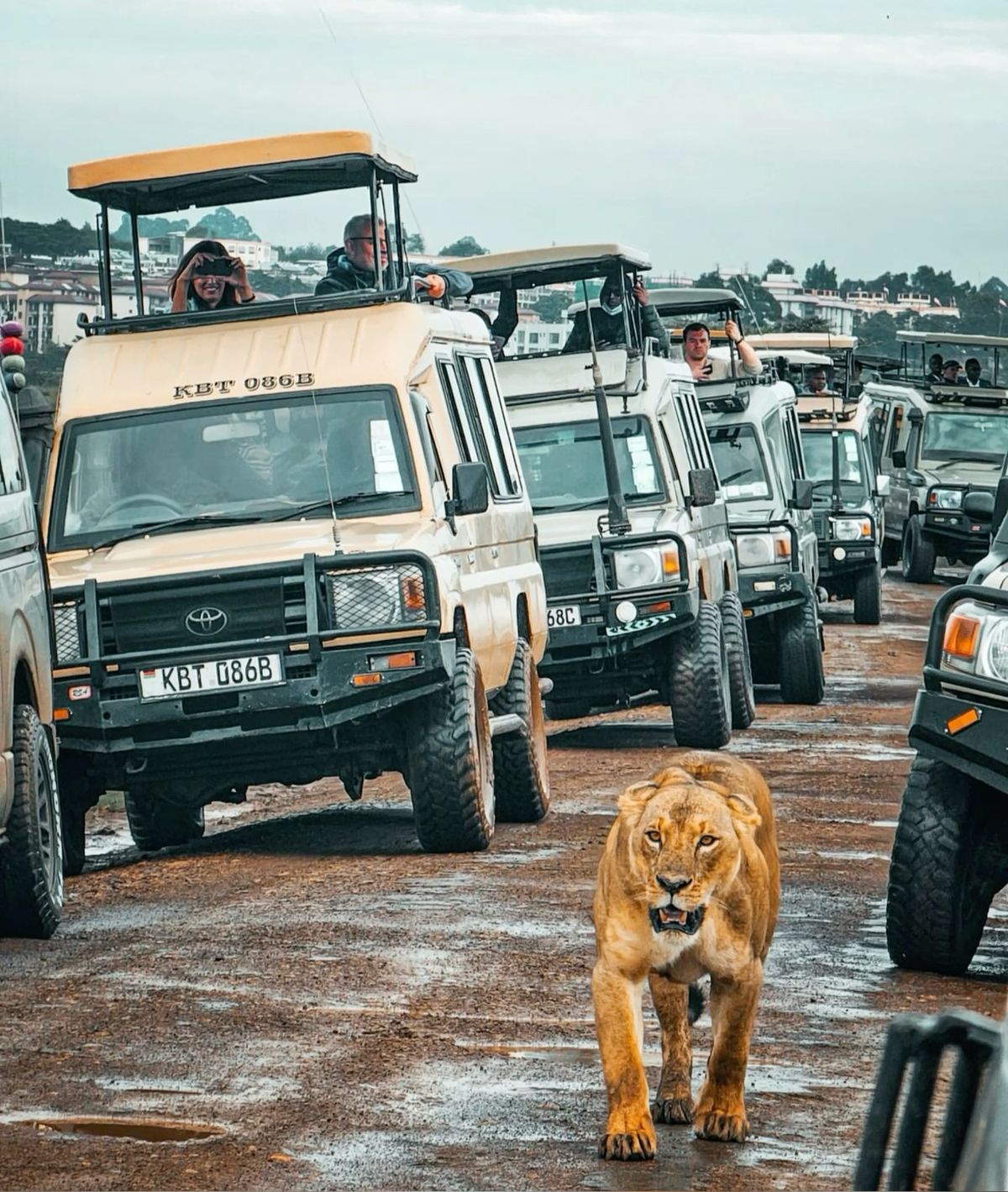
Tanzania is home to legendary safari parks, including the Serengeti and Ngorongoro Conservation Area. While self-drive is allowed, it’s slightly more complex due to the distances involved, road conditions, and the vast scale of the parks. Some areas require permits or may be difficult to navigate without local knowledge. Still, determined self-drivers who prepare well can have extraordinary experiences.
Rwanda
Rwanda is compact, clean, and well-organized. Self-drive options exist for visits to Akagera National Park and Volcanoes National Park, though the country is more often explored via guided tours due to its terrain and conservation protocols. For those experienced in driving mountain roads, it is doable.
What Kind of Vehicle Do You Need?
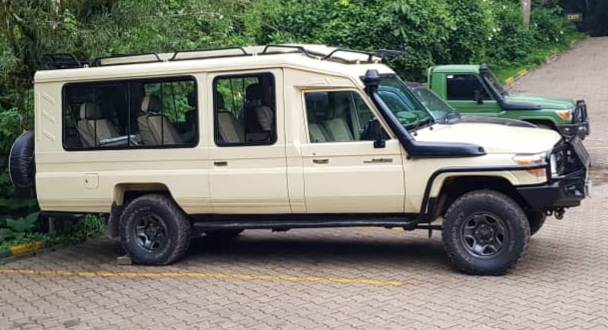
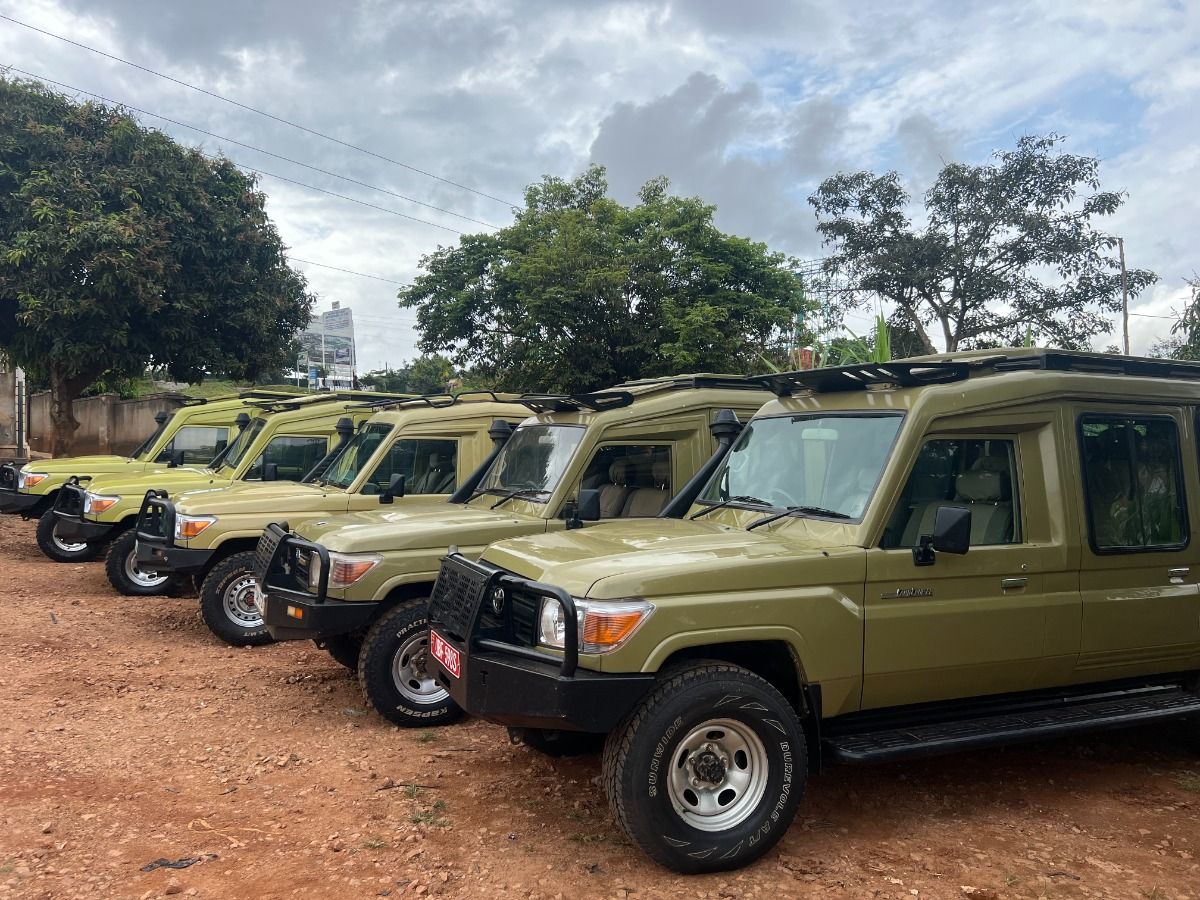
A 4×4 is essential. Whether you’re crossing rivers, navigating dirt tracks in the rainy season, or climbing the steep hills of Bwindi, a reliable four-wheel-drive vehicle is your best friend. Popular models include:
- Toyota Land Cruiser: Rugged and dependable, ideal for tough terrain and long distances.
- Toyota Prado: A more comfortable alternative for paved roads and occasional off-roading.
- Suzuki Escudo or RAV4: Suitable for lighter safari routes and national parks with good roads.
Some vehicles come with rooftop tents and camping gear, which are perfect for budget-conscious adventurers or those seeking full immersion in the wild.
What Paperwork and Requirements Do You Need?
- Valid Driver’s License: An international driver’s license is recommended.
- Vehicle Insurance: Ensure you have comprehensive insurance and understand what is covered.
- Permits and Park Fees: Entry to national parks requires payment of fees, which vary by country and park. Some parks require advance permits, especially for gorilla tracking or night game drives.
- Vehicle Documentation: The rental company should provide logbooks, insurance papers, and emergency contact information.
Navigation and Safety
- GPS and Offline Maps: Always download offline maps before your journey. Google Maps and Maps.me are popular.
- Fuel: Refill often. Do not wait until your tank is half-empty, especially in remote areas.
- Emergency Kit: Ensure the vehicle has a spare tire, jack, first-aid kit, and basic tools.
- Road Conditions: Be cautious of weather. During the rainy season, roads can become muddy and slippery.
- Driving Culture: Drive defensively. In towns, expect motorcycles and pedestrians. In parks, keep speed to a minimum to avoid accidents with wildlife.
Accommodation Options
You can mix and match lodging styles:
- Public Campsites: Budget-friendly and often located inside the parks.
- Private Camps: Offer a more comfortable camping experience with amenities.
- Lodges: Mid-range and luxury options for when you want a break from camping.
Many car rental companies, including Great Migration Adventure, can help book campsites and recommend the best overnight stops.
Pros and Cons of Self-Drive Safaris
Pros:
- Freedom to choose your pace and destinations
- Ideal for adventurous and independent travelers
- Cost-effective for families or groups
- Opportunity to explore lesser-known areas
Cons:
- Navigational challenges
- No guide to interpret animal behavior
- Mechanical breakdowns (rare but possible)
- Can be tiring for the driver, especially on long routes
Tips from Great Migration Adventure
At Great Migration Adventure, we specialize in tailoring self-drive safaris to suit your comfort level and experience. Here are some pro tips:
- Start with shorter routes if you’re new to self-driving in Africa.
- Choose parks with clear signage and good maps like Lake Mburo or Queen Elizabeth in Uganda.
- Plan rest days between long drives to avoid fatigue.
- Book accommodation in advance, especially during peak seasons.
- Inform someone of your itinerary for safety purposes.
- Consider a hybrid safari, where you self-drive most of the time but hire a local guide for key destinations.
Family and Group Self-Drive
Self-drive is great for families with older children or groups of friends. Kids love the excitement of spotting animals from the vehicle, and group trips can be full of shared laughter and memorable moments. Just ensure you carry snacks, water, and comfort items for longer drives.
How to Book a Self-Drive Safari
With Great Migration Adventure, booking your self-drive safari is simple. We help you:
- Choose the right vehicle for your route and budget
- Plan a custom itinerary with advice on road conditions, permits, and accommodation
- Receive pre-departure guidance on safety, vehicle operation, and cultural tips
- Enjoy 24/7 support throughout your journey in case of any issues
We also offer optional extras like:
- Rooftop tents and camping gear
- Child seats
- Fridge and inverter units for longer trips
- Preloaded GPS units
Yes, you absolutely can rent a car for a self-drive safari in East Africa. It is one of the most thrilling and rewarding ways to explore the region’s extraordinary landscapes, rich wildlife, and vibrant cultures. With the right vehicle, a well-thought-out plan, and the support of an experienced safari outfitter like Great Migration Adventure, your journey will be safe, smooth, and filled with moments that will stay with you forever.