Can I Fish in Kenya’s Parks?
Fishing in Kenya offers an alluring blend of freshwater angling, scenic splendor, and cultural connection. Whether you fancy casting a line into a serene crater lake at dawn or trolling for muskies in a highland reservoir, Kenya’s parks offer diverse aquatic adventures. Yet, the question remains: Can you legally and responsibly fish within Kenya’s national and conservancy-managed parks?
In this lengthy, deeply researched guide (3,500+ words), we explore:
-
Fishing Zones in Kenya – national parks, conservancies, and public waters
-
Rules & Regulations – licenses, restrictions, and responsible practice
-
Fishing Destinations – lake, river, reservoir highlights
-
Species to Fish For – native, introduced, trophy targets
-
Seasons & Best Times – timing by climate and fish behavior
-
Gear & Techniques – tackle suitable to Kenya’s environments
-
Sustainable Practices – catch-and-release, conservation context
-
Combining Safari and Fishing – hybrid itineraries
-
Expert Guidance – choosing operators and guides
-
Cultural and Community Context – local fishermen, traditions
-
Safety & Health – addressing risks
-
Conservation Conflicts – ecological and policy challenges
-
Sample Itineraries – multi-week trip ideas
-
FAQs & Troubleshooting
-
Conclusion and Practical Takeaways
1. Fishing Zones in Kenya
Kenya’s government designates various protected areas under different statuses:
-
National Parks & Reserves: Beautiful but often regulated strictly; many disallow fishing to protect fisheries or wildlife.
-
Sustainably Managed Conservancies & WMAs: Some permit fishing with local permits.
-
Public Lakes, Rivers, & Dams: Most welcome anglers, though regulations vary by locale.
-
Community Fisheries: Managed cooperatively, often permit sport and subsistence fishing.
Fishing in National Parks
Major parks like Tsavo East & West, Amboseli, Nairobi, Meru, and Mount Kenya National Park do not allow sport fishing, as these parks prioritize wildlife habitat and water source protection.
In contrast, some smaller reserves—for example, Elmenteita or Naivasha—are outside the national park system and permit fishing under national license, though angling is subject to park rules.
Kenya Wildlife Service (KWS) explicitly forbids fishing in heavily protected national parks. However, adjacent private and communal conservancies may allow fishing if locally permitted and managed by local fisheries authorities.
2. Rules & Regulations
Licensing
Under Kenya’s Fisheries (Conservation and Management) Act, anyone over 16 must hold a valid sport fishing license, obtainable from the Kenya Fisheries Service (KFS) or office. Certain lakes, like Victoria or Turkana, may also impose regional permits or conservancy fees.
Gear Restrictions
-
Hooks: Single-barbed or barbless only.
-
Lines: No nets or traps—these are illegal.
-
Species: Some sites permit catch-and-release only or restrict keeping of trophy fish.
Seasonal & Species Closures
Spawning seasons for Nile perch and tilapia (Nov–Feb and Jun–Aug) are often closed. Check local notices for seasonal rules.
Catch-and-Release
Increasingly encouraged in sport fishing circles, especially for trophy species like Nile perch, tigerfish, and barrier reef catfish.
3. Fishing Destinations
Kenya’s geography offers abundant freshwater fisheries both within and outside protected parks.
A. Rift Valley & Highlands
-
Lake Naivasha: near Hell’s Gate; permits line fishing for tilapia, catfish, Nile perch.
-
Lake Nakuru: no fishing in national park, but private lakeside locations permit it.
-
Magadi and Sonachi: brackish but small catfish in small private lakes.
B. Equatorial Highlands
-
Mount Kenya Reservoirs (Muguga, Sasumua, Ruiru): trout farming, catch-and-release in reservoirs.
C. Kenyan Coast & Tana River Basin
-
Tana River System: Catfish, tilapia, and occasional elephant fish near sanctuary boundaries.
D. Northern & Southeastern Parks
-
Fishing is rarely permitted within national parks, but public rivers nearby may offer angling opportunities.
E. Lake Victoria Basin
-
Fish schools include Nile perch, tilapia, mudfish. Fishing is permitted outside of Bwiti and Kisumu national parks.
F. Community-managed Lakes
-
Lake Baringo, Bogoria, and Elementaita: Community run fisheries with limited sport license access.
4. Species to Fish For
Kenya offers a rich variety of freshwater sport and edible fish, including:
-
Nile Perch (Lates niloticus): Trophy species up to 200 cm and 200 lbs.
-
Nile Tilapia (Oreochromis niloticus): Good fighter and tasty.
-
Red-bellied Tilapia, Barbet, and Singidia.
-
African catfish (Clarias gariepinus): Common in dams and shallow water.
-
Tigerfish (Hydrocynus spp.): Strong fighters found in rivers like Tana.
-
Barracuda-type Mormyrids: Elephantfish in Lake Victoria.
-
Rainbow trout (Oncorhynchus mykiss): Farmed in highland reservoirs.
5. Seasons & Best Times
Fishing effort varies with Kenya’s wet and dry seasons:
-
Dry Season (Jan–Mar, Jun–Oct): Clearer water, easier shoreline access.
-
Long Rains (Apr–May): Swollen rivers, more turbid waters—a challenge for fishing.
-
Short Rains (Oct–Dec): Similar but milder, sometimes ideal for catfish.
-
Spawning seasons: Fish less active near shore, move to deeper waters.
Nocturnal fishing of catfish is possible and productive with proper lighting.
6. Gear & Techniques
Equipment Essentials
-
Rods: 7–9 ft light-to-medium action.
-
Reels: 3000- to 5000-series spinning reel.
-
Line: 10–20 lb (10–30 lb for trophy species).
-
Hooks: Single-barbed or barbless hooks sizes 1/0 to 4/0.
Baits and Lures
-
Tilapia: Earthworms, bread dough, maize.
-
Nile Perch: Live or dead baitfish (tilapia, silverfish), trolling lures.
-
Catfish: Cut bait (mackerel, tilapia), stink baits.
-
Trout: UV sea trout, spoons, spinners.
Methods
-
Shoreline Casting: Lake edges and riverbanks.
-
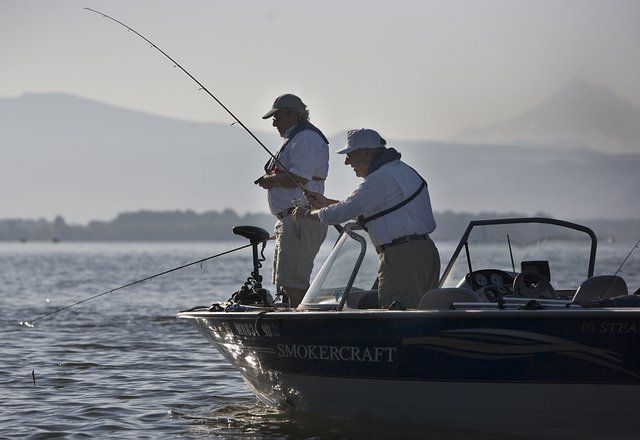
Boat Trolling: Slow trolling for perch in deep water (20–60 m).
-
Float & Bottom Fishing: For tilapia and catfish near margins.
-
Night Catfishing: Baited hooks along banks.
7. Sustainable Practices
-
Catch-and-Release: Vital for trophy stocks—use barbless hooks and wet gloves.
-
Select Responsible Operators: Reputable guides and lodges champion catch-and-release, low-waste disposal, and education.
-
Community-Based Fishery: Support local management, employment, and sustainable quotas.
8. Combining Safari and Fishing
Kenya offers exciting hybrid experiences combing game viewing and angling. Here’s how:
-
Rift Valley circuit: Lake Naivasha or Nakuru day fishing, followed by wildlife safaris in Hell’s Gate or Nakuru Parks.
-
Mount Kenya highland fly-fishing: midday at trout reservoirs, late afternoon safari in Mt Kenya Forest or Samburu Game Reserve.
-
Victoria Basin expedition: Nile perch trolling on Lake Victoria fringed by Baboon Cliff or Serengeti border.
-
Tana tributary adventures: River tigerfishing and nearby Amboseli safaris.
These hybrids work best with Great Migration Adventure, whose team specializes in connecting lodge-based safari logistics with fishing permissions on adjacent lakes and conservancy waters—resulting in custom safari + fishing itineraries.
9. Expert Guidance
Whether you’re an experienced angler or beginner, mentorship with local fishing guides is essential.
-
Accompanied charters: Local licenses, wardens, boat skippers.
-
Rod rental & advice: Some lodges provide rods, reels, lures; while guides teach casting techniques and secret spots.
-
Combine with conservation tours: Charter and line fishing while visiting fisheries research or endemic species protection.
10. Cultural & Community Context
Fishing in Kenya isn’t just a pursuit—it’s a lifestyle and identity in many lakeside communities:
-
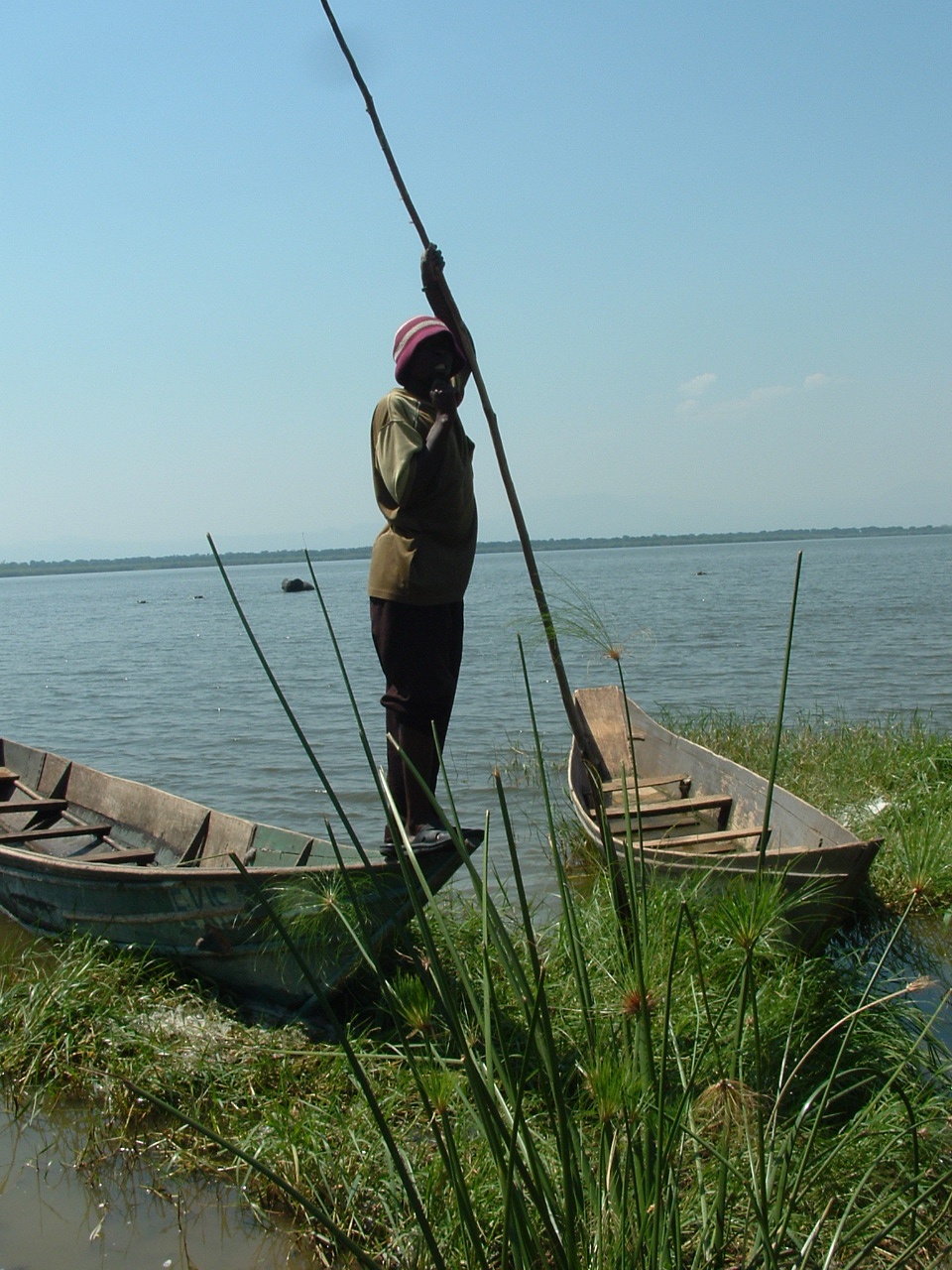
Lake Victoria fishers: The Ganda fishermen supplying Nile perch for export.
-
Catfish harvesters on Tana River.
-
Highland trout operators offer contracts with government conservation labs—blending recreation and research.
-
Agreements between conservancies and fishing communities for sustainable quotas.
Visiting a fish-smoking kiln or spending early morning with a local fisherman can illustrate conservation, livelihoods, and the importance of responsible recreation.
11. Safety & Health
-
Malaria risk is present near lakes; take prophylaxis or carry repellent or net.
-
Waterborne diseases: Avoid swallowing lake or reservoir water.
-
Boat safety: Always wear life jackets; check motorized boats and docking procedures.
-
Wildlife encounters: Near delta fishing zones, hippos and crocs lurk—remain cautious.
-
Weather hazards: Afternoon thunderstorms call for shoreline retreat.
12. Conservation Conflicts
-
Introduced Nile perch have impacted native fish biodiversity.
-
Unsustainable nets risk reef fishes.
-
Conservancy vs park regulations: Tensions arise over who manages fisheries near protected wetlands.
-
Tourist vs subsistence catch: Balancing sport and local food security is essential.
Best managed by co-governance models, regulations, and education—practiced effectively by select conservancies where Great Migration Adventure partners.
13. Sample 10-Day Fishing + Safari Itinerary
Day 1 – Arrive Nairobi; transfer to Naivasha
Day 2 – Lake Naivasha shore fishing; afternoon Hell’s Gate mini-safari
Day 3 – Boat casting for perch; cultural village visit
Day 4 – Transfer to Mt Kenya region; highland reservoir trout fishing
Day 5 – Morning fishing; afternoon forest safari
Day 6 – Transfer to Samburu region; evening wildlife drive
Day 7 – Morning fishing near Tana tributaries (permit zone); evening campfire
Day 8 – Safari in Samburu; optional fishing excursion
Day 9 – Return to Nairobi via Garissa Roadside stop for fish lunch
Day10 – Depart Nairobi
All transport, licences, gear, conserved-lodge stays included. Great Migration Adventure curates these top-end trips, ensuring logistics and permit handling.
14. FAQs
-
Q: Are rods available on-site?
A: Some lodges offer rods for rent; otherwise bring your gear. -
Q: Can I keep fish?
A: Yes, if species are permitted and you’re within bag limits. Often catch-and-release is promoted. -
Q: Are kids allowed?
A: Yes—under parental supervision; rivers and small lakes safer than open-water fishing. -
Q: Do I need scuba gear?
A: No—mainly shore or boat angling; deep-water trips rely on motorboats. -
Q: Is night fishing allowed?
A: Primarily for catfish, with local guides and illumination—check health permit.
15. Practical Takeaways
-
Can you fish in Kenya’s parks?
Not always in national parks—but yes in many outside or adjacent waters with appropriate permit and operator. -
Best places?
Rift Valley lakes, Mt Kenya reservoirs, Tana tributaries, Victoria Basin, and conservancy-managed water bodies. -
Laws?
Governed by Fisheries Act, licenses, catch limits. -
Equipment?
Light-to-medium rods, barbless hooks, worms, boat trolling setups. -
Conservation?
Catch-and-release, licensed guiding, community involvement—is key.
Conclusion
Fishing in Kenya’s parks and adjacent waters offers a rewarding extension to the safari narrative. With proper licensing, ethical practices, and the expertise of operator Great Migration Adventure, anglers can experience unforgettable freshwater action—whether casting into misty crater lakes or quietly trolling for Nile perch. By balancing enjoyment with conservation respect, your fishing experience can support sustainable livelihoods, biodiversity, and the timeless allure of Kenya’s waterways.