Can I Do a Gorilla Habituation Experience in Uganda?
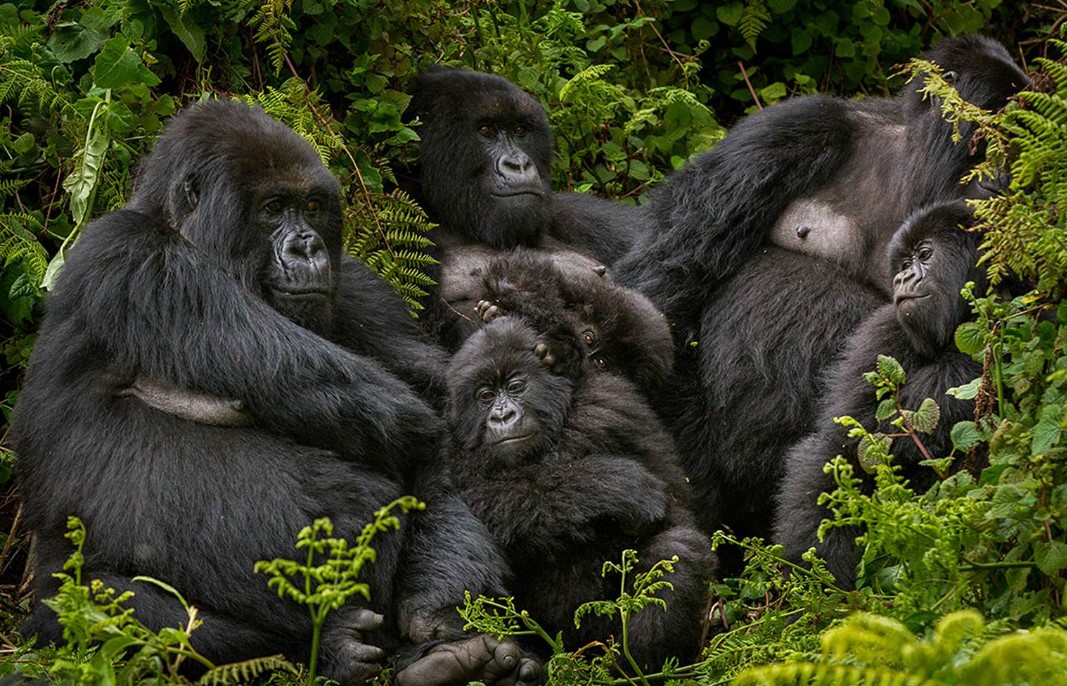
Yes—you can participate in a gorilla habituation experience in Uganda—that special rare opportunity to spend extended time with mountain gorillas as they become accustomed to humans. Unlike regular gorilla trekking, habituation journeys bring you closer into gorilla daily life: tracking, observing behavior, even helping accelerate the bonding process with guided experts. At Great Migration Adventure, we design deeply meaningful habituation safari bookings in Bwindi Impenetrable National Park, offering immersive visits that support conservation and deliver lasting memories.
What Is a Gorilla Habituation Experience?
Gorilla habituation is a long-term conservation process where a gorilla family is gradually introduced to human presence over several years. Once researchers deem a family semi-habituated, small visitor groups are invited to accompany conservationists and researchers into the forest to spend an extended four-hour visit with the group. It is a full‑day trek—unlike standard trekking’s 1‑hour tour—and is available only for select families in Rushaga sector.
Where Does It Take Place?
Uganda is the only country in East Africa offering this experience. It is exclusively available in the Rushaga sector of Bwindi Impenetrable National Park, where currently there are two families undergoing habituation (often referred to as the Bikingi and Bushaho groups) .
What Makes It Special?
Longer Time with Gorillas
Participants spend up to four hours with the gorilla family—far more than the standard one-hour safari—allowing time to observe feeding, grooming, and social behaviors in depth .
Small, Intimate Group
Only four visitors per group are allowed, plus trackers, researchers, and rangers—enhancing intimacy and minimizing disturbance .
Behind-the-Scenes Insight
Guests accompany researchers during daily habituation routines, learning how gorilla personalities are tracked and recorded over time, including naming individuals and monitoring health metrics.
Booking & Permit Details
Permit Price
-
Foreign non-residents: US $1,500
-
Foreign residents: US $1,000
-
East African citizens: UGX 750,000
Booking Timeline
Permits are extremely limited and in high demand. Booking is advised 3–6 months in advance, especially during peak months (June–August, December–March, July–October).
Traveler Eligibility
Participants must be 15 years or older per Uganda Wildlife Authority regulations.
What to Expect on the Day
-
Early Wake-Up: Briefing typically around 6:30 AM; trek begins about 7:00–7:30 AM.
-
Full‑Day Trek: Tracking may take 2–3 hours before gorillas are found. Once located, participants—and accompanying researchers—spend four hours observing the family. Then return trek takes you back late afternoon .
-
Physical Requirements: The hike traverses steep, often muddy terrain—requiring good fitness level, proper boots, insect repellent, rain protection, and snacks .
Rules & Safety Protocols
-
Maintain at least 7 meters distance from gorillas at all times.
-
Stay as a group, follow guide instructions carefully, and move slowly.
-
No eating, smoking, or flash photography near gorillas.
-
If you are unwell (cough, fever), you may be denied participation to protect gorilla health.
-
Masks may be required to prevent respiratory disease transmission.
Benefits of a Habituation Experience
-
Deeper connection: Four hours among gorillas allows behavior-rich storytelling, social interactions, and time to notice individuals.
-
Educational insight: You learn about gorilla ecology, social bonds, infancy, dominant silverbacks, and conservation steps.
-
Conservation support: Permit fees help fund habituation, health monitoring, conservationists and local communities that depend on gorilla tourism.
-
Exclusive access: Only four visitors per day means a rare and private gorilla experience you won’t find in trekking.
Sample 5-Day Gorilla Habituation Safari Itinerary
Day 1: Arrive Entebbe or Kampala—fly or drive to Bwindi (Rushaga sector). Short forest hike or community visit to acclimate.
Day-2: Gorilla habituation day—early start, guided tracking and four-hour closely observed time with gorilla family. Return in late afternoon, rest.
Day 3: Secondary primate or nature walk (e.g. golden monkey in Mgahinga if desired), or guided forest walk or birding.
Day-4: Optional regular gorilla trekking (1 hour) or a Batwa cultural trail in local forest adjacent.
Day 5: Morning nature walk or craft village visit, then departure or onward safari itinerary.
Visitor Experiences & Community Impressions
From a guest on Reddit:
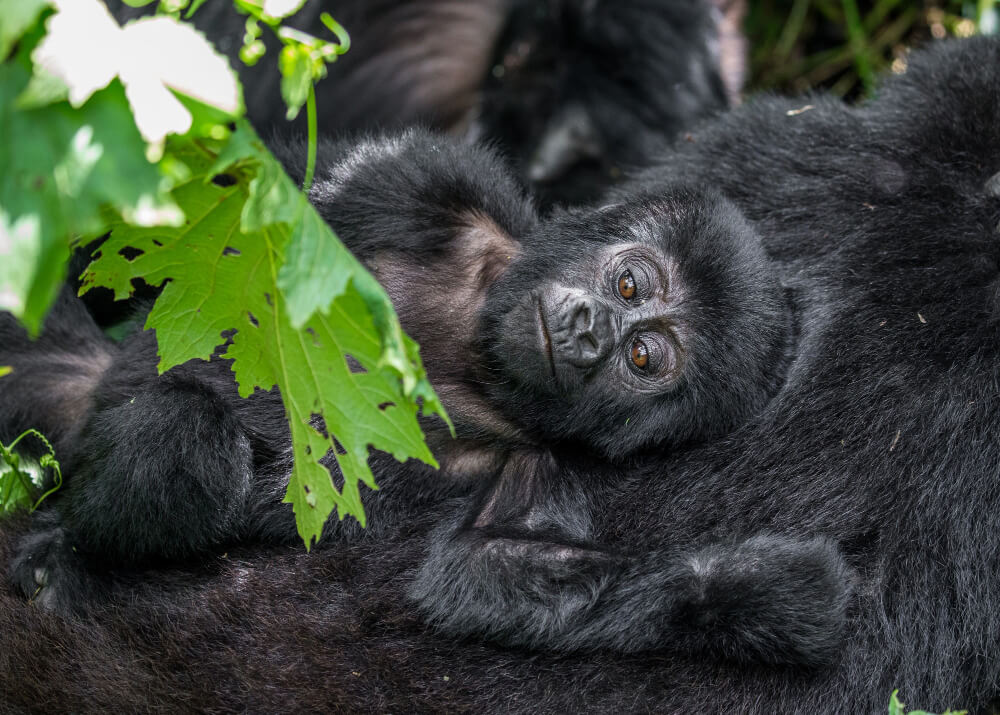
“The habituation experience is absolutely magical… I found my habituation experience to be more relaxed … a female with her baby resting … a silverback lounging 5 meters from me.”
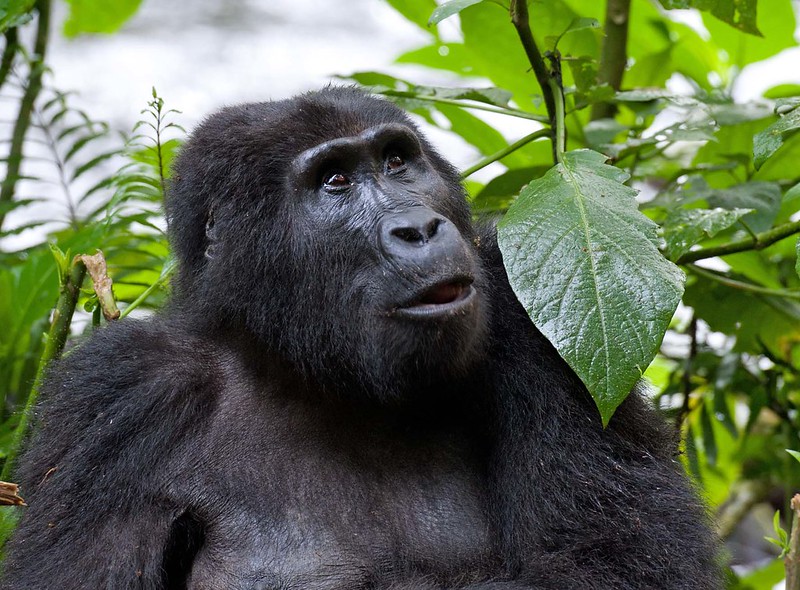
Habituators and conservationists affirm that visitor participation strengthens local conservation buy-in, supports jobs, and builds cultural pride in surrounding communities.
How Great Migration Adventure Enhances the Experience
-
Permit coordination: We secure habituation permits in advance to avoid disappointment.
-
Expert guidance: Leading guides accompany you with rangers and researchers to ensure safety and insight.
-
Ethical booking: All visits comply with Uganda Wildlife Authority rules and conservation best practices.
-
Tailored comfort: We suggest suitable local lodges near Rushaga and manage meal logistics for long trekking days.
-
Extended itineraries: We can pair habituation with regular trekking, primate walks, cultural Batwa experience, or safari in Queen Elizabeth NP.
Conservation & Ethical Travel Impact
Habituation tourism is a double-edged opportunity: it enables close human–gorilla connection while helping locals invest in handing over forest stewardship to Batwa and other local communities. Minimizing group size, enforcing safety rules, and alongside veterinary monitoring limits disease risk. Additionally, by visiting, you directly reinforce funding for continued research and protection of one of Earth’s most endangered primates.
Frequently Asked Questions (FAQs)
Does habituation guarantee sightings?
No. Gorillas are wild, and their movement is unpredictable. Trek times vary—you’re hoping for long exposure time rather than fast sightings.
Is habituation safe?
Yes—many visitors feel closer yet safer, guided by researchers and rangers with strict hygiene protocols.
Can families with children participate?
Only visitors aged 15+ may participate. It’s a long trek and may not be suitable for younger children.
Can I book habituation and trekking in one safari?
Yes—most itineraries combine a four‑hour habituation visit with a one‑hour trek on a different day.
A gorilla habituation experience in Bwindi brings you into a level of wildlife immersion rarely offered elsewhere. Over four hours, you become part observer, part participant, and part conservation partner in the ongoing care and study of mountain gorilla families. While costly and demanding, it rewards travellers with sustained connection, knowledge, and the privilege of supporting gorilla survival.
If staying close to nature—and to meaningful conservation—is at the heart of your travel dream, this immersive experience is something you’ll never forget.