


Can I Buy a Gorilla Trekking Permit at the Park Gate?
When people start planning a gorilla trekking trip, they usually focus on the exciting parts first. They picture mist-covered forests, long walks through the jungle, and that incredible moment of finally seeing mountain gorillas in the wild. Somewhere during the planning process, though, practical questions begin to appear.
One question comes up again and again:
“Can I just buy my gorilla trekking permit when I get to the park?”
It is a fair question. Most of us are used to attractions where you simply arrive, pay at the entrance, and continue with your day. Maybe you have done that at wildlife parks, museums, or nature reserves before. So naturally, it feels like gorilla trekking should work the same way.
You arrive at the gate.
You buy a ticket.
You join the experience.
Simple.
Except gorilla trekking is not really that kind of activity.
And this is one part of the journey where being spontaneous can sometimes work against you.
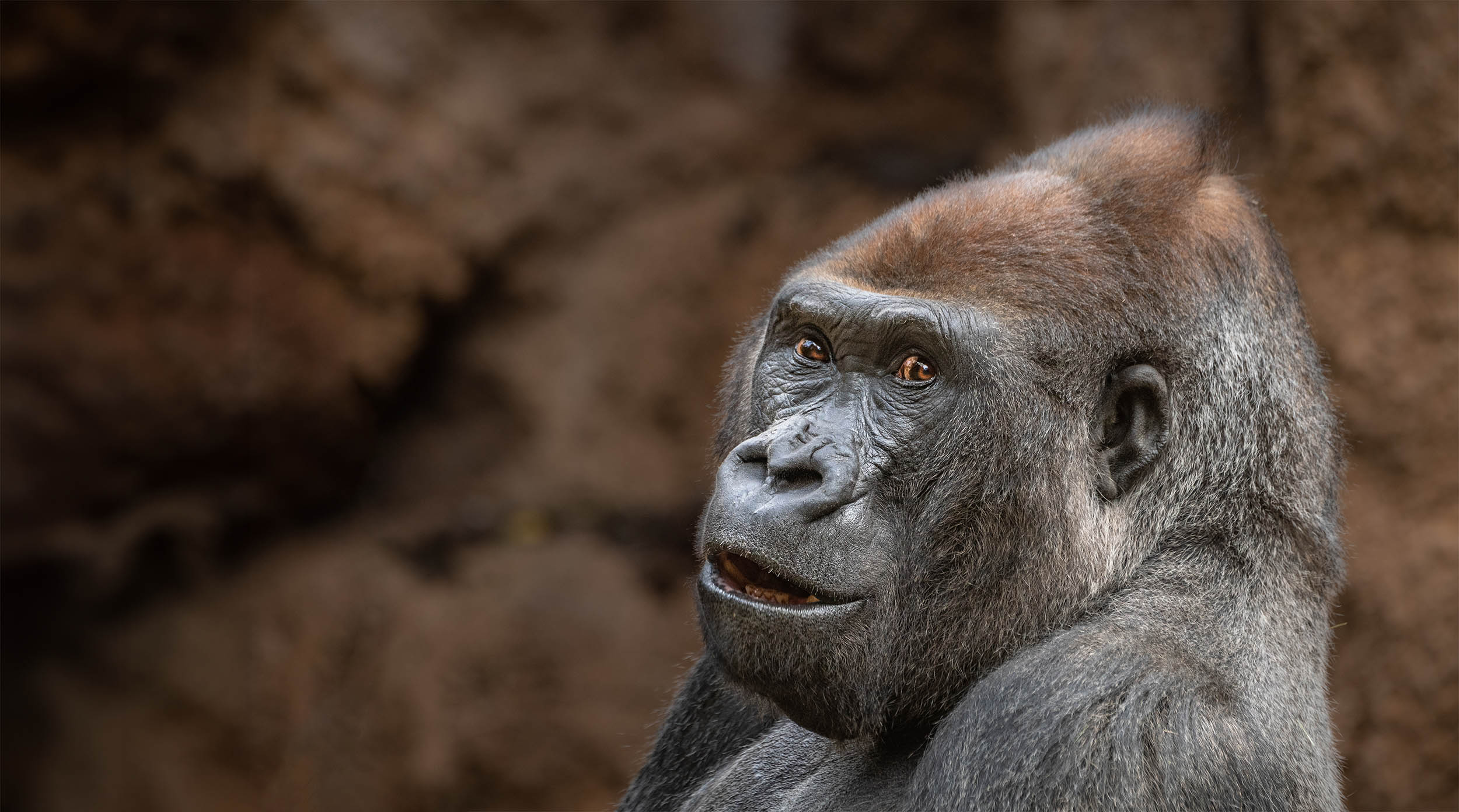
Travelers gathering at gorilla trekking headquarters before forest adventure and ranger briefing session.
The Short Answer? You Should Not Count On It
Technically, there can be situations where a permit becomes available at the last minute. Maybe someone canceled a trip. Maybe travel dates changed unexpectedly. Sometimes a few permits remain during quieter seasons.
So yes, last-minute availability can happen.
But planning your entire trip around that possibility is a gamble.
Most travelers who successfully go gorilla trekking do not arrive hoping something would open up. They planned that part ahead of time because permits are limited and often disappear much faster than people expect.
Think of it less like buying a movie ticket and more like reserving a place for a highly limited experience.
Because that is exactly what it is.
Gorilla Trekking Is Not Just a Park Entry Ticket
This is where many first-time travelers get surprised.
A gorilla trekking permit is not simply a pass that lets you walk into the park.
You are actually reserving a place on a specific day to visit a particular habituated gorilla family. The process is tightly controlled, and that happens for a very important reason.
Mountain gorillas are protected animals. Conservation efforts focus heavily on keeping them safe while allowing visitors to experience them responsibly.
Only a limited number of people are allowed to visit each gorilla family every day.
Not dozens.
Not endless groups arriving throughout the day.
Just a small number of visitors.
That means there are only a certain number of permits available daily.
Once those spaces are taken, there usually is not another option waiting at the entrance.
No backup line.
No extra supply hidden somewhere.
No “maybe they can squeeze me in.”
Once they are gone, they are gone.
What Trekking Morning Actually Looks Like
People often imagine arriving at the park and seeing a ticket booth where they can purchase permits before heading into the forest.
The reality feels very different.
Trekking mornings usually begin early. Visitors gather at the park headquarters while guides and rangers prepare everyone for the day ahead.
There is a unique atmosphere at that moment.
Some people are wide awake and excited.
Others still look sleepy from an early morning wake-up call.
You see travelers adjusting hiking boots, checking backpacks, sipping coffee, and chatting quietly while waiting.
And if you listen closely, you often hear little conversations:
“I have wanted to do this for years.”
“I still can’t believe we’re finally here.”
“I wonder how long our hike will be.”
There is anticipation in the air.
Nervous excitement, too.
But one thing is usually true for nearly everyone there: they already arranged their permits long before that morning arrived.
By trekking day, that part is already taken care of.
Last-Minute Luck Is Still… Luck
Stories occasionally circulate about travelers who somehow found a gorilla trekking permit at the last minute—and yes, those stories are real. Travel plans change all the time: someone cancels due to illness, a group shifts its dates, or permits unexpectedly reopen when tour operators adjust their inventories. In rare cases, a stroke of luck aligns with a flexible traveler, allowing them to secure a permit just days or even hours before the trek. However, these fortunate scenarios are impossible to predict and should never be relied upon as a primary booking strategy.
Imagine spending hours traveling to a remote trekking area, having already booked accommodation, arranged transportation, and carefully planned your entire itinerary around this once-in-a-lifetime experience. You arrive full of anticipation, only to discover that no permits are available. That sinking feeling would be terrible—not only because of the wasted time and money, but because permit availability is extremely limited, especially during peak seasons. What seemed like a spontaneous adventure can quickly turn into a heartbreaking lesson in poor planning.
For most travelers, gorilla trekking is not just a small extra activity tacked onto a trip. On the contrary, for countless visitors to Uganda, Rwanda, and the Democratic Republic of Congo, trekking to see endangered mountain gorillas is the entire reason they traveled there. It is the centerpiece, the dream, the non-negotiable highlight of their journey. Building an entire vacation around the hope of a last-minute permit is therefore a high-risk gamble—one that far too often ends in profound disappointment rather than the thrilling wildlife encounter they had imagined.
To avoid this scenario, always book your gorilla trekking permit well in advance—ideally several months before your travel dates. Permits are limited to protect the gorillas and their habitat, and demand regularly exceeds supply. By planning ahead, you guarantee your spot, reduce stress, and ensure that your once-in-a-lifetime adventure becomes a cherished memory rather than a missed opportunity. Relying on last-minute stories from lucky travelers is never a sensible strategy when so much of your trip hangs in the balance.
Certain Times Of Year Fill Up Fast
Timing makes a big difference when planning a trek. Some seasons naturally attract more visitors because trail conditions tend to be easier and more comfortable. During the drier months, for example, paths are less muddy and far easier to navigate, which makes these periods especially popular among hikers. Specifically, the months between June and September often become very busy due to favorable weather and stable trail conditions.
However, dry seasons aren’t the only peak periods. December through February can also see heavy demand, largely because of holidays and vacation travel. Many people take advantage of school breaks and year-end time off, leading to crowded trails and limited availability.
One thing that surprises many travelers is how early permits disappear. You occasionally hear people say things like, “I thought I could book when I arrived,” or “I didn’t realize permits sold out that quickly.” By the time they realize their mistake, changing plans becomes difficult—if not impossible. For this reason, it’s crucial to research permit timelines well in advance and secure reservations as early as possible.
Booking Early Changes The Entire Experience
Most people think booking ahead guarantees access.
But something else happens, too.
You stop worrying.
That may sound small, but it matters.
Once your permit is secured, everything else becomes easier to organize. Accommodation choices become clearer. Transportation becomes easier to arrange. Dates stop shifting around.
Suddenly, the trip feels more real.
Instead of stressing about availability, your attention moves toward the exciting parts.
You start thinking about what to pack.
You imagine the forest trails.
You wonder what that first gorilla sighting will feel like.
Planning becomes fun again.
Some Experiences Are Worth Planning Properly
Gorilla trekking sits high on many travel bucket lists.
For some people, it stays there for years.
People save money for it. They dream about it. They picture that moment long before it ever happens.
And when you think about everything involved—international travel, accommodation, transportation, time, and effort—it becomes easier to understand why most travelers avoid leaving permit arrangements to chance.
Because after all that planning, the last thing anyone wants is to stand at the park gate hoping something becomes available.
It feels much better arriving with everything already confirmed.
Then when trekking morning finally arrives, you can simply enjoy the feeling around you—that nervous excitement, the cool morning air, the anticipation—and focus on what truly matters.
The adventure itself.


