The Big Five Animals: A Guide to Africa’s Most Iconic Wildlife and Where to See Them
Big Five Animals, Africa is home to some of the most spectacular wildlife on Earth, but few animals capture the imagination quite like the Big Five. Originally a hunting term coined by big-game hunters in the early 20th century, the Big Five refers to the five most challenging and dangerous animals to hunt on foot: the lion, leopard, elephant, rhinoceros, and Cape buffalo.
Today, the term is used primarily in safari tourism, representing the most sought-after animals for wildlife enthusiasts to see in their natural habitats. These magnificent creatures symbolize the wild beauty of Africa and are a major draw for travelers from around the world.
In this article, we will explore each of the Big Five animals in detail, including their behavior, conservation status, and the best places to see them in the wild.
1. The African Lion (Panthera leo)
Description and Behavior
The African lion is the most iconic of the Big Five, often called the “King of the Jungle” (though lions primarily inhabit savannas and grasslands). Lions are social animals, living in prides of up to 30 individuals, usually consisting of related females, their cubs, and a few dominant males.
Male lions are easily recognizable by their manes, which darken with age and signal dominance. Lions are apex predators, primarily hunting zebras, wildebeests, and antelopes, though females do most of the hunting.
Conservation Status
Lions are classified as Vulnerable by the IUCN, with populations declining due to habitat loss, human-wildlife conflict, and poaching. Fewer than 20,000 wild lions remain in Africa.
Best Places to See Lions
-
Masai Mara National Reserve, Kenya – Famous for the Great Migration and large lion prides.
-
Serengeti National Park, Tanzania – Home to one of the highest lion densities in Africa.
-
Kruger National Park, South Africa – Reliable sightings, especially in the southern regions.
-
Okavango Delta, Botswana – Lions adapt to hunting in water-rich environments.
2. The African Leopard (Panthera pardus)
Description and Behavior
The leopard is the most elusive of the Big Five, known for its stealth, strength, and solitary nature. Leopards are highly adaptable, thriving in savannas, forests, and even mountainous regions.
They are nocturnal hunters, dragging prey up trees to avoid scavengers like hyenas and lions. Their rosette-patterned coats provide excellent camouflage, making them difficult to spot.
Conservation Status
Leopards are listed as Vulnerable, with populations decreasing due to habitat fragmentation and illegal wildlife trade for their skins.
Best Places to See Leopards
-
Sabi Sands Game Reserve, South Africa – One of the best places for leopard sightings due to habituated individuals.
-
South Luangwa National Park, Zambia – Known for high leopard densities and night safaris.
-
Moremi Game Reserve, Botswana – Excellent for spotting leopards in the Okavango Delta.
-
Masai Mara, Kenya – Leopards are often seen resting in trees.
3. The African Elephant (Loxodonta africana)
Description and Behavior
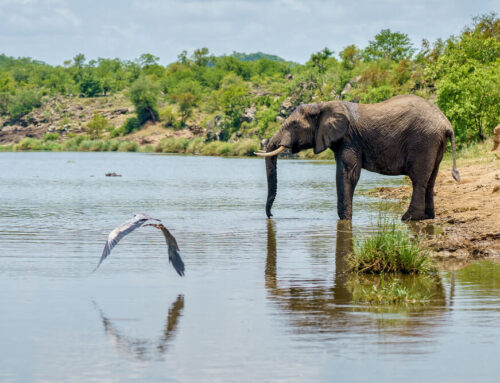
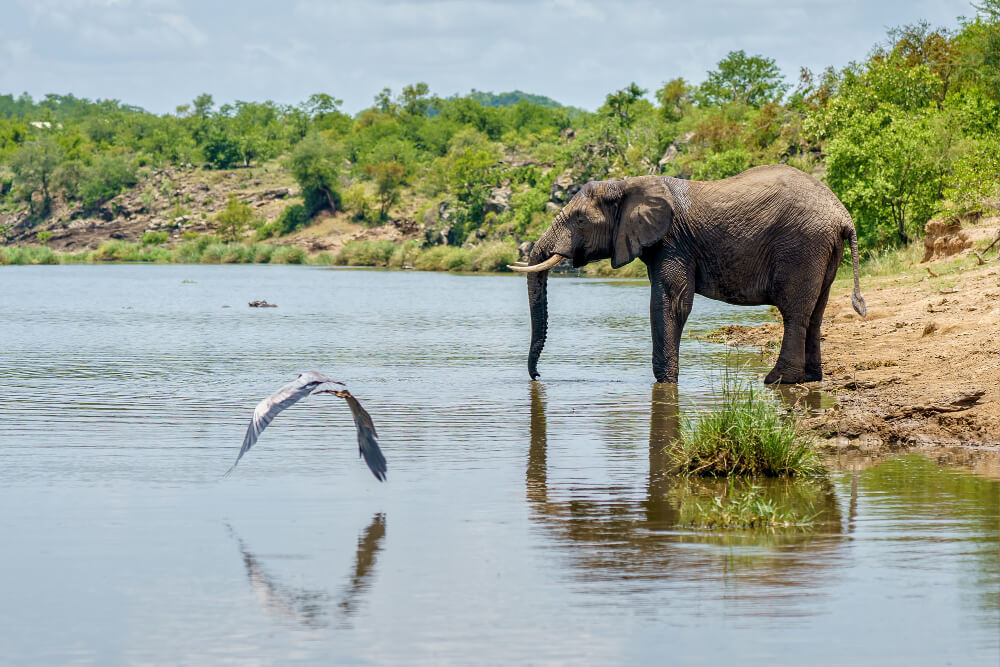
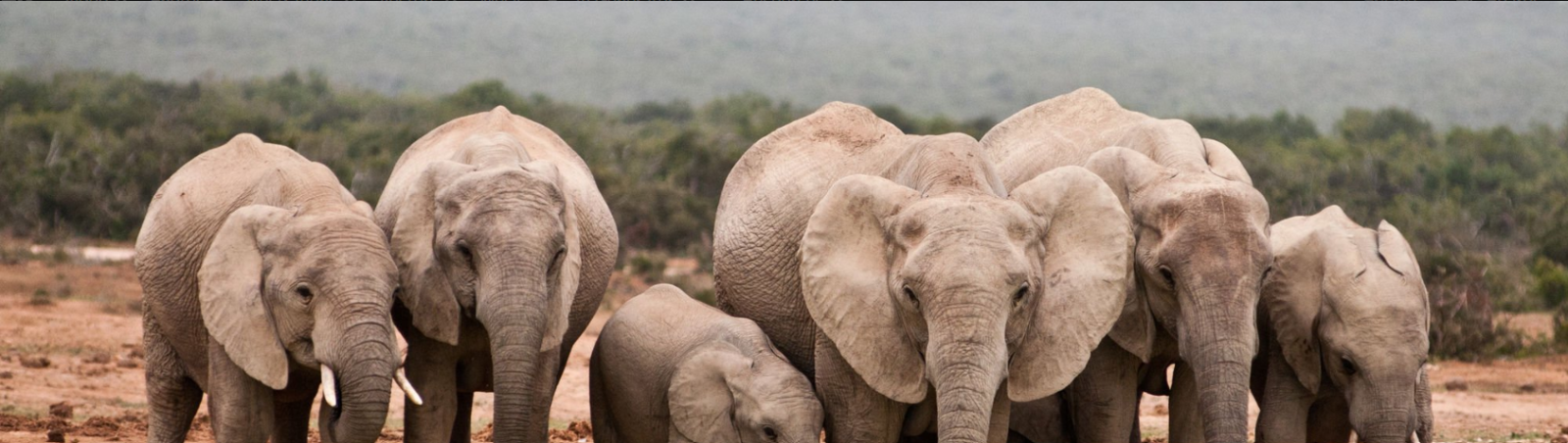
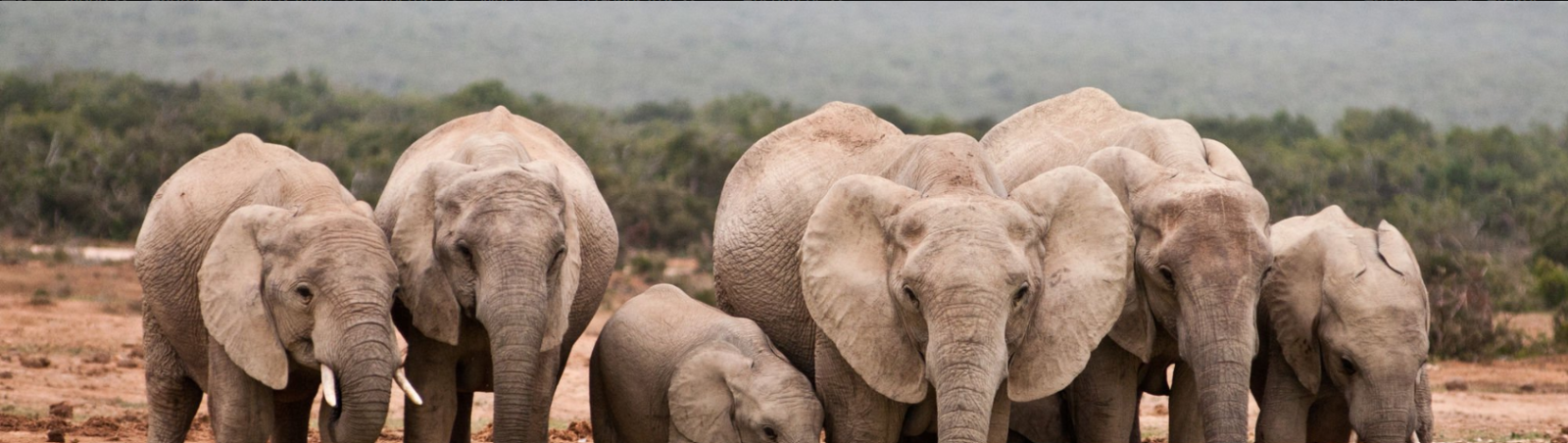
The African elephant is the largest land animal on Earth, with males weighing up to 6,000 kg (13,000 lbs). They live in matriarchal herds led by an older female, while bulls often roam alone or in bachelor groups.
Elephants are highly intelligent, with strong social bonds, advanced communication, and remarkable memory. They play a crucial role in their ecosystems by creating water holes and dispersing seeds.
Conservation Status
African elephants are classified as Endangered due to poaching for ivory and habitat loss. Conservation efforts have stabilized some populations, but threats remain.
Best Places to See Elephants
-
Chobe National Park, Botswana – Home to the world’s largest elephant population (~120,000).
-
Amboseli National Park, Kenya – Famous for elephants with Mount Kilimanjaro in the background.
-
Hwange National Park, Zimbabwe – Massive herds gather at waterholes in the dry season.
-
Addo Elephant Park, South Africa – A sanctuary with over 600 elephants.
4. The Rhinoceros (Black and White Species)
Description and Behavior
Africa is home to two rhino species:
-
White Rhino (Ceratotherium simum) – Larger, grazer, with a square lip.
-
Black Rhino (Diceros bicornis) – Smaller, browser, with a hooked lip.
Despite their names, both are gray in color. Rhinos have poor eyesight but excellent hearing and smell. They are solitary (black rhinos) or semi-social (white rhinos).
Conservation Status
-
White Rhino: Near Threatened (Southern subspecies); Critically Endangered (Northern subspecies, nearly extinct).
-
Black Rhino: Critically Endangered due to intense poaching for their horns.
Best Places to See Rhinos
-
Etosha National Park, Namibia – Stronghold for black rhinos.
-
Hluhluwe-iMfolozi Park, South Africa – Key reserve for white rhino conservation.
-
Lewa Wildlife Conservancy, Kenya – Intensive anti-poaching efforts protect rhinos.
-
Kruger National Park, South Africa – Home to both black and white rhinos (though poaching remains a threat).
5. The African Cape Buffalo (Syncerus caffer)
Description and Behavior
The Cape buffalo is the only member of the Big Five that is not endangered, but it is considered one of the most dangerous due to its unpredictable temper. Buffalos live in large herds, sometimes numbering in the hundreds, and are known for their strong herd defense tactics against predators.
They have a distinctive boss (thick horn base) and are relentless when threatened. Lions often avoid attacking healthy adult buffalos due to the risk of injury.
Conservation Status
Least Concern, with stable populations across sub-Saharan Africa.
Best Places to See Cape Buffalo
-
Kruger National Park, South Africa – Massive herds roam freely.
-
Chobe National Park, Botswana – Often seen near water sources.
-
Katavi National Park, Tanzania – Home to some of the largest buffalo herds.
-
Queen Elizabeth National Park, Uganda – Buffalos are common in the savannas.
The Best Destinations for a Big Five Safari
If you want to see all Big Five animals in one trip, consider these top destinations:
-
Kruger National Park, South Africa – High chances of spotting all five, with excellent infrastructure.
-
Serengeti National Park & Ngorongoro Crater, Tanzania – Abundant wildlife, including the Big Five.
-
Masai Mara, Kenya – Famous for lions, leopards, and large herds of buffalos and elephants.
-
Okavango Delta, Botswana – A unique wetland ecosystem with thriving Big Five populations.
Final Thoughts
Seeing the Big Five in the wild is a bucket-list experience that highlights the majesty of Africa’s wildlife. However, with many of these species facing extinction threats, responsible tourism and conservation support are crucial. By visiting protected parks and supporting ethical safari operators, travelers can help ensure these incredible animals thrive for generations to come.
Would you like recommendations for the best time to visit these parks or tips for wildlife photography? Let me know in the comments!