Best Camps Inside Masai Mara Conservancies for the Great Migration
When it comes to witnessing the Great Wildebeest Migration in all its raw, awe‑inspiring glory, the Masai Mara is one of the world’s most thrilling safari destinations. While the main Masai Mara National Reserve draws crowds during peak months, adventure‑seekers and wildlife lovers increasingly head into the private conservancies that border the reserve — places like Olare Motorogi, Naboisho, and Ol Kinyei — for a more exclusive, immersive, and crowd‑free migration experience.
These conservancies combine open plains with controlled vehicle numbers, off‑road freedom, walking safaris, and close predator action. And right at the heart of these landscapes are some of the best safari camps in East Africa, perfect for migration season travelers looking for comfort, proximity to wildlife, and unforgettable moments.
Let’s explore the top camps and why they stand out during migration season.
Olare Motorogi Conservancy: Luxury and Wildlife in Harmony
Mara Plains Camp
Mara Plains Camp is often at the top of the list for photographers and serious safari enthusiasts. Perched in one of the Masai Mara ecosystem’s prime wildlife zones, the camp blends elegant design with immersive bush access.
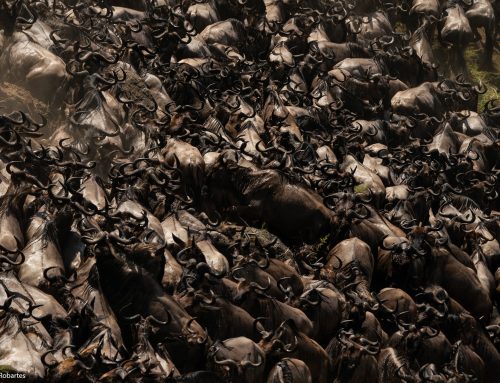
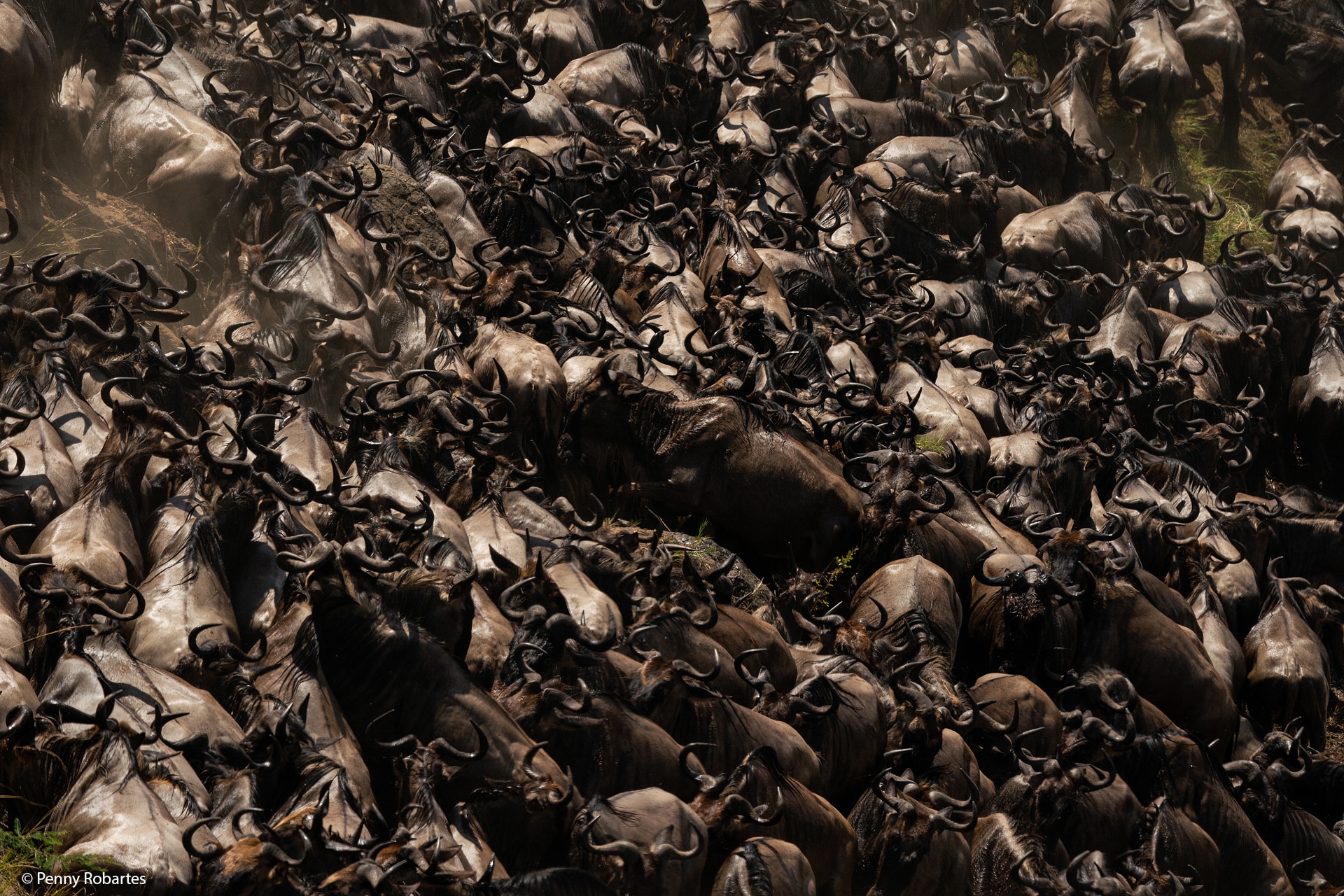
What makes Mara Plains Camp exceptional is the way it brings you close to the action without intrusion. Its raised platforms, vast viewing decks, and panoramic lounges allow guests to watch herds move across the plains at sunrise and sunset. During migration season, it’s common to see large groups of wildebeest passing nearby, lions tracking the herds, and huge sky‑scapes filled with movement.
The camp’s small number of tents ensures exclusivity, and expert guides with deep knowledge of herd patterns make this one of the best places for intimate migration viewing and photography.
Governors’ Il Moran Camp
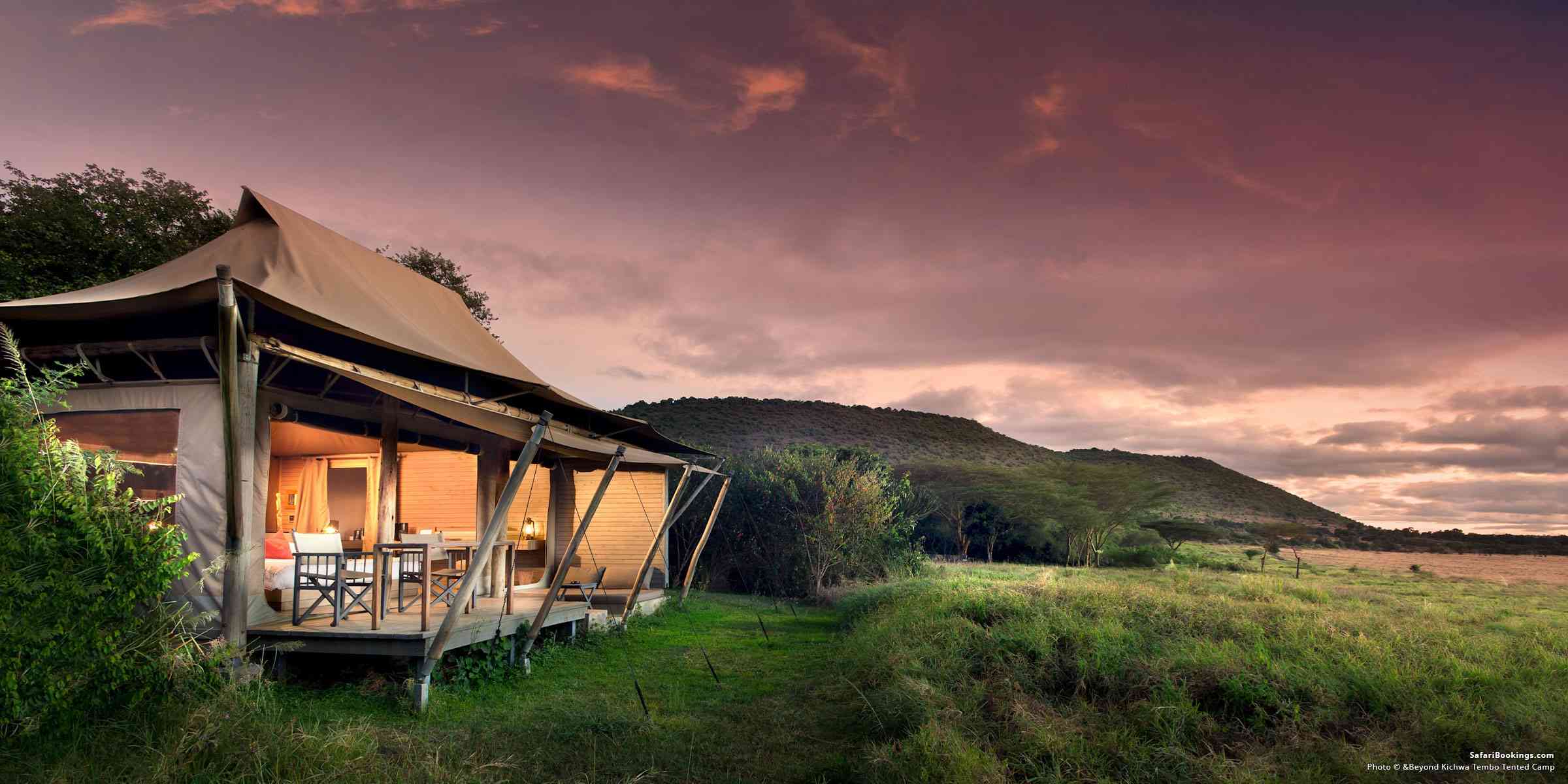
Combining traditional safari charm with modern comfort, Governors’ Il Moran Camp is ideal for travelers who want an elegant yet authentic safari experience. With spacious tented accommodations and well‑placed viewpoints, the camp is perfectly positioned for game drives during the migration months of July to October.
Guests here enjoy close encounters with predators and grazing herds, all without the crowds found in the main reserve. The camp’s attentive service, elevated dining areas, and relaxed atmosphere make it a terrific choice for those who want both comfort and wildlife spectacle.
Naboisho Conservancy: Predator Territory and Premium Game Viewing
Mara Naboisho Camp
Mara Naboisho Camp overlooks sweeping plains that become vibrant with life during the migration. Here, the action isn’t just about wildebeest — it’s about the predators that follow them. The conservancy is known for high predator densities, making safari drives thrilling and unpredictable in the best way.
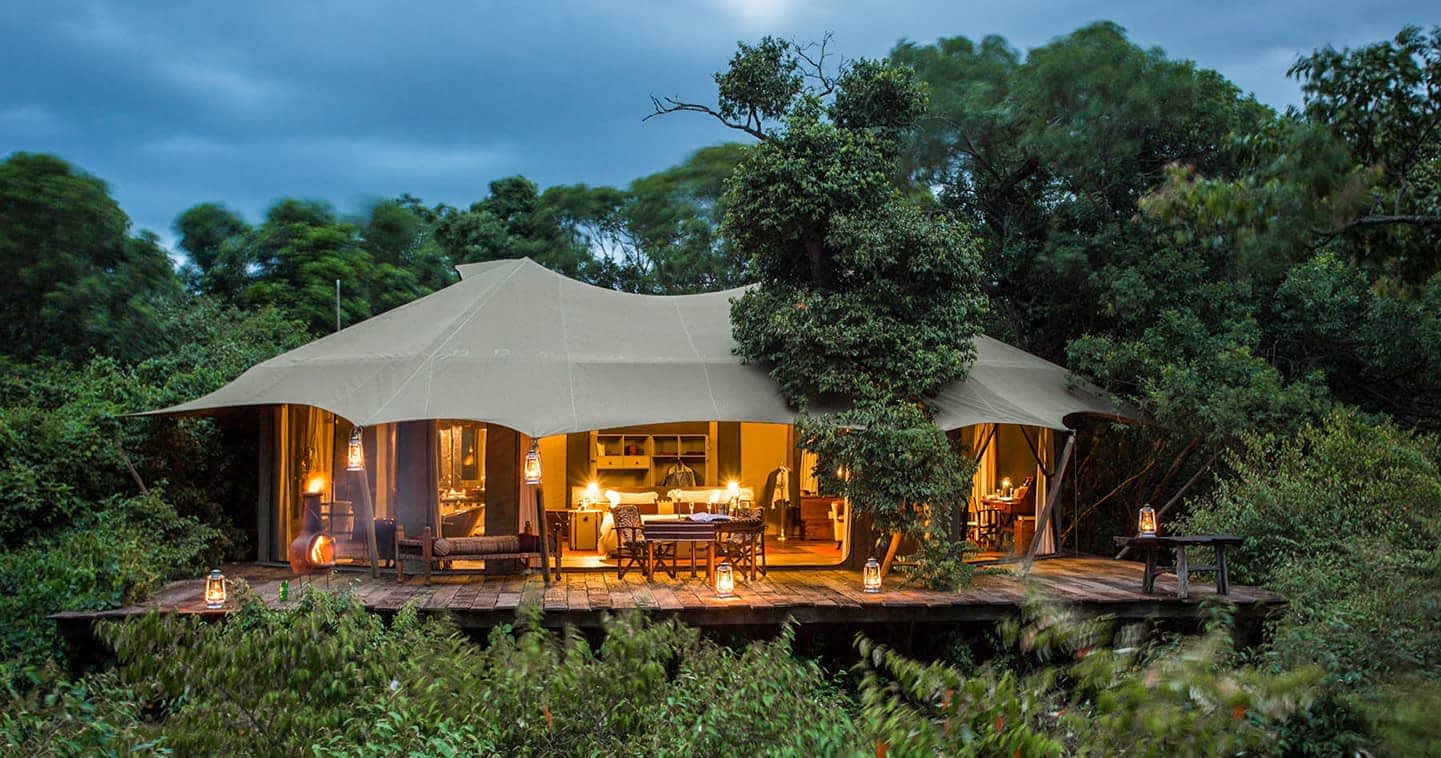
Luxury tents with private decks offer scenic views of the landscape, and guides are adept at tracking lions, leopards, and cheetahs as they move among the migrating herds. Because the conservancy limits vehicle numbers, game drives feel personal and unhurried, with plenty of opportunities for stunning photos and wildlife moments that feel truly yours.
Sala’s Camp
Open plains and endless horizons define Sala’s Camp, a boutique safari lodge where personalized service meets excellent wildlife access. Sala’s sits in prime predator territory, and during migration season, the camp becomes a front‑row seat for action as herds filter through and big cats patrol the edges.
The camp’s small footprint ensures few guests at any time, and many travelers cite its combination of comfort, service, and wildlife encounters as one of the best safari experiences in the Mara ecosystem.
Ol Kinyei Conservancy: Quiet Plains and Close‑Up Game
Ol Kinyei Conservancy Camp
Ol Kinyei’s rolling terrain, open grasslands, and sparse vegetation create a dramatic backdrop for your migration safari. The conservancy is quieter than larger neighbouring areas, and the camps here reflect that serenity — stylish but unobtrusive, luxurious but deeply connected to the landscape.
Game drives from Ol Kinyei Conservancy Camp often focus on where herds are moving next. Off‑road driving privileges let guides follow the lead animals without being restricted to tracks, offering a level of freedom and flexibility hard to find elsewhere. For photographers and nature lovers, this means dynamic sightings and memorable moments without the noise of traffic.
Best Camps Inside Masai Mara Conservancies for the Great Migration
Elephant Pepper Camp (near Ol Kinyei)
Although technically just outside core conservancy boundaries, Elephant Pepper Camp is a favourite stopover for migration travelers because of its proximity to quieter wildlife corridors. Spacious tents, comfortable amenities, and rich wildlife make this camp a great base for mornings and evenings when herds are most active.
The camp’s elevated decks and open dining areas offer unobstructed views of the plains, and sightings of elephants, predators, and migrating herds are common just outside camp walls.
Why Choose Conservancy Camps for Migration
Fewer Crowds, Better Access
One of the biggest differences between staying inside a conservancy versus the main reserve is the number of safari vehicles. Conservancies cap vehicle numbers at sightings, which means you won’t be jostling for space at every river crossing or predator moment. Fewer vehicles also mean quieter, less intrusive wildlife experiences — perfect for photography and relaxation.
Off‑Road Drives and Walking Safaris
Where regulations allow, private conservancies permit off‑road driving and guided walking safaris, letting you follow wildlife tracks, explore lesser‑seen areas, and engage with nature much more intimately than in a standard reserve setting.
Community Impact and Sustainable Tourism
Most conservancies work closely with local Maasai landowners. By staying at a conservancy camp, you’re directly contributing to community‑based conservation, helping protect habitat while supporting local livelihoods through tourism revenue.
Prime Predator Action
During migration season, the presence of large herds attracts lions, leopards, hyenas, and cheetahs. Conservancies like Naboisho and Olare are known for strong predator populations, meaning dramatic hunts, stalking behaviour, and close interactions are often part of the safari rhythm.
Best Times to Stay for Migration Viewing
While the exact timing of the migration depends on rainfall and pasture conditions, the classic window in the Masai Mara region is:
- July–August: Herds begin arriving from the Serengeti’s northern plains.
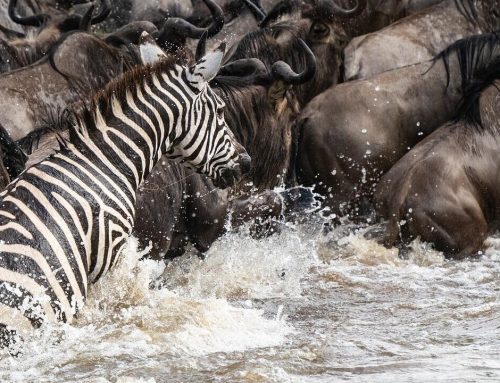
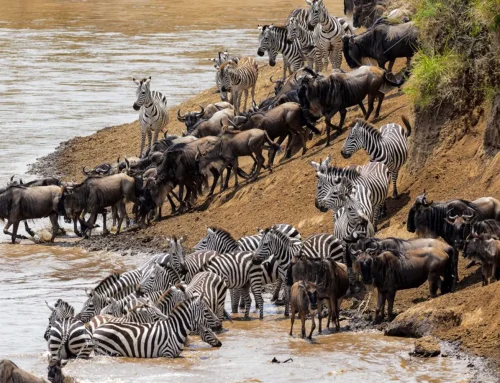
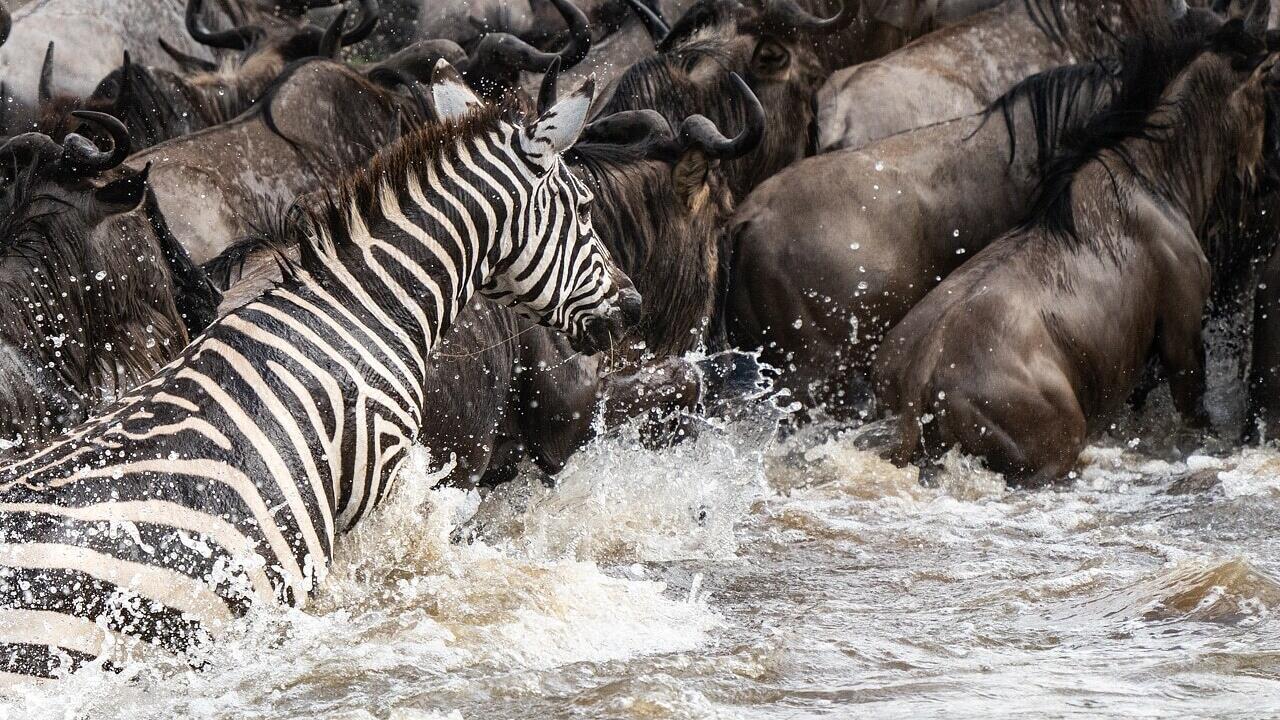
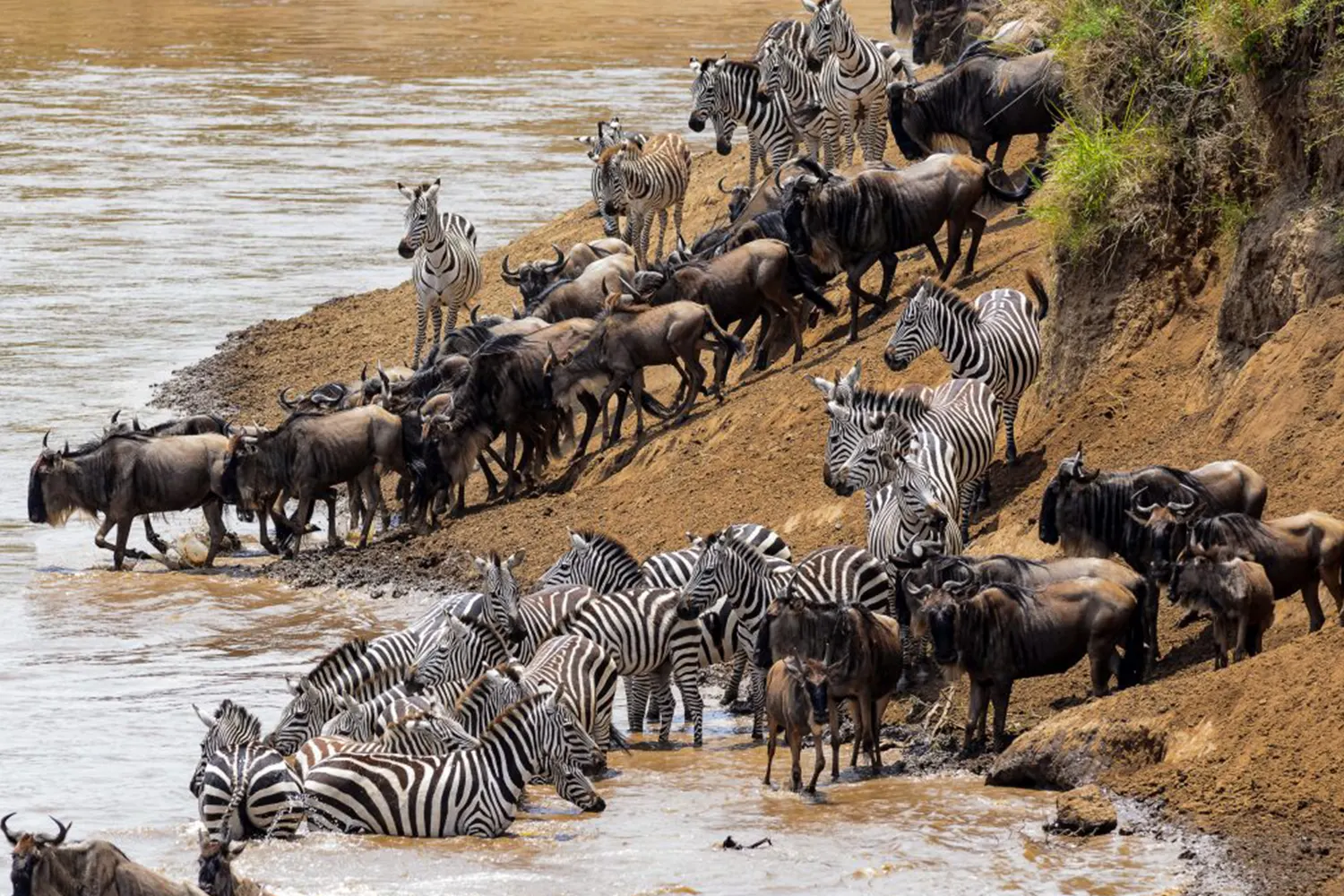
- August–September: Peak Mara River crossings — dramatic moments for photography and wildlife observation.
- September–October: Herds begin dispersing through Mara plains and conservancies after river crossings.
Staying in a conservancy during these months increases your chances of catching both river action and wide‑open plains movements, all with fewer crowds.
Choosing the Right Camp
Here’s a quick guide to help you match your style and priorities:
- Photography and Wildlife Intensity: Mara Plains Camp, Mara Naboisho Camp
- Luxury & Comfort: Governors’ Il Moran, Mara Plains Camp
- Boutique and Personalized Service: Sala’s Camp, Ol Kinyei Conservancy Camp
- Quiet Plains & Explorer Experience: Ol Kinyei Conservancy Camp, Elephant Pepper Camp
Final Thoughts
Staying in a private conservancy during the Great Migration doesn’t just enhance your wildlife viewing — it transforms your entire safari experience. From exclusive, crowd‑free game drives to off‑road freedom and world‑class predator interactions, conservancy camps offer a level of connection with nature that’s hard to replicate anywhere else.
Whether you’re after luxury under the African sky, intimate predator action, or photography‑focused adventures, the camps in Olare Motorogi, Naboisho, and Ol Kinyei conservancies stand out as some of the best places to experience the rhythm, power, and sheer beauty of the Great Wildebeest Migration.
Witnessing this natural phenomenon from these conservancies means you’re not just watching — you’re living it. And that’s the difference that stays with you long after the safari ends.