When is the Best Time to See the Wildebeest Migration in Tanzania?
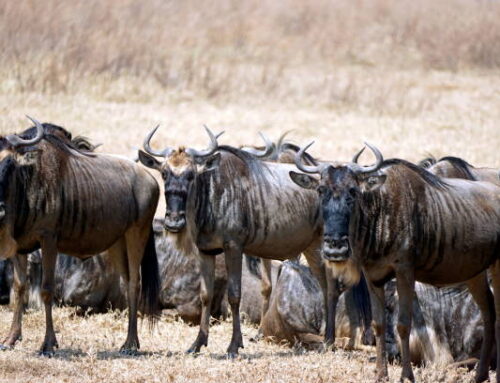
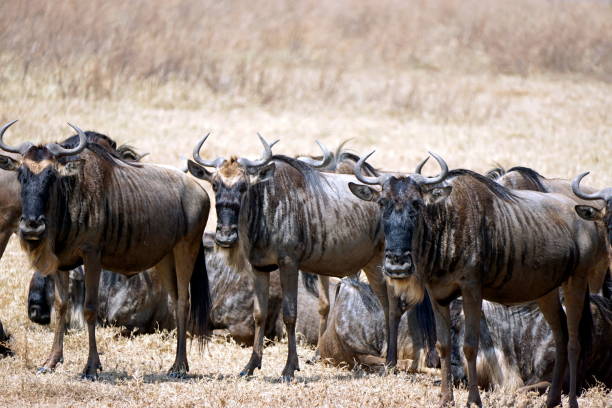
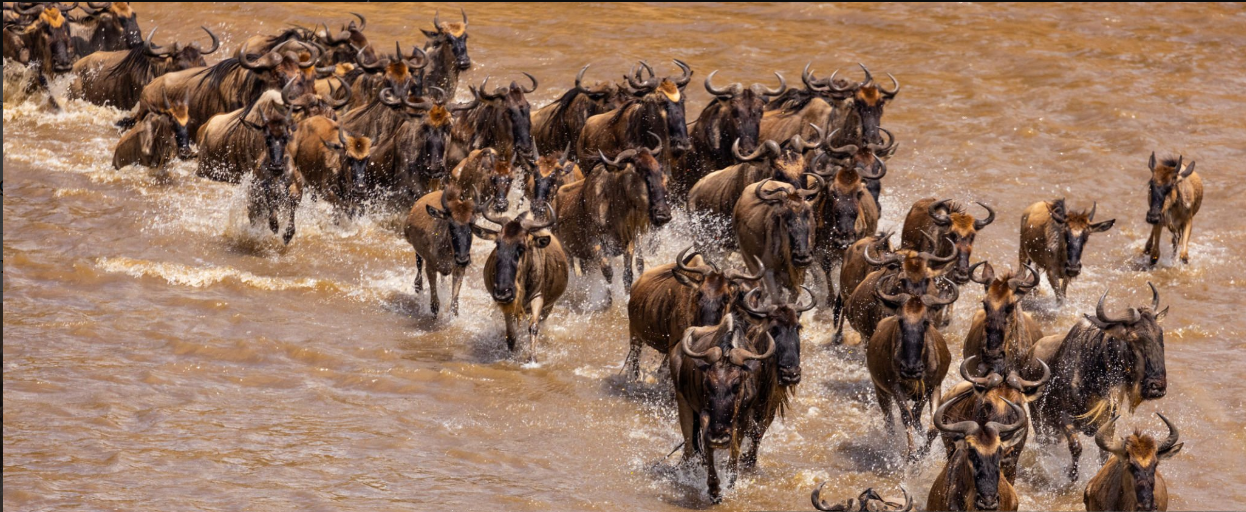
In August to October, The Great Wildebeest Migration is one of the most spectacular wildlife events on Earth, drawing thousands of travelers to Tanzania and Kenya each year. Over 1.5 million wildebeest, accompanied by hundreds of thousands of zebras, gazelles, and other herbivores, traverse the Serengeti-Mara ecosystem in a continuous cycle driven by rainfall and the search for fresh grazing grounds.
For those planning to witness this awe-inspiring phenomenon, timing is everything. The migration is a year-round event, but certain months offer better opportunities for witnessing dramatic river crossings, predator action, and vast herds on the move. This article explores the best times to see the wildebeest migration in Tanzania, month by month, and provides essential tips for planning your safari.
Understanding the Wildebeest Migration Cycle in August to October
The migration follows a roughly circular route through Tanzania’s Serengeti National Park and Kenya’s Maasai Mara. The movement is dictated by seasonal rains, which stimulate grass growth. While the general pattern is predictable, exact timing can vary yearly due to changing weather conditions.
Here’s a breakdown of the migration’s key phases:
-
December – March (Calving Season in the Southern Serengeti & Ngorongoro)
-
April – May (Movement to the Western & Central Serengeti)
-
June – July (Grumeti River Crossings)
-
August – October (Mara River Crossings into Kenya)
-
November (Return to the Southern Serengeti)
Now, let’s explore the best months to visit Tanzania for the migration.
Best Months to See the Wildebeest Migration in Tanzania are August to October
1. December – March: Calving Season in the Southern Serengeti
-
Highlights: Birth of thousands of wildebeest calves, predator action, lush green plains.
-
Best for: Photography, seeing newborns, fewer crowds.
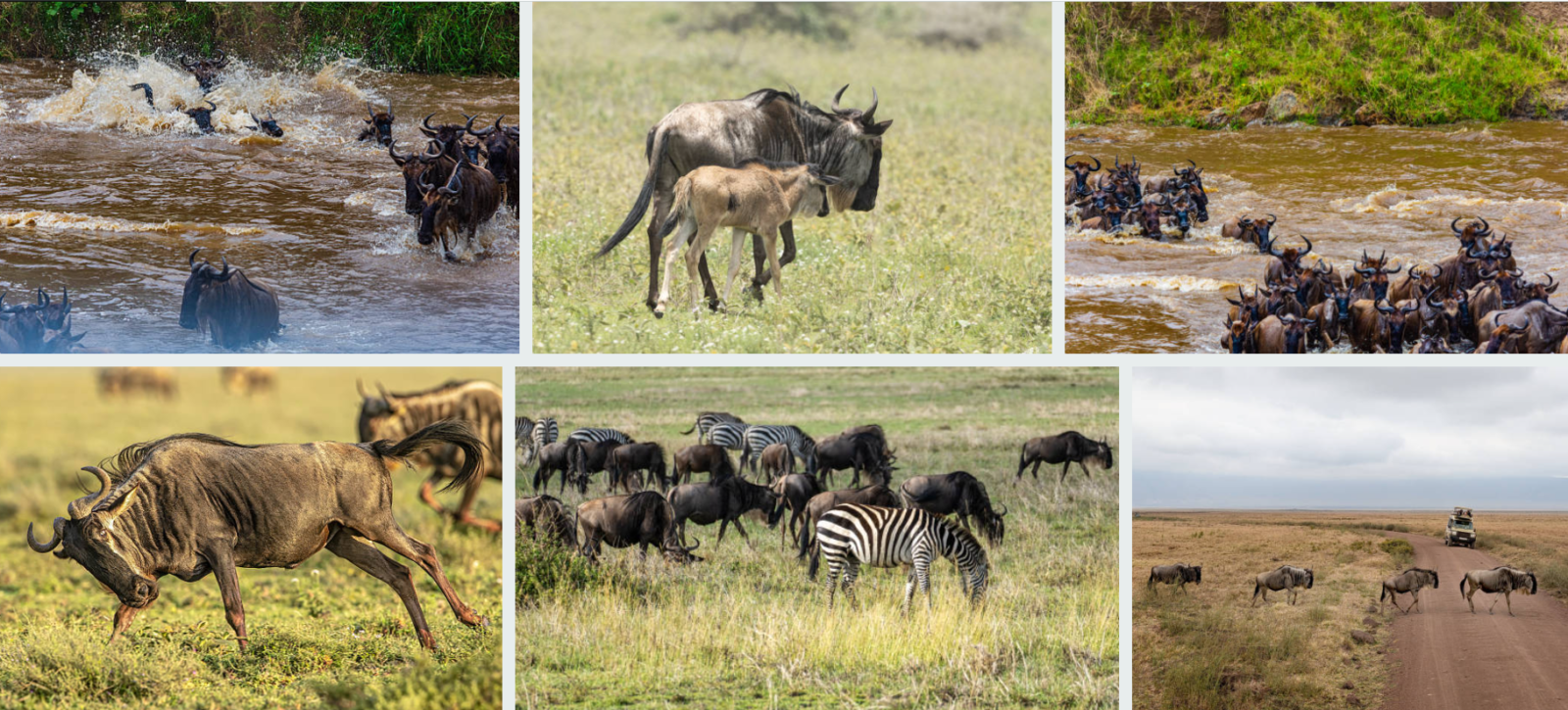
During these months, the herds congregate in the nutrient-rich plains of the Southern Serengeti (Ndutu area) and the Ngorongoro Conservation Area. This is the calving season, where over 500,000 wildebeest calves are born within a few weeks, attracting lions, cheetahs, and hyenas.
Why visit now?
-
Spectacular predator-prey interactions.
-
Fewer tourists compared to peak river-crossing months.
-
Excellent for photography with dramatic skies and golden light.
Where to stay: Lodges and tented camps in Ndutu or the Southern Serengeti.
2. April – May: The Long Rain Season & Movement to Central Serengeti
-
Highlights: Herds moving northwest, fewer tourists, lush landscapes.
-
Best for: Budget travelers, green season safaris.
April and May are Tanzania’s long rainy season, making some roads muddy and challenging. However, this is when the wildebeest begin their journey toward the Western Serengeti.
Why visit now?
-
Lower prices on accommodations and safaris.
-
Fewer vehicles, offering a more exclusive experience.
-
Beautiful green scenery and migratory birds.
Downside: Heavy rains may disrupt travel plans.
Where to stay: Central Serengeti camps like Seronera.
3. June – July: Grumeti River Crossings (Western Serengeti)
-
Highlights: First major river crossings, crocodile attacks, dense herds.
-
Best for: Early river action before peak season.
By June, the herds reach the Western Corridor and face the Grumeti River, where crocodiles lie in wait. While not as famous as the Mara River crossings, these can be equally dramatic.
Why visit now?
-
Good chance of seeing river crossings without the crowds of August-September.
-
Cooler temperatures and clear skies.
Where to stay: Luxury lodges in the Western Serengeti (e.g., Grumeti Serengeti River Lodge).
4. August – October: Mara River Crossings (Northern Serengeti)
-
Highlights: The most dramatic river crossings, high predator activity.
-
Best for: The ultimate migration experience.
This is peak season for the migration, as the wildebeest attempt dangerous crossings of the Mara River into Kenya’s Maasai Mara. The sight of thousands of animals plunging into crocodile-infested waters is unforgettable.
Why visit now?
-
The most iconic river crossings.
-
High chances of seeing lions and crocodiles hunting.
-
Dry season means excellent game viewing.
Downside: High tourist numbers and premium prices.
Where to stay: Northern Serengeti camps (e.g., Sayari Camp, Lamai Serengeti).
5. November: The Return to the Southern Serengeti
-
Highlights: Herds moving back south, short rains, fewer tourists.
-
Best for: A quieter safari experience.
As the short rains begin, the herds start their journey back to the Southern Serengeti. While not as dramatic as river crossings, this period offers great wildlife viewing with fewer crowds.
Why visit now?
-
Lower prices compared to peak season.
-
Still good chances to see large herds.
-
Beautiful landscapes with scattered storms.
Where to stay: Central or Southern Serengeti camps.
Factors That Influence the Best Time to Visit in August to October
While the above timeline is a general guide, nature doesn’t follow a strict schedule. Factors that can affect migration timing include:
-
Rainfall Patterns – Unpredictable rains can speed up or delay movements.
-
Human Activity – Roads, settlements, and tourism can sometimes alter migration paths.
-
Predator Movements – Lions and hyenas may force herds to change direction.
For the best experience, consult with local safari experts before booking.
Tips for Planning Your Wildebeest Migration Safari
-
Book Early – Prime months (July-October) sell out fast.
-
Choose the Right Location – Pick lodges near the herds’ expected location.
-
Hire a Knowledgeable Guide – They track daily movements for the best sightings.
-
Bring the Right Gear – Binoculars, a good camera, and layered clothing.
-
Combine with Other Parks – Add Ngorongoro Crater or Tarangire for a fuller experience.
When is the Absolute Best Time?
If you want drama, August-September (Mara River crossings) is unbeatable. For intimate wildlife encounters, January-March (calving season) is ideal. Budget travelers may prefer April-May or November for lower prices.
Ultimately, there’s no “bad” time—just different experiences. Whether you witness a river crossing, a predator hunt, or the birth of a wildebeest calf, the Great Migration is a spectacle you’ll never forget.