Can You Go on a Walking Safari in Ruaha National Park?
A Foot-First Adventure through Tanzania’s Largest Wilderness with Great Migration Adventure
Ruaha National Park stands as Tanzania’s largest protected wilderness—a vast, remote canvas stretching over 20,000 km². It is a place where walking safaris are not just permitted—they are encouraged. At Great Migration Adventure, walking safaris in Ruaha offer immersive, transformative experiences that go beyond the vehicle window: you explore with senses, intuition, and pace rooted in the land itself.
Yes—you absolutely can enjoy expert-led walking safaris in Ruaha National Park—guided hikes through sand rivers, kopjes, baobabs, and wide plains alive with wildlife. And with us, you should.
1. Why Ruaha Is a Walking Safari Paradise
-
Vast, uncrowded wilderness: With fewer than 25,000 visitors annually, Ruaha remains wild, remote, and remarkably quiet—a perfect environment for walking safaris.
-
Walking is encouraged: Unlike many parks, Ruaha’s terrain, wildlife density, and management support guided walking safaris as essential experiences through scrub, river corridors, and bushlands.
-
Diversity on foot: From baobab-studded plains to kopjes and seasonal dry riverbeds, walking reveals the rhythms of wildlife and landscape hidden beneath everyday surface.
2. The Types of Walking Safaris Available
A. Short Guided Bush Walks
Offered from select camps like Kigelia Ruaha or Jongomero, these 1–3hour walks share close insights into birdlife, plant ecology, wildlife spoor and bird calls. Ideal as an introductory complement to a game drive.
B. Multi-Day Expedition Walks
Led by providers like Nomad Tanzania’s Expeditionary Walking Camp or Kichaka Expeditions, these walking safaris span 3 to 7 nights. You hike between mobile camps sited along seasonal rivers and hills, with evenings spent under stars and days tracking wildlife on foot.
C. Walking + Vehicle Hybrid Safaris
Ideal for those wanting to balance on-foot immersion with game drive flexibility. Operators such as Kichaka design itineraries that combine walking days with vehicle support, letting you go deep into the landscape but also cover territory and wildlife wider.
3. What You Experience When Walking in Ruaha
Landscapes to Remember
Imagine trekking beneath massive ancient baobab trees, crossing sandy riverbeds of the Great Ruaha, cresting granite kopjes with wind-scoured views, and entering woodlands splashed with wildflowers. Each step reveals textures, patterns, and life not captured from a vehicle.
Wildlife Up Close
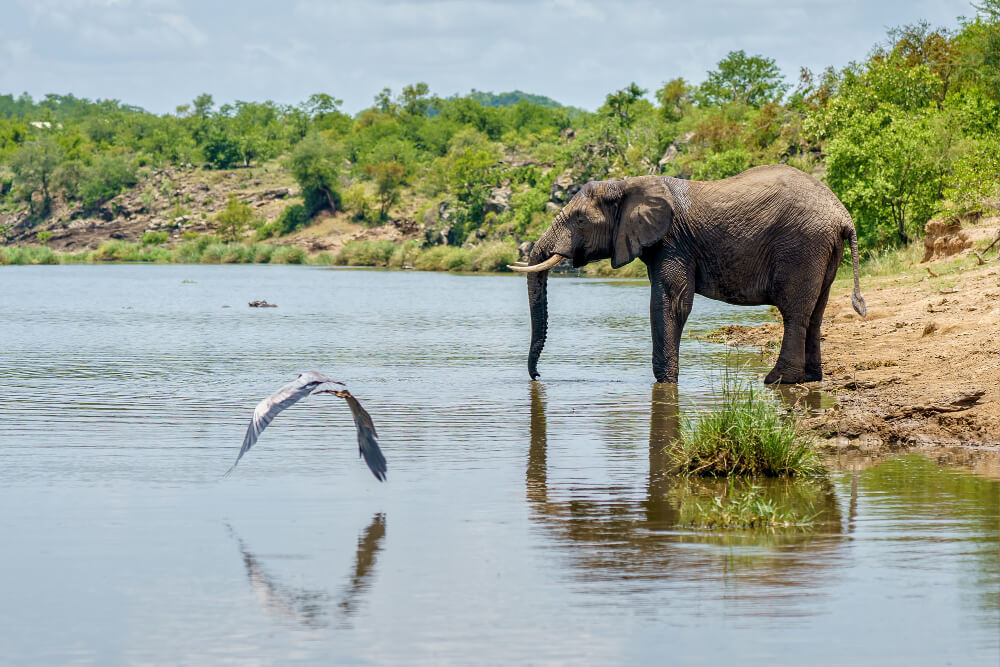
Walking safaris allow encounters with territorial warthog, grazing buffalo, inquisitive giraffes, and predators tracked via fresh footmarks. With expert trackers and ranger-escorted walks, you can observe elephants from safe vantage, scan for leopard calls, and learn animal tracking techniques first-hand.
Sharpening Senses
Walking demands quiet attention—to rustling grass, bird calls, spoor, scent, and shadow. You may spot colourful birds like the ashy starling or African hawk eagle perched above, or small mammals rustling in leaf litter.
Night & Camp Rituals
Expeditionary camps provide simple but essential comfort: dome tents, bucket showers, meals over open fires, and stargazing under Ruaha’s famously clear skies. Guides share stories, wildlife updates, and welcome nocturnal creatures in spotlight-lit night walks.
4. Sample 5‑Day “Walk Ruaha” Safari Itinerary
Day 1 – Arrival & Introductory Walk
Arrive at Msembe or Jongomero airstrip, transfer to camp. Afternoon walk along riverbanks, learning about tracks and birds, ending at camp for dusky views.
Day 2 – Full-Day Walking Exploration
Begin from camp with a midday walk toward baobab plains and kopjes—lunch en route—and return via wildlife sign-lined paths, guided by lead tracker.
Day 3 – Expedition Section Begins
Move to Expeditionary Walking Camp. Break camp and walk to new remote zone, crossing dry river channels, locating small game, and arriving at next mobile camp by evening.
Day 4 – Ranger-Led Walking & Wildlife Tracking
Visit fresh elephant or wild dog tracks, explore kopje vantage points, and share evening stories by campfire. Overnight in the wild with sleeping under the stars.
Day 5 – Morning Walk & Departure
Early walk toward open grassland for sunrise views. Return to camp, eat breakfast, transfer out by vehicle or light aircraft.
Optional extensions include a combination walking-and-driving route, or switching camps to include lookout game drive in Mwagusi valley.
5. Practical Planning & Tips
Best Season
-
Dry season (June–October) offers clear trails, predictable wildlife congregations by the Great Ruaha River, and lower malaria risk.
-
Green season (November–April) brings lush vegetation and bird migration, but walking routes can be muddy—expedition camps usually operate only in dry months.
Walking Safari Gear
Essentials include sturdy hiking boots, neutral-colored clothing (khaki, brown), insect repellent, sun protection, binoculars, rain jackets (if early/late in season), water, snacks, and basic first-aid.
Safety Protocols
Walking safaris happen within ranger escort and professional guiding at all times. Routes avoid deep forest with big predators, rely on vehicle backup, and maintain awareness of terrain and weather.
Camp & Booking Logistics
-
Expeditionary Walking Camp Ruaha operates mid-July to October; camps move seasonally. Pricing typically around USD 1100–1550 per person per night, often on shared group basis.
-
Kichaka Expeditions offers customizable 3 to 7-night walking safaris in remote areas of Ruaha with minimal comfort lodges but maximum wilderness immersion.
6. Wildlife & Conservation Highlights
Ruaha is celebrated for:
-
The largest elephant population in Tanzania
-
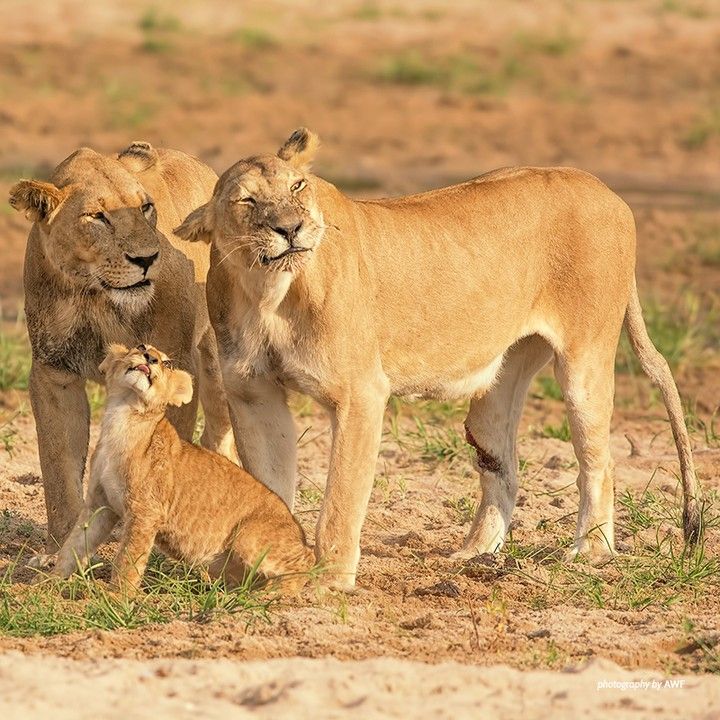
One of Africa’s highest densities of lions
-
Endangered wild dog packs
-
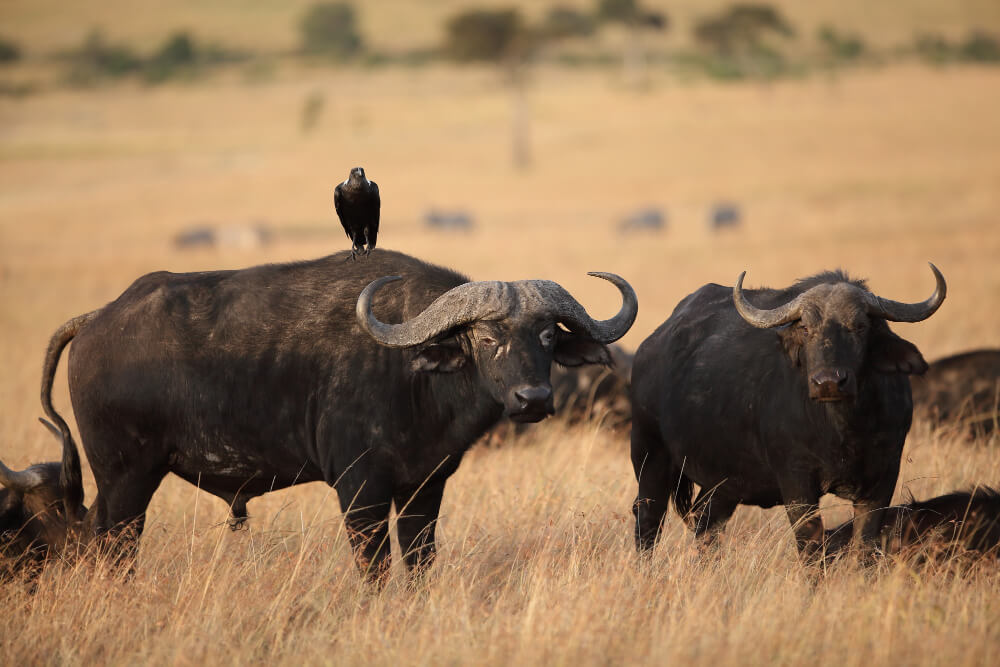
Buffalo herds up to 500 strong near major feeding zones
-
Over 450–570 bird species including rare starlings and ground hornbills
-
Diverse habitat from rivers to baobab plains and rocky kopjes.
Walking safaris help guests appreciate ecological layers: diversity of plant species, birdlife accessible only on foot, and intimate predator-prey interactions traced through the ground.
7. Frequently Asked Questions
Are walking safaris in Ruaha risky?
No—operated under strict safety protocols with ranger escorts and trained trackers. Routes are chosen for safety and wildlife behavior.
How fit must I be?
Moderate fitness is required; walks range from 2–6 hours per day. Multi-day expedition walking requires comfort with long in-saddle days carrying light gear.
Is wildlife actually seen on foot?
Absolutely—walking gives closer access to small game, tracks, birds, elephants, and predator signs. Vehicle backup ensures safety and support.
Are these experiences suitable for families?
Short guided walks are suitable for children. Longer expeditions are better suited for teens and adults capable of walking several hours per day.
8. Why Choose Great Migration Adventure for Walking Safari in Ruaha
-
Tailored itineraries matching pace, durations, and camping preferences
-
Expert guides with decades of Ruaha walking experience
-
Integrated cultural and wildlife themes, with Maasai or local guides sharing land stewardship stories
-
Low-impact philosophy, supporting conservation and community empowerment
-
Flexible safari packages, allowing overnight on foot, game drives, stargazing, and photography tours
We handle everything—from permits to logistics—so your walking safari is seamless and deeply rewarding.
9. Final Reflections: Walking Ruaha Becomes an Act of Belonging
Walking safari in Ruaha is not just an activity—it’s engagement. Every step brings you closer to local life, fragile ecosystems, hidden ecology, and the art of silence in wild. You walk through cat pawprints, beneath ancient baobabs, across sunlit kopjes and beside silent rivers. Each day closes with stars overhead and distance wildlife calls echoing in the night.
Ruaha’s quiet grandeur deserves to be discovered on foot. With Great Migration Adventure, that discovery is safe, meaningful, and unforgettable. Let us lead you into the heart of Ruaha—the one place where walking safari still feels wild, authentic, and deeply alive.