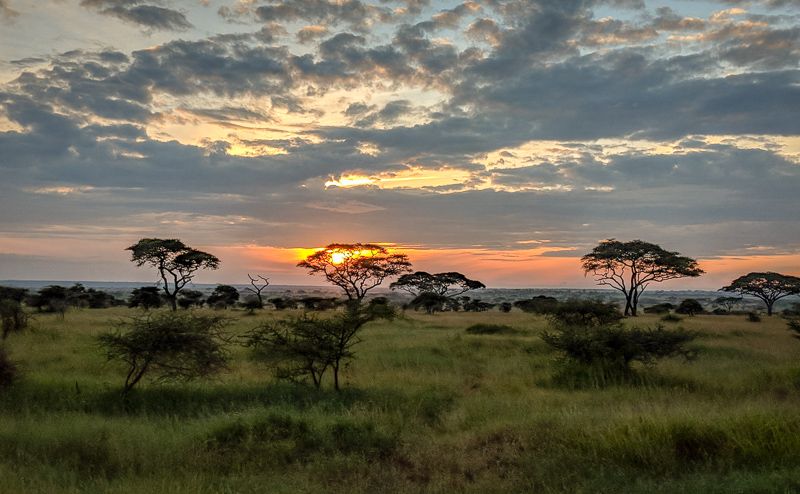
Are There Stargazing Tours in Serengeti?
Celestial Safari Nights with Great Migration Adventure
The Serengeti is renowned for its vast wildlife spectacles by day, but when the sun sets, a different kind of wonder unfolds above: incredibly clear, unpolluted skies filled with stars, galaxies, and constellations visible with dazzling clarity. At Great Migration Adventure, we believe that the African night sky is the ultimate finale to a safari day. So yes—you can enjoy expertly guided stargazing tours in the Serengeti, and if you’re looking for magic after dark, you should.
1. Why Serengeti Is Ideal for Stargazing
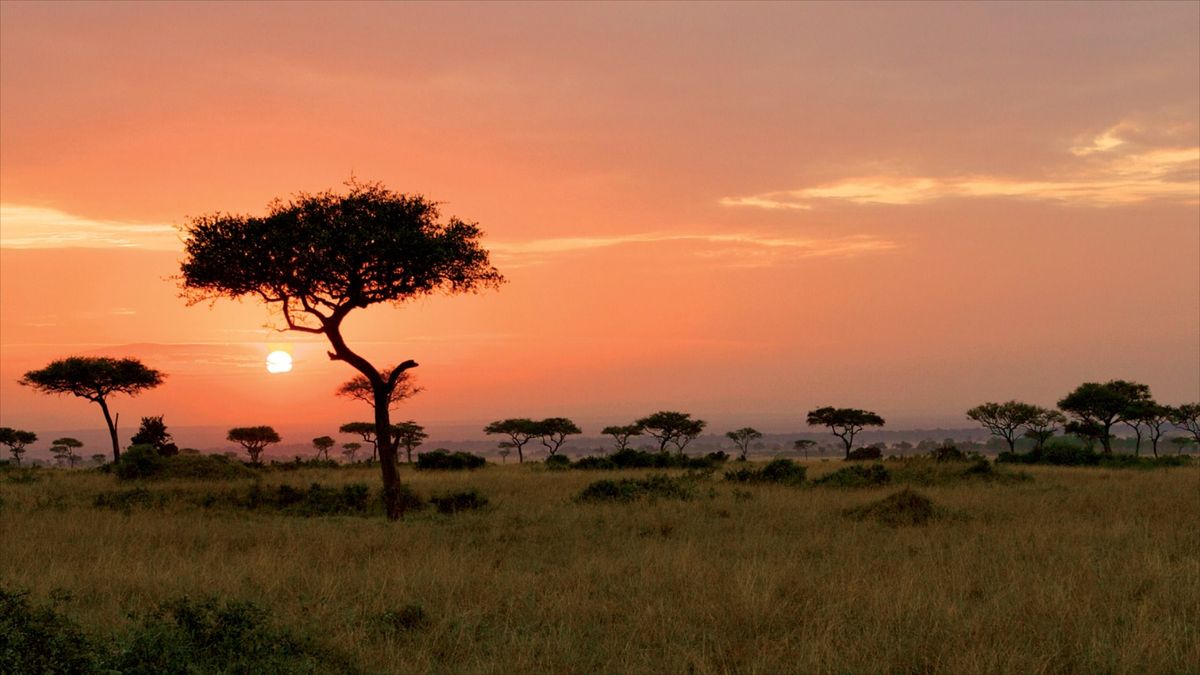
Sundowner in Serengeti
-
Minimal light pollution: With no cities, paved roads, or artificial lights in the wild interior, Serengeti offers pitch-black skies perfectly suited for star-gazing.
-
High southern latitude visibility: Observers can view constellations exclusive to the Southern Hemisphere—like the Southern Cross and Alpha Centauri—alongside the vivid Milky Way, stretching in bold clarity overhead.
-
Dry-season clarity: From June through October, and also in December–February, skies are almost always crystal clear, ideal for astronomical observation. Moonless nights are especially spectacular.
2. What a Serengeti Stargazing Tour Looks Like
Guided Star Talks at Camps
Luxury camps like Kikoti Camp, Sayari Camp, Lemala Kuria Hills, and Serengeti Serena Lodge often host evening stargazing sessions, where guides use green laser pointers and telescopes to point out constellations, planets, and meteors as they emerge in the southern sky.
Astronomer-Led Sky Safaris
Specialized tours at spots like Olakira Mobile Camp’s mesh-roof tents or the Astral Observatory at One Nature Nyaruswiga offer immersive astronomy experiences. Experts guide guests through star clusters, the Milky Way’s center, and galaxies visible overhead like cosmic storytellers under the stars.
Campfire & Rooftop Experiences
Imagine sipping coffee by a campfire or lying on a rooftop deck, watching Jupiter, Mars, and shooting stars crossing the horizon while lions and hyenas call nearby—creating an intimate fusion of wildlife and celestial energies.
3. Celestial Highlights You Can Expect
-
Milky Way Galaxy: Arcing overhead with shimmering density, especially visible during dry seasons.
-
Southern Cross & Alpha Centauri: Never dipping below the horizon and vivid over Serengeti plains.
-
Planets & Meteor Showers: Jupiter and Saturn are easily visible; during meteor events, streaking meteors cut across treetop horizons.
-
Seasonal Variations: Orion, Scorpio, Canis Major, and shooting stars depending on month and moon phase.
4. Sample “Starry Serengeti” Itinerary
Day 1 – Arrival & Sky Orientation
Arrive at your camp overlooking the Serengeti plains. After dinner, settle on an open viewing platform for your first star session. Guides introduce the sky map and symbolism of constellations.
Day 2 – Game Drive & Stargazing Night
Enjoy a midday game drive and return before sunset. Following dinner, join a deeper astronomy talk or telescope viewing with explanations of galaxies, star formation, and local mythology.
Day 3 – Night Walk with Star Watch
Some camps offer night walks (accompanied by armed guides) to reach darker vantage points. After spotting nocturnal wildlife, return to a campfire for relaxed celestial viewing under a pristine dark sky.
Day 4 – Twilight Sky & Departure
Over coffee at dawn, step outside as the last stars fade and the first light touches the plains—an unforgettable segue from cosmic to safari awakening.
5. Tips for the Best Stargazing Experience
-
Visit during a new moon: Plan your stay around moonless nights for the darkest skies and brightest views.
-
Dress warmly: Nights can be chilly, so wear layers—even in dry season.
-
Use red torch lights: Prevents glare and preserves night vision.
-
Bring binoculars or smartphone astronomy apps: Apps like Stellarium help you trace constellations as guides point them out.
-
Follow lodge protocols: Many camps host guests with minimal light and noise; camps like Sayari, Serena, or Kati Kati often offer blankets, telescopes, and lounge areas dedicated to sky watching.
6. Wildlife & Celestial Harmony
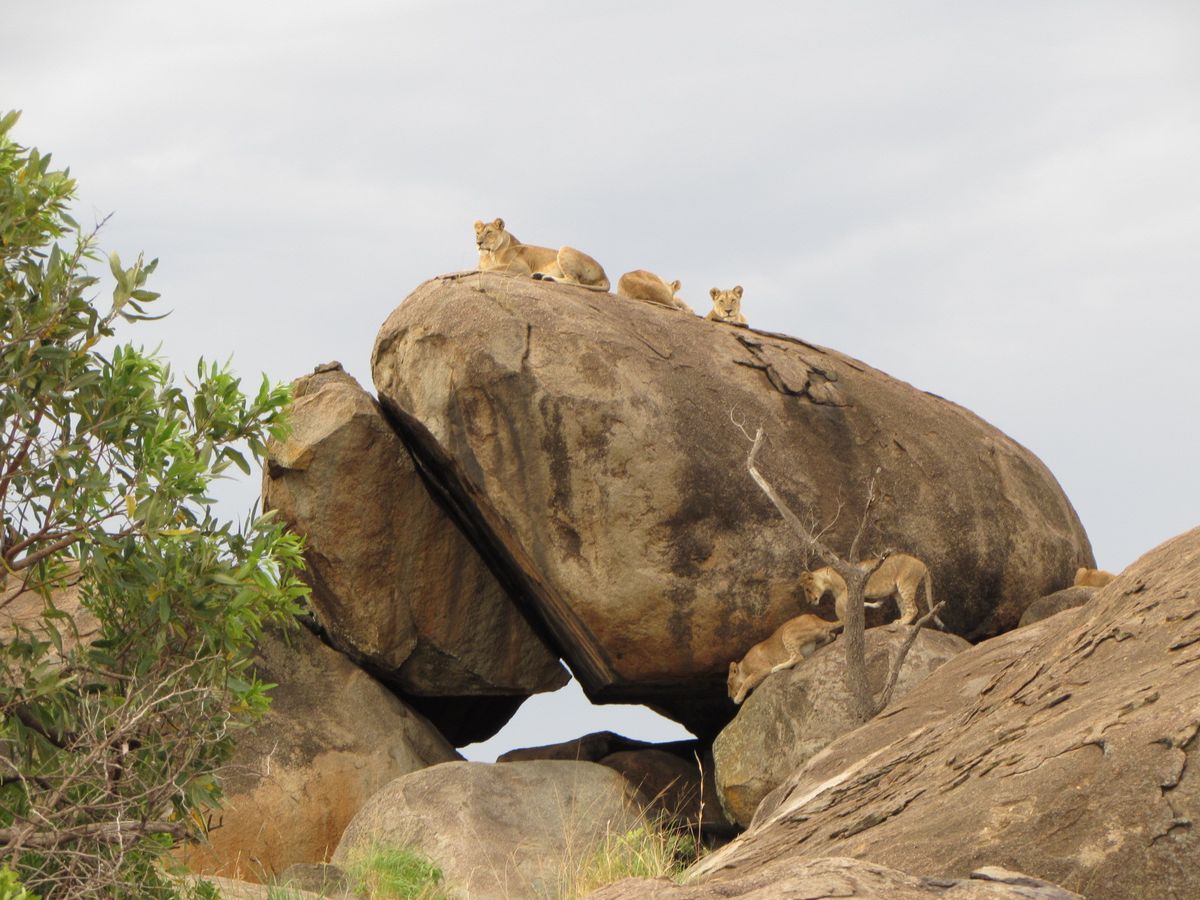
Serengeti evenings unfold on dual stages: terrestrial and celestial.
-
You may hear lions roaring at a distance, hyenas chortling, or night congregations of hippos near rivers at the same moment you spot the Milky Way shimmering above.
-
This blend of wildlife chorus and cosmic vastness evokes a visceral awareness that wilderness and universe are intertwined—an unforgettable sensory tapestry curated by Great Migration Adventure.
7. Best Locations & Lodges for Stargazing
-
Sayari Camp (Northern Serengeti): Remote and dark skies with open decks for panoramic viewing.
-
Kikoti Camp: Rustic camp with minimal artificial lighting and telescopes on-site.
-
Four Seasons Safari Lodge Serengeti: Luxurious setting with guided astronomy sessions and rooftop viewing decks.
-
Serengeti Migration Camp: Tented, mobile camp with interactive stargazing around campfire.
-
Olakira Mobile Camp & One Nature Astral Observatory: Unique mesh-roof tents and astronomical observatory structure for immersive sky viewing .
8. Safety & Conduct for Night Activities
-
Night walks require guides: Serengeti’s wildlife includes predators; only guided activities are permitted for after-dark excursions.
-
Flashlight protocols: Use dim red-tinted torches and avoid shining lights at wildlife or the sky directly.
-
Respect lodge rules: Lighting, noise, and open-roof tenting are managed carefully to minimize disturbance.
-
Guided sessions ensure educational value: Participants gain greater insight into southern constellations and Maasai sky stories.
9. Frequently Asked Questions
Do I need to be an astronomer?
No. Most guided sessions are tailored to all levels, with easy-to-understand storytelling and shared reference tools or telescope support.
Are stargazing tours included or extra?
Often included as evening camp activities in mid-to-luxury lodges. Private or dedicated astronomy events may carry a separate fee.
When’s the best time of year?
The dry season (June–October, December–February) offers best viewing conditions. New moon dates maximize visibility.
Can children participate?
Yes—most families enjoy stargazing together. Many camps provide blankets and kid-friendly commentary.
10. Why Great Migration Adventure Elevates Stargazing
At Great Migration Adventure, we don’t just arrange stargazing—we craft nightly rituals under Serengeti skies:
-
Custom itineraries aligned to lunar calendar and weather forecasts
-
Partnerships with camps that prioritize dark sky ethics and astronomy programming
-
Integration of Maasai cosmology—exploring the folklore and mythologies tied to constellations and navigation
-
Contrast experiences: from mid‑plains astronomy decks to quiet night‑drive pull‑outs stargazing on the Serengeti flat
Your safari becomes both terrestrial and cosmic—a dual narrative of migration and constellations.
Final Reflections: Nightfall as an Adventure
Yes—you can absolutely visit Serengeti with stargazing tours, and when done well, the experience becomes a spiritual coda to your safari day. The night sky here is not a backdrop; it’s a living theater where galaxies spin, constellations guide, and shooting stars inspire.
Allow Great Migration Adventure to lead you beneath Serengeti’s pure darkness, where the Milky Way glows overhead, campfires crackle below, and you feel both infinitesimal and infinitely alive.
Ready to book your Serengeti celestial safari?
Contact Great Migration Adventure today, and let us plan your night under the stars—blending wildlife, luxury, and cosmic wonder in one unforgettable safari journey.