Are There Language Barriers on Safaris?
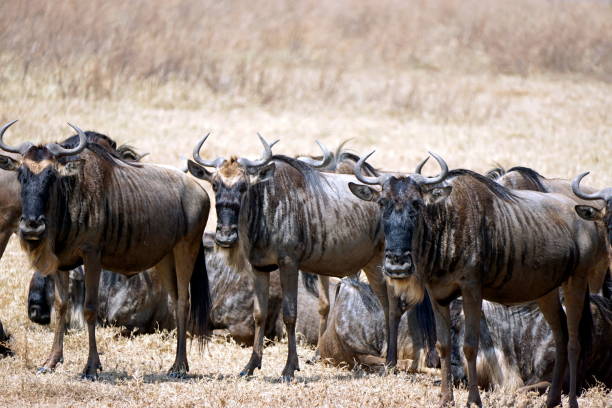
Safaris are one of the most immersive and transformative travel experiences on the planet. Whether you’re tracking mountain gorillas in Uganda, watching wildebeests thunder across the Serengeti, or listening to the haunting call of hyenas under an African sky, the experience is exhilarating. But if you’re planning your first safari with Great Migration Adventure or simply heading to a new destination, one of the most common concerns you might have is: Will I face language barriers on safari?
In this guide, we’ll explore the languages spoken across popular safari destinations in East Africa, how tour operators bridge any gaps, and what you can do to feel more confident and connected during your wildlife adventure.
1. English as the Lingua Franca in Safari Tourism
Most safari destinations across East Africa — Kenya, Tanzania, Uganda, Rwanda, and even parts of the Democratic Republic of Congo — recognize the importance of tourism to their economies. As such, English has become the de facto language for safari communication.
In countries like Kenya and Uganda, English is not only widely spoken but also serves as one of the official languages. Most guides, lodge staff, park rangers, and drivers receive formal training in English and are accustomed to working with international guests. Tanzania also has a strong English-speaking tourism sector, despite Kiswahili being the national language.
When you book your trip with Great Migration Adventure, rest assured that your guide and on-the-ground staff will communicate in clear English, eliminating any major language barrier concerns.
2. Regional Languages Across Safari Destinations
Let’s break it down by country to understand what languages you may encounter:
Kenya
-
Official languages: English and Kiswahili
-
Common safari languages: English, Kiswahili, Maa (spoken by the Maasai)
-
In rural areas and Maasai villages, locals may speak Maa, but your guide will often interpret.
Tanzania
-
National language: Kiswahili
-
Tourism language: English
-
Safari professionals are fluent in English, but knowing a few Swahili words can enhance your experience.
Uganda
-
Official languages: English and Swahili
-
Widely spoken: Luganda and other regional dialects
-
Gorilla trekking guides and lodge staff are trained to speak English.
Rwanda
-
Official languages: English, French, Kinyarwanda
-
Since Rwanda transitioned to English as the main language of instruction, English is widely used in tourism.
DR Congo (Virunga region)
-
Languages: French, Swahili, Lingala
-
Guides in national parks such as Virunga speak English well, especially for gorilla treks.
3. The Role of Guides and Translators
At Great Migration Adventure, we handpick our guides for their communication skills as much as for their wildlife expertise. In fact, we consider them cultural ambassadors — connecting you with wildlife, local traditions, and communities.
Whether you’re visiting a Maasai village, going on a game drive, or embarking on a gorilla habituation trek, your guide ensures smooth communication.
In some cases, like visiting local craft markets or attending cultural ceremonies, you might meet locals who speak little or no English. But don’t worry — your guide will interpret and explain, adding context and meaning to every interaction.
4. Cultural Communication Beyond Words
Even when language differs, non-verbal communication plays a huge role in safari experiences. Smiles, gestures, tone of voice, and shared awe transcend spoken language.
For instance:
-
A shared moment while spotting a leopard up a tree doesn’t need many words.
-
A child waving from a roadside village will melt your heart whether they shout “hello” or “jambo!”
-
Dancing with community members during a village visit is more about rhythm than vocabulary.
Being open and respectful goes a long way, even if you can’t understand every word.
5. Learning a Few Local Phrases
Learning a few Swahili or local phrases can add color and connection to your safari. Here are some commonly used Swahili words:
-
Jambo – Hello
-
Asante – Thank you
-
Karibu – Welcome
-
Pole pole – Slowly (used often on treks)
-
Hakuna matata – No worries
-
Simba – Lion
-
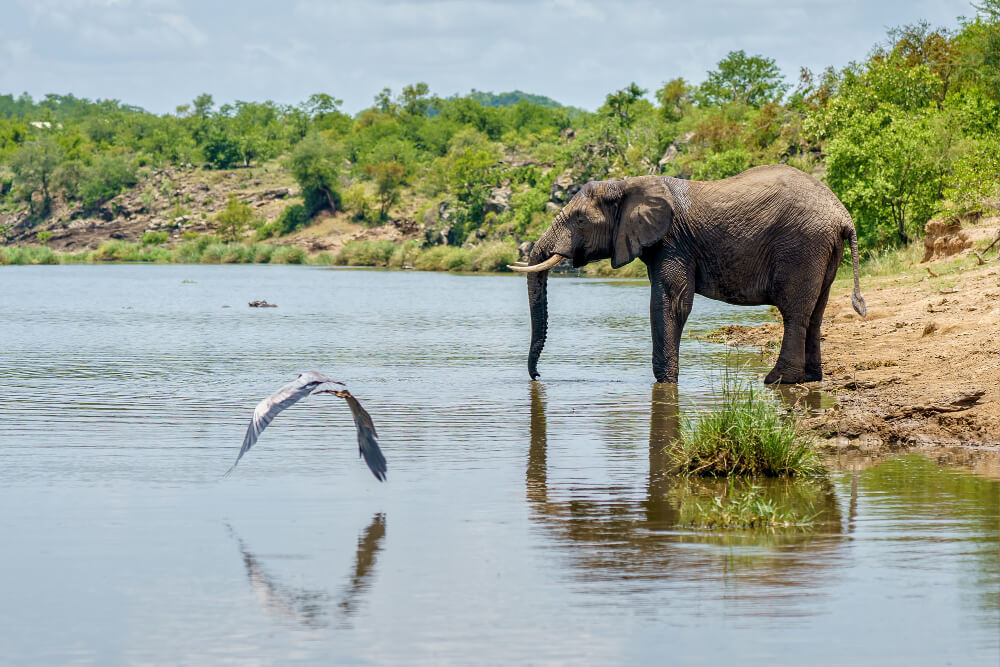
Tembo – Elephant
Not only will this charm your hosts, but it also helps you feel more immersed in the culture.
At Great Migration Adventure, we sometimes offer basic language sessions on the first day of your safari. These are fun, interactive, and geared toward enhancing your confidence while traveling.
6. Language During Lodge Stays and Camps
The hospitality industry in East Africa is incredibly accommodating. Staff at lodges and camps — whether luxury or budget — are trained in customer service and guest communication.
Menus, welcome notes, activity briefings, and safety instructions are always in English. If you speak a language other than English (such as German, French, Spanish, or Italian), some upmarket lodges will do their best to provide interpreters or staff members who speak your language — especially with advance notice.
Still, English remains the primary language, and you’ll rarely encounter any confusion regarding check-in, meal times, or safari schedules.
7. Travel Signage and Documentation
Traveling in unfamiliar terrain is easier when signage is clear — and in most East African parks, it is.
-
Airport signs, customs forms, entry permits, and visa documentation are all in English.
-
Park entrance signs, rules, and trail maps are also printed in English.
-
Your travel itinerary, briefings, and emergency contacts are all provided in English when booking with Great Migration Adventure.
We also supply printed materials and contact cards with important phrases translated into local languages, just in case you want to engage more directly during your trip.
8. Special Language Requests
If you or a member of your group prefers communication in a language other than English, it’s possible to request:
-
French-speaking guides
-
German-speaking staff
-
Spanish or Italian interpreters
We at Great Migration Adventure can arrange these services with advance notice, particularly for private safaris and family tours. We want your safari to be as seamless and enjoyable as possible, so don’t hesitate to let us know your preferences.
9. Language in Community Visits
Many of our safaris include authentic community experiences, such as:
-
Visiting a traditional Manyatta in Kenya
-
Joining a Batwa forest walk in Uganda
-
Participating in basket weaving in Rwanda
-
Attending local church or school performances
During these visits, your guide interprets for you, ensuring respectful interaction and mutual understanding. Guests often remark that these moments are among the most touching of their safari.
Even if the language is different, the hospitality, warmth, and authenticity of the people shine through.
10. Safari Group Dynamics and Language
If you’re joining a group safari, it’s natural to wonder about fellow travelers. English is usually the unifying language, especially in multi-national groups.
However, if Great Migration Adventure curates a group safari for travelers from a particular region (like Germany or France), we may assign a guide fluent in that language.
Private safaris offer the most flexibility when it comes to language preferences, so if language is a major concern, that’s your best option.
11. Language and Emergency Situations
In rare cases of medical emergencies or evacuation, rest assured that the emergency response teams speak English fluently.
Whether it’s air evacuation teams, doctors, or rangers, they’re trained to handle international cases and communicate clearly in English. This is especially true in national parks, where coordination with international travel insurers is common.
In addition, our Great Migration Adventure team provides you with 24/7 support, including English-speaking emergency contacts, just in case.
12. Digital Language Assistance
If you’re still concerned about language barriers, consider downloading offline language translation apps such as:
-
Google Translate (with Swahili, Kinyarwanda, or French)
-
SayHi
-
iTranslate
These can help in casual conversations, ordering souvenirs, or asking for directions.
We also provide a mini safari phrasebook in your welcome pack — a Great Migration Adventure exclusive!
So, are there language barriers on safaris?
For the most part, no. East Africa’s safari industry is incredibly international, and English is the bridge that connects travelers to the landscapes, people, and wildlife of this extraordinary region.
With Great Migration Adventure, we ensure that every guide, driver, and staff member you meet is prepared to communicate clearly, assist you thoughtfully, and make your journey unforgettable.
And while local languages add richness to your experience, you’ll never feel lost in translation.