Are There Horseback Safaris Near Mount Kilimanjaro?
Exploring Tanzania on Horseback with Great Migration Adventure
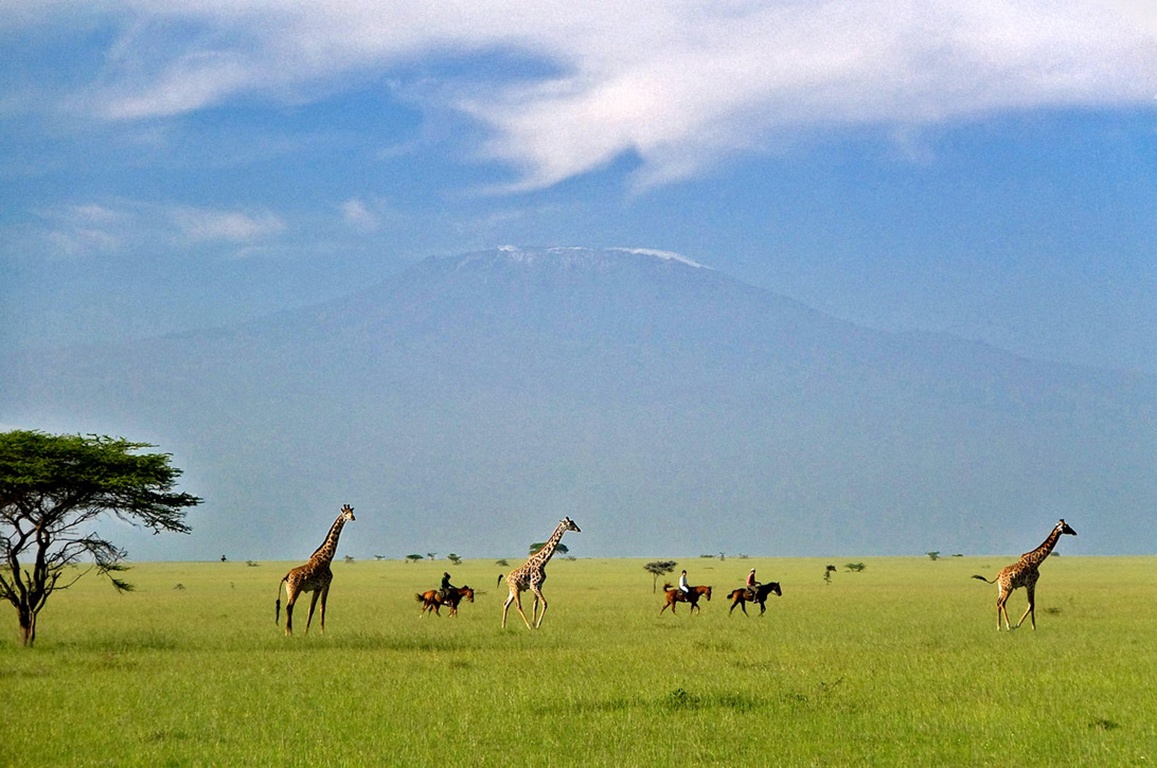
Imagine cantering across open plains, exploring savannah, woodland, and forest—all beneath the iconic silhouette of Mount Kilimanjaro. Picture elephants walking beside you, giraffes grazing ahead, and the crisp highland air carrying echoes of Maasai culture. Welcome to the world of horseback safaris near Kilimanjaro: a blend of equestrian adventure, remote wilderness, and meaningful safari experiences.
At Great Migration Adventure, we believe that seeing Africa on horseback transforms a safari into a journey of connection, pace, and perspective. Yes—you can enjoy horseback safaris near Kilimanjaro—and with us, you should.
1. An Ancient Image: Horseback Exploration Reimagined
Horseback safaris were once the mode of exploration before roads and vehicles. Today they offer an intimate way to traverse Africa’s savannah—quiet, powerful, and close to the land. A well-trained horse becomes an extension of your body, responsive to wildlife and terrain with agility vehicles lack.
Modern horseback safaris around Mount Kilimanjaro preserve that old-world magic—but with expert guides, reliable equipment, and safety practices tailored to today’s explorer.
2. Where the Horses Meet the Shadow of Kilimanjaro
West Kilimanjaro & Arusha National Park Corridor
Bordering Arusha National Park and the West Kilimanjaro region lies a wildlife-rich corridor ideally suited for extended trail rides:
-
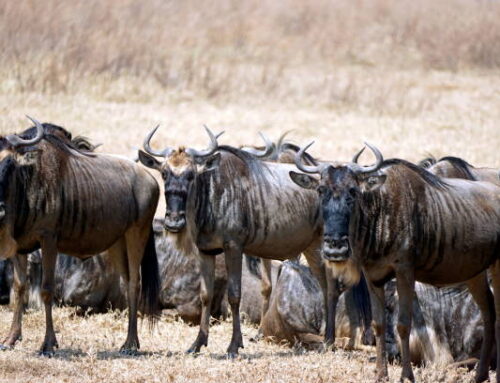
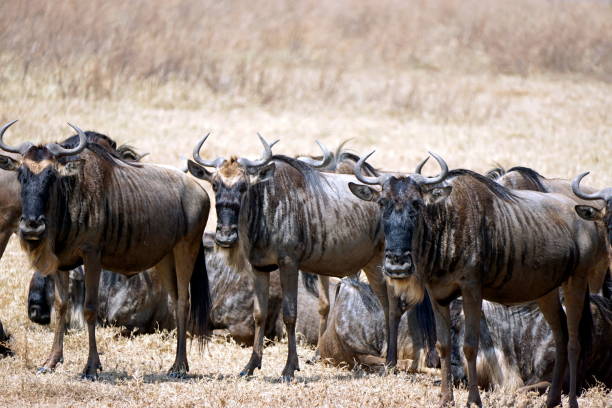
Rolling grasslands where zebras and wildebeest wander
-
Acacia woodland and open plains conducive to managed pacing
-
Ringed by forested slopes up to the montane edge
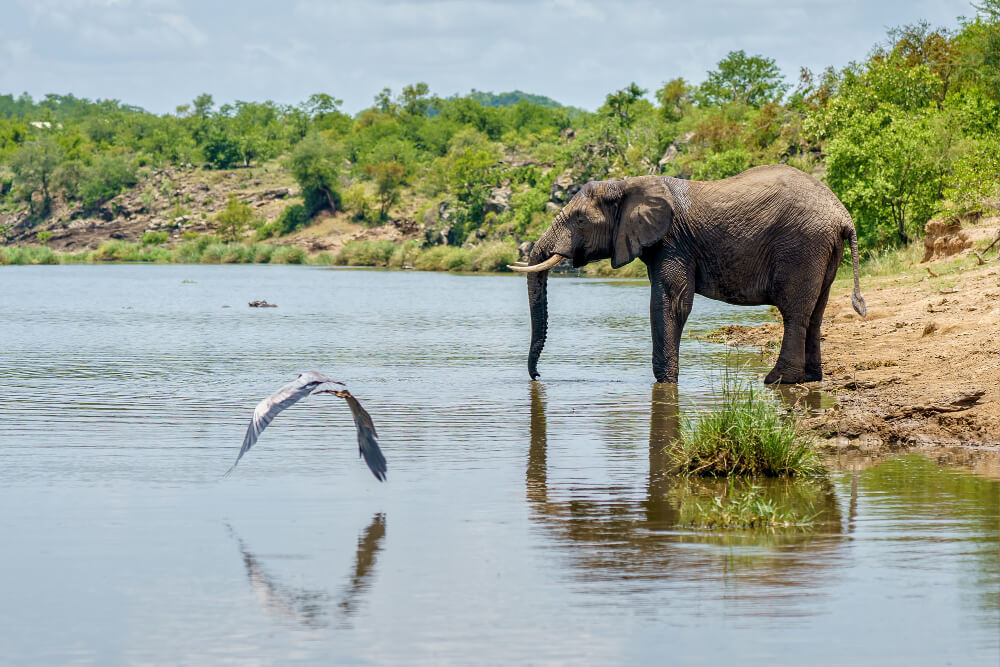
In this zone, horseback guests may encounter giraffes, buffalo, elephants, wildebeest, and even leopards. The views of Kilimanjaro and nearby Meru create an unforgettable backdrop.
Maasai Conservancies and Wildlife Management Areas
Protected but low-impact community lands adjacent to Kilimanjaro—often managed by Maasai communities—host wildlife under responsible horseback itineraries. Here you ride among cattle herds, cross seasonal flood plains, and witness traditional grazing cultures.
Specialized Operators & Trail Options
Operators such as Kaskazi Horse Safaris, Unicorn Trails, and regional riding safaris offer itineraries from 2‑hour rides to multi-day adventures:
-
Day rides in Arusha National Park via forest trails and plains
-
Multi-day mobile-camp safaris that trace routes beneath Kili’s peaks
-
Overnight tent or farm-based expeditions with riding and cultural engagement
These excursions range from beginner-level to advanced six-hour daily rides—the terrain and game influence pace and distance.
3. What You’ll See and How It Feels
Ride with Wildlife
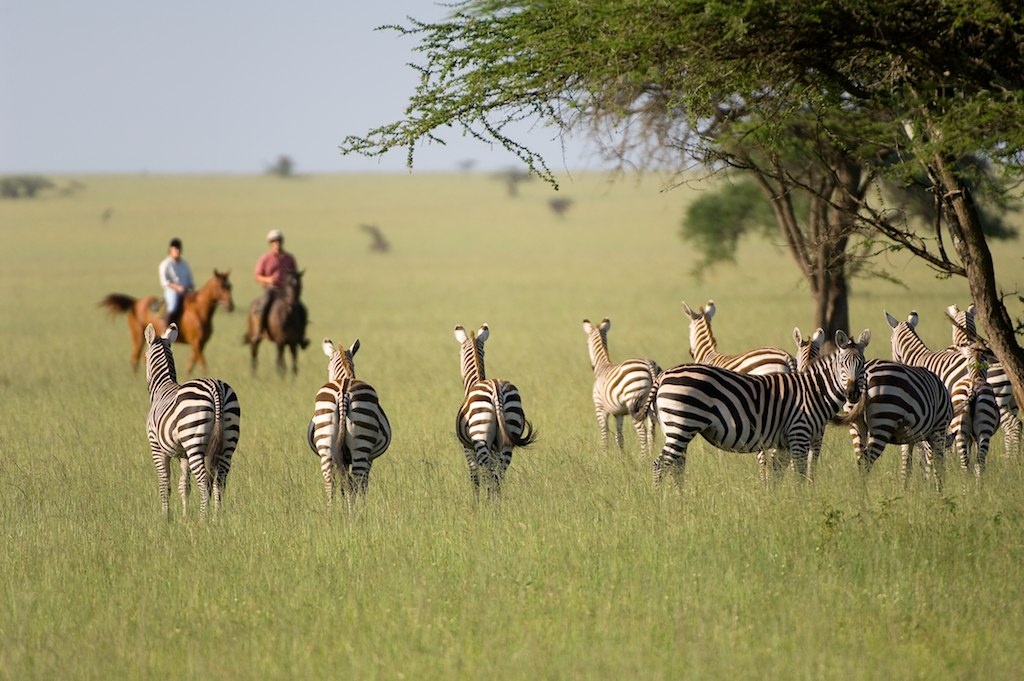
From horseback, wildlife behaves differently than near safari vehicles. Zebras and giraffes may simply step aside—or trot alongside—creating moments of calm amidst wild movement. Riding quietly also enhances birding opportunities—flamingos on waterholes, hornbills in trees, and small mammals within reach.
Diverse Terrains Under Hoof
Expect a varied tapestry beneath you:
Open grassy plains for longer strides, shady woodland tracks, rocky passes, and even seasonal river crossings. Each day blends landscapes, delivering both speed and scenic diversity.
Immersion in Local Culture
Many ride itineraries include:
-
Visits to Maasai bomas for storytelling, beadwork demo, and traditional dances
-
Time spent at ethical horse farms or sanctuaries managed by local communities
-
Meals shared under acacia trees or inside mobile camps with Maasai hosts
Cultural connections enrich the journey, allowing riders to connect with the people who live in the shadow of Kilimanjaro and Meru.
4. Sample 7‑Day “Kili Horse Safari” Itinerary
Day 1 – Arrival & Introduction
Arrive at Kilimanjaro International Airport and transfer to a wildlife estate lodge. Enjoy panoramic views of Kilimanjaro during an orientation ride and moccasin-soft sunset canter. Evening includes briefing and traditional dinner.
Day-2 – Arusha National Park Ride
Ride into Arusha Park: forest fringe, crater breezes, giraffe sightings, and bushbuck glimpses. Parks-shaded forest canopy gives way to grassy valleys and excellent birdlife.
Day 3 – Transition to Maasai Plains
Ride through wildlife corridors to cultural plains. Cross open grassland on horseback, visit a Maasai boma for midday cultural exchange, and ride past livestock and acacia groves.
Day-4 – Kilimanjaro Foothills Ride
Ascend gentle hills giving panoramic views of Mt Meru and Kili. Ride through scrub, flatland, and grazing areas. Evening camp under stars with views of the mountain.
Day 5 – Full-Day Plains Gallop
Ride longer distances across grasslands, galloping alongside zebra and wildebeest. Expect opportunity to observe elephants and grazers at midday—safely and silently from horseback.
Day-6 – Forest and Birding Ride
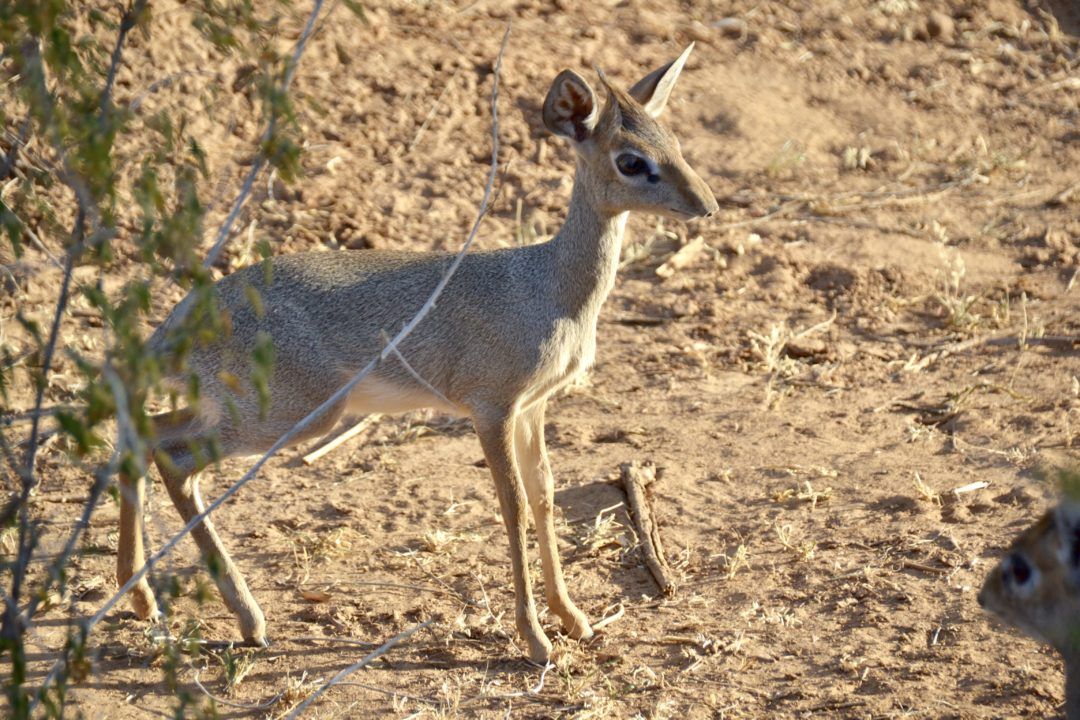
Ride into highland forest zones—scan for colobus monkeys, forest duikers, and reticulated giraffe. Combine riding with optional walking birding trails.
Day 7 – Final Ride and Departure
Short morning ride followed by farewell breakfast and transfer to airport or next safari stage.
5. Rider Requirements & Safety
-
Horseback safari suits experienced riders comfortable with long days in saddle. Some rides offer beginner-friendly options and shorter distances.
-
Guides are certified, with local wildlife and equestrian training. Non-riders can join lodge-based or vehicle-based support services.
-
Saddles and mounts are adapted to terrain and wildlife sensitivity. Horses are trained for calm behavior in sight of wild animals.
-
Weather: Dry season (late June to October) is ideal. Horses easily handle terrain then; rainy season (March–May) brings muddy tracks and shorter ride options.
6. Conservation, Culture & Impact
At Great Migration Adventure, our horseback safaris promote responsible use of land and respect for wildlife corridors. They support:
-
Maasai and Arusha community livelihoods (guides, host families, horse farms)
-
Sustainable tourism models that reduce reliance on motor vehicles
-
Riding experiences that reinforce wildlife habitat awareness and respect
-
Cultural exchanges that benefit local women-led groups and crafters
We ensure low-impact itineraries, working with conservation-minded partners and small rider groups.
7. Frequently Asked Questions
Which area is best for horseback safaris near Kilimanjaro?
The West Kilimanjaro / Arusha corridor and adjacent Maasai-managed lands provide the ideal combination of terrain, wildlife, and cultural immersion.
Is this suitable for novice riders?
Some operators offer shorter introductory rides. For multi-day safari rides galloping alongside big game like elephants, prior moderate experience is advisable.
Can non-riders participate?
Yes—non-riders can travel alongside in support vehicles or enjoy cultural, walking, or spa options aligned with the riding itinerary.
When is the best time to go?
Late June to early October for dry-season rides. Or early December–February for scenic, green-season options with fewer crowds.
8. Why Choose Great Migration Adventure
-
Tailored riding itineraries based on your comfort, pace, and interests
-
Small group focus ensuring intimacy, authenticity, and connection
-
Conservation-aligned riding with low impact and cultural respect
-
Seamless leopard-to-lodge logistics, from transfers to saddle
-
Complementary safari options: walking, game drives, cultural visits, even climbing
With us, horseback safari is more than thrill: it’s discovery—of landscape, wildlife, and self.
Final Thoughts: Ride the Shadow of the Mountain
Yes—you can go on horseback safari near Mount Kilimanjaro—and it’s an experience unlike any other. Whether you’re riding beneath the mountain’s snowy peaks or galloping across steppe with zebras at your side, horseback safari is about pace and presence.
At Great Migration Adventure, we craft horseback experiences that go deeper than terrain. They are about rhythm—hoof, heart rate, wind, and culture aligned in the shadow of Africa’s highest peak.