Are There Guided Nature Walks in Murchison Falls National Park?
Discovering Uganda’s Biggest Park on Foot with Great Migration Adventure
Murchison Falls National Park is Uganda’s largest protected wilderness—an iconic place of roaring waterfalls, sweeping savannahs, jungly riparian corridors, and the mighty Nile winding through its heart. Most visitors focus on game drives and boat cruises, yet at the core of this landscape lies a quieter form of discovery: guided nature walks. With skilled Ugandan guides, responsible routes, and deep insights into ecosystem and culture, you can truly experience Murchison on foot—and you should.
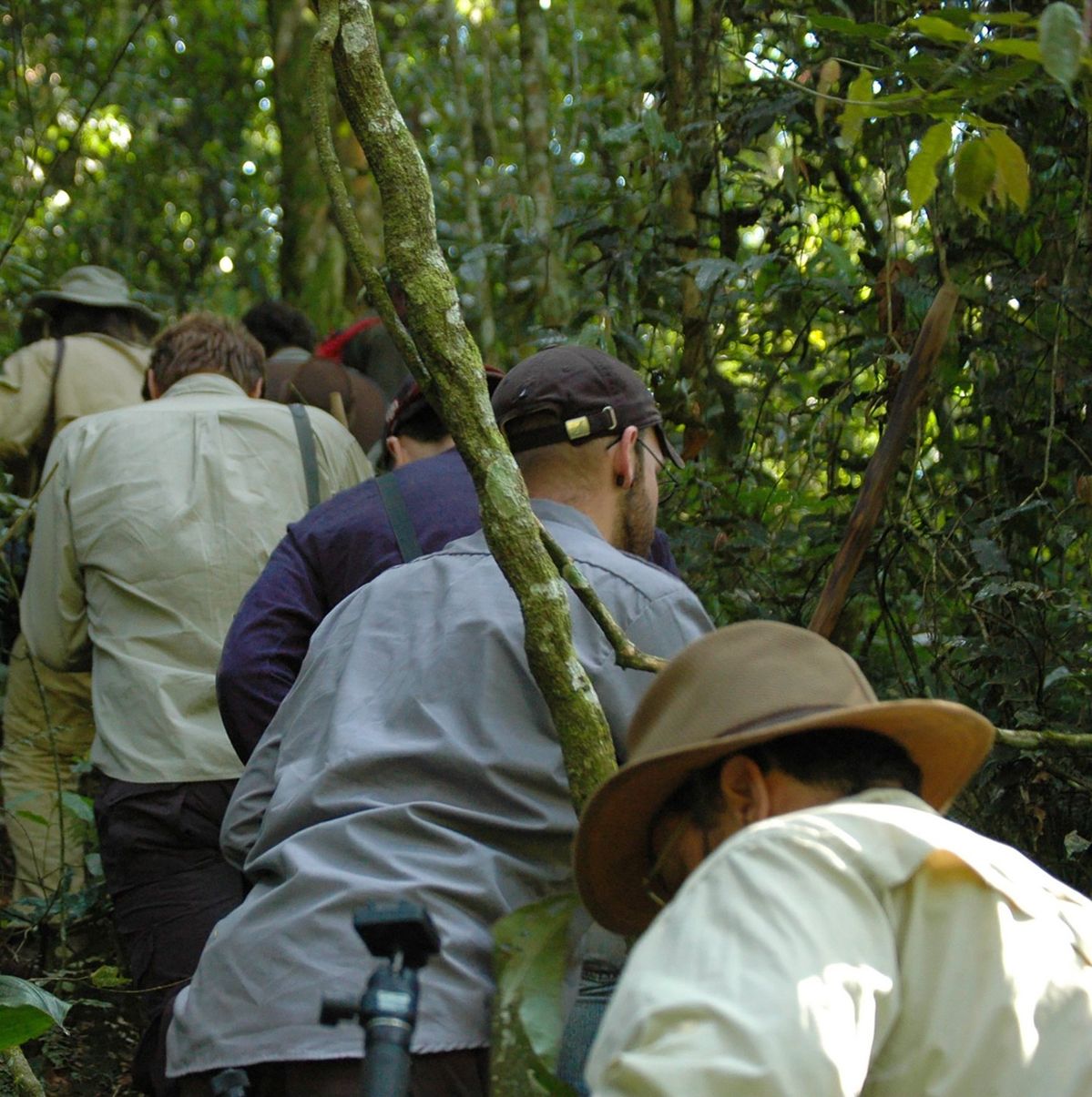
At Great Migration Adventure, guided nature walks in Murchison are not merely optional—they are essential. Let us show you how walking opens the wild at a walking pace: from termite trails and riverine wildlife to baboon calls and butterfly clouds.
1. Why Nature Walks Matter in Murchison
A. Immersion into a Living Ecosystem
On foot, you experience microhabitats–riverbank grasses, woodland bushes, marsh flowers, termite mound cities, track patterns—that vanish behind vehicle windows. The guides illuminate tracks, scents, bird calls, and plant lore, deepening your understanding of the park’s living systems.
B. Ideal Terrain & Diverse Habitat
Murchison’s mosaic—riparian thickets by the Nile, broad savannah plains, acacia woodland, scrubby hills and floodplain fringes—is perfect for low-impact walking. Official walking trails exist in designated zones reflecting safety and ecological sensitivity.
C. Conservation and Community Connect
Guided walks promote sustainable tourism. They reduce vehicle disturbance, support local guides and trackers, and open conversations about human-wildlife coexistence with local communities near Kichumbanyobo, Nyakuron, or Pakuba sectors.
2. Locations Where Nature Walks Are Offered
Paraa & Chobe Areas (Southern Zone)
Paths through termite mound savannah, grassland flats, and wooded patches. This zone allows short 1–2 hour walks and full‑day guided excursions to explore biodiversity at close range.
Kichumbanyobo Wildlife Centre Trails
Near the northern park edge, trails through woodland and floodplain link biodiversity with cultural sites. Guides combine birding, small carnivore tracking, and fishing-village narratives.
Riverbank & Papyrus Corridor Bouquet Walks
Walking along the Nile’s fringe or wetlands near Chobe Lodge reveals aquatic birds, hippo footprints, bush kingfishers, and delicate papyrus-fed butterflies.
Rhino Tracking Zone (Former Ziwa Extension Area)
Though rhinos are no longer present in Murchison, walking routes through former rhino habitat emphasize conservation storytelling and lessons of ecological restoration. Safety is managed by proximity to rangers.
3. What You Experience on Foot in Murchison
Tracking & Scents
You’ll learn to identify spoor: buffalo paw prints, warthog tunnels, lizard trails, bird scratching zones, caterpillar nests, and even termite riding paths.
Small Mammal & Bird Life
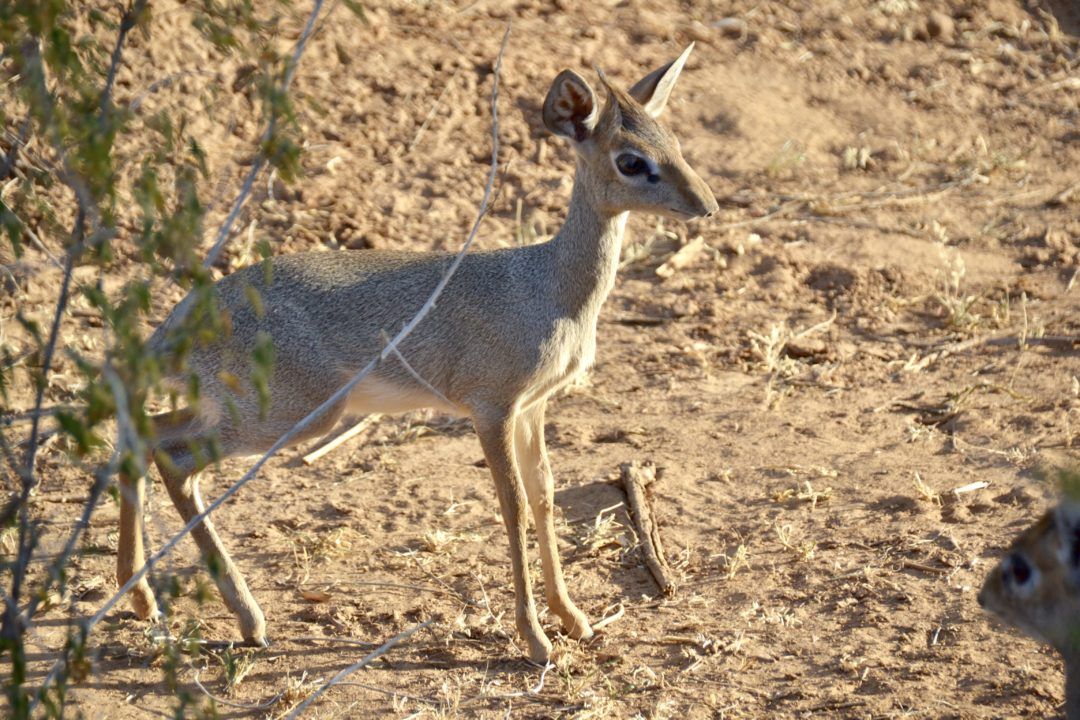
Monkey sounds in treetops, duiker glimpses in underbrush, sunbirds flitting flower to flower, rollers perched on thorns, pel’s fishing owl in twilight, and fish eagles calling across the water.
Botanical & Geological Lessons
Walkers gain insight into medicinal plants, trees used by local communities, the geology of red-clay mounds, salt licks, and termite hill ecosystems.
Human‑Nature Cultural Context
Guides share stories of communities around Murchison—the Bunyoro heritage, traditions of the Nile, fishing villages, irrigation boundaries, and respect for water which shaped early kingdoms.
4. Walk Types, Duration & Skill Level
Half‑Day Walks (2–3 hours)
Ideal for families or moderate fitness levels. Cover savannah, riverbank or woodland zones at a comfortable pace. Sunrise or late afternoon schedules work well to maximize wildlife activity.
Full‑Day Walks
Experiences of 5–6 hours including picnic stops, exploration of varied vegetation zones, birding clusters, insect and butterfly identification, and possible extension to community engagement sites.
Guided Walking Safari Package
Multi-day combinations: integrate walking in Kichumbanyobo, boat safari on the Nile, wildlife drive in the delta, and optional rhino-zone walks. Ideal for guests staying 3–5 days in Murchison.
Hybrid Walk + Cruise
Start with a walking trail near Chobe Lodge, then board a boat cruise mid-day to see hippo pods, crocodile flats and waterside birdlife. Offers layered perspectives of Murchison ecosystems.
5. Sample 5‑Day “Walk Murchison” Itinerary
Day 1 – Arrival & Orientation Walk
Arrive in Pakuba or Paraa. Afternoon introductory walk along Nile fringe and savannah trail to learn tracks and identify primate signs.
Day 2 – Riverbank & Papyrus Trail
Morning walk through papyrus and river edge zones. Spot kingfishers, flycatchers, small mammals, seasonal hippo trail signs. Finish with boat cruise back to lodge.
Day 3 – Woodland Walk & Birding Extravaganza
Walk from lodge into woodland savannah while birding plentiful dry-zone species. Feed time at Chobe pipeline walkway for water birds and raptors.
Day 4 – Kichumbanyobo Hills and Cultural Walk
Guided climb into Kichumbanyobo hills with sweeping Nile views, guided nature walk to salt lick hunting trails, then visit local fishing villages (permission-and-guided).
Day 5 – Final Dawn Walk & Departure
Pre-dawn birding across the plains. Watch sunrise cast golden light on termite mounds and ibises. Transfer onward afterward.
Optional extensions include boat cruise follow‑on fishery hike or connecting to Budongo or Kibale for chimp and bird trails.
6. Best Time to Walk
Dry Season (December–February, June–September)
The best window: firm walking terrain, fewer mosquitoes, high visibility, clearer skies. Vegetation is shorter, making game tracks easier to read and birds easier to spot.
Moderate‑Rain Season (March–April, October–November)
Greener foliage, more butterflies, frogs and flowering plants—but trails may be muddy or temporarily closed. Some guides still operate short trails for wildlife interest.
Rain is often short-lived in mornings; afternoon thunderstorms can affect walking pace. However, early outings before rains start remain productive.
7. Safety & Conduct Guidelines
Walking potential predators exist—elephants, buffalo, crocodiles—so strict safety protocols are followed.
Ranger Escort Required
Every walk includes at least one TANAPA ranger and one trained naturalist guide. Route approval, communication by radio, and emergency protocols are mandatory.
Defined Trails Only
Walks are restricted to park‑approved zones with known trail boundaries; walking off‑trail is prohibited to protect wildlife and habitat.
Group Size & Pace
Maximum group sizes are six to eight guests. Slow pacing allows wildlife observation and prevents disturbance.
Wildlife Behavior & Distance
We never approach animals too closely. Guides ensure respect for wildlife, instructing guests to stand quietly, avoid noise, and observe at a safe distance.
8. Wildlife to Spot on Nature Walks
-
Primates: olive baboon, vervet monkey, red colobus, sitatunga in marsh zones (if seasonally present when waters retreated).
-
Small mammals: mongoose, genets, duiker or bushbuck, monitor lizards, and insect hives.
-
Birds: kingfishers, egrets, herons, fish eagles, sunbirds, weavers, hornbills, papyrus endemic species in wetland fringes.
-
Insects & Butterflies: colorful swallowtail species, grasshoppers, dragonflies, termite alate swarms.
-
Hippo & Crocodile Track Signs: subtle spoor left near trails or river edges, even if animals remain submerged during the day.
9. Frequently Asked Questions
Are there guided walks inside the falls gorge itself?
No. The gorge trail is high risk and is restricted. Walks remain in safer riparian and woodland zones.
Can children participate?
Yes, children over eight in good health can join half‑day walks. Families are advised to stay on shorter trails.
Is walking possible all year?
Mostly yes, except some sections during heavy rains might close temporarily. Guides provide alternatives if trails are flooded or too muddy.
What about leopard or elephant encounters?
Encounters are rare but possible. Rangers maintain distance protocols. Walks avoid known elephant crop raiding paths or waterhole elephants.
Do I need to pack personal gear?
Light walking shoes, a sunhat, water bottle, insect repellent, binoculars, sunscreen, and a small day‑pack are recommended. Guides can lend basic field equipment if needed.
10. Why Choose Great Migration Adventure
We understand that guided nature walks elevate a Murchison safari from scenic to transformative:
-
We coordinate official TANAPA permits and ranger support.
-
Our walking routes are researched for biodiversity and safety.
-
Guides trained in local ecology can customize walks to guest interest—botany, birding, small mammals, or cultural stories.
-
Small group sizes ensure personal attention and minimal ecological impact.
-
We combine walking with boat cruises, game drives, evening rest under baobabs, and local community experiences for a holistic narrative.
Your stay becomes not just viewing wildlife, but walking its story across land, water, and culture.
11. Conservation & Community Impact
Walking tourism supports:
-
Park revenue and trail maintenance, keeping habitats healthy and accessible.
-
Employment of local rangers and guides, often from nearby villages.
-
Environmental education for communities about biodiversity and conservation.
-
Low-impact tourism, reducing reliance on vehicles and minimizing disturbance.
Great Migration Adventure partners with local community tourism initiatives, contributing to conservation fees and trail upkeep programs.
12. Final Reflections: Walking Murchison as a Deeper Safari
In Murchison Falls National Park, walks open sensory layers invisible from four wheels. You breathe savannah scents, hear budding bird calls, feel termite mounds beneath your feet, watch fluttering butterfly swarms and see the shadow of the Nile drift across the grass.
Yes—you can take guided nature walks in Murchison. And you should—particularly when led by Great Migration Adventure’s expert guides, combining safety, fascination, and country‑wide conservation.