Are There Guided Bike Tours in the Serengeti?
Cycling Through the Serengeti Wilderness with Great Migration Adventure
Serengeti National Park is world-famous for its sweeping plains, epic wildlife migrations, and iconic predator-prey spectacles. Most visitors explore it by 4×4 vehicles, on foot on special conservancy trails, or by air. But increasingly, guided bike tours are gaining traction as a way to explore the Serengeti quietly, actively, and intimately. With our carefully planned itineraries, safety protocols, and local expert support, Great Migration Adventure is delighted to introduce mountain-biking experiences in appropriate Serengeti zones that bring you closer to nature at your own human pace.
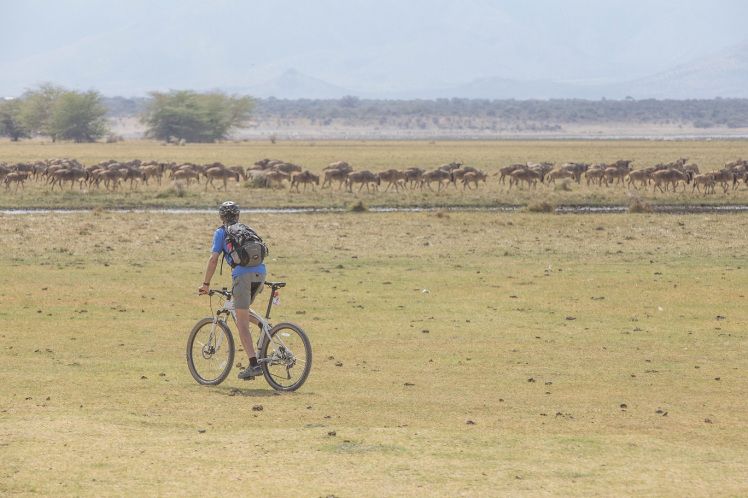
Cycling across the Serengeti isn’t just a tour—it’s a sensory adventure. Wind on your face, wildlife on either side, sun over the endless grasslands, and the quiet hum of spokes punctuating the wild soundtrack of life. Here’s everything you need to know.
1. Why Biking Makes Sense in the Serengeti
Guided cycling offers a rich alternative to standard game drives and walking safaris:
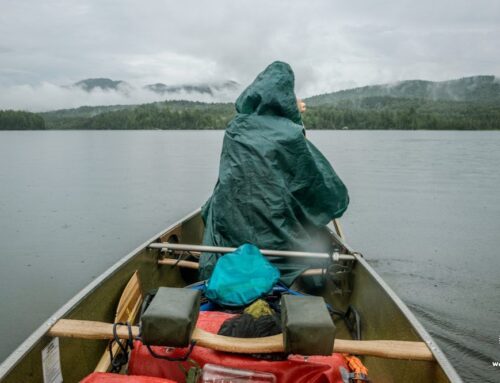
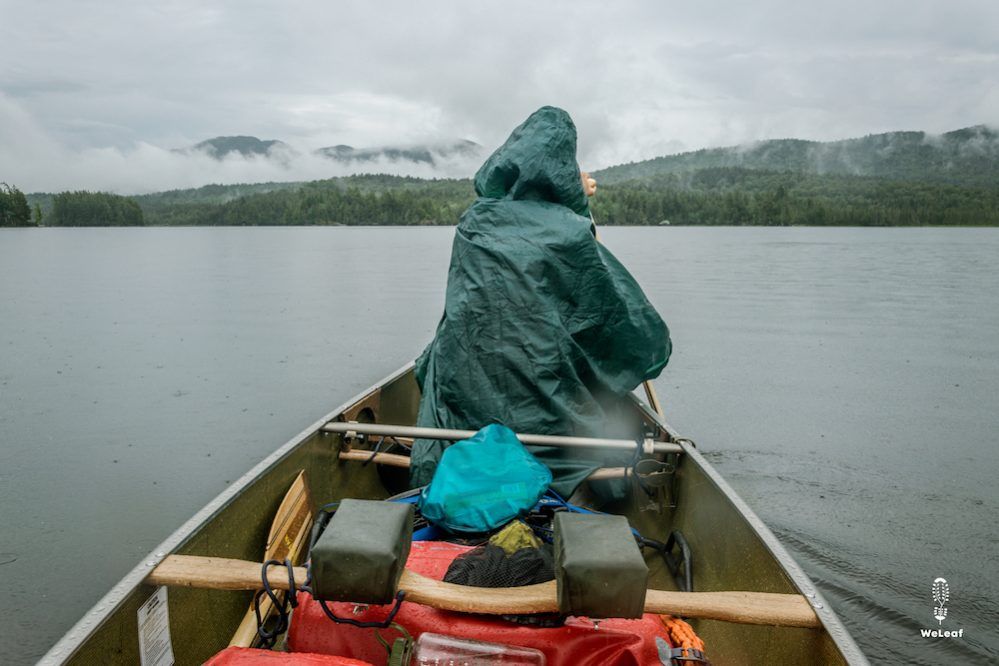
Canoeing across water gives a serene view, walking offers microscopic insight—biking covers more wild ground without noise, letting you feel the terrain beneath your wheels and engage senses at close range. You witness animal movement undisturbed, experience terrain transitions from woodland to grassland, and catch scents and sounds invisible to vehicle-based tours.
Well-chosen routes offer historical migration plains, low-density wildlife areas, and lesser-travelled ridges. Your guides explain tracks, plant life, predator sign—and you pedal between biologically and culturally meaningful zones.
2. Where Guided Bike Tours Operate
Northern and Central Serengeti: Ndutu, Moru, Lamai
Bike tours tend to operate outside crowded high-browsing corridors. Ndutu and Moru areas near Seronera offer quieter woodland-edge tracks and short-route circuits. In the eastern Lamai region, scenic ridgelines and escarpment trails offer biking with fewer vehicles and rolling wildlife vistas.
Special Conservancy Areas
Some private concessions bordering the park offer mountain-biking packages where wildlife densities are moderate but manageable, and vehicle traffic is limited. Riders enjoy grassland cycling punctuated by wildlife observations, track interpretation, and scenic value.
Community and Buffer Zones
Bordering villages and buffer conservancies connected to the Serengeti ecosystem often maintain designated cycling trails that extend into wildlife corridors. Comfortable lodges support guided rides into fauna-rich margins, all under ranger and naturalist accompaniment.
3. What You’ll Experience on a Bike Safari
Wildlife at Speed and Stillness
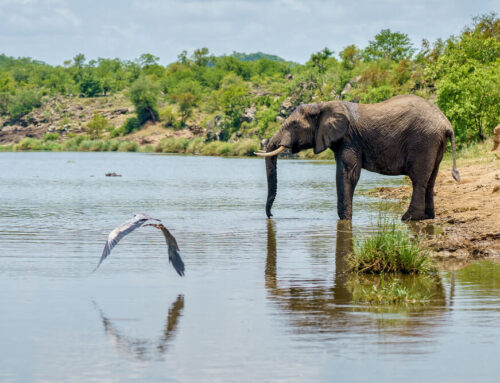
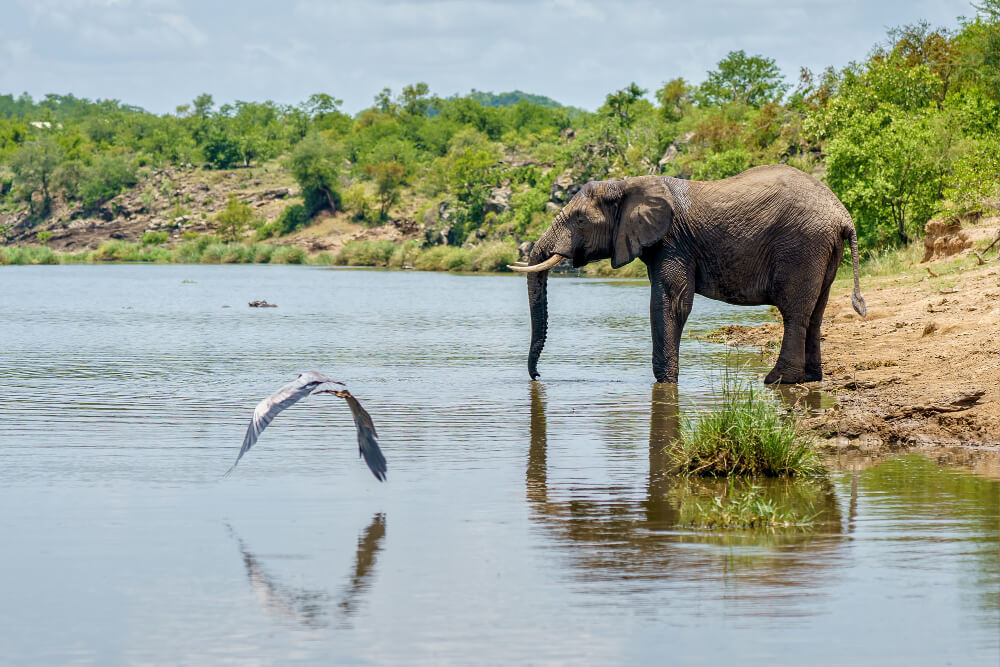
As you bike across plains, impala may spring, tortoises may cross your path, and birdlife drifts overhead. Elephants grazing pause to look. Predator spoor—lion footprints, leopard scratch ridges, hyena den scents—come into focus. Frequent stops reveal termite mounds, acacia scars, spoor tracks and feeding signs.
Terrain Variety and Visual Drama
Begin in acacia woodland with sandy tracks; move into open grassland corridors; ride along seasonal riverbeds or sunlit escarpment ridges. Elevation and shifting vegetation create changing wildlife microhabitats—each pop of grass or tree holds possibility.
Cultural Crossroads
Some trail areas pass near Maasai or Hadzabe grazing lands, marking points of human-wildlife cohabitation. Riders learn how pastoralists name animal tracks or recognize dried spoor, helping bridge culture and ecology.
Personal Challenge and Safari Mindfulness
Cycling creates rhythmic awareness—breath, pedal cadence, breeze, engine of heartbeat in sync with wild life’s pulse. You feel the ground, observe behavior from ear level, choose line around termite ridges, and become part of the landscape’s flow.
4. Safety, Planning & Guidelines
Ranger Escort & Naturalist Guide
Every guided bike tour includes at least one armed ranger and one naturalist guide. Rangers ensure wildlife safety distance, track conditions, and unpredictable animal movement. Naturalists explain behaviors, tracks, plants, and cultural sign.
Route Approval & Permissions
Biking takes place only on approved pathways where park authorities allow non-motorized access. Routes avoid predator core zones or dens. Some routes are inside the park; others fall under authorised conservancies. All tours require necessary permits in advance.
Group Size & Pace
Max group size is six cyclists to minimize disturbance and ease safety management. Pace is moderate, with frequent stops for observation. Riders are briefed not to ride after dusk or dawn when wildlife may be more active or unpredictable.
Wildlife Distance and Stop Rules
Strict observation buffers are maintained—no riding toward wildlife too closely. If animals approach while you’re cycling, guides pause, let wildlife pass, and only continue when it’s safe. No forays toward waterholes unless guided vehicle is nearby as backup.
5. Sample 5-Day “Serengeti Bike & Wildlife” Safari
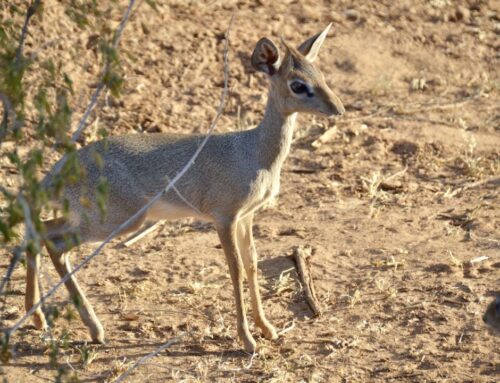
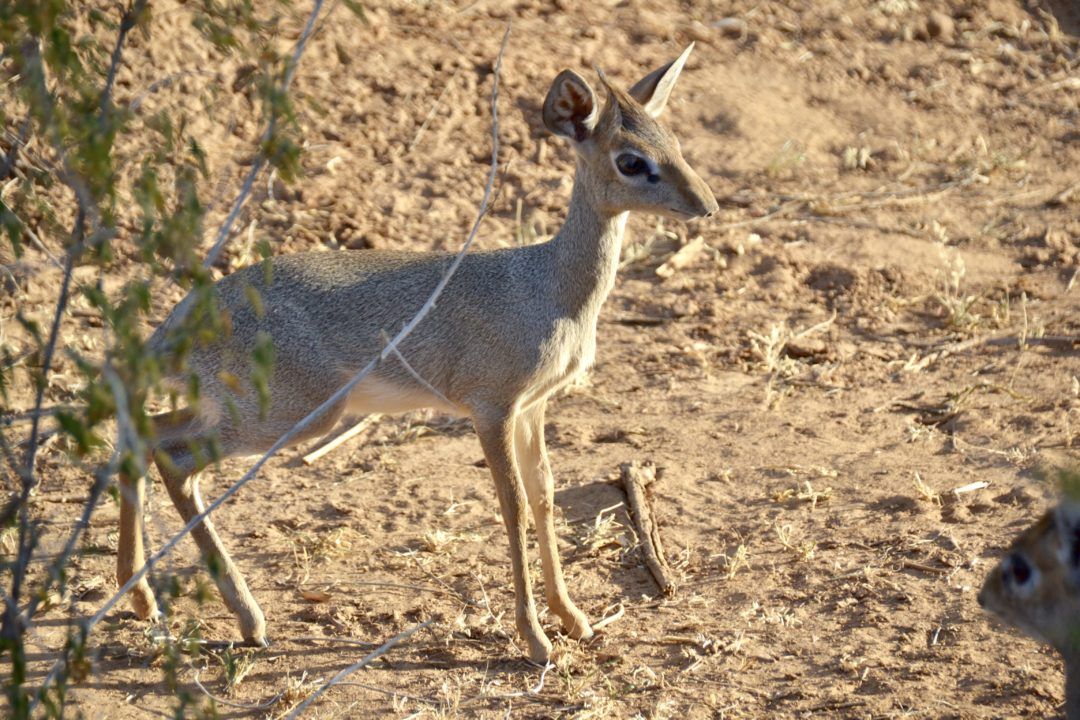
Day 1 Morning arrival at Seronera airstrip or central camp. Afternoon vehicle orientation drive. Evening bike session on lodge trails to warm up and scan woodland margins for dik-dik, warthog, birdlife.
Day 2 Dawn guided cycling tour in Ndutu area. Morning wildlife stops along open grassland. After midday rest enjoy a game drive or bird walk in the Seronera region.
Day 3 Bike ride toward Moru Kopjes ridgeline. Pedal through scant woodland and plains, spotting lion lookout posts, hyena tracks, and grazing herds. End ride near kopje base and relax with scenic views.
Day 4 Morning loop through community buffer zone—track giraffe paths, termite mound swirls, and local pastoral tracks. Afternoon guided vehicle safari across central Serengeti to monkey link.
Day 5 Final early ride focusing on ridge views and final species list. Midday wrap-up briefing. Depart for onward safari or home.
Extensions: fly-camp rides over migration areas in dry season, cycling into semi-wilderness landscapes outside central mobility restrictions, or combined lake-side trails in adjacent conservancies.
6. Best Seasons for Bike Tours
Dry Season (June–October, December–March) is ideal: paths firm, visibility high, wildlife concentrate near waterholes and corridors, insect activity lower. Early mornings and late afternoons are most comfortable.
Green Season (April–May, November) brings blooming grasses, more bird and insect life, but trails may soften. Scheduled rides still operate with guides. Rain gear, traction control on bikes, and flexible timing needed. Early mornings before rainfall still favorable.
7. Gear, Comfort & Preparation
Cyclists should wear lightweight, moisture-wicking active clothing, padded cycling shorts, gloves, helmet, and rugged cycling shoes or sandals. Sunhat or buff under helmet helps with glare. Bring 1–2 liters of water in hydration pack or bottle, sunscreen, insect repellent, binoculars, camera, and light snacks.
Ensure proper bike camp setup—shock absorption, good brakes for downhill, puncture-resistant tires. Rental bikes provided by responsible outfitter, but you may also bring your own mountain bike with prior notice. Guides perform safety checks before departure each day.
8. Wildlife to Spot from the Saddle
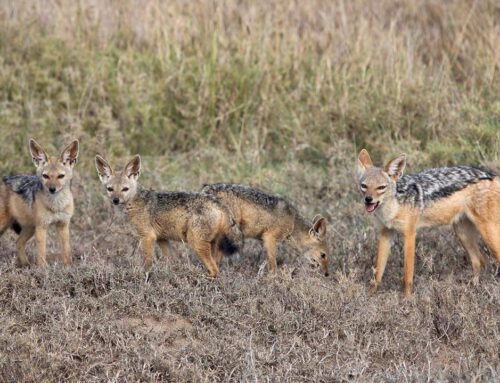
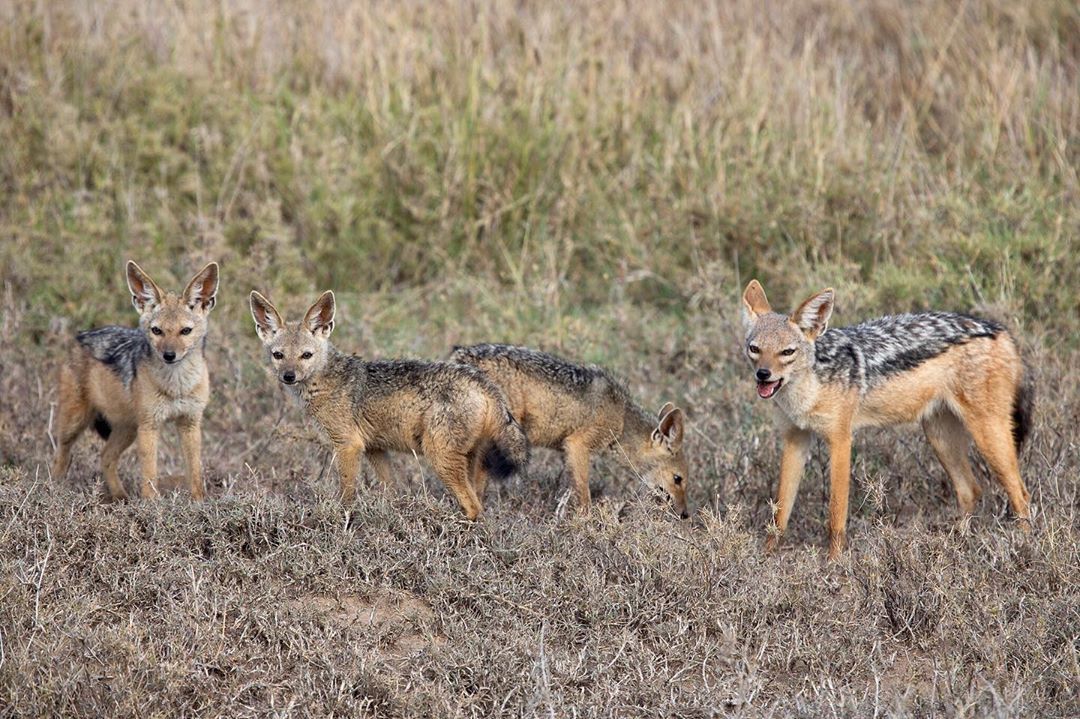
Black-backed jackals may trot beside trails; grazing eland or zebra feed on scattered grasses; spotted hyenas may perch on termite ridges; giraffe browse bushes. Birdlife includes kori bustard, secretarybird, larks, hornbills, vultures. Tracks: leopard claw marks on kopjes, hyena scent middens, spoor of wild dogs or lion.
Riding through early morning mist or late afternoon glow offers perspective on shadows cast across plains and delicate interplay of wildlife and wind.
9. Frequently Asked Questions
Is biking allowed everywhere in Serengeti?
Not—only on designated trails inside national park zones or in approved conservancies. Cycling off-road or near dense wildlife zones is prohibited.
Are these tours for fit individuals only?
Moderate fitness required. Pace is steady, not race-level. Guides adjust pace and breaks. Shorter routes available for less experienced riders.
What happens if wildlife appears close by?
Bike tours pause immediately, riders dismount, guide and ranger assess. If safe, wildlife cross or move. Tour resumes only when animals have given space. No chasing permitted.
Is it safe during migration peak?
Yes—migration herds often graze in open zones away from trails. Guides shift routes daily. Cycling is timed around herd movement and vehicle traffic areas.
Are children allowed?
Participants aged 12+ with comfort on a mountain bike allowed. Insured group tours ensure safety protocols. Children under 12 can ride shorter lodge loops only.
10. Why Great Migration Adventure Leads in Bike Safaris
At Great Migration Adventure:
We scout and maintain cycling routes in ecologically appropriate zones
Our guides have mountain‑bike training and wildlife tracking skills
Safety protocols include ranger support, emergency comms, backup vehicles
We pair cycling with traditional drives, walking safaris, birding, and photographic moments
We coordinate permits, rentals, logistics, and custom gear as needed
Our local partnerships ensure sanctity of wildlife, respect for culture, and low-impact trail maintenance
We create meaningful access to Serengeti by wheels that leave human footprints, not vehicle tracks.
11. Conservation & Ethical Considerations
Bike tours reduce vehicle traffic and engine pollution, offering quieter wildlife engagement. Great Migration Adventure ensures routes avoid wildlife dens, do not disturb migration flows, and uphold park rules. Partnerships include contribution to trail upkeep, ranger training, localized community benefits and youth cycling initiatives in nearby villages.
12. Final Reflections: Biking Safari as a Rhythm of Wild
There’s a harmony to pedaling through Serengeti mornings—the rhythm of pedal strokes matching heartbeat, wind whispering over thorny acacia, zebras grazing nearby, vultures floating overhead. You glimpse animal habits in real time—like a leopard silhouette on a kopje before sun hits. Thorns scrape against your calf, the sun warms your back, and your awareness sharpens with every turn of wheel.