Fly-In Safaris for the Great Migration: The Ultimate Guide to Exclusive Wildlife Viewing
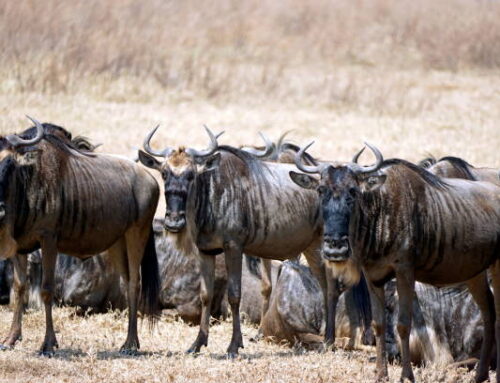
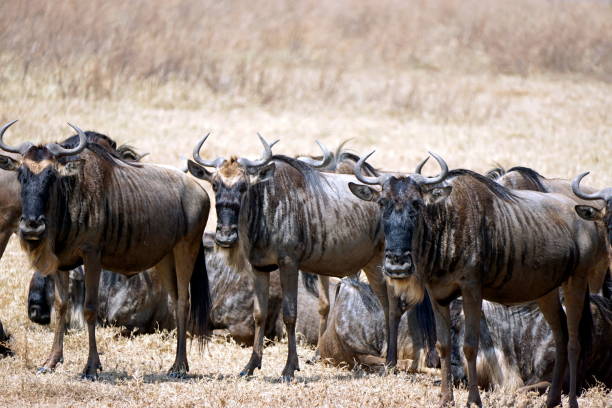
The Great Migration represents nature’s most spectacular wildlife event, with over two million wildebeest, zebras, and gazelles traversing the Serengeti-Mara ecosystem. For travelers seeking both luxury and efficiency in experiencing this phenomenon, fly-in safaris offer an unparalleled solution. This comprehensive guide explores everything you need to know about fly-in migration safaris, from their unique advantages to practical planning considerations.
Understanding Fly-In Safaris for the Great Migration
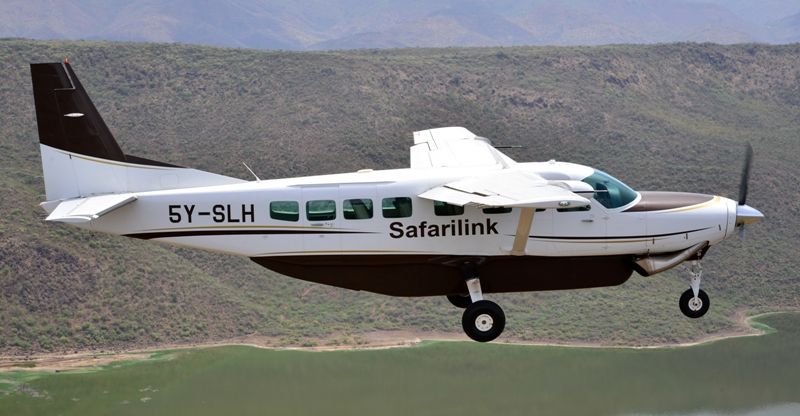
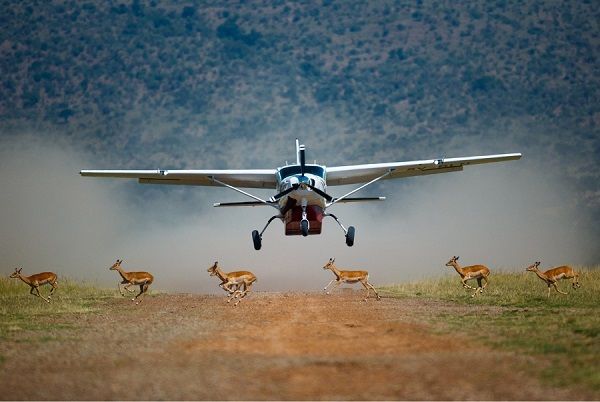
Fly-in safaris utilize small aircraft to transport guests directly between safari camps and major airports, revolutionizing the traditional overland safari experience. These journeys typically employ 12-seater Cessna Caravan or Beechcraft aircraft operated by specialist companies like Regional Air, Coastal Aviation, and SafariLink. The average flight duration between destinations ranges from 45 minutes to 2 hours, covering what would otherwise be 6-8 hour drives on often bumpy roads.
The concept originated in the 1960s when pioneering safari operators recognized the potential of air transport to access remote wildlife areas. Today, about 35% of premium migration safaris incorporate flight transfers, with the percentage increasing annually as more travelers discover the benefits. Flight paths typically follow migration corridors, offering passengers breathtaking aerial views of moving herds – an exclusive perspective impossible to achieve from the ground.
Key Advantages of Choosing a Fly-In Safari
Time efficiency stands as the foremost benefit, with fly-in safaris saving an average of 12-15 hours of transit time during a week-long itinerary compared to road transfers. This translates to more time for wildlife viewing and relaxation at camps. The aerial perspective provides unique photographic opportunities, with wildebeest trails visible as dark ribbons across the landscape and river crossings taking on new drama when viewed from above.
Access to remote areas represents another significant advantage. Camps like Lamai Serengeti and Sayari in the far northern Serengeti become practical options when reached by air, offering exclusive wildlife viewing away from crowds. Health and comfort considerations also favor flying, particularly for travelers who may struggle with long drives on rough terrain.
From a safety standpoint, these operations maintain impeccable records. The Civil Aviation Authority of Tanzania reports an average of just 0.17 incidents per 10,000 flight hours in the safari sector, with most being minor technical issues rather than serious accidents. Pilots undergo rigorous training specific to bush conditions, including gravel runway operations and wildlife hazard management.
Best Time for Fly-In Migration Safaris
The optimal period for fly-in migration safaris spans from July through October, when herds concentrate in the northern Serengeti and Masai Mara. This timeframe offers the highest probability of witnessing river crossings while enjoying favorable flying conditions. The dry season’s clear skies provide excellent visibility, with July and August being particularly reliable months.
Seasonal variations significantly impact the experience. During the short rains of November, afternoon thunderstorms can occasionally delay flights, though morning departures generally remain unaffected. The long rains from April to May see fewer visitors, offering potential discounts of 20-30% on fly-in packages, albeit with slightly less predictable wildlife movements.
For those prioritizing specific migration events, timing is crucial. Calving season in February demands flights to the southern Serengeti, while the Western Corridor becomes the focus in June. Experienced operators adjust itineraries based on real-time herd movements, with some maintaining spotters who provide daily updates to optimize flight routing.
Top Fly-In Safari Routes for Migration Viewing
The classic Northern Circuit connects Arusha to the Serengeti via Lake Manyara or Tarangire, with stops at premier migration camps. This route typically includes 2-3 flight segments over 7-10 days, allowing guests to follow the herds’ progress. The Mara River Circuit focuses specifically on crossing points, with flights timed to maximize chances of witnessing this dramatic event.
Alternative routes worth considering include the Western Corridor Loop in June, accessing less-visited crossing points along the Grumeti River. The Southern Circuit serves those visiting during calving season, with flights into Seronera or Ndutu airstrips. For extended itineraries, combined Kenya-Tanzania routes utilize border crossings at Isebania, though these require careful coordination of immigration formalities.
Sample flight durations illustrate the efficiency gains:
-
Arusha to Central Serengeti: 1.5 hours (vs 8+ hours by road)
-
Seronera to Kogatende (Northern Serengeti): 45 minutes (vs 4 hours driving)
-
Lamai to Mara North Conservancy: 1 hour (including border clearance)
Choosing the Right Fly-In Safari Camps
Luxury fly-in camps like Singita’s Faru Faru and &Beyond’s Grumeti Serengeti Tented Camp offer exceptional standards with private airstrips. These properties typically limit guest numbers to maintain exclusivity, with staff-to-guest ratios often exceeding 1:2. Mid-range options such as Serengeti Serena Safari Lodge provide excellent value while still offering convenient air access.
Location strategy proves critical when selecting camps. Properties like Lamai Serengeti and Sayari Camp position themselves near multiple crossing points, increasing the likelihood of witnessing river events without competing with crowds. Mobile camps like Serengeti Under Canvas take this further by relocating every few weeks to stay ahead of herd movements.
Amenities at top fly-in camps typically include:
-
Private vehicle safaris (avoiding shared game drives)
-
Specialist guides with decade-plus experience
-
Photographic studios with equipment rentals
-
Spa facilities to unwind between flights
-
Helicopter transfers available at premium camps
What to Expect During Your Fly-In Safari Experience
The journey begins with check-in at dedicated safari terminals in Arusha, Kilimanjaro, or Wilson Airport (Nairobi). These facilities streamline the process with private lounges and direct baggage transfer to camps. Weight restrictions typically allow 15kg (33lbs) of soft-sided luggage per person, with excess baggage storage available at base hotels.
In-flight experiences vary by aircraft type but generally include:
-
Large windows for photography (some aircraft remove seats behind pilots for better views)
-
Pilot commentary on notable landscape features
-
Opportunities to spot wildlife from the air
-
Refreshments served on longer sectors
Upon arrival at bush airstrips, guests are typically met by camp vehicles and staff with welcome drinks. The transition from plane to first game drive often occurs within 30 minutes, maximizing wildlife viewing time. Many camps coordinate flight schedules with optimal game drive times, ensuring no precious moments are wasted.
Photography Tips for Fly-In Migration Safaris
Aerial photography requires different techniques than ground-based shooting. Professionals recommend:
-
Using fast shutter speeds (1/1000s or faster) to compensate for aircraft vibration
-
Packing a 70-200mm zoom lens for versatility
-
Setting continuous autofocus mode to track moving herds
-
Shooting in RAW format to recover details in high-contrast lighting
Unique perspectives to capture include:
-
Abstract patterns of moving herds
-
River crossings from oblique angles
-
Shadows of animals cast across plains
-
Camp aerial shots during takeoff/landing
Many fly-in camps provide camera cleaning stations and backup equipment, recognizing the challenges of dust and limited packing space. Some even offer in-house photography workshops with specialists who understand optimal flight paths for different shots.
Comparing Fly-In Safaris to Traditional Overland Options
The cost differential between fly-in and overland safaris has narrowed in recent years, with current averages showing a 25-40% premium for flying. However, when factoring in time savings and exclusive experiences, many travelers find the value proposition compelling. A typical 7-day fly-in itinerary might cost $6,500-$9,000 per person versus $4,500-$6,500 for a comparable overland trip.
Environmental considerations present a complex balance. While aircraft emit more carbon per passenger than vehicles, their use reduces the need for extensive road networks through fragile ecosystems. Many operators now carbon-offset flights and use the most fuel-efficient aircraft available. The reduced disturbance to wildlife from fewer ground vehicles presents another ecological benefit.
Accessibility makes fly-in safaris viable for travelers who might struggle with long drives, including families with children and older visitors. The ability to cover vast distances quickly also allows for more diverse itineraries, combining migration viewing with beach extensions to Zanzibar or mountain stays near Kilimanjaro.
Planning Your Fly-In Migration Safari
Booking timelines have extended in recent years, with premium camps during peak season (July-September) requiring reservations 12-18 months in advance. Shoulder seasons may allow for shorter notice, but 6-9 months remains advisable to secure preferred routing and accommodations.
Essential documents include:
-
Passport valid for 6+ months beyond travel dates
-
Visas for Tanzania and/or Kenya
-
Yellow fever vaccination certificate
-
Comprehensive travel insurance with medical evacuation coverage
Packing must account for strict weight limits while preparing for diverse conditions. Recommended items include:
-
Neutral-colored clothing for game drives
-
Broken-in hiking shoes
-
High-SPF sunscreen and wide-brimmed hat
-
Quality binoculars
-
Power bank for camera batteries
Health precautions should address malaria prophylaxis and general travel medications. Many fly-in camps maintain medical clinics with trained staff, but those with specific conditions should consult their physician before traveling.
The Future of Fly-In Migration Safaris
Emerging trends point toward increased personalization, with some operators now offering private charters that follow the herds in real-time. Technological advancements include the use of satellite tracking to predict crossing points and AI-assisted routing to optimize flight paths. Sustainable aviation initiatives are bringing electric-powered aircraft into testing for short safari hops, potentially revolutionizing the environmental equation.
Market analysis indicates steady growth in demand, particularly among high-net-worth travelers and multi-generational groups. This has spurred investment in upgraded airstrip infrastructure and expanded lounge facilities at key hubs. The introduction of larger turbine aircraft has improved comfort on longer sectors while maintaining the ability to use remote bush strips.
The enduring appeal of fly-in safaris lies in their unique combination of efficiency and exclusivity. As one seasoned guide remarked, “Flying over the migration gives you god’s-eye view of this ancient cycle – you see the patterns, the scale, the sheer majesty in ways that ground-bound visitors can only imagine.” For those seeking the ultimate Great Migration experience, the aerial approach offers unrivaled perspectives on nature’s greatest wildlife spectacle. Book Now!