Are There Eco-Friendly Safari Options?
As the world embraces more sustainable practices, travelers are increasingly seeking out eco-friendly options for their adventures. Safaris—long associated with pristine landscapes and diverse wildlife—are no exception. But are there eco-friendly safari options available in East Africa and beyond? The answer is a resounding yes. In this article tailored for Great Migration Adventure, we’ll explore the concept of eco-safaris, what makes a safari eco-conscious, and how you can embark on an unforgettable experience while minimizing your environmental impact.

1. Understanding Eco-Friendly Safaris
Eco-friendly safaris, also known as green safaris or sustainable safaris, are travel experiences designed to have a minimal impact on the environment and to support local communities and conservation efforts. These safaris often use renewable energy sources, practice responsible waste management, support local economies, and prioritize wildlife conservation.
Key characteristics include:
- Use of eco-lodges built from natural or recycled materials
- Solar-powered accommodations and safari vehicles
- Minimal single-use plastic
- Emphasis on cultural immersion and local employment
- Support for wildlife conservation and anti-poaching efforts
2. The Rise of Responsible Travel in Africa

Responsible tourism is transforming the travel industry. Travelers no longer want just an adventure—they want their travel to matter. In Africa, this has given rise to a growing number of lodges, tour operators, and conservation projects that focus on sustainability.
Governments and private stakeholders in countries like Kenya, Tanzania, Uganda, Rwanda, Botswana, and South Africa are adopting sustainable tourism policies that protect the environment while benefiting local communities. For instance, national parks implement strict visitor guidelines to limit environmental degradation.
3. Choosing an Eco-Friendly Lodge or Camp
Accommodation is a significant part of any safari. Eco-lodges and tented camps are now widely available and can range from rustic to ultra-luxurious. The best eco-accommodations prioritize:
- Solar or wind energy
- Water conservation through low-flow systems
- Local construction materials
- Organic gardens and composting
- Recycling and proper waste disposal
Some outstanding eco-lodges across East Africa include:
- Properties that use 100% solar power
- Camps built on raised platforms to reduce habitat disturbance
- Tented camps that leave no permanent trace
4. Wildlife Conservation and Eco-Safaris
One of the most compelling aspects of an eco-safari is its contribution to wildlife conservation. Many eco-tour operators reinvest a portion of their profits into anti-poaching units, wildlife monitoring, and habitat restoration projects.
By choosing a conservation-focused safari, travelers help protect endangered species such as:
- Mountain gorillas in Uganda and Rwanda
- Elephants and rhinos in Kenya and Tanzania
- Lions, cheetahs, and leopards in the Serengeti-Mara ecosystem
Furthermore, these safaris often include visits to conservation centers or opportunities to participate in tracking and monitoring efforts.
5. Community Engagement and Cultural Preservation
Sustainable safaris aren’t just about the environment—they’re about people, too. Responsible tour companies work closely with indigenous and local communities to ensure tourism has a positive impact.
Eco-safaris can include:
- Cultural visits to local villages
- Participation in traditional crafts or dances
- Purchasing locally made souvenirs
- Hiring local guides and staff
This model ensures economic benefits are shared with the people living near protected areas, reducing the temptation to engage in activities harmful to wildlife.
6. Green Safari Transportation
Transportation is one of the more complex aspects of making a safari eco-friendly, but progress is being made. Options include:
- Electric or hybrid safari vehicles
- Shared transfers to reduce emissions
- Walking or cycling safaris
- Canoe and horseback safaris
Though electric vehicles are still relatively rare in remote parts of Africa, they are becoming more common in high-end, forward-thinking safari operations.

Canoe Safaris in Uganda
7. Reducing Your Carbon Footprint
Even with sustainable accommodations and responsible travel operators, it’s hard to eliminate your carbon footprint entirely. But there are steps you can take:
- Offset your flight emissions through reputable carbon offset programs
- Pack light to reduce fuel consumption
- Bring reusable water bottles, bags, and utensils
- Avoid plastic-packaged goods
- Choose digital over printed travel documents
8. Best Destinations for Eco-Friendly Safaris
Several destinations stand out for their strong commitment to sustainability:
Kenya: Home to numerous conservancies and community-run lodges. Areas like the Maasai Mara and Laikipia are hubs for eco-tourism.
Tanzania: With massive reserves like the Serengeti and Ngorongoro Crater, Tanzania is investing in green tourism and low-impact accommodations.
Uganda: Known for gorilla trekking in Bwindi and Mgahinga, Uganda’s lodges and park authorities emphasize conservation and community welfare.
Rwanda: Rwanda’s approach to tourism is carefully managed and conservation-centric, especially in Volcanoes National Park.
Botswana: Offers high-end, low-impact safaris with a strong conservation focus, particularly in the Okavango Delta.
Namibia: Praised globally for its innovative conservation policies and community-run tourism initiatives.
9. Family and Group Travel with an Eco-Friendly Focus
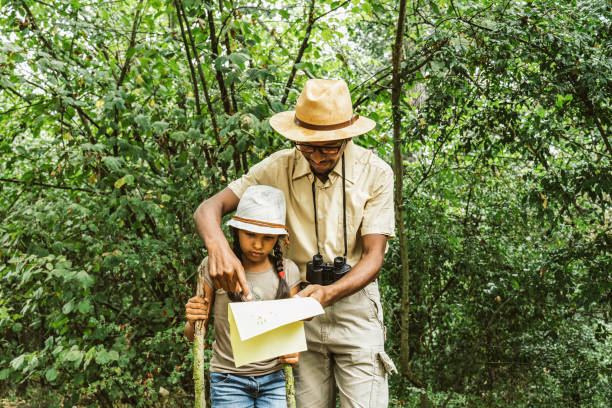
Eco-safaris aren’t just for solo travelers or couples. Families and groups can also enjoy green adventures. In fact, such trips can be a fantastic educational experience for children, teaching them about conservation and the importance of preserving our planet.
Tour operators can customize:
- Family-friendly itineraries with educational activities
- Opportunities for school or university groups to engage in service learning
- Incentives for large eco-conscious groups to travel together
10. Challenges of Eco-Friendly Safaris
While the eco-safari industry is growing, it’s not without challenges:
- Infrastructure limitations in remote areas
- Higher costs associated with sustainable practices
- Limited availability of electric vehicles
- Lack of awareness among travelers
But these hurdles are being addressed. As awareness increases and demand grows, more operators are investing in green alternatives.
11. How to Identify a Truly Eco-Friendly Safari
Not all that glitters is green. Some operators engage in “greenwashing,” claiming to be eco-friendly without following through.
To avoid this:
- Ask about specific sustainability practices
- Look for certifications from reputable organizations
- Read reviews and seek out traveler testimonials
- Inquire how the company supports conservation and local communities
12. Great Migration Adventure’s Commitment to Sustainability
At Great Migration Adventure, we believe that travel should inspire and protect. Our commitment to eco-friendly safaris includes:
- Partnering with certified eco-lodges and camps
- Supporting local conservation and education initiatives
- Employing guides and staff from surrounding communities
- Promoting reusable and recyclable materials
- Offering carbon offset options for our clients
We strive to provide journeys that are not only unforgettable but also meaningful.
13. Planning Your Eco-Safari
Here’s how to start:
- Define your interests: wildlife, birding, culture, conservation?
- Choose your destination based on best season and conservation record
- Select a safari company committed to sustainability
- Review lodges’ eco-policies
- Book your flights, pack mindfully, and prepare to connect with nature
Conclusion
Eco-friendly safaris offer the perfect balance between adventure and responsibility. By choosing an eco-safari, you play an active role in protecting the environment, supporting local communities, and ensuring that Africa’s iconic landscapes and wildlife are preserved for generations to come.