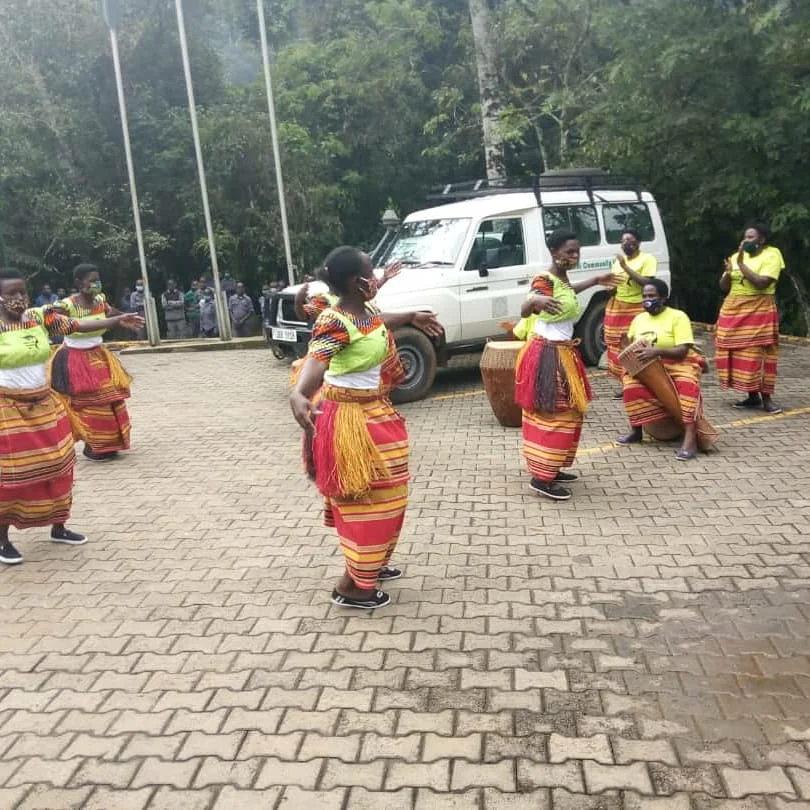
Are There Cultural Dances Near Bwindi?
A Vibrant Journey into Batwa & Bakiga Culture with Great Migration Adventure
If Bwindi Impenetrable Forest is rightly known for mountain gorillas and lush biodiversity, it’s equally rich in human stories—particularly through the cultural dances performed by the Batwa and Bakiga communities living around the forest margins. At Great Migration Adventure, we believe cultural immersion is just as essential as wildlife encounters—especially when it involves iconic dance, music, storytelling, and ancestral traditions deeply connected to the forest.
Yes—you can experience cultural dance near Bwindi.
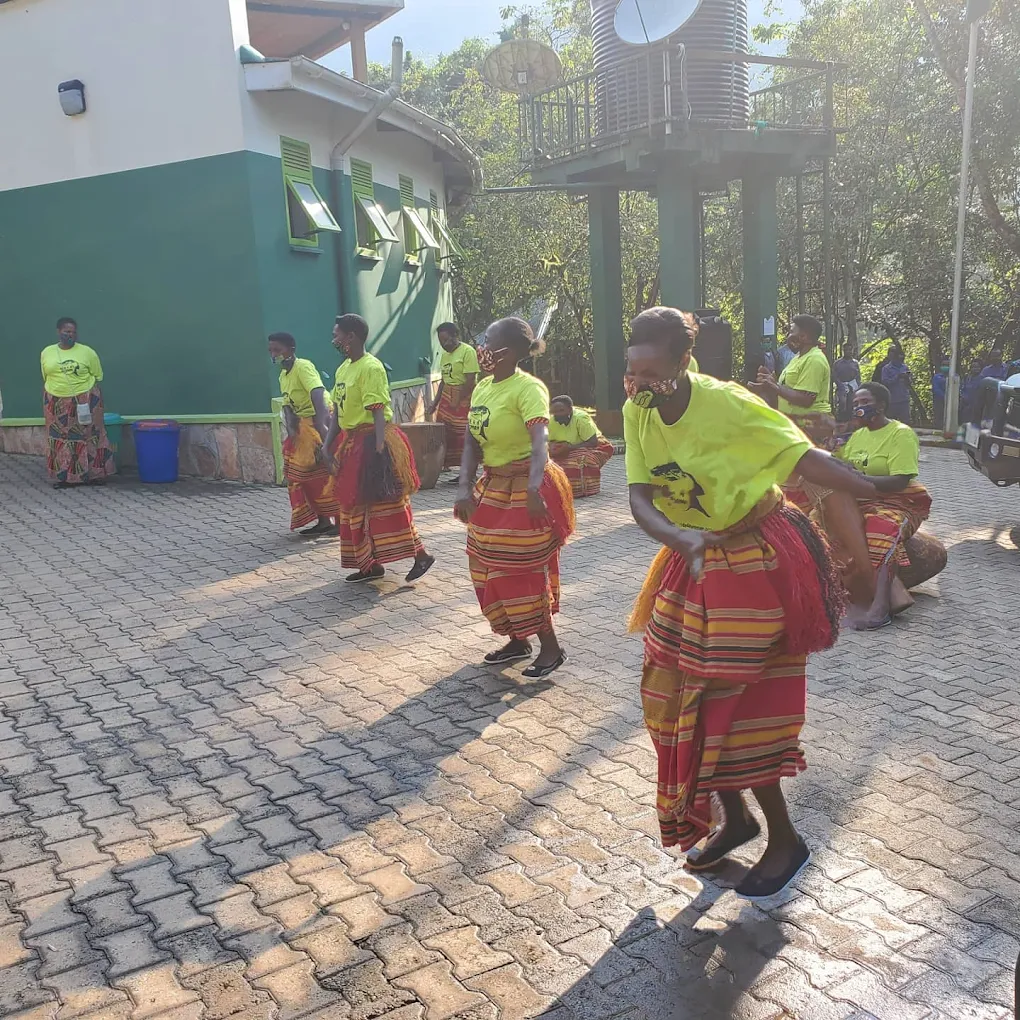
These dance performances are authentic, community-led, and deeply meaningful—with rituals, rhythms, and resilience woven into every beat. This guide explores who dances, why, how and where to engage responsibly, and how we weave these experiences into unforgettable safari stories.
1. Who Dances Near Bwindi?
Batwa People – The Keepers of the Forest
The Batwa are an indigenous pygmy community with forest-dwelling traditions going back millennia. Often referred to as “Keepers of the Forest,” they have lived in and alongside Bwindi for over 60,000 years.
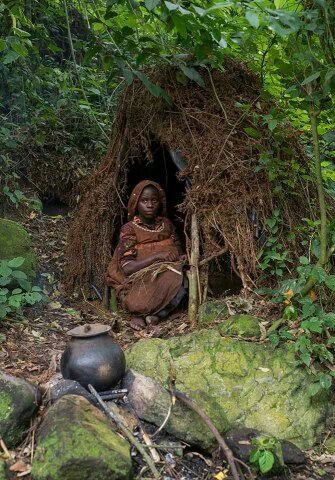
Batwa Women
Their cultural dances, songs, drum performances, and storytelling reflect their ancestral life in the forest. Typical experiences include:
-
Welcome dances and blessings
-
Rhythm & story-based songs, accompanied by traditional drums, sticks, and humming voices
-
Participation in hands-on demonstrations—fire‑making, honey‑harvesting, “bow‑and‑arrow hunts” and medicine‑plant foraging – all culminating in dance and song performances in forest‑based settings or community centres.
Bakiga Community – Guardians of the Hills
The Bakiga, predominant on Bwindi’s highland slopes, also host dance traditions such as Ekizino, a vigorous leap and stomp celebration of barn harvest or union; and courtship dances like Entogoro (Orunyege‑Ntogoro) common in Western Uganda at weddings and festivals.
While the Bakiga dances near Bwindi may be minor compared to national festivals, local village gatherings often include:
-
Bakiga folk dances in community centers or homesteads
-
Drumming circles to welcome visitors or support school or community performances
-
Village dance nights where guests may be invited to join and learn steps from local youth and elders.
2. Where to Witness These Dances
Buhoma Sector – Batwa Cultural Experience
The Buhoma sector is one of the best places to meet Batwa dancers. The Batwa Cultural Experience includes:
-
Guided trail walks with Batwa elders and UWA interpreters
-
Hands-on woodland skills: fire-making, bow crafting, honey gathering, medicine sourcing
-
Culminating in a forest‑based performance of songs, music, and dances that celebrate survival, gratitude, and ancestral stories.
Typically this experience lasts half to a full day, including the performance, and can be booked alongside gorilla treks or as a standalone activity (often USD 20–50 depending on lodge or operator).
Ruhija & Rushaga Sectors – Village Walks & Dance Nights
In Ruhija and Rushaga, community walks led by Batwa and Bakiga guides take visitors through homesteads, farms, schools, and into council chambers for music and cultural dance displays—complete with songs, local drumbeats, and the chance to join in.
Some tours include:
-
Visiting traditional healers or blacksmiths
-
Interacting with craft artisans
-
Participating in an evening dance hosted near Rubuguri or Nkuringo villages, with Batwa-led songs and Bakiga rhymes.
Batwa Cultural Centre (“Living Museum”)
A more formal setting exists at the Batwa Cultural Center near Rushaga, established to preserve heritage.
-
Visitors walk through traditional shelters, hear elder stories.
-
Cultural programs include dance, songs, medicinal‑plant teachings, and participatory performances in their council chamber or “living museum” setting.
3. What Makes These Dances Unique
Authentic Storytelling
Batwa dances aren’t just entertainment—they express survival, forest reverence, and ancestral memory. The movements, the chants, even the pace of drums carry meaning: gratitude to ancestors, honoring nature, marking forest seasons or community rites.
Interactive & Educational
Guests often help build fires, harvest honey, or try traditional archery beforehand—then join in final dances. Workshops teach rhythm, song lyrics, and symbolic steps that visitors can share in.
Connection to Landscape
Dances take place in or adjacent to Bwindi Forest or its foothills—on terraces, under guava trees, or near forest margins—linking meaning to place.
Community-Led, Not Staged
Rather than tourist shows, these dances are community-led, small group events of 6–12 people, where the performers are paid fairly and cultural integrity is prioritized.
Conservation & Empowerment Impact
Proceeds support Batwa or Bakiga projects: schools, art cooperatives, conservation efforts—ensuring cultural preservation and local livelihood benefits.
4. Sample 4-Day “Culture & Gorillas” Safari
Day 1
-
Arrival via Kampala or Kigali to Buhoma
-
Afternoon village walk at Buhoma with Batwa elder
-
Evening: Batwa welcome dance, songs & forest stories
Day-2
-
Gorilla trek in the morning
-
Afternoon visit to Batwa Cultural Centre for storytelling and dance
-
Evening conservation talk with traditional Bakiga sing‑along
Day 3
-
Transfer to Rushaga or Ruhija
-
Guided village walk with Batwa and Bakiga guides: school, healer, blacksmith
-
Ending with traditional dance performance in homestead or community area
Day-4
-
Optional cultural wrap‑up: visitor participation in dance
-
Departure or extension into neighboring Mgahinga, Lake Mutanda, or bird‑rich forests
5. What You’ll Experience in the Performance
-
Batwa Forest Dances: rhythmic drumming, humming songs celebrating forest use and ancestry; fire‑making acts prelude to dance
-
Bakiga Ekizino: energetic jumping, stomping steps symbolizing farming strength and communal joy—performed at festivals or community events.
-
Entogoro (Tooro courtship dance): more graceful, involving rattles and rings—sometimes shared by local mixed groups—but less common near Bwindi, still occasionally performed by visiting dancers from western Uganda kingdoms.
-
Combined community drum & dance nights: both Batwa and Bakiga performers, sometimes with guest participation
6. Practical Tips & What to Bring
-
Comfortable clothing for walking and sitting
-
Reusable water bottle, sunhat
-
Modest filmmaking or photos—ask permission before photographing individuals or ceremonies
-
Cash or lodge voucher to support local artists and performers
-
Respectful curiosity—no pushing to join if not sure; dancers may teach you steps
7. Sustainability & Respectful Engagement
Great Migration Adventure partners only with community‑led cultural tourism programmes that:
-
Pay dancers fair rates (not staging for cheap tourism)
-
Include part of proceeds for Batwa education, school and healthcare funding
-
Prioritize cultural integrity—performances aren’t commercialized fairy-tale shows but honest demonstrations of life and resilience.
-
Provide community walk guides trained in both visitor safety and culture sharing
Your participation supports cultural survival, not just tourist spectacle.
8. When to Experience These Dance Events
-
Any time of year, but:
-
Dry seasons (June–August, December–February): easier trail access and daylight after a gorilla trek for afternoon cultural sessions
-
Harvest seasons (July/August) often share more robust Ekizino celebrations in farming villages
-
School term breaks may host youth cultural displays at local holy days or weekends
-
Best to book 2–4 weeks in advance, especially to align dance schedules with local community time and school calendar.
9. Frequently Asked Questions (FAQs)
Q: Is it appropriate to join the dances?
A: Yes—if invited. Hosts often welcome guests to clap, sing, and follow simple steps. It’s respectful to ask first.
Q: Are performances staged for tourists?
A: At Great Migration Adventure, all experiences are community-designed, not tourist-centered routines. They hold cultural value and often share income with schools or orphan initiatives.
Q: Are tours suitable for families?
A: Absolutely—children enjoy songs, crafts, dance movement, and forest storytelling. Activities are tailor-made for mixed ages.
Q: Should I expect professional staging or casual format?
A: Mostly casual and personal. Expect performances in village spaces or hillside clearings—authentically rooted.
Q: What’s the cost?
A: Typically USD 20–50 per person depending on operator, dancer group size, interactive elements (i.e. workshops vs performances)
10. Why Great Migration Adventure
At Great Migration Adventure, we believe that travel transforms through connection. Our approach to Bwindi cultural tours:
-
Only works with Batwa-led groups and local foundations that empower elders and youth
-
Offers combined lodge transfer & cultural packages with gorilla trekking or mountain hiking
-
Provides educational depth—you’ll learn forest medicines, song meaning, material crafts, and community histories alongside dancing
-
Offers ethical tourism pledges: small groups, fair pay, donation transparency, cultural preservation initiatives
We curate cultural safaris that respect story, song, and human dignity.
Yes—you can see cultural dances near Bwindi—and you should. These moments are among the richest in any journey through Uganda’s southwestern wilds. In the songs of the Batwa, the rhythms of the forest, and the stomping of the Bakiga Ekizino, you’ll find connection, resilience, and heart.
Great Migration Adventure invites you to walk beyond gorillas and into forest song, to sit under a guava tree at day’s end and listen to ancient voices, to dance and echo rhythms of ancestors who once named the forest home.
Cultural dance near Bwindi is not a show—it is life. Let us guide you there.