Are There Canoe Trips in Selous?
Paddling Through the Heart of Wilderness with Great Migration Adventure
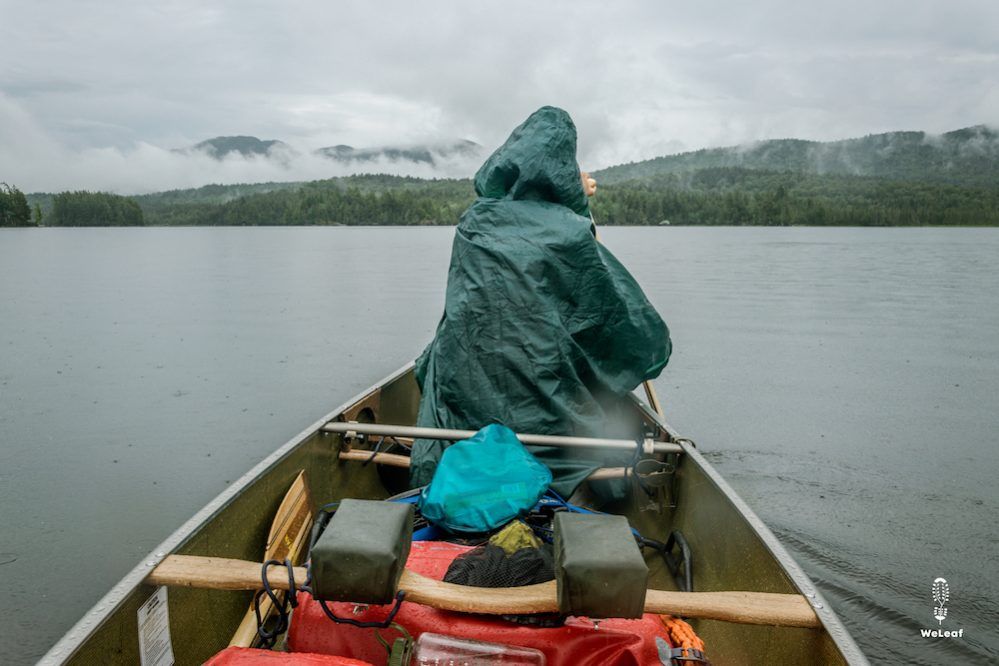
Nyerere National Park—with its vast floodplains, meandering Rufiji River, secluded islands, and network of channels—is a dynamic landscape shaped by water and wildlife. While vehicle safaris and walking tours capture the region’s grandeur, it’s canoe safaris that elevate the experience to a visceral, intimate level. Canoeing in Selous unlocks remote corners, reveals aquatic ecosystems, and blends birdsong with gentle paddles under African skies.
At Great Migration Adventure, we believe that canoe trips here are not just optional—they are central to understanding the rhythms of the reserve. Let us show you why paddling across Selous watercourses gives you deeper wildlife connection and tribal storytelling unmatched by roads or driveways.
1. Why Canoe Safaris Matter in Selous
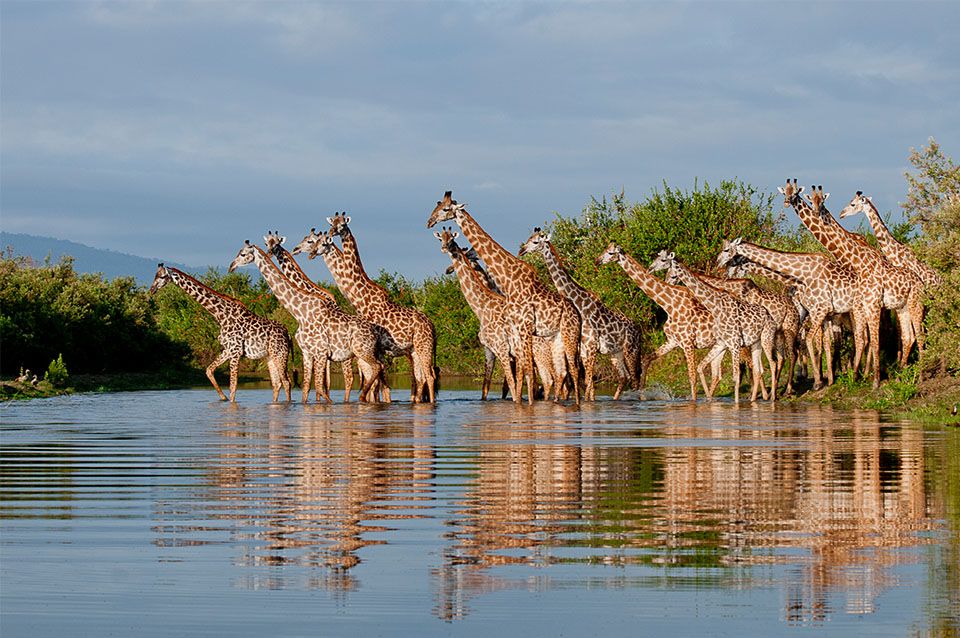
Canoe trips offer a silent portal into secluded wetlands, river branches, and flooded grassland—places unreachable by vehicle. Wildlife uses these corridors naturally: hippo wallows, crocodile sun‑baths, fishing osprey and declining waterfowl thriving unseen. Canoeing reveals:
immersion in aquatic birdlife and fish‑feeding areas wilderness zones untrammeled by dust
firsthand sense of water’s role in shaping vegetation and wildlife movement
side‑channel vantage points where the quiet presence of canoe means wildlife remains undisturbed
sacred connection to water—historically central to communities living around the Rufiji basin
Canoeing isn’t just sightseeing—it’s waterborne storytelling.
2. Where Canoe Trips Operate in Selous
Rufiji River Main Channel & Sandbanks
Morning and sunset paddles trace the main channel near Mugundeni or Nzerakera, allowing observation of hippo pods, kingfishers, jacanas, African skimmers, and crocs from waterline level.
Secondary Channels and Floodplains
Guided routes wind through seasonal flood basins where temporary pools form, hosting papyrus swamps, sunbird gardens, and small mammals visiting water’s edge. These channels are ideal in the dry season when water levels retract.
Island Crossings & Hidden Sheltered Bays
Dry‑season floods leave islands between between river branches where canoe landings reveal wildlife tracks without the noise of vehicles. Guests may step ashore to bird or track smaller mammals before relaunching on hush-calm water.
Lodge‑Operated Canoe Docks
Selective camps like Selous Safari Camp, Siwandu, or Beho Beho provide canoe platforms where everyday paddles depart directly from lodge waterfront.
3. What Wildlife You’ll See from a Canoe
Aquatic Mammals
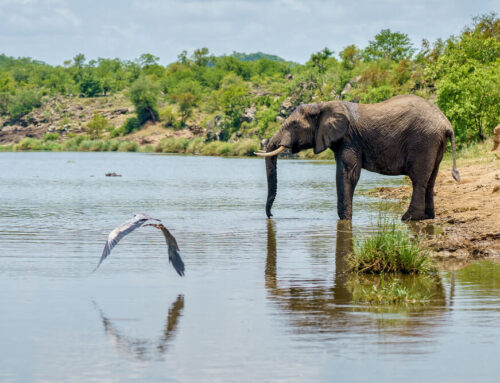
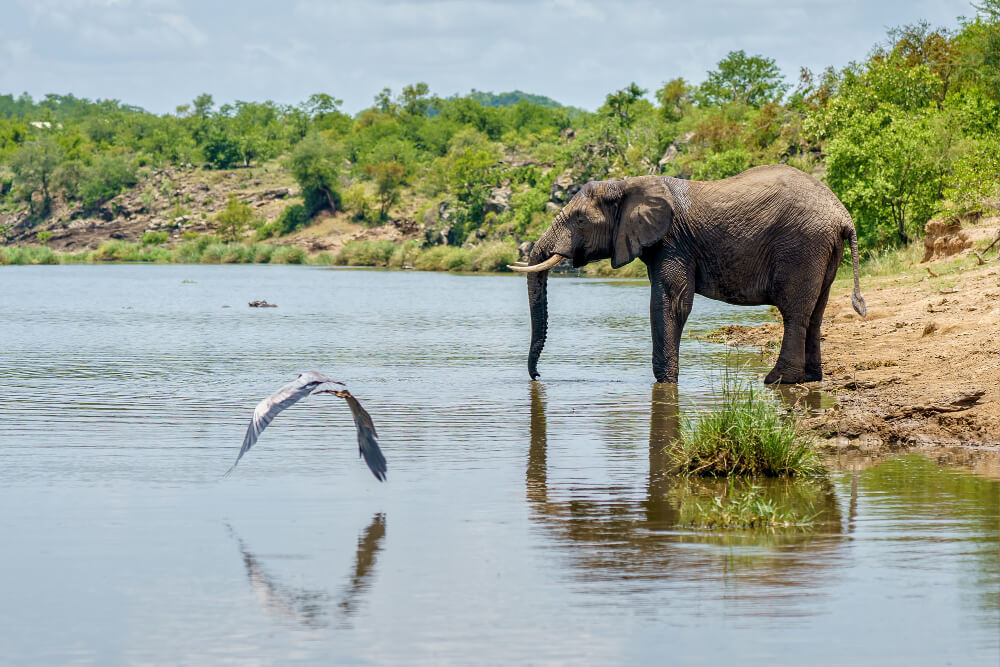
Hippos submerged and surfacing; monitor lizards slipping into water; occasional sitatunga antelope wading along reeds; gentle riverine elephants crossing shallow stretches.
Bird Life Abundant and Close
Fish eagles soar overhead; malachite kingfishers hover above water; African skimmers skim surface for tiny fish; herons and egrets line papyrus bays. Migratory shorebirds appear seasonally.
Reptiles & Aquatic Ecology
Crocodiles bask on sandbanks; terrapins emerge at midday; waterlily and hyacinth patches host dragonflies. Canoes afford vantage to appreciate aquatic insect life and spongey wetlands.
Subtle Land-Based Creatures
Small antelope like oribi or duikers may edge reed banks; bushbuck sneak into shade; elephants and buffalo cross channels, visible at the treeline.
4. Paddling Experience and Canoe Techniques
Quiet Glide & Minimal Disturbance
Canoes move whisper-soft across glassy water. Guides coach paddling strokes to avoid splashing, enabling unexpected wildlife moments.
Wildlife Patience & Field Etiquette
Trips pause mid-channel to let hippos surface or birds dive unperturbed, with silence maintained. Conversations are hushed; camera shutters muffled.
Guided Disembarkation & Tracking
Where allowed, guides land guests on small islands or riverbanks to track footprints, explain plant uses, or observe reptiles without intruding on rest zones.
Shared Canoe or Private Options
Most lodges offer both shared and exclusive canoe options. Groups are small—usually max six guests plus guide—to preserve intimacy.
5. Sample 5-Day Canoe-Centric Itinerary
Day 1 – Arrival & Evening Settling Cruise
Reach Selous and check into lodge with canoe access. Enjoy an introductory sunset paddle along channel edges to stretch legs and watch first hippo pods.
Day 2 – Morning Canoe Safari & Afternoon Walk
Begin with paddles at dawn to catch royal fish eagle fishing dives. After midday rest, walk near lakeshore edges exploring trails known for sunbirds and reptile galleries.
Day 3 – Channel and Bay Exploration
Full morning canoe exploring secondary channels. Break for shaded brunch on riverbank island. Afternoon drive along floodplain rims for big game contrast.
Day 4 – Dawn Canoe & Boat Cruise Couple
Combine canoe glide at dawn with midday boat safari to see crocs and hippo interaction zones from multiple perspectives.
Day 5 – Final Canoe Paddle & Departure
Early paddle in shaded river arms to absorb silence and call of birds. Return to lodge by breakfast before departure transfers.
Optional extensions: fishing village visits, walking safaris, Mikumi game drives, or Ruaha birding combination.
6. Ideal Seasons for Canoeing
Dry Season (June–October, December–March)
Best: water levels drop, navigable channels appear, wildlife concentrates, shade becomes precious, birdlife gathers at shrinking aquatic pools.
Green Season (March–May, November)
Canoes still possible but flooded channels or heavy weeds present dialing in narrow paddles day by day. Bird diversity rises, but navigation challenges increase.
Time of Day
Dawn and dusk are best—calm water, cool air, active wildlife. Late morning may feel warm, especially under subequatorial sun—but wildlife continues near islands and tree shade.
7. Gear and Safety Recommendations
Wear trek pants and long sleeves to protect from sun and insect spray. Wide-brim hat helps shade. Bring water bottle, sunscreen, insect repellent. Closed shoes recommended when landing. Binoculars, camera with zoom lens advised. Float vests are provided; obey guide instructions strictly. Weather can shift—have lightweight raincover if paddling in early‐rain months.
8. Conservation and Local Involvement
Canoe operations partner with park authorities and local communities. Revenues support ranger patrols, wetland protection, and employment for local canoe guides. Canoe zones represent low-impact tourism alternatives to road disturbance. Great Migration Adventure only works with operators that adhere to strict ecotourism principles: no feeding wildlife, no litter, no off-channel canoeing, and respect for sacred or breeding habitats.
9. Frequently Asked Questions
Can everyone canoe in Selous?
Yes—most ages within health limits; children generally allowed from about seven years old. Basic training ensures comfort.
Are canoe trips safe with hippos?
Safety protocols mean canoes remain at safe distance from hippos. Guides understand behavior and steer clear when pods converge. Entering water is never permitted.
Is it possible to do night canoeing?
No—the park prohibits paddling after dark for safety and wildlife protection.
Does canoe affect wildlife?
On the contrary—it’s regarded by animals as water traffic, often ignored. Hippos and elephants consider canoes insignificant, letting natural rhythms continue.
10. Why Choose Great Migration Adventure
We specialize in waterborne safaris combined with land narratives. Our approach ensures you don’t just paddle—you discover ecology, culture, rhythm. We arrange private canoe options, train guides in ecology interpretation, and weave canoe scenes into broader safari itineraries across Selous and beyond. We manage permits, transfers, schedules and backup plans so that your canoe trip is unforgettable and seamless.
11. Additional Wildlife & Ecosystem Themes
Canoeing reveals aquatic food chains, seasonal bird concentrations, fish movement, overlay of reptilian and mammalian life dependent on water. Pair canoe experiences with walking safaris to deeper bush margins, boat wilderness zones on lakes, or scenic drives along floodplain corridors for a full sensory safari narrative.
12. Final Thoughts: Water as Safari Canvas
Canoe trips in Selous present Africa’s wild in slow motion—calm, reflective, sensory‑rich. The Rufiji becomes story, the reeds become gallery, the waterbird flight becomes movement in a film you paddle through. Yes—you can canoe across Selous wildlife corridors. And you should—especially with Great Migration Adventure guiding every stroke, story, and horizon where land meets water.