Are There Canoe Safaris in Uganda? Your Ultimate Guide by Great Migration Adventure
Canoe safaris offer a uniquely intimate and eco-friendly way to experience Uganda’s rich wetland ecosystems. Gliding silently through waterways in a dugout or lightweight canoe opens doors to observing wildlife, birdlife, people, and landscapes in a way that motorboats and game drives simply can’t. If you’re wondering, “Are there canoe safaris in Uganda?”—the answer is a resounding yes. With Great Migration Adventure, we curate these paddle-led journeys alongside classic safari offerings for unmatched immersion in Uganda’s wild the water‑level experience.
What Is a Canoe Safari, and Why Try It?
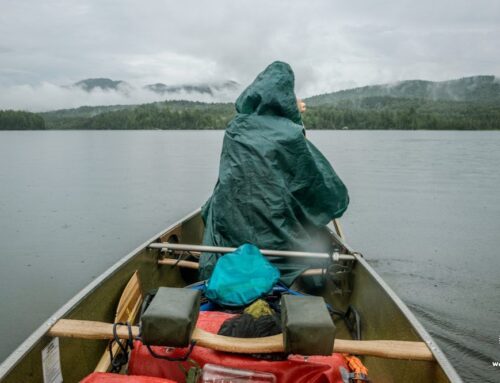
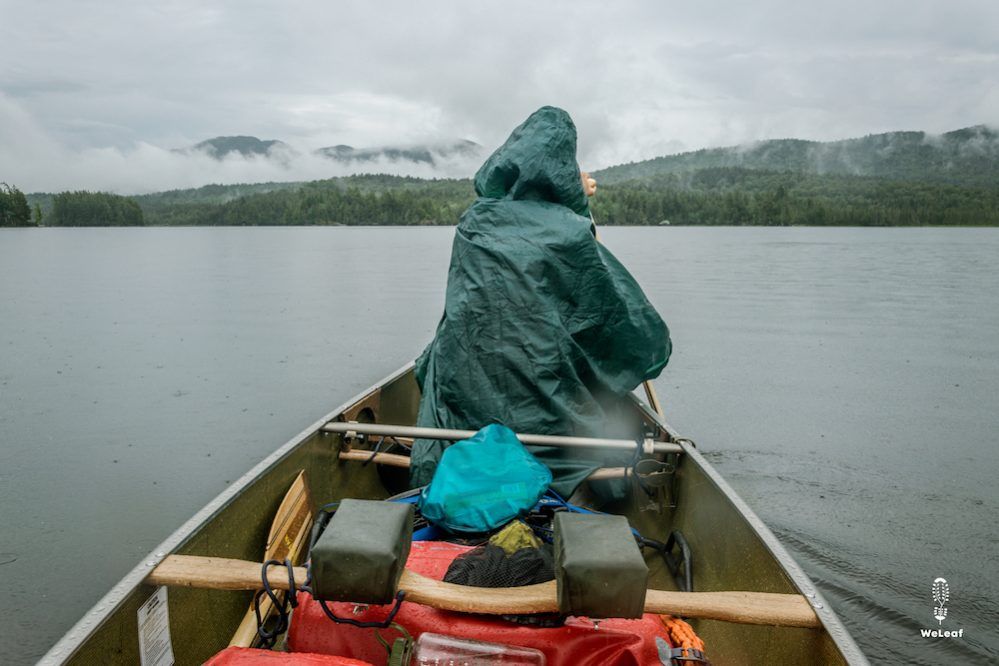
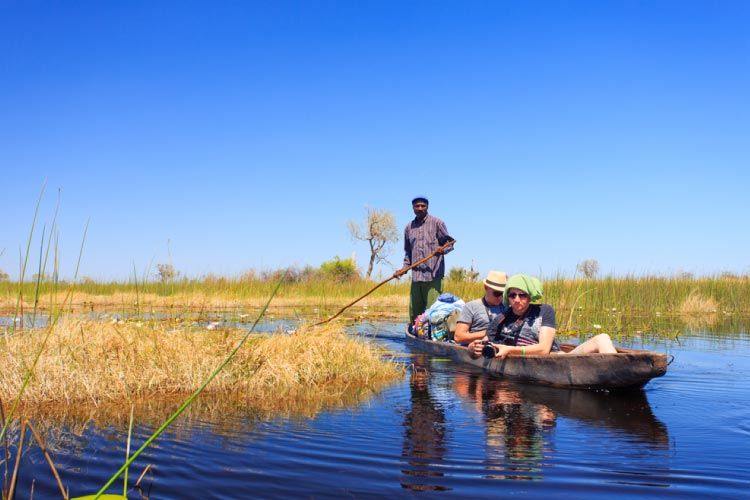
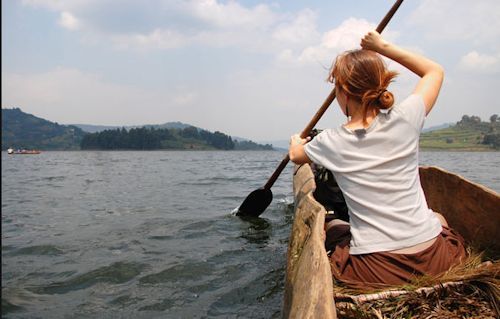
A canoe safari is a guided paddle trip, often in a traditional dugout canoe or sit-on-top kayak, navigated gently through lakes, rivers, swamps, or slow-moving channels. The appeal lies in its silence—you float low on the water, hear birds wake, gaze at ripples on lily pads, and watch wildlife approach naturally. Canoes minimize disturbance, are carbon-free, and suitable for birding, photography, families, or travelers seeking spacious calm in wilderness. As one expert noted, this style is “silent and eco‑friendly”—ideal for authenticity and immersion.
Canoe Safaris in Uganda
Top Canoe Safari Locations in Uganda
Lake Bunyonyi
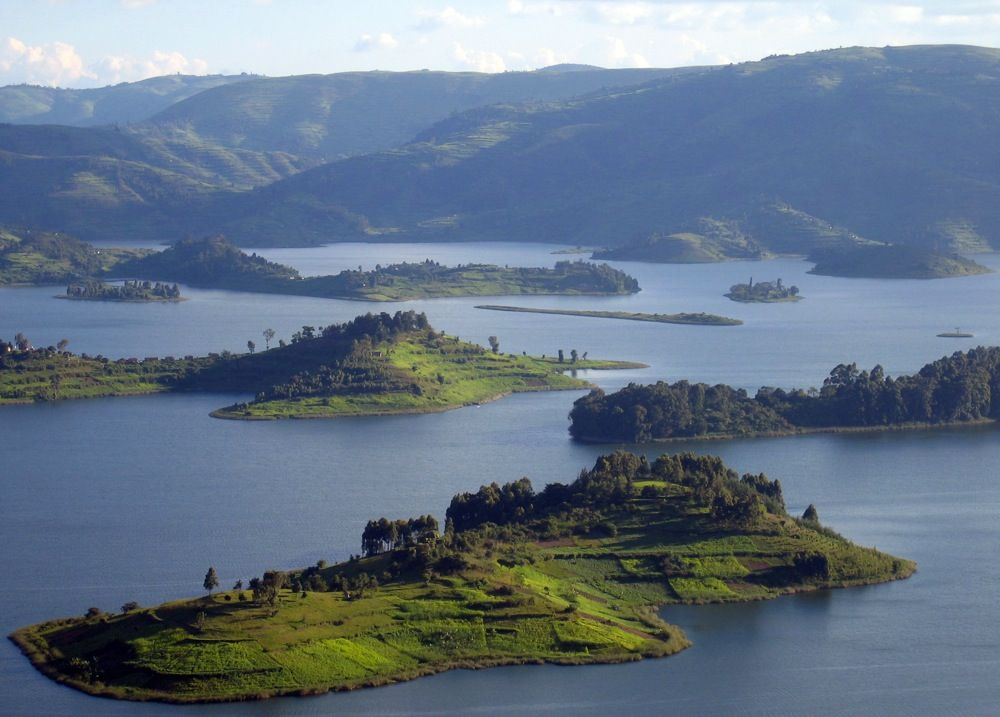
Hidden in the hills of southwestern Uganda, Lake Bunyonyi is among East Africa’s deepest lakes, dotted with nearly thirty islands. Its calm, crocodile‑free waters make it exceptionally safe and scenic for paddlers. Canoe routes include island hopping, visits to traditional homesteads on islands like “Punishment Island,” and bird encounters with grey-crowned cranes, weaver birds, and fish‑eating species. It’s perfect for families, those recovering from gorilla trekking, or couples seeking serenity.
Lake Bunyonyi
Lake Mutanda
At the edge of the Virunga Volcano region, Lake Mutanda offers tranquil paddling under volcanic peaks and visits to small islets and lakeshore communities. Birdwatchers love the kingfishers and crested crane habitat here. Though hippos were last seen decades ago, canoe trips remain peaceful, reflective, and photogenic. It serves as a gentle complement to primate trekking in Mgahinga or Bwindi.
Mabamba Swamp (Lake Victoria Wetlands)
East of Entebbe lies Mabamba Swamp, home to the elusive shoebill stork. The only way to access its papyrus channels is by canoe, gliding among lilies and reeds to spot shoebills, papyrus gonoleks, jacanas, and forest edge birds. This half‑day excursion yields high rewards for birders and photographers.
Katonga Wildlife Reserve & River
This wetland-savannah mosaic in western Uganda is explored best by canoe. Guides navigate the Katonga River and seasonal marshes where sitatunga antelope, bushbuck, waterbuck, reedbuck, otters, and over 150 bird species gather. Visitor access includes canoe trails and walking safaris from entry campsites.
Semliki Wildlife Reserve and Lake Albert Riparian Zones
Stretching toward Lake Albert, this reserve features floodplain forests, riverine habitat, and wetlands ideal for canoe access. Birdlife includes shoebills, pygmy geese, bee‑eaters, coucals. Canoe safaris here offer encounters rarely available in busier parks—thrilling for nature lovers wanting remote wilderness.
Nile & Murchison Falls Region
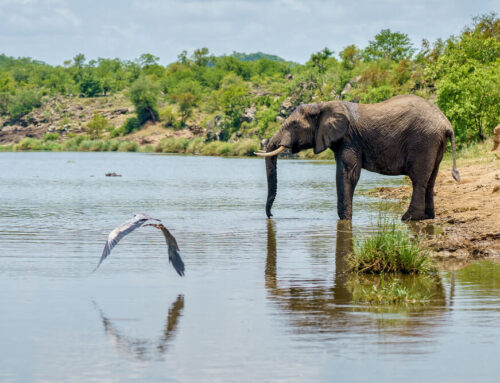
While strong rapids at Jinja and Itanda deter classic canoe tours, calmer sections downstream near Murchison Falls allow safe paddling. However, such trips are better as motorboat safaris. Where permissible, paddlers can float in shaded channels watching hippos, crocodiles, birdlife, and shoreline wildlife from water vantage.
Nyerere (Selous) / Rufiji System (Tanzania Extension)
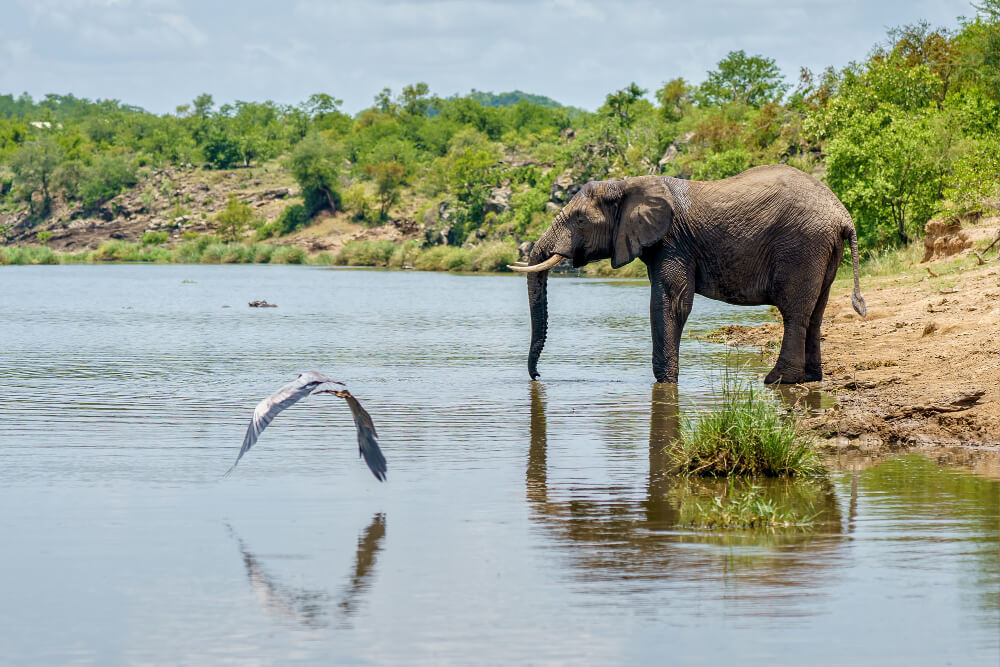
Though beyond Uganda, the Rufiji River in Tanzania offers some of Africa’s finest canoe safaris, passing hippos, elephants, buffalo, and crocodiles. This experience complements Ugandan water travel when combining itineraries regionally.
What Wildlife & Scenes Await
-
Birdlife: Among 300+ bird species from shoebills to herons to kingfishers and papyrus specialist birds seen from canoe prow.
-
Aquatic fauna: View African clawless otters, monitor lizards, and possibly harmless sightings of hippos in safe distances—again depending on location.
-
Human and nature culture: Canoe through fishing villages on Lake Victoria, visit islands of Lake Bunyonyi or Mutanda with local guides and community stories.
-
Flora & wetland ecology: Papyrus forests, lake reeds, marsh grasses, escarpment views, and rift valley lakeside ecosystems.
When to Canoe: Best Seasons
The dry seasons—June to August and December to February—offer calm waters, clearer skies, and optimum bird activity. River levels are high enough to paddle safely in rivers and swamp channels. Wet seasons may flood trails and increase insects but still allow paddling in select lakes.
Safety & Visitor Guidelines
-
Life jackets provided; swimming ability preferred but not essential.
-
Always follow guide instructions; avoid approaching hippos or crocodiles. Staff maintain safe distances.
-
Carry reusable water bottle, sunhat, binoculars, camera, quick-dry clothing.
-
Canoe excursions include briefings and are led by local guides trained in wildlife and water safety.
Sample Itinerary: Lake Bunyonyi & Gorilla Country
Day 1: Arrive Entebbe/Kampala; transfer southwest toward Bwindi region.
Day-2: Morning gorilla trekking (Bwindi or Mgahinga); afternoon recovery canoe ride on Lake Mutanda.
Day 3: Drive to Lake Bunyonyi; evening canoe sugarbird-view or sunset island paddle.
Day-4: Sunrise canoe tour exploring islands and birding; downstream drive toward Queen Elizabeth.
Day 5: Canoe safari in Katonga Reserve or Mabamba swamp walk.
This itinerary interlaces primates, paddling, wildlife, and cultural immersion.
Sample Add-on Itinerary: Murchison Falls & Nile Float
Day 1: Arrive Entebbe → flight or drive to Masindi/Murchison.
Day-2: Morning game drive; afternoon Nile cruise near hippo pools.
Day 3: (If conditions allow) Canoe paddle in quieter Nile tributaries; birdlife and riverside wildlife viewing.
Day-4: Continue bush safari or transfer back toward primate zones or Entebbe.
Boats are primary for Nile sections but small canoe sidetracks occasionally possible.
Why Choose Great Migration Adventure
-
We design canoe safaris tailored to your interests and physical level.
-
We partner with trusted operators and local guides for safety and sustainability.
-
We coordinate permits, transport, lodges, guiding teams, and conservation contributions.
-
We ensure small-group experiences for intimacy and low-impact travel.
-
We integrate canoe safaris with game drives, chimp and gorilla treks, and cultural visits for rich itineraries.
Conservation & Community Impact
Choosing canoe travel supports local livelihoods—often residents supply boats, guide services, conservation fees, and island community tourism. Canoe trails preserve traditional craft and eco-ethics (minimal motor use, low impact). Sites like Katonga, Mabamba, Bunyonyi, and Mutanda benefit from controlled eco-tourism revenue supporting habitat protection and wetland health.
Real Guest Reflections
“Paddling on Lake Bunyonyi at sunset, hearing cranes call, islands drifting by—it felt like Africa softly spoke.”
“Our guide glided us through papyrus channels at Mabamba; we saw a shoebill suddenly emerge and freeze—unforgettable.”
“The canoe at Mutanda was quiet, cool, peaceful. After gorilla trekking, it was a balm for the soul.”
Frequently Asked Questions
Are canoe safaris safe with hippos or crocodiles?
Operators keep safe distances and canoe in calm, wildlife‑appropriate locations. Guides are trained to avoid risky zones.
Is prior canoeing experience needed?
Not necessarily. Calm lakes like Bunyonyi or Mutanda suit beginners; guided supports ensure ease. Rapids or swamps require some paddling skill.
Can canoe safaris be done year-round?
Yes in lakes and swamp areas. River and swamp water levels may fluctuate—dry season offers more consistent paddling.
Can children participate?
Yes—particularly on flat lakes where canoes can hold small groups with children under supervision.
Yes—you can absolutely enjoy canoe safaris in Uganda, from tranquil paddles on lakes nestled beneath volcanic peaks to silent drifts through papyrus swamps tracking shoebills or otters. When arranged through Great Migration Adventure, these waterborn journeys become seamlessly integrated into wildlife tours—adding depth, quiet beauty, and conservation-focused experience to your Uganda trip.
Let us help you craft an itinerary that wakes you at the water’s edge as birds begin their day, that glides past local life and hidden shorelines, that connects you to Uganda’s riverine soul.