Ndutu in January and February: Your Complete Guide
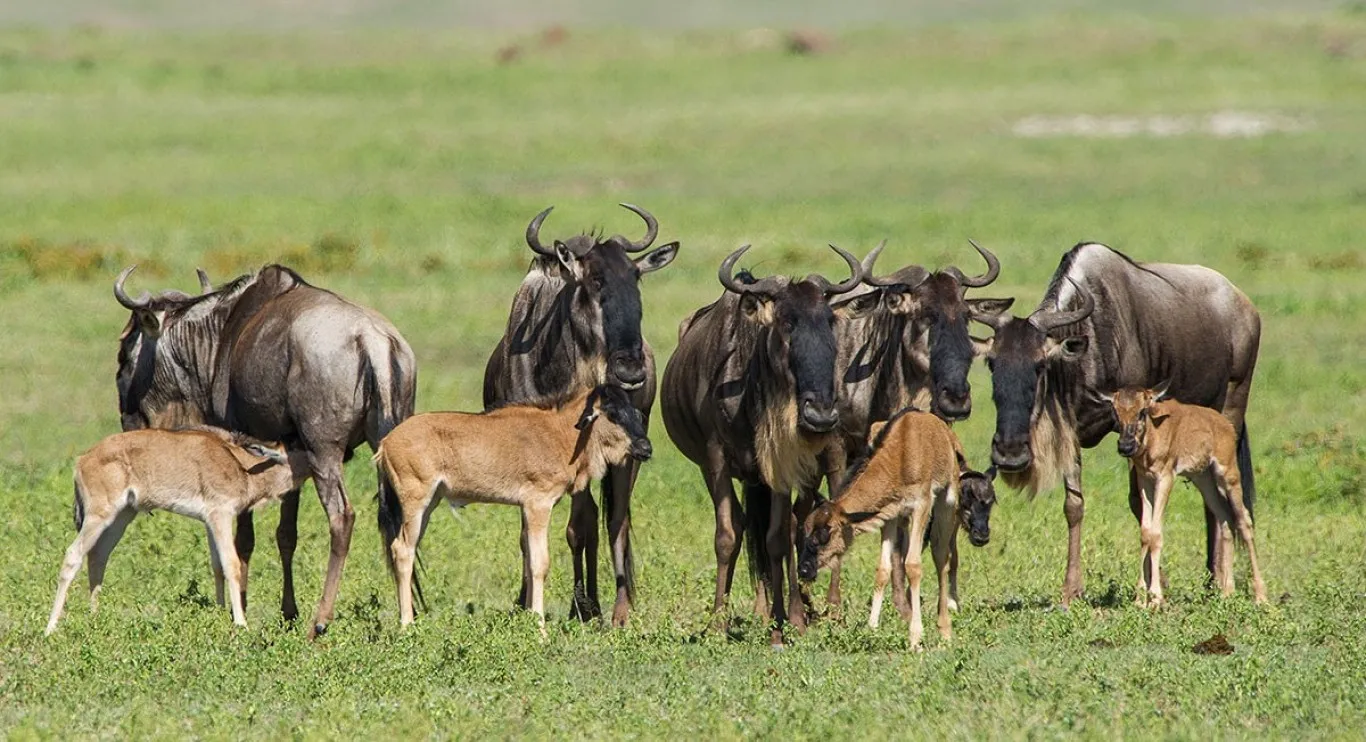
Ndutu in January and February represents one of the most dramatic wildlife periods in Africa, when the southern Serengeti plains transform into a vast nursery for hundreds of thousands of wildebeest calves. This short but intense seasonal window is defined by life, survival, and predator-prey interactions at their most raw and visible.
The Ndutu region sits within the greater Serengeti ecosystem, overlapping the southern plains of Ngorongoro Conservation Area and the southern edges of Serengeti National Park. These nutrient-rich short-grass plains attract massive herds of wildebeest, zebra, and gazelles during the green season.
What makes Ndutu exceptional during these months is not just the sheer number of animals, but the concentration of predator activity that follows. Lions, cheetahs, hyenas, and leopards all converge on the area, creating one of the highest densities of big cat interactions in the world.
The Great Migration Calving Event
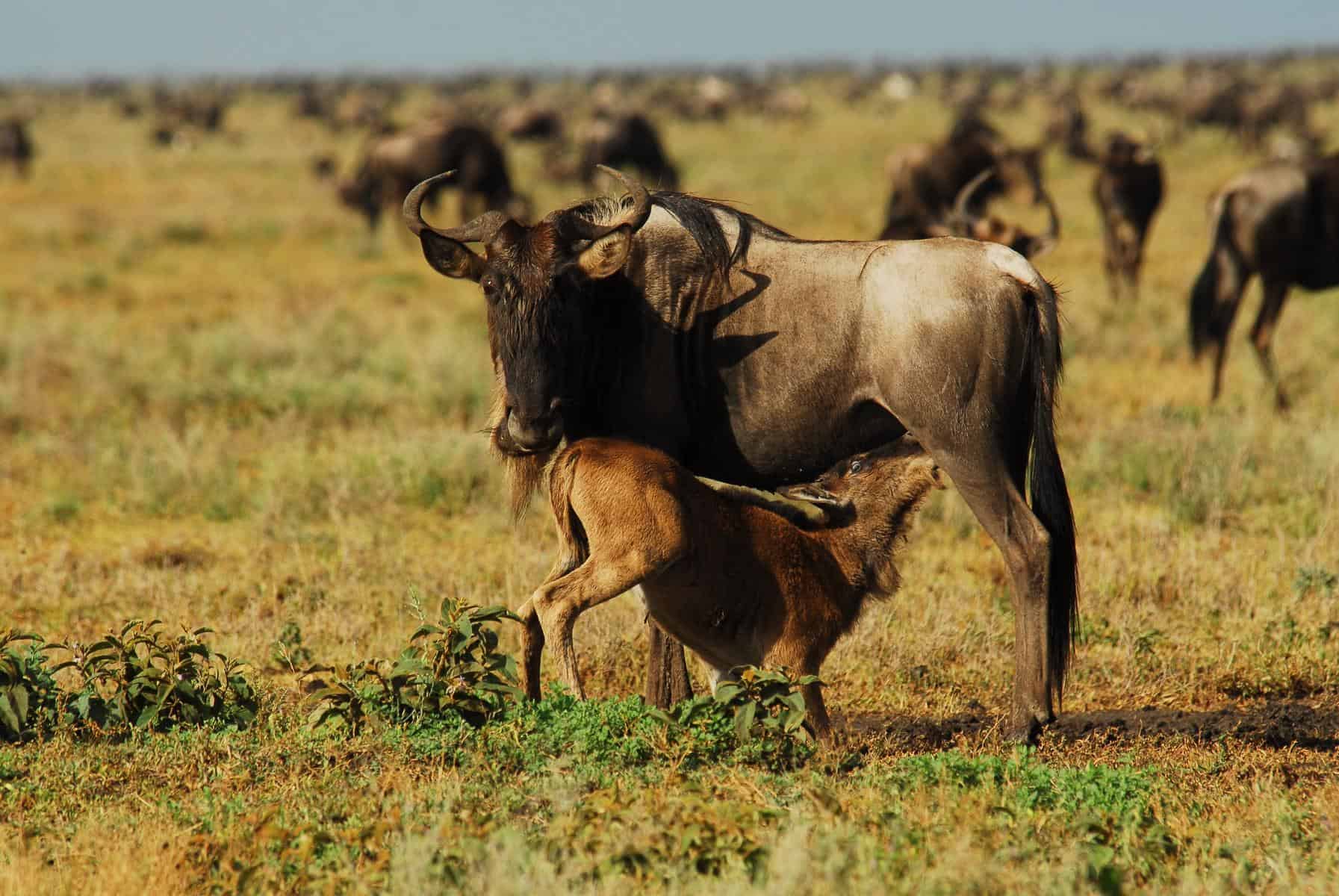
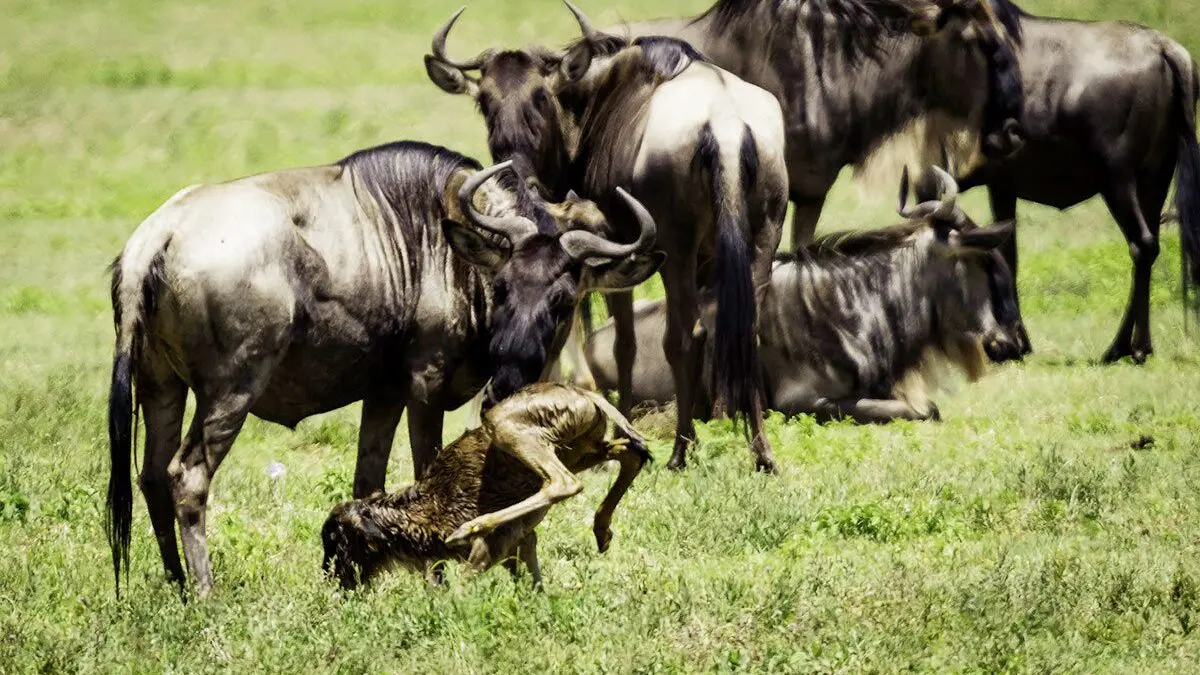
The calving season is the heart of Ndutu’s January and February safari experience, with up to 8,000 wildebeest calves born each day at peak times. This synchronized birthing strategy overwhelms predators, increasing the survival chances of the newborns.
Within Ndutu Plains, the open grasslands provide both visibility and vulnerability. Calves are able to stand within minutes of birth, but they remain highly exposed to predators during their first days of life.
This constant cycle of birth and survival creates nonstop wildlife action, making Ndutu one of the most active safari destinations in Africa during this period.
Wildlife Density in January and February
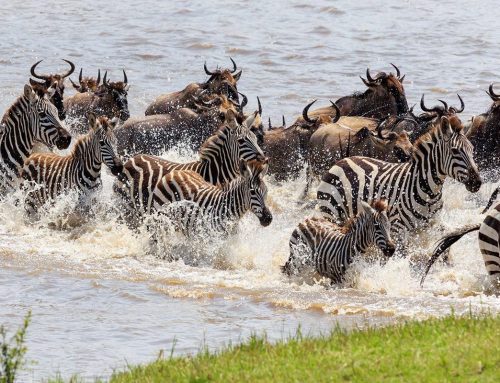
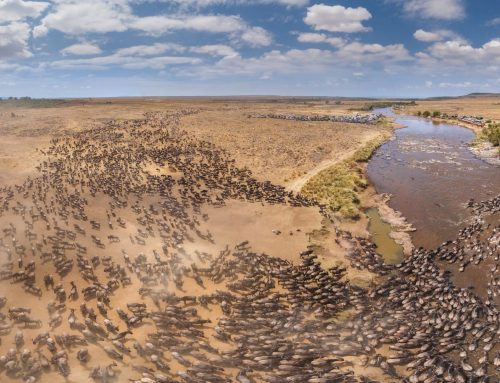
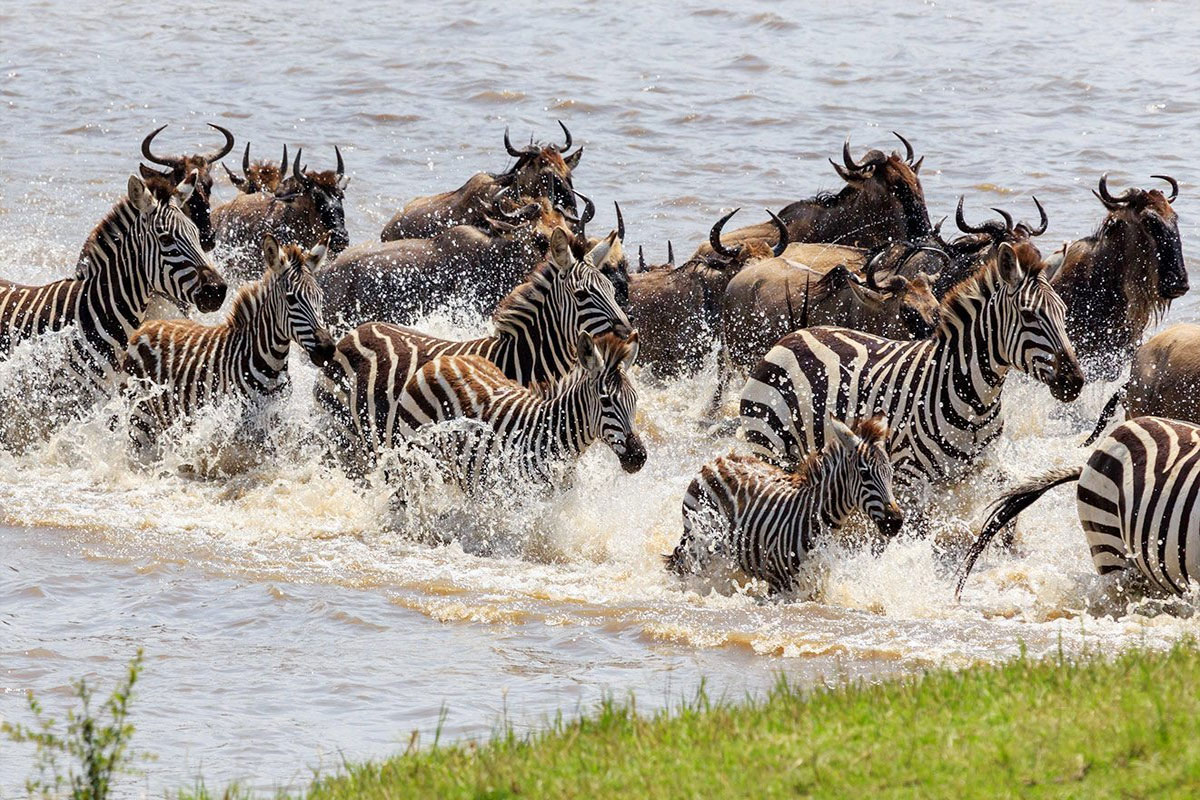
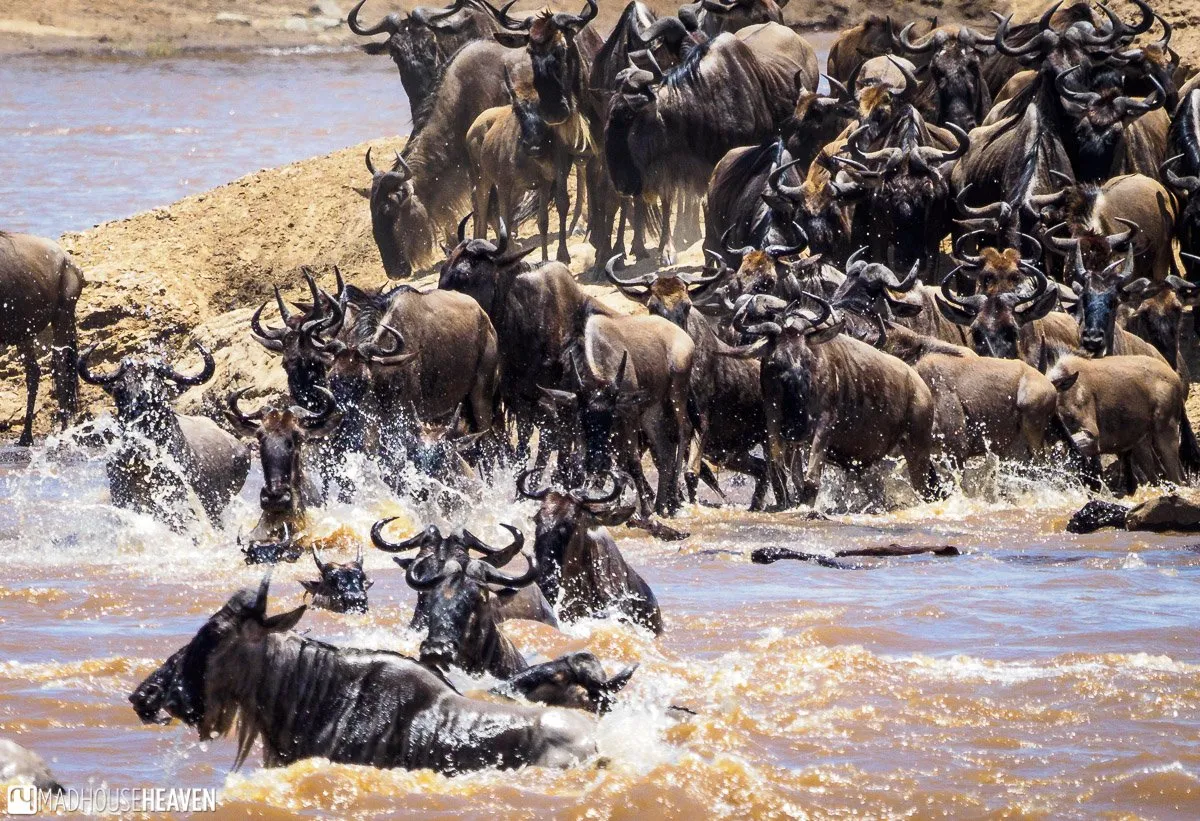
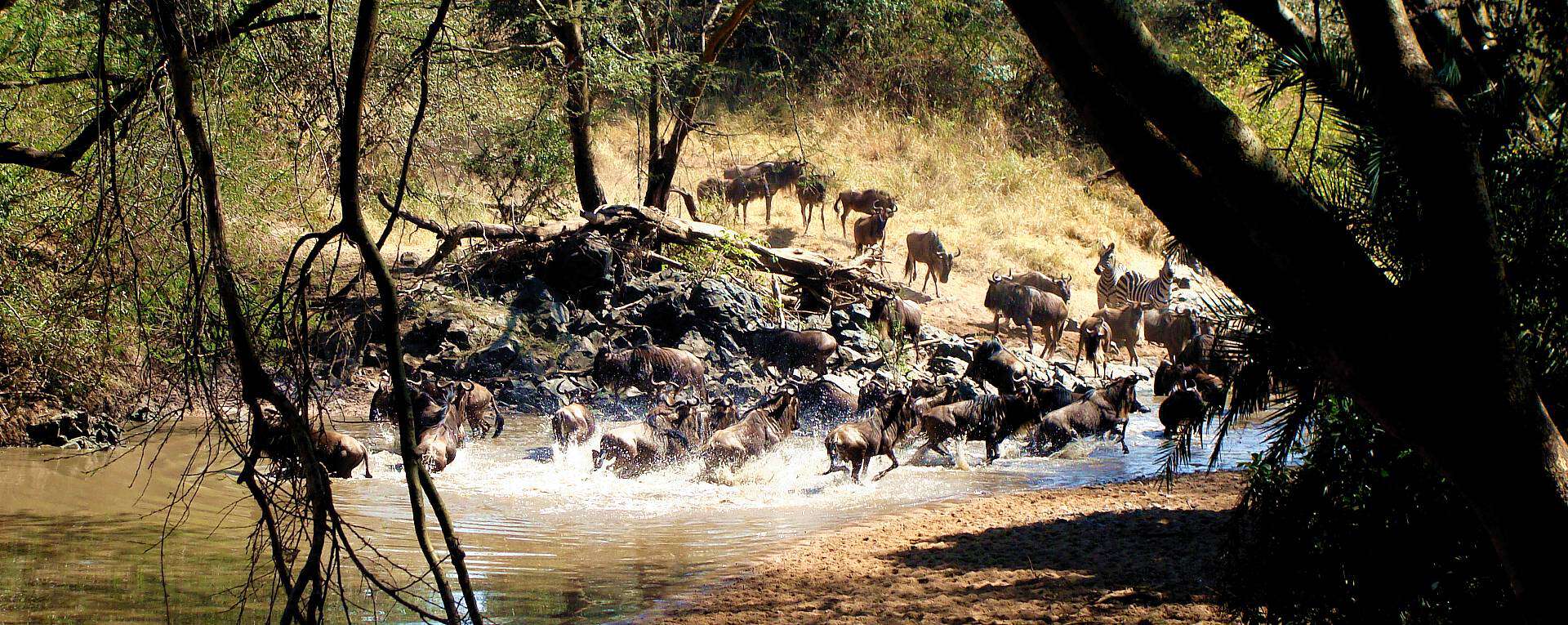
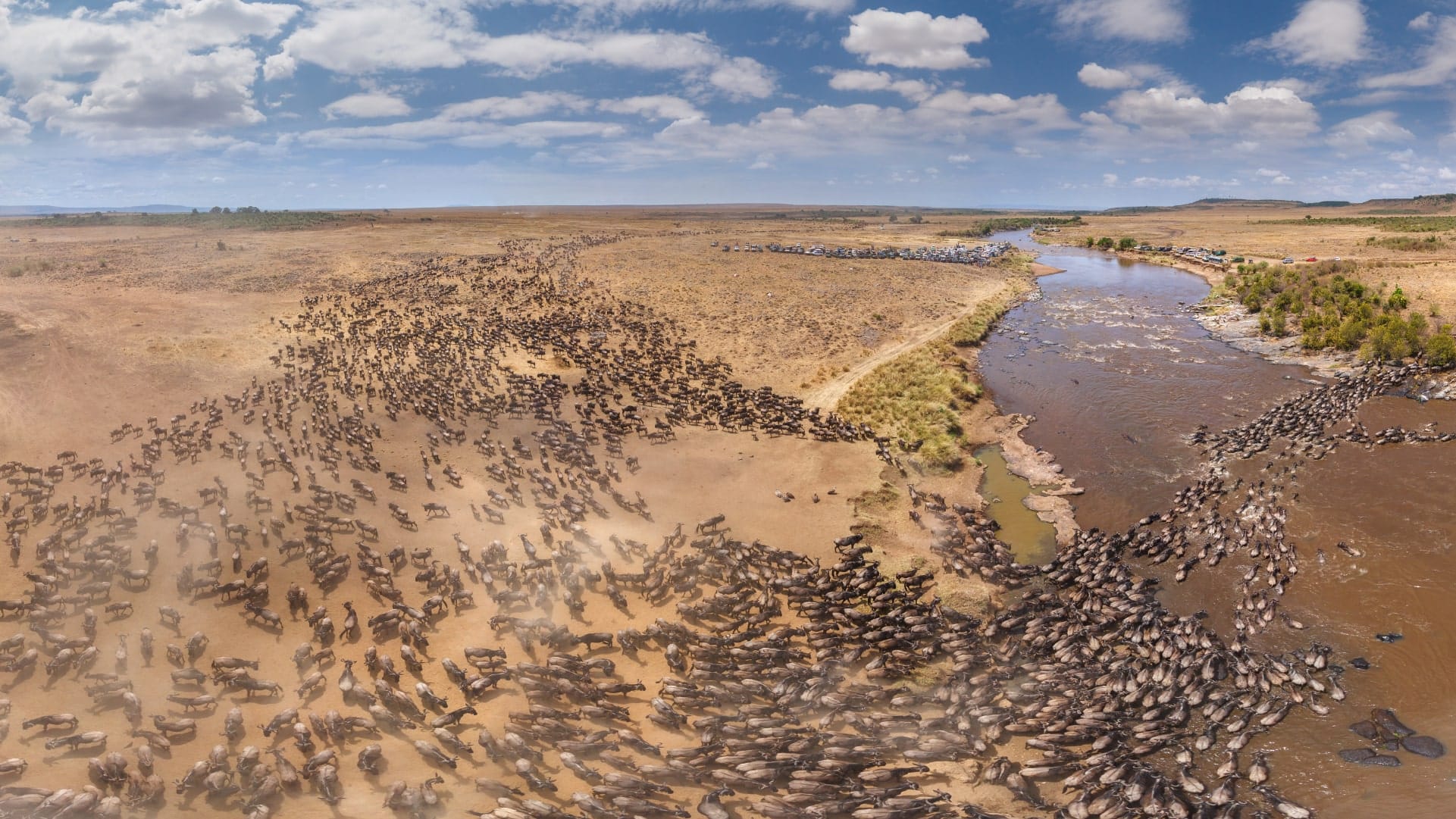
Ndutu during these months supports one of the highest concentrations of wildlife anywhere in East Africa. Wildebeest herds dominate the landscape, often stretching to the horizon, while zebra and gazelles mix within the same grazing areas.
In Ndutu Plains, the nutrient-rich grasses that grow after the short rains provide ideal grazing conditions, drawing animals from across the Serengeti-Mara ecosystem.
This abundance of prey naturally attracts large predator populations, creating a balanced but highly active ecosystem.
Ndutu in January and February
Predator Action in Ndutu
Predator activity in Ndutu during January and February is among the most intense in Africa due to the availability of vulnerable newborn calves. Lions are particularly active, often hunting in coordinated groups across the open plains.
Within Serengeti National Park and surrounding Ndutu areas, cheetahs take advantage of open visibility to chase fast-moving prey, while hyenas patrol in large clans searching for weak or isolated calves.
Leopards, though more elusive, are also present in surrounding woodlands and acacia zones, adding diversity to predator sightings.
Landscape and Weather Conditions
The Ndutu landscape during January and February is defined by lush green plains, scattered acacia trees, and seasonal water sources created by short rains. This creates ideal grazing conditions for herbivores and supports the entire migration cycle.
In Ndutu Plains, the weather is typically warm with occasional afternoon showers that maintain grass growth and sustain the ecosystem’s productivity.
These conditions also enhance photography opportunities, with dramatic skies, soft lighting, and vibrant green backgrounds.
Safari Experience in Ndutu
A safari in Ndutu during calving season is highly dynamic, with constant wildlife movement and unpredictable predator-prey interactions. Game drives often reveal multiple active scenes within a single outing, from births to hunts.
Within Ngorongoro Conservation Area, safari routes allow off-road driving in designated areas, improving access to wildlife-rich zones compared to many other protected regions.
This flexibility significantly enhances the chances of close-range wildlife encounters.
Best Places to Stay in Ndutu
Accommodation in Ndutu ranges from mobile tented camps to permanent lodges positioned strategically within the migration corridor. These camps are designed to move with the herds, ensuring proximity to wildlife action.
In Ndutu Plains, staying inside the ecosystem boundary is highly recommended during January and February, as wildlife is widely distributed and constantly moving.
Early booking is essential due to high demand during the calving season, which is considered peak safari period.
Ndutu in January and February
Photography Opportunities
Ndutu is considered one of the best wildlife photography destinations in Africa during January and February due to its open landscapes and high animal density. The combination of green plains and dramatic action scenes creates ideal conditions for storytelling images.
Within Serengeti National Park, photographers often capture predator hunts, newborn calves, and large herd movements within the same frame sequence.
Lighting conditions during this period are particularly favorable, with soft morning light and dramatic evening skies.
Safari Costs and Planning Considerations
Safari costs in Ndutu during calving season tend to be higher due to peak demand and limited accommodation availability. However, the experience is widely considered worth the investment due to the intensity of wildlife activity.
In Ngorongoro Conservation Area, park access fees, accommodation rates, and guiding services should all be factored into planning a January or February safari.
Advance booking ensures better lodge selection and access to prime wildlife viewing areas.
Why Ndutu Is Special in These Months
Ndutu’s uniqueness in January and February lies in the combination of birth, survival, and predator concentration happening simultaneously on open plains. Few wildlife destinations in the world offer such predictable yet dramatic natural events.
Within Ndutu Plains, the ecosystem becomes a stage for one of the greatest wildlife spectacles on Earth, driven entirely by seasonal rainfall and migration instinct.
This makes Ndutu a must-visit destination for serious safari enthusiasts and wildlife photographers.
Final Thoughts on Ndutu in January and February
Ndutu during calving season delivers one of the most intense and emotionally powerful safari experiences in Africa. The sheer scale of life, combined with constant predator activity, creates a dynamic and unforgettable wildlife environment.
Within Serengeti National Park and surrounding conservation areas, this period represents the peak of ecological drama within the Great Migration cycle.
For travelers seeking raw wildlife action, Ndutu in January and February offers an unmatched front-row seat to nature’s most dramatic events.