Wildebeest Calving Season: The Most Underrated Migration Experience
Overview of the Calving Season Phenomenon
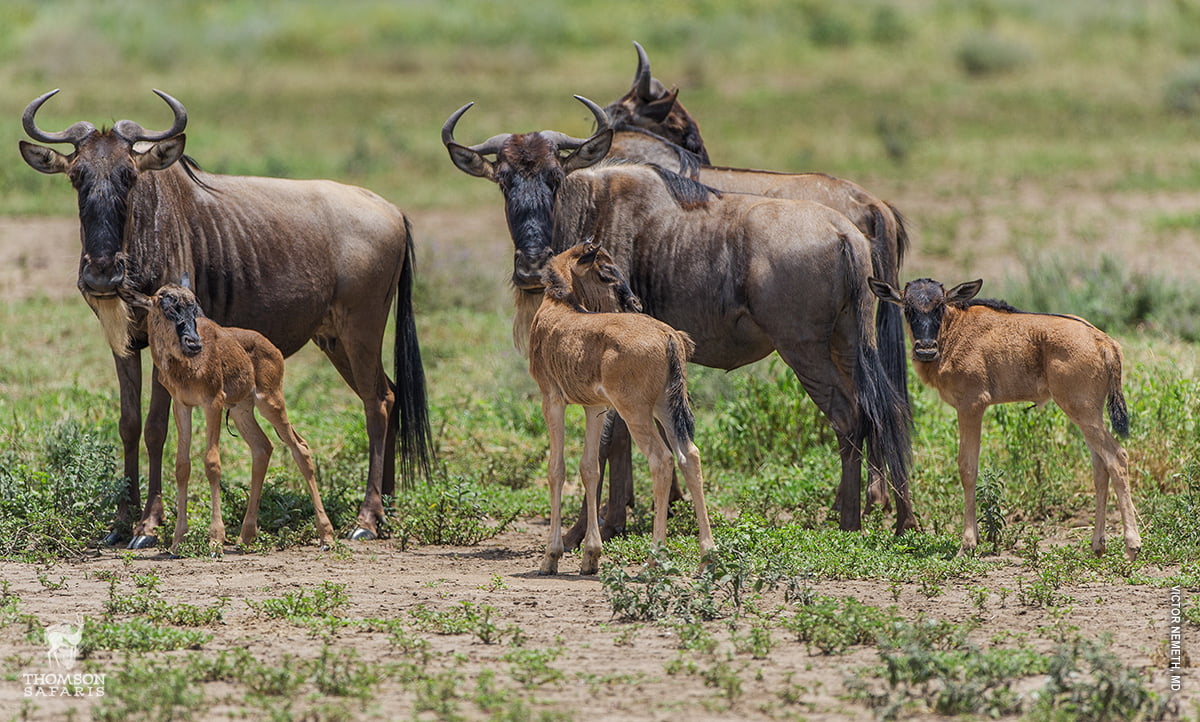
The wildebeest calving season is one of the most biologically intense and visually extraordinary phases of the Great Migration, yet it remains significantly less publicized than the Mara River crossings. Taking place primarily in the southern plains of the Serengeti ecosystem, this event transforms the landscape into a vast nursery where over 400,000 calves are born within a few weeks.
The main calving grounds lie in the southern plains of the Serengeti National Park, particularly in the Ndutu and Ngorongoro Conservation Area region, where nutrient-rich volcanic soils support high-quality short grass grazing. These conditions are essential for lactating females and rapid calf growth.
While the Mara River crossings are defined by drama and danger, calving season is defined by abundance, vulnerability, and extraordinary predator-prey interactions. It is a quieter but far more emotionally complex stage of the migration.
Why Calving Season Is So Underrated
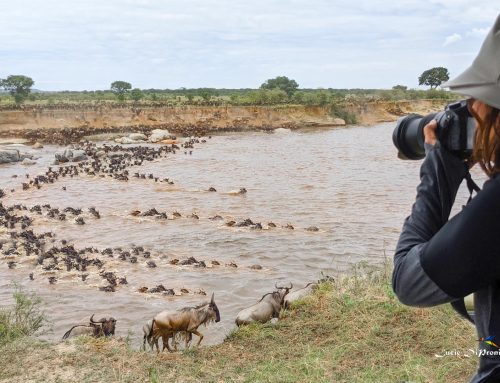
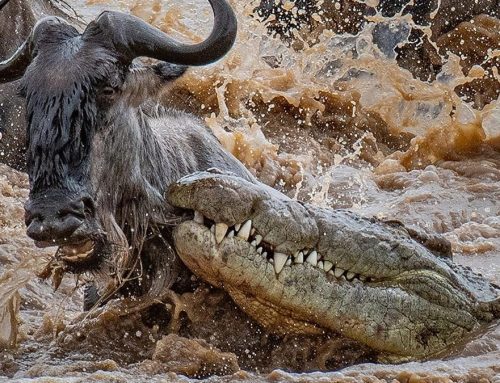
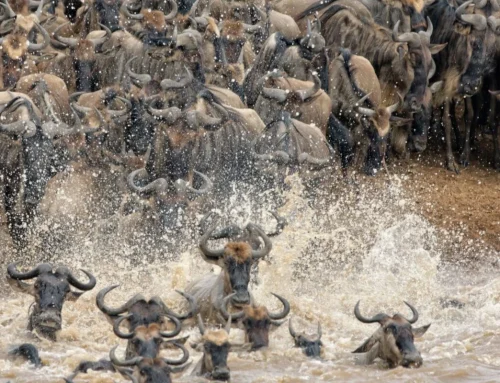
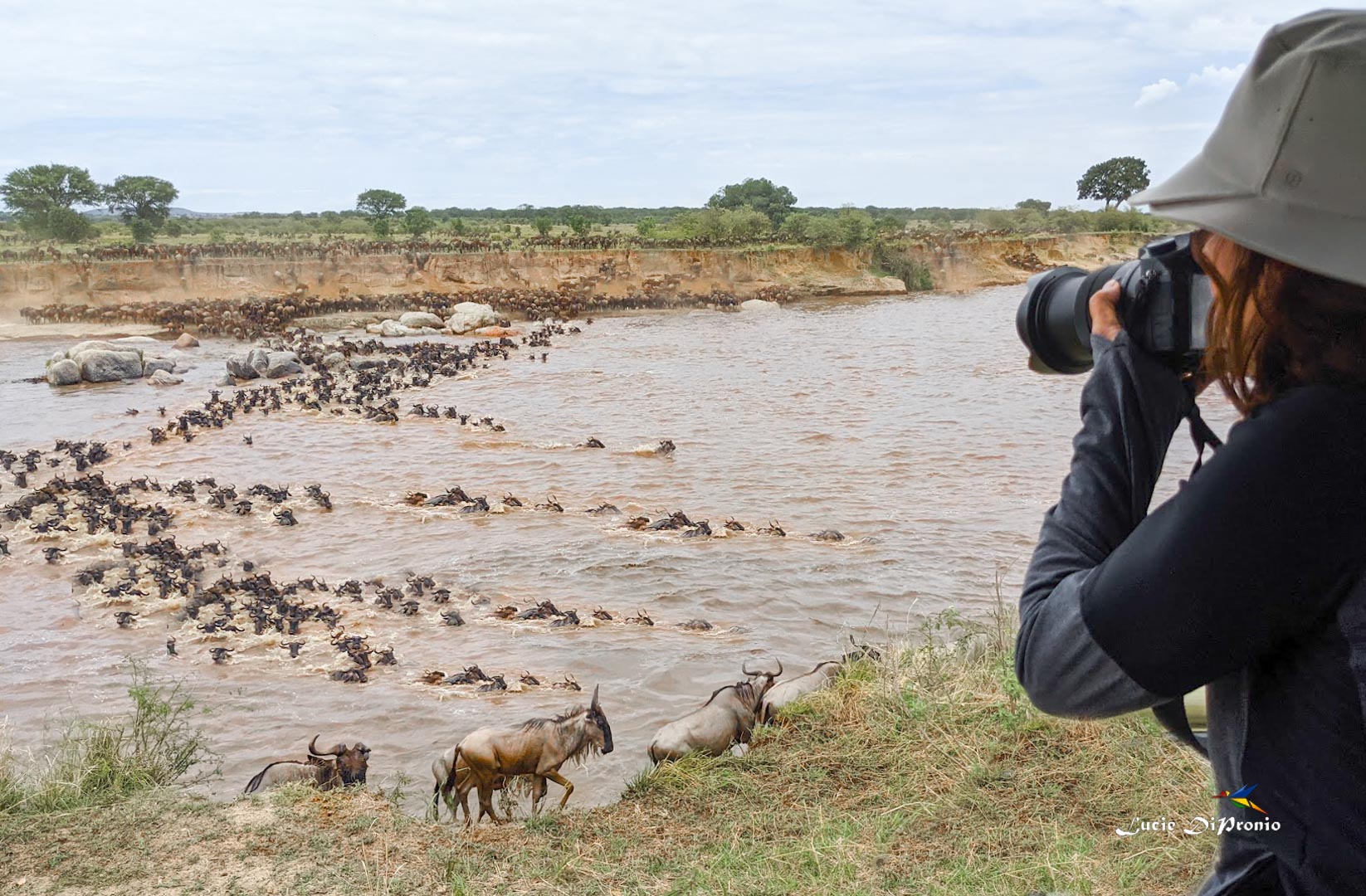
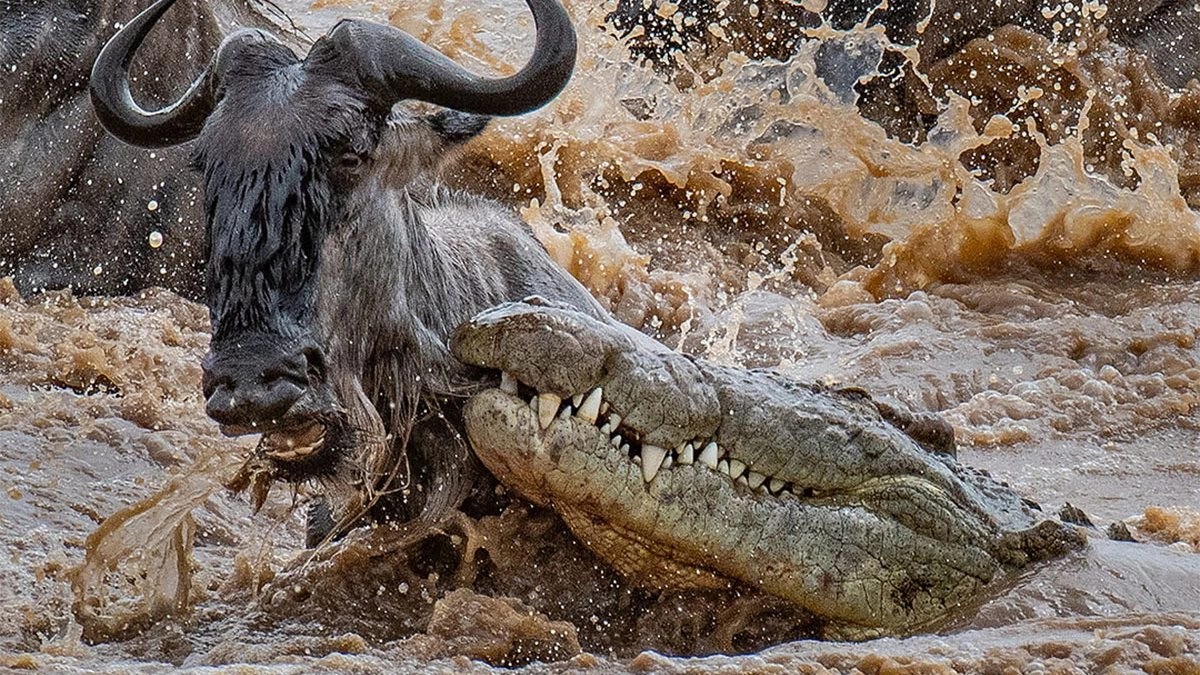
Calving season is often overshadowed by river crossings because it lacks the immediate visual chaos associated with crocodile-infested waters. However, this perception overlooks the sheer density of life and survival pressure occurring on the plains.
The event is underrated largely due to marketing bias in safari tourism, where dramatic river scenes are more widely promoted than birth cycles on open grasslands. Yet biologically, calving season is equally significant in sustaining the entire migration population.
For many wildlife researchers and photographers, this is considered the most rewarding time of year due to predictable predator interactions and high animal concentration.
Timing and Location of Calving Season
Calving season typically occurs between late January and March, with peak births concentrated in February. This timing aligns with the short rains that create nutrient-rich grazing conditions.
The primary calving zone is the southern Serengeti plains within the Ndutu ecosystem, extending into parts of the Ngorongoro Conservation Area. These flat open plains provide visibility and safety advantages for newborn calves.
Unlike the Mara River phase, calving is geographically concentrated, meaning visitors can observe thousands of births within a relatively small area.
The Science Behind the Timing
The timing of calving is not random but tightly linked to grass quality and rainfall cycles. Wildebeest females synchronize birth to ensure calves are born during peak nutritional conditions.
Short grasses in the calving region contain higher protein levels and fewer hiding places for predators. This improves calf survival rates during their most vulnerable early days.
This synchronization is one of the most remarkable evolutionary strategies in large mammal populations, allowing predator saturation across the landscape.
The Scale of Life During Calving Season
During peak calving weeks, hundreds of thousands of calves are born in a short window of time. This creates one of the highest densities of newborn mammals anywhere on Earth.
Each calf stands within minutes of birth and is able to run within hours, a critical adaptation for survival in predator-rich environments.
The sheer volume of births overwhelms predators, ensuring that while many calves are lost, a significant number survive to adulthood.
Predator Dynamics During Calving Season
Calving season triggers one of the most intense predator responses in the African ecosystem. Lions, hyenas, cheetahs, and jackals converge on the southern plains to take advantage of vulnerable newborns.
Unlike the Mara River crossings, where predation is opportunistic and chaotic, calving season predation is highly strategic and localized. Predators follow herds and target isolated births or weak calves.
However, the abundance of calves creates a “predator saturation effect,” where even with high losses, the population remains stable.
The Emotional Contrast of Calving Season
Calving season presents a unique emotional duality rarely experienced in wildlife tourism. It combines the joy of new life with the harsh realities of natural selection.
Witnessing a calf take its first steps while predators patrol nearby creates a deeply immersive understanding of survival ecology.
Unlike dramatic river crossings, where action is brief and explosive, calving season unfolds continuously over weeks, offering sustained wildlife engagement.
Photography Opportunities
For wildlife photographers, calving season offers some of the most intimate and dynamic imagery in African safari environments. Newborn calves, maternal bonding, and predator interactions occur within open, accessible terrain.
Lighting conditions in the southern plains are often ideal, with wide horizons and soft early morning illumination. This enhances visibility and composition quality.
Unlike river crossings, where chaos limits framing opportunities, calving season allows for controlled observation and storytelling imagery.
Calving Season vs River Crossing Season
Calving season and river crossing season represent two opposite ends of the migration experience. One is slow, concentrated, and nurturing; the other is fast, chaotic, and high-risk.
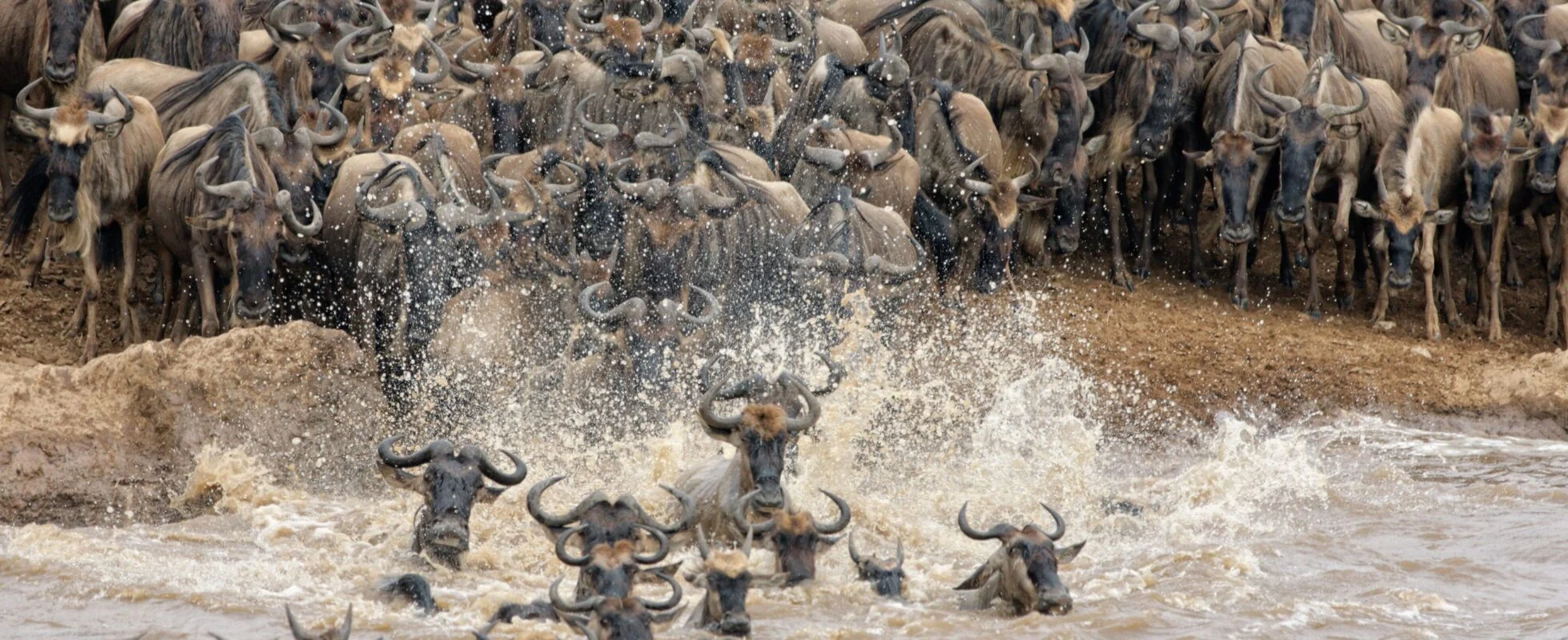
River crossings are defined by movement and survival under pressure, while calving season is defined by birth, growth, and predator-prey balance on open plains.
Together, they form a complete ecological cycle that sustains the entire Great Migration system.
Accessibility and Safari Experience
Calving season is often easier to access compared to river crossings because herds are concentrated in a smaller geographic area. This increases the likelihood of consistent sightings.
Visitors do not need to move between multiple regions, as most activity occurs within the Ndutu plains. This creates a more stable and predictable safari experience.
Game drives during calving season often involve prolonged stationary observation of herds, predator behavior, and birth events.
Why It Is Ideal for First-Time Safari Travelers
Calving season is particularly well-suited for first-time safari visitors due to its predictability and high animal density. Unlike river crossings, it does not require precise timing or location tracking.
The open terrain also makes wildlife easier to spot and photograph, even without extensive guiding experience.
It provides a comprehensive introduction to African ecosystems, including herbivores, predators, and scavengers in constant interaction.
Ecological Importance of Calving Season
Calving season is the foundation of the entire Great Migration cycle. Without successful reproduction in the southern plains, the northern movements and river crossings would not occur at scale.
It ensures population renewal and genetic continuity across one of the largest terrestrial migrations on Earth.
This phase is essential not just for wildebeest survival but for the entire predator-prey ecosystem that depends on seasonal abundance.
Conservation and Environmental Sensitivity
The calving ecosystem is highly sensitive to climate variation and human impact. Changes in rainfall patterns can directly affect birth timing and calf survival rates.
Conservation management in the Serengeti-Ngorongoro system plays a crucial role in maintaining the integrity of this seasonal cycle.
Sustainable tourism practices help ensure that calving grounds remain undisturbed during this critical period.
The Quiet Power of New Life
Wildebeest calving season is the most underrated phase of the Great Migration because it lacks the immediate spectacle of river crossings, yet it represents the true foundation of the entire ecological system. It is where life begins, survival strategies are tested, and population renewal is secured.
In contrast to the chaos of the Mara River, calving season offers a slower, more intimate, and deeply immersive wildlife experience. It reveals the continuous rhythm of life that sustains Africa’s greatest migration.
For travelers seeking a richer understanding of the migration beyond dramatic moments, calving season provides unmatched depth, accessibility, and ecological insight.